 FirstNom
First foods database
How to serve 150+ foods safely, by age band. Choking risk, allergen status and iron content on every food — free, no account.
Showing 150 foods
Fruit
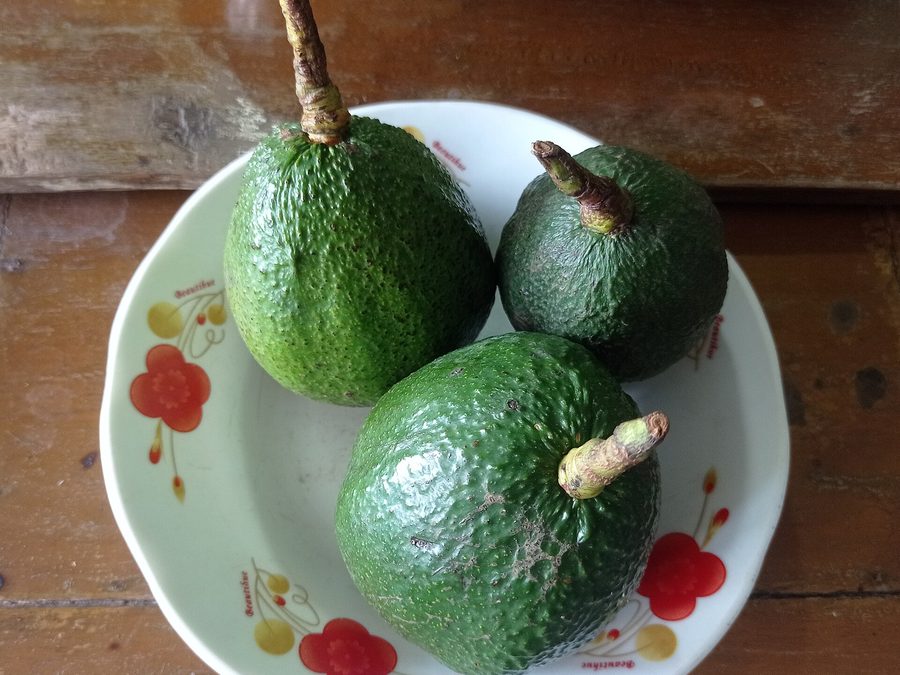
Avocado
Soft, buttery and ready without cooking — the first food most parents start with.
Vegetable
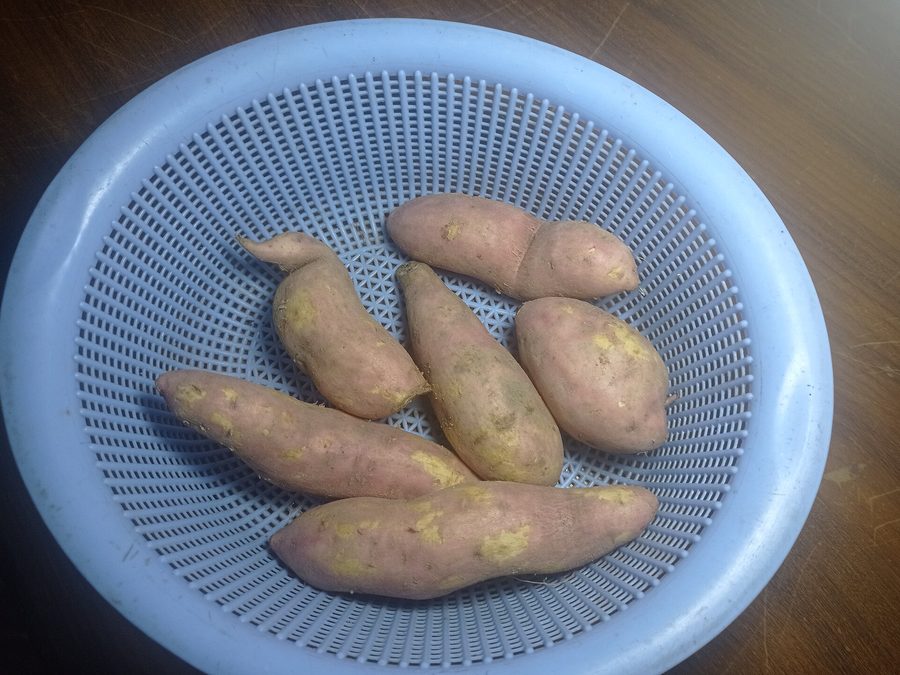
Sweet potato
Roasts to a soft, sweet spear that is easy to hold and hard to get wrong.
Fruit
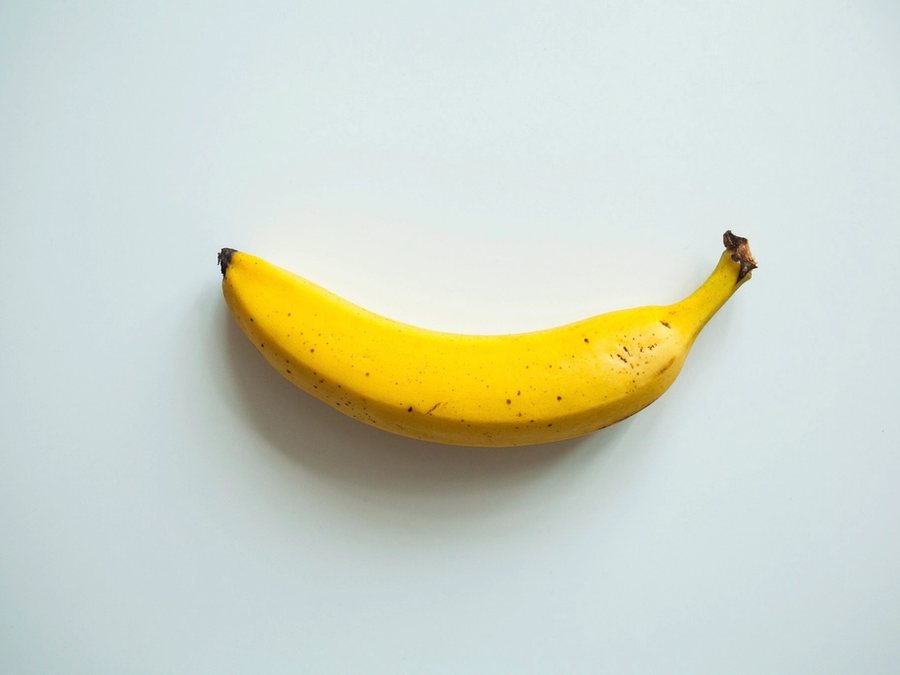
Banana
No cooking, no equipment, comes in its own wrapper — and slippery enough to need a trick.
Vegetable
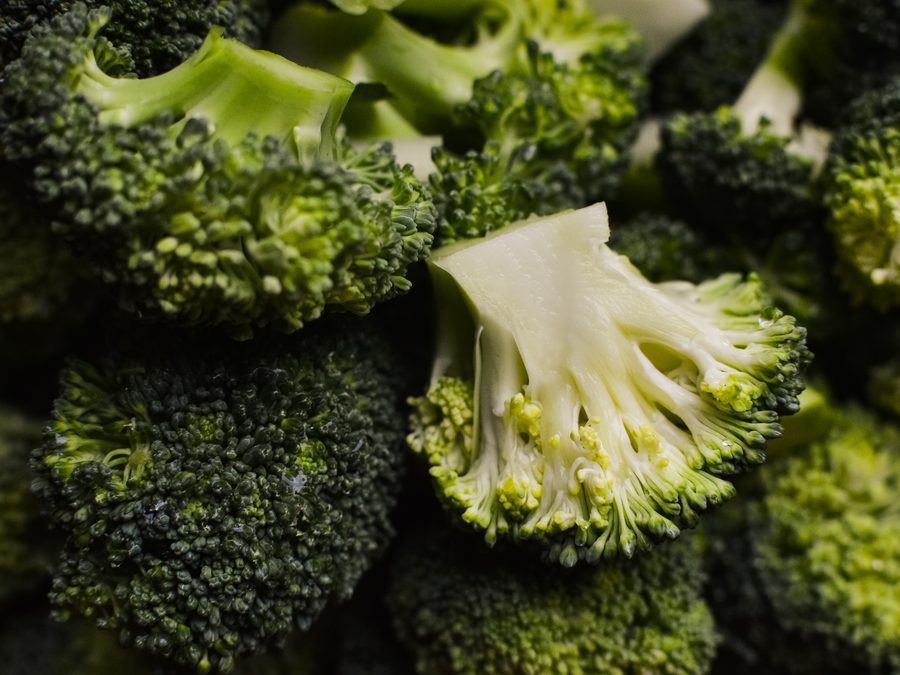
Broccoli
The floret is a built-in handle — one of the easiest green vegetables for a 6-month-old to hold.
Grains
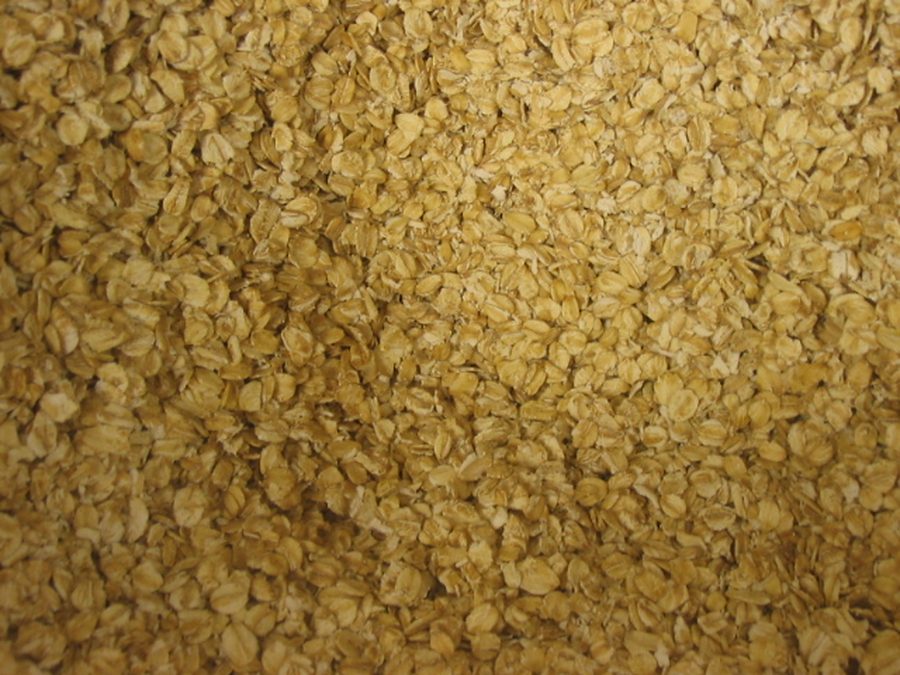
Oatmeal
An iron-fortified porridge is one of the simplest ways to hit a 6-month-old's iron target.
Dairy & eggs
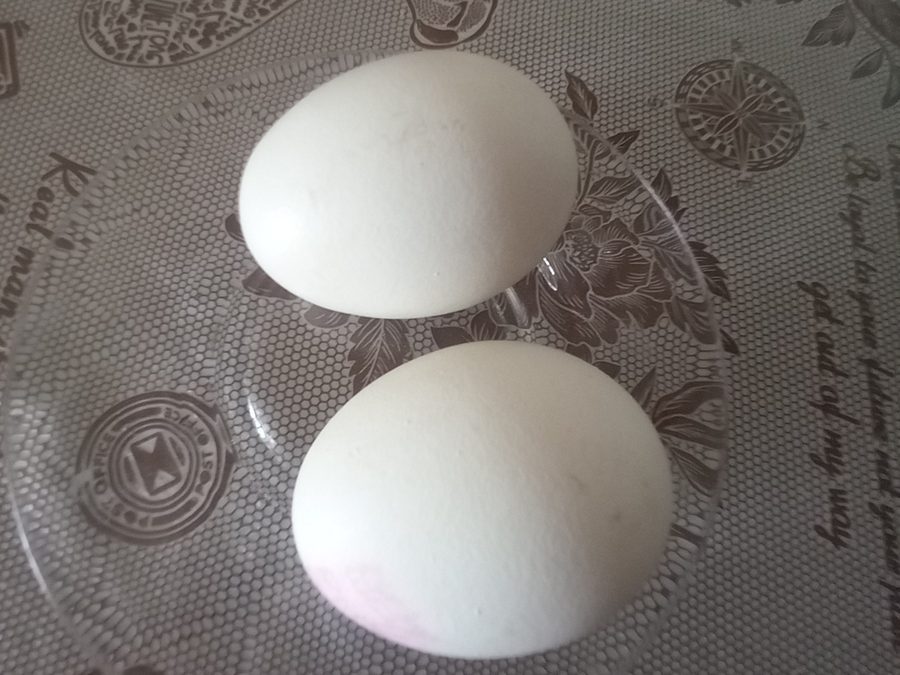
Egg
A top-nine allergen worth introducing early — and one of the cheapest complete proteins there is.
Nuts & seeds
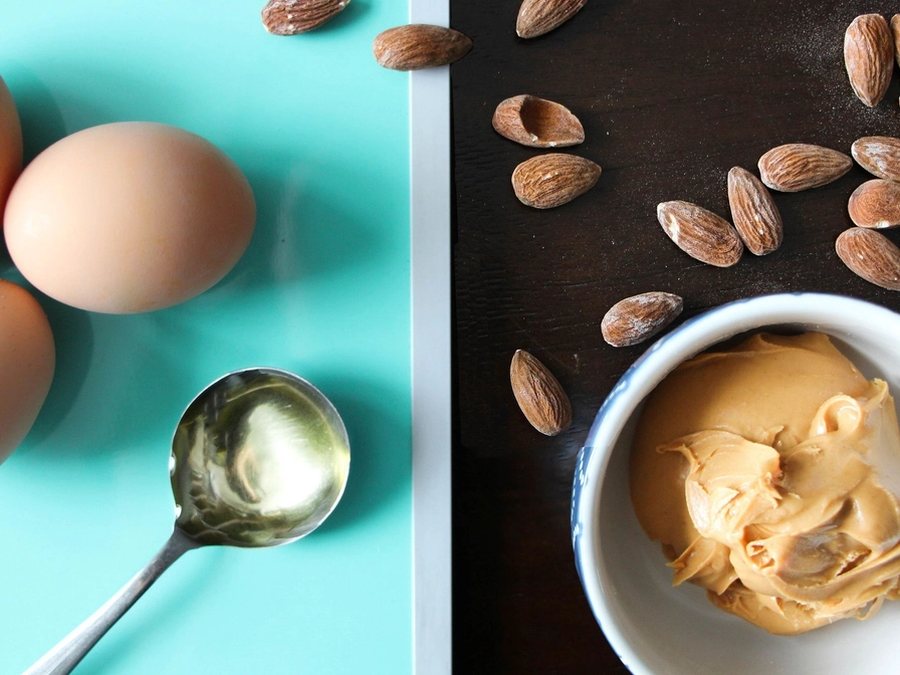
Peanut butter
Early, regular peanut is the single best-evidenced way to reduce the risk of peanut allergy.
Meat & fish
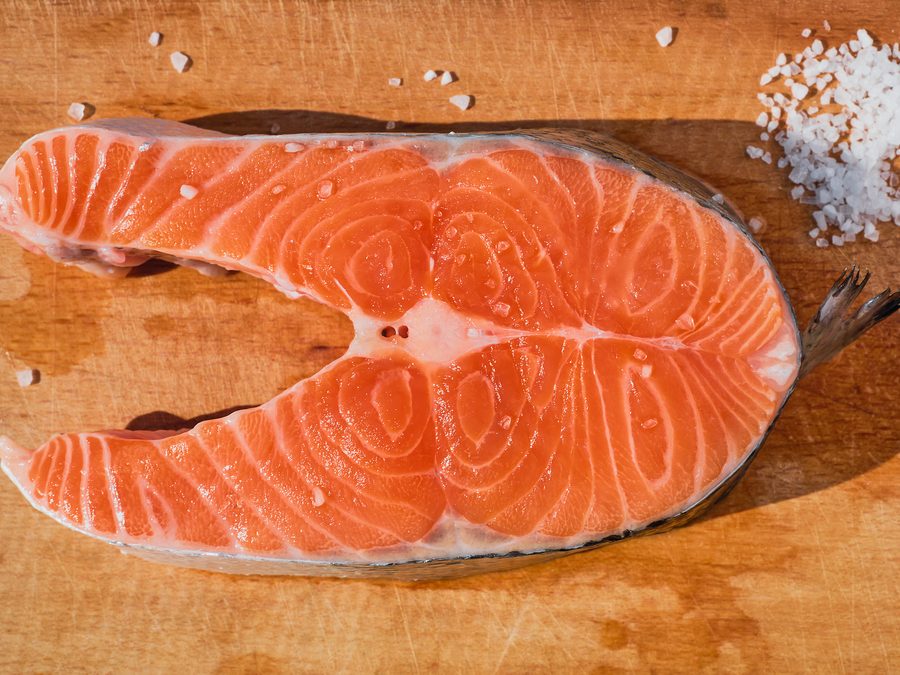
Salmon
Omega-3, vitamin D and a top-nine allergen worth introducing early — in one soft, flaky food.
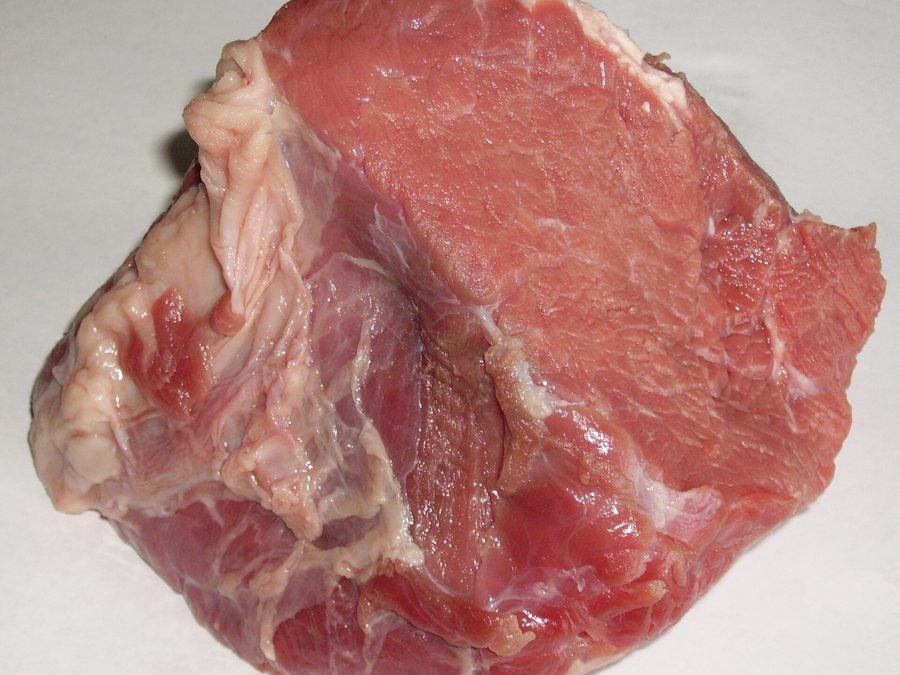
Meat & fish
Beef
The single best food for closing the iron gap that opens at 6 months.
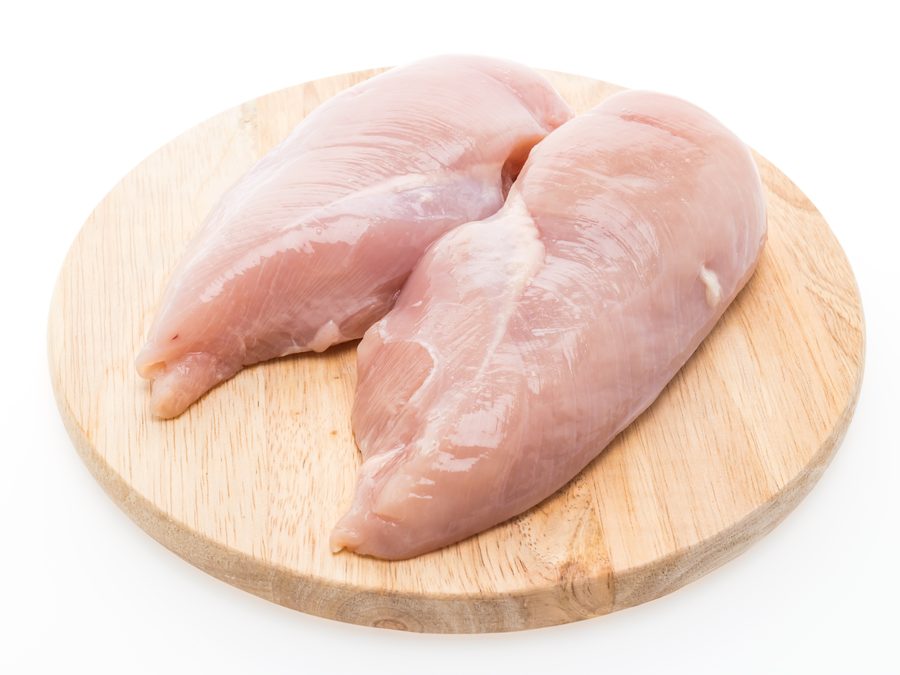
Meat & fish
Chicken
Mild, familiar and easy to shred — the protein most babies accept without argument.
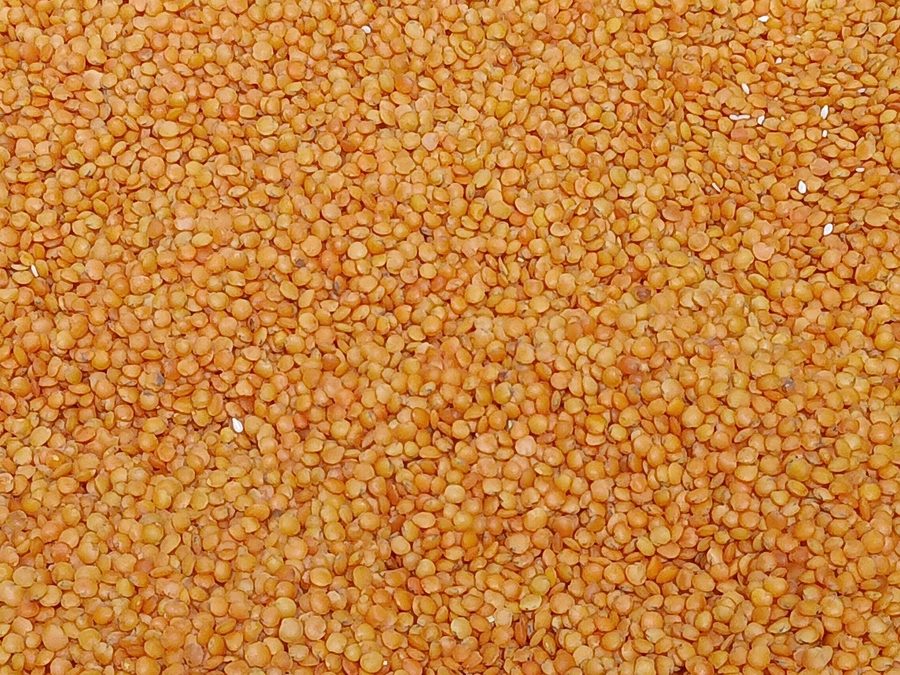
Beans & legumes
Lentils
The best plant iron source for babies — cheap, soft, and it cooks in twenty minutes.
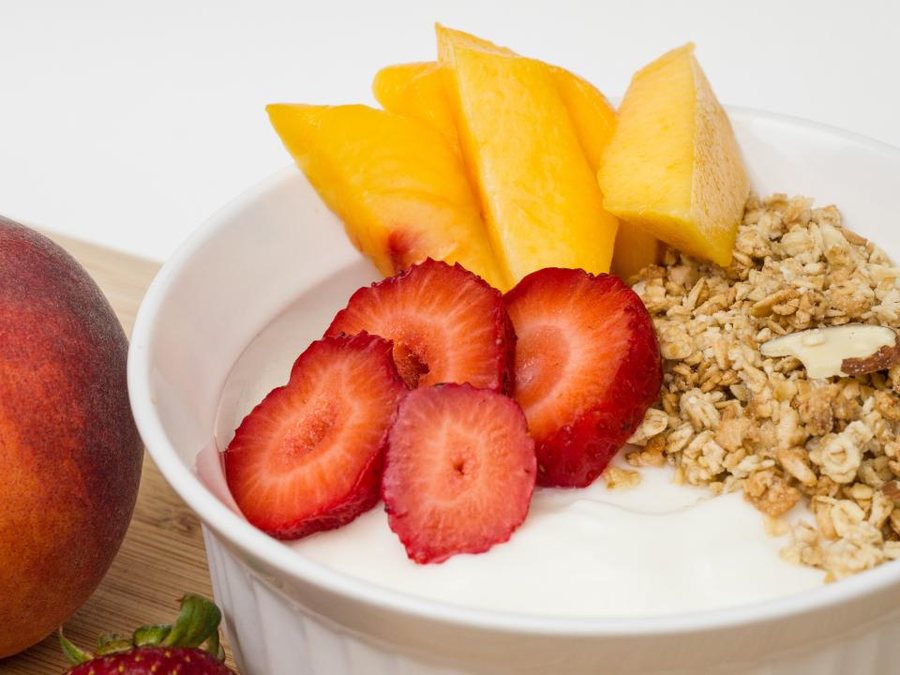
Dairy & eggs
Yogurt
Plain whole-milk yogurt is fine from 6 months — long before cow's milk as a drink.
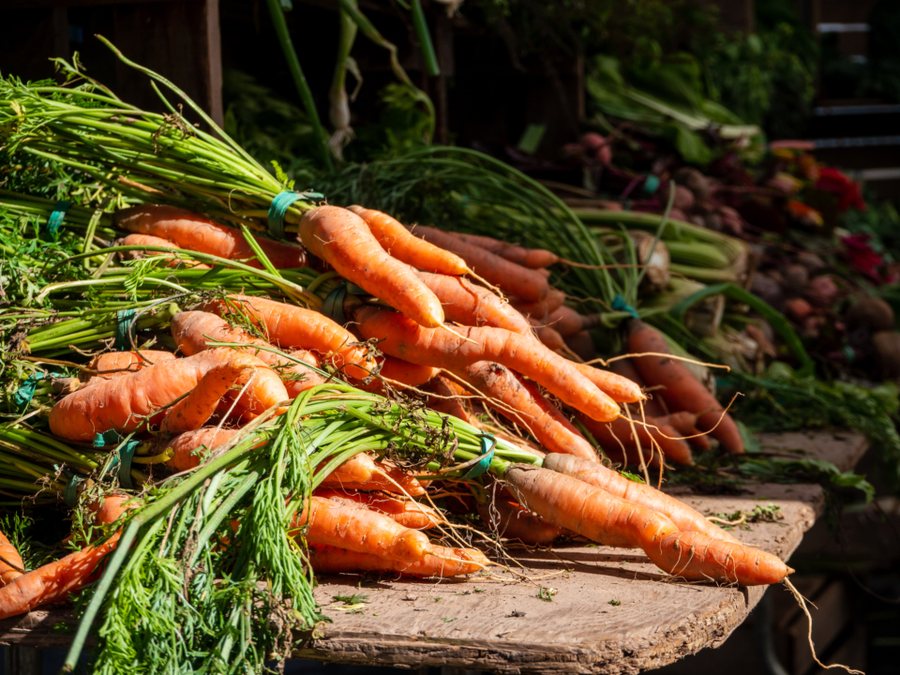
Vegetable
Carrot
Safe when cooked soft, one of the highest-risk foods when raw — the shape matters more here than almost anywhere.
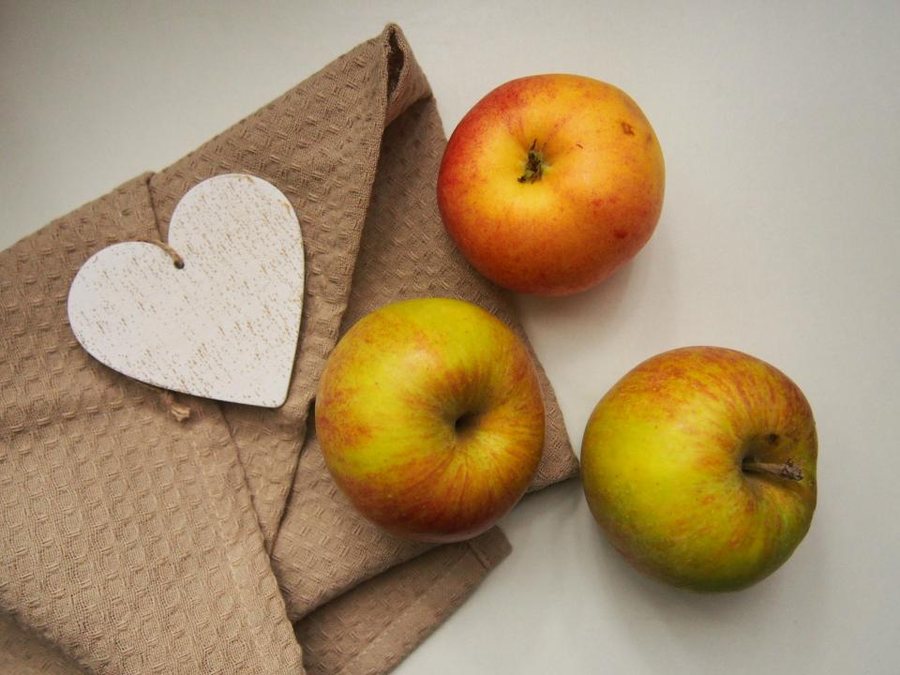
Fruit
Apple
Cook it, grate it, or purée it — raw apple chunks are a choking hazard until about 4 years.
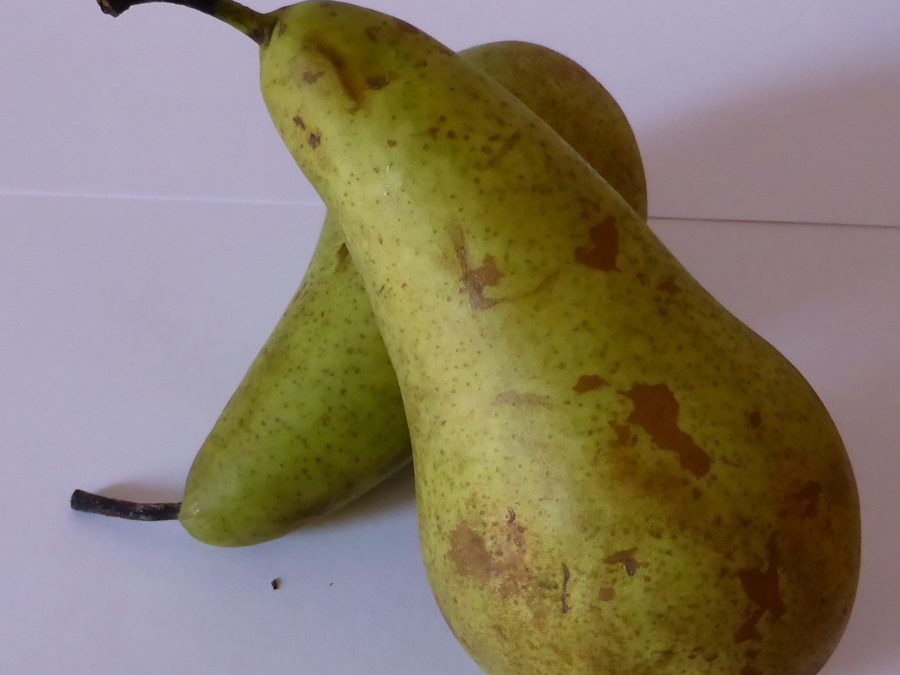
Fruit
Pear
Soft when ripe, gentle on the stomach, and the go-to fruit when your baby is constipated.
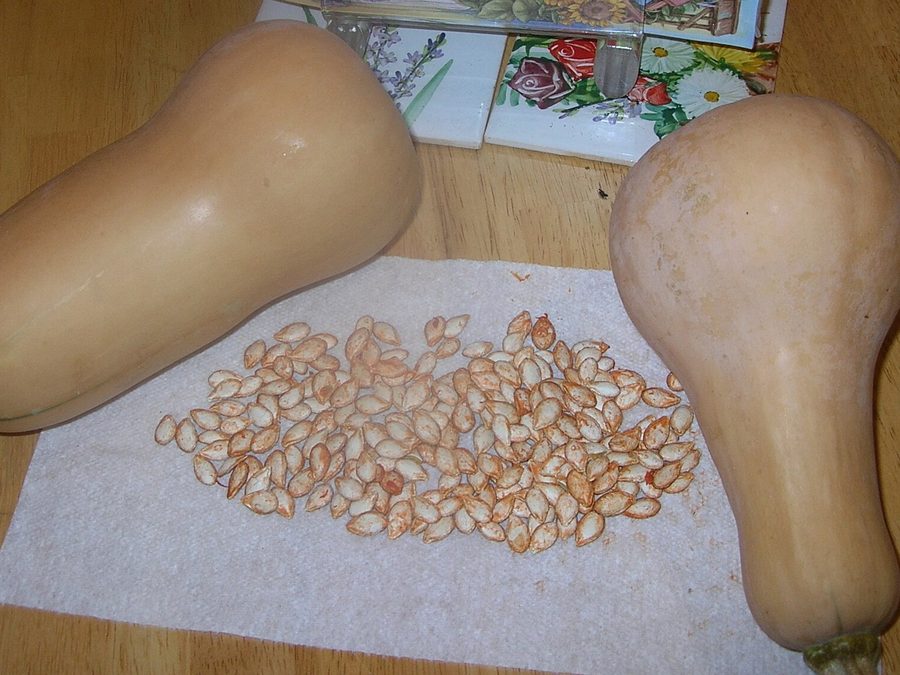
Vegetable
Butternut squash
Sweet, dense and it roasts into a spear that holds its shape better than almost any other vegetable.
Vegetable
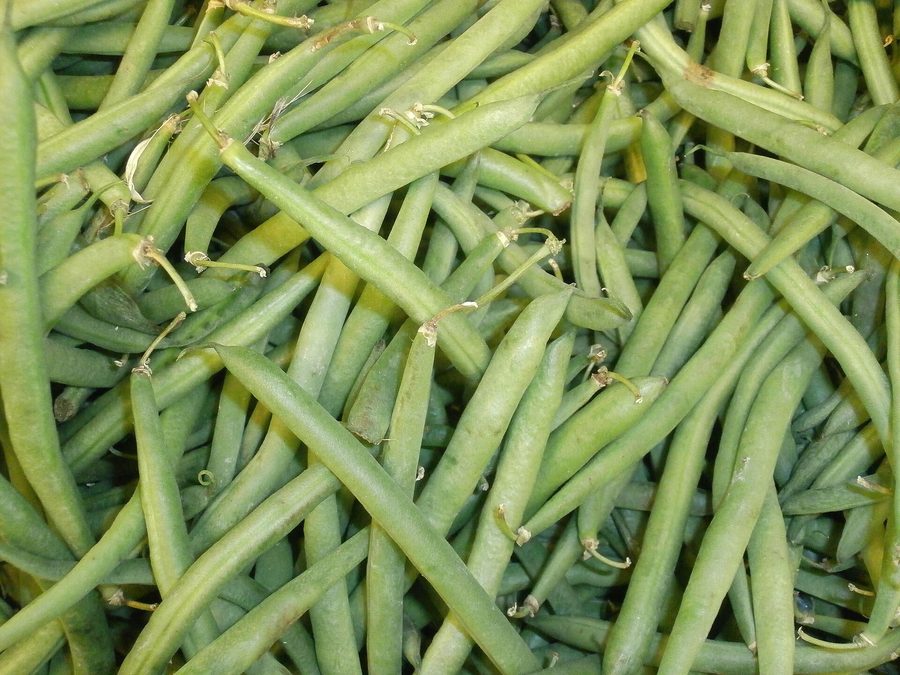
Green beans
A ready-made baby-sized spear — steam them soft and they need no cutting at all.
Beans & legumes
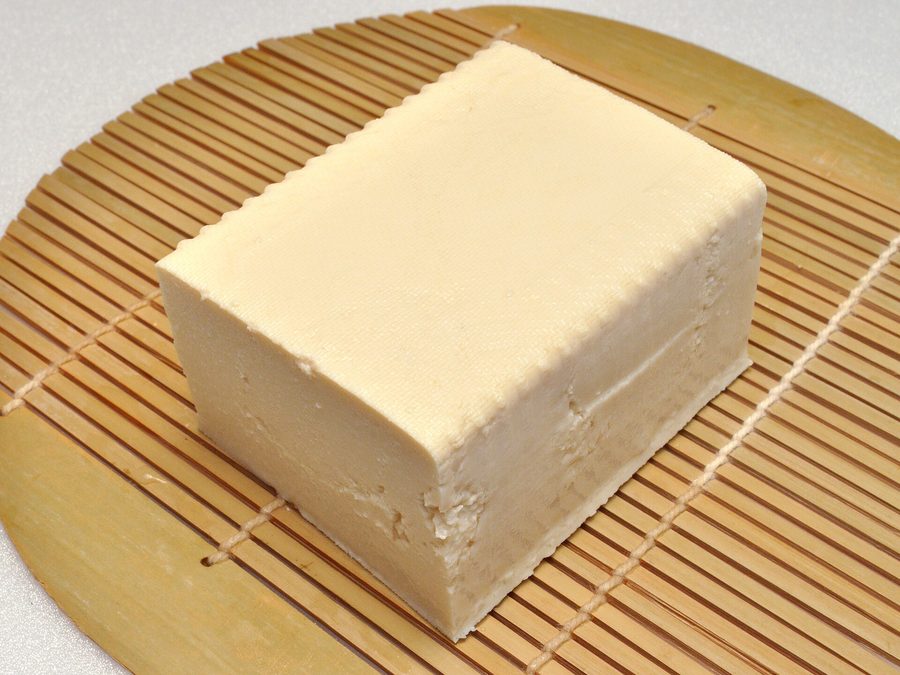
Tofu
A soy allergen introduction and a soft protein in one — firm tofu cuts into perfect baby strips.
Beans & legumes
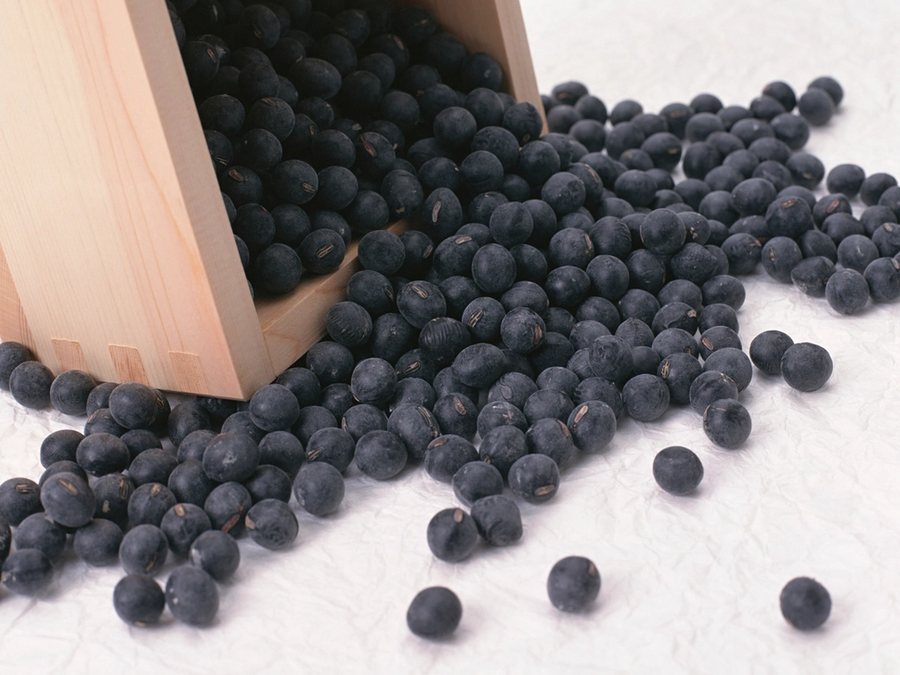
Black beans
Iron, protein and fibre in a soft package — mash them so a 6-month-old can actually eat them.
Beans & legumes
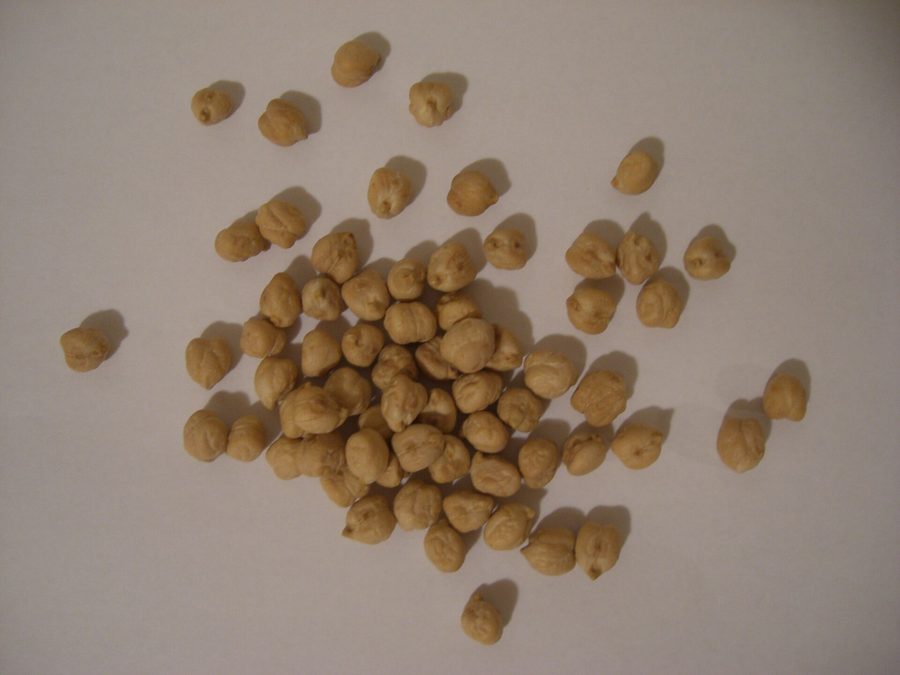
Chickpeas
Hummus is one of the great baby foods — and it doubles as a sesame introduction.
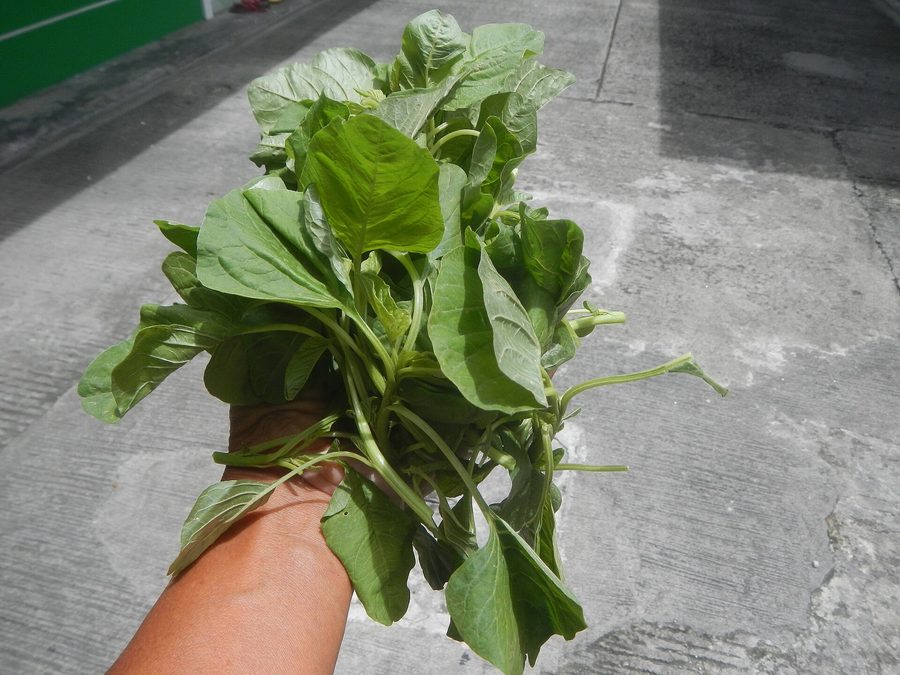
Vegetable
Spinach
Iron and folate in a leaf — but the iron is harder to absorb than the packaging suggests.
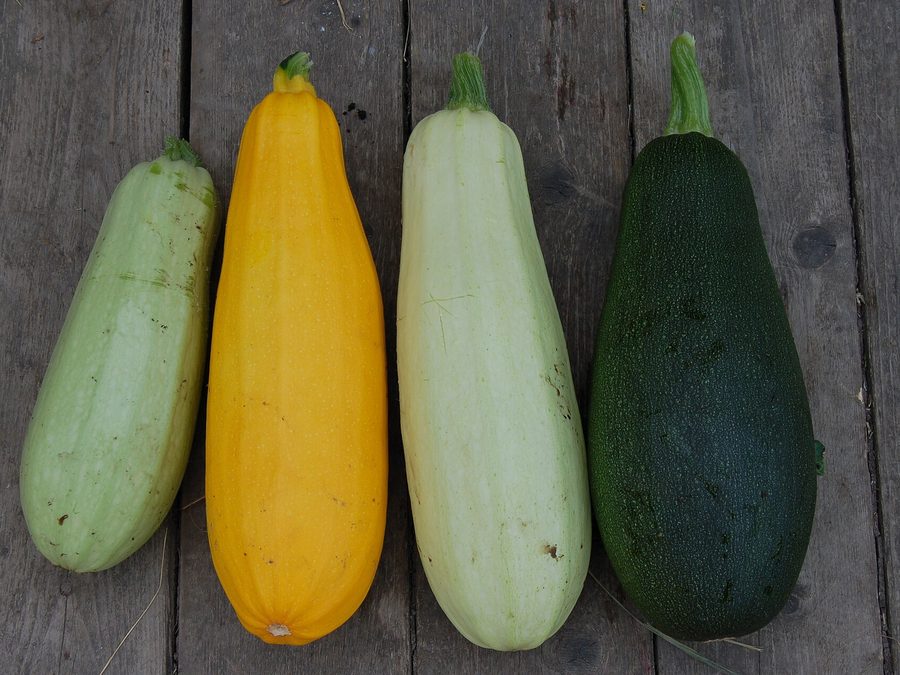
Vegetable
Zucchini
Cooks soft in minutes and cuts into a spear — one of the fastest first vegetables to prepare.
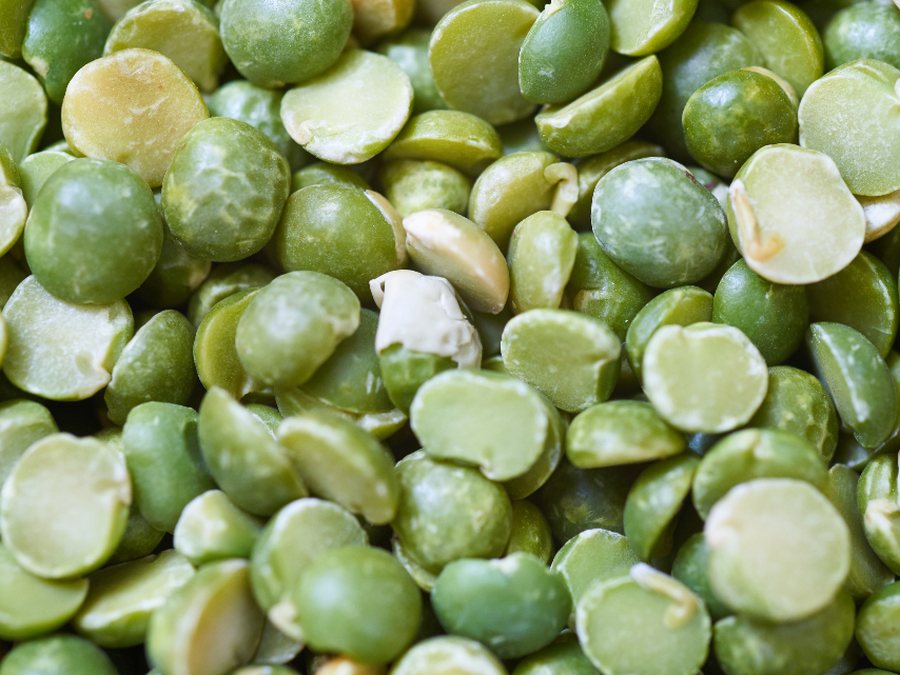
Vegetable
Peas
Round, small and slippery — squash them flat and they become one of the best pincer-grasp foods.

Fruit
Mango
Sweet, soft and packed with vitamin C — serve it with an iron food and it earns its place twice.
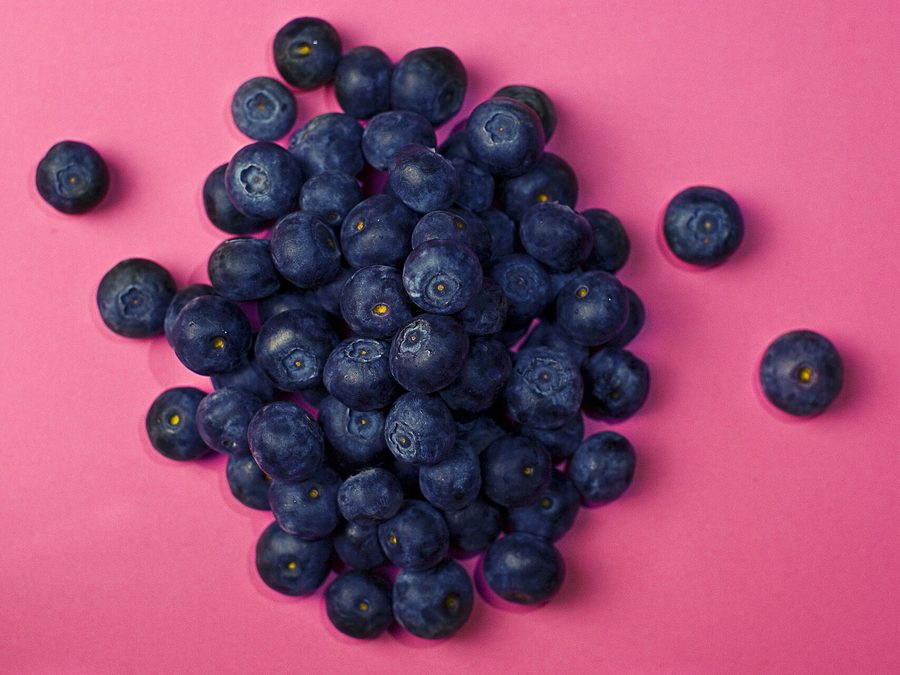
Fruit
Blueberries
Squash them. A whole blueberry is exactly the shape that causes trouble.
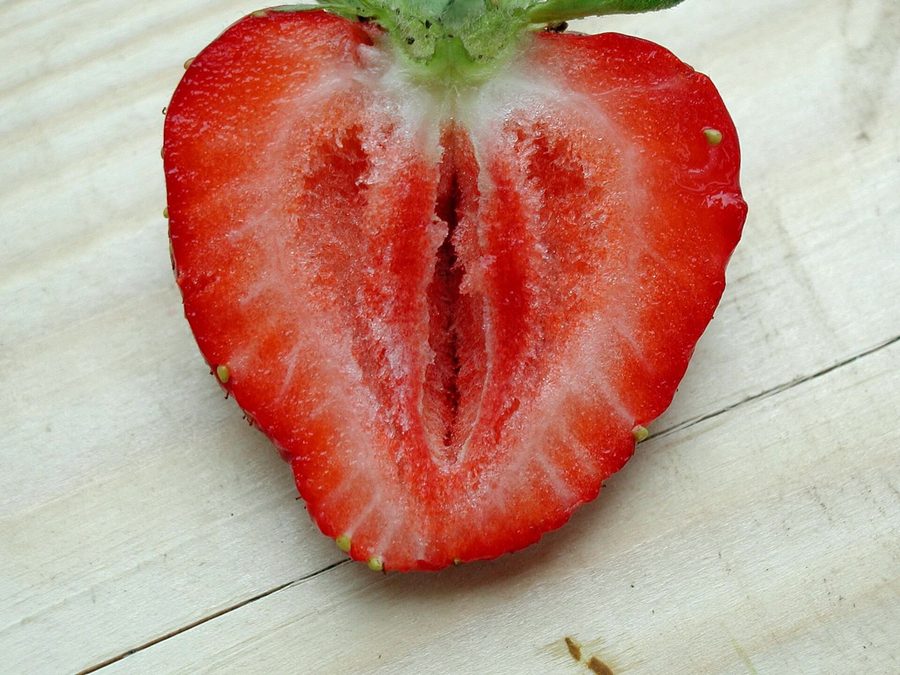
Fruit
Strawberry
More vitamin C than an orange, and a shape that needs quartering until about four.
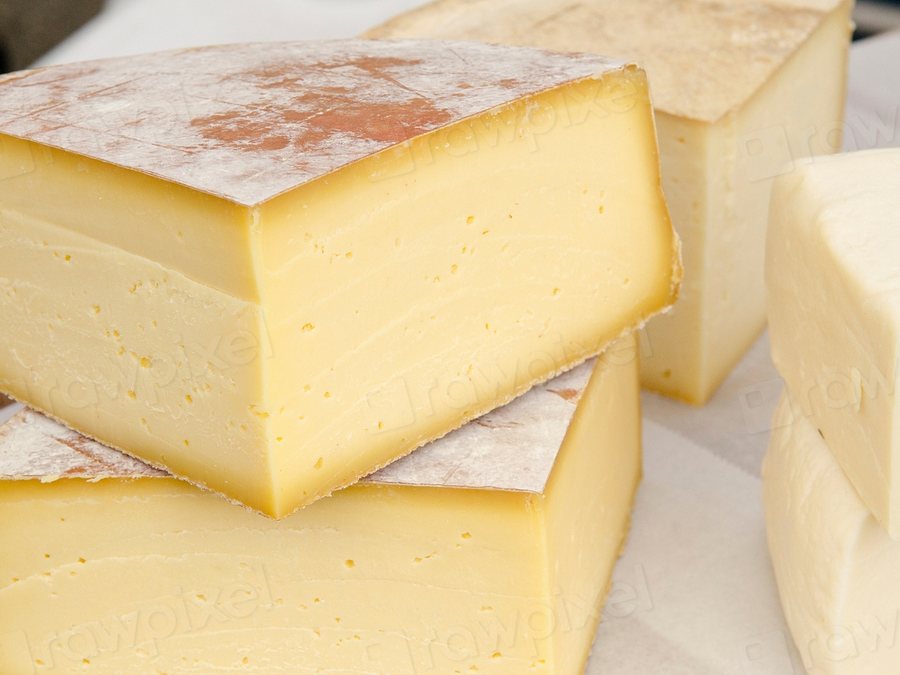
Dairy & eggs
Cheese
Calcium, fat and protein in one — the trick is picking a low-salt one and cutting it right.
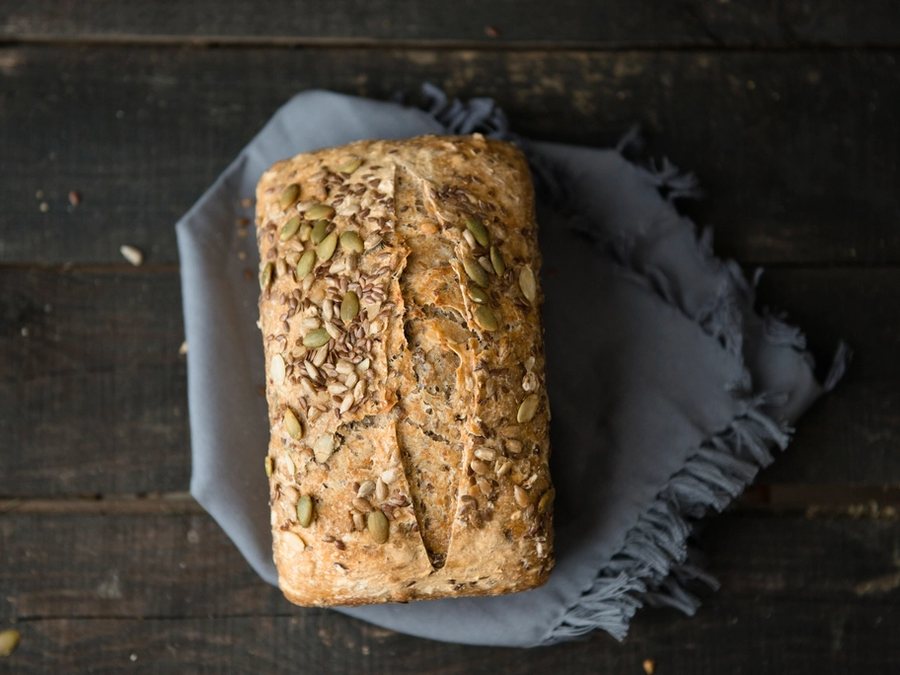
Grains
Bread
The easiest way to introduce wheat — toast it, because soft bread balls up in the mouth.
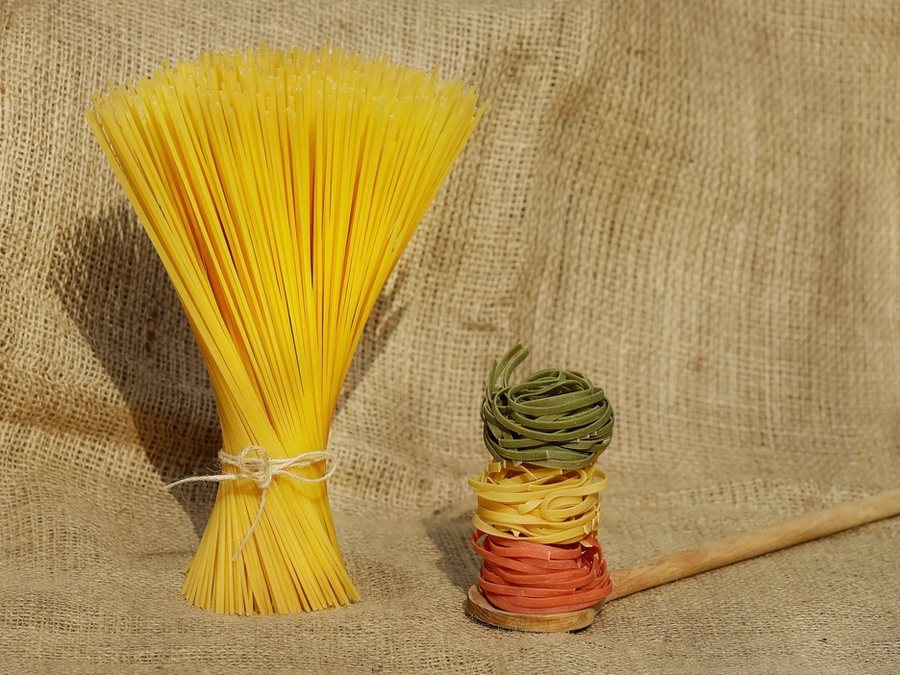
Grains
Pasta
Big shapes are easier than small ones — fusilli and penne beat spaghetti for a beginner.
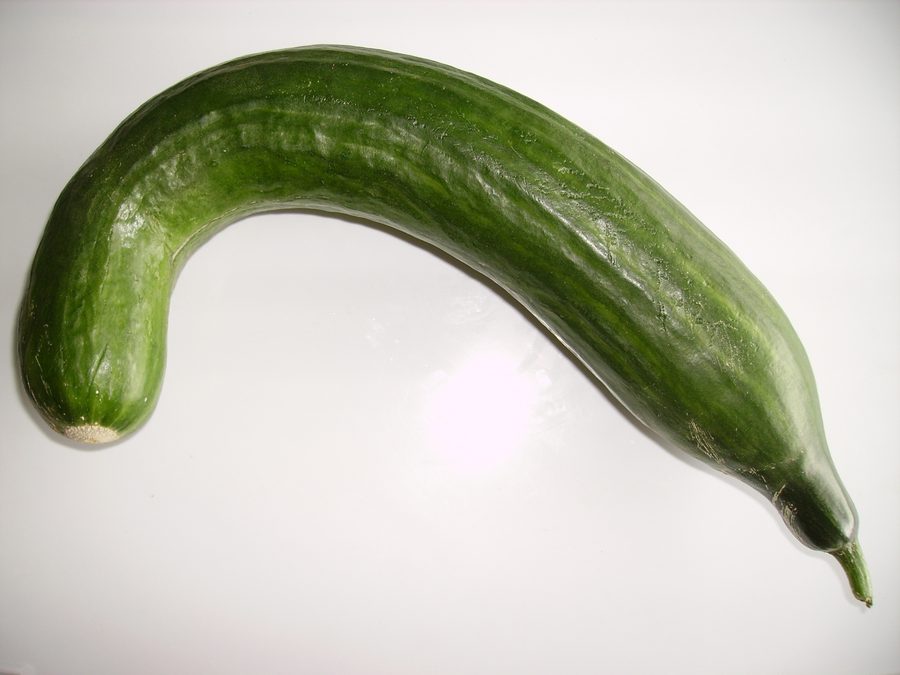
Vegetable
Cucumber
Cool, hydrating and brilliant for teething gums — but never in coins.
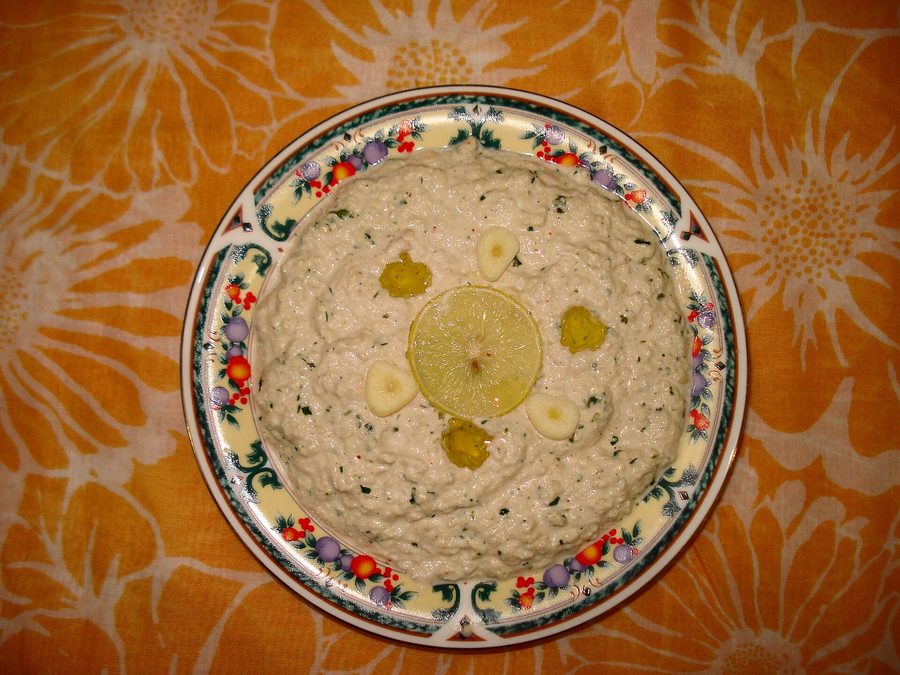
Nuts & seeds
Tahini
The simplest way to introduce sesame — thin it first, exactly like peanut butter.
Nuts & seeds
Almond butter
A tree-nut introduction that also happens to be a decent calcium source.
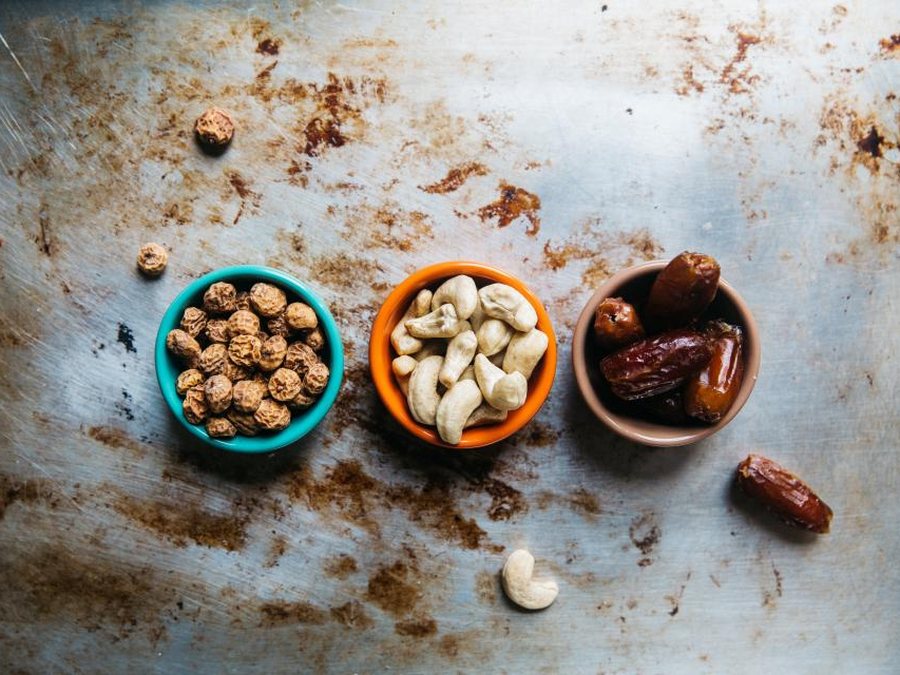
Nuts & seeds
Cashew butter
Mild and creamy — and one of the tree nuts most likely to cause a reaction.
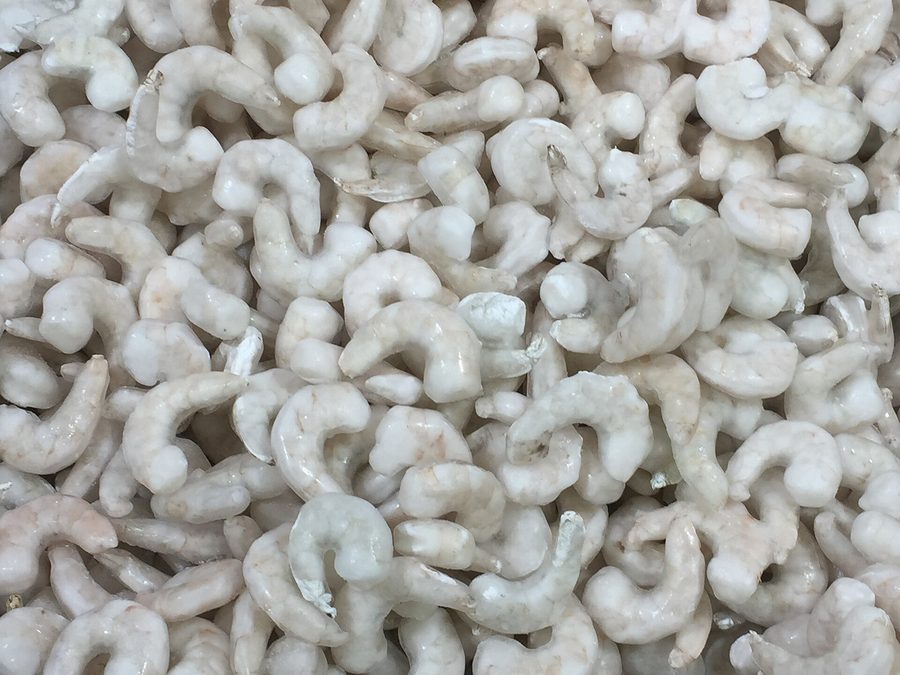
Meat & fish
Shrimp
A shellfish introduction worth making early — chop it small, because shrimp is rubbery.
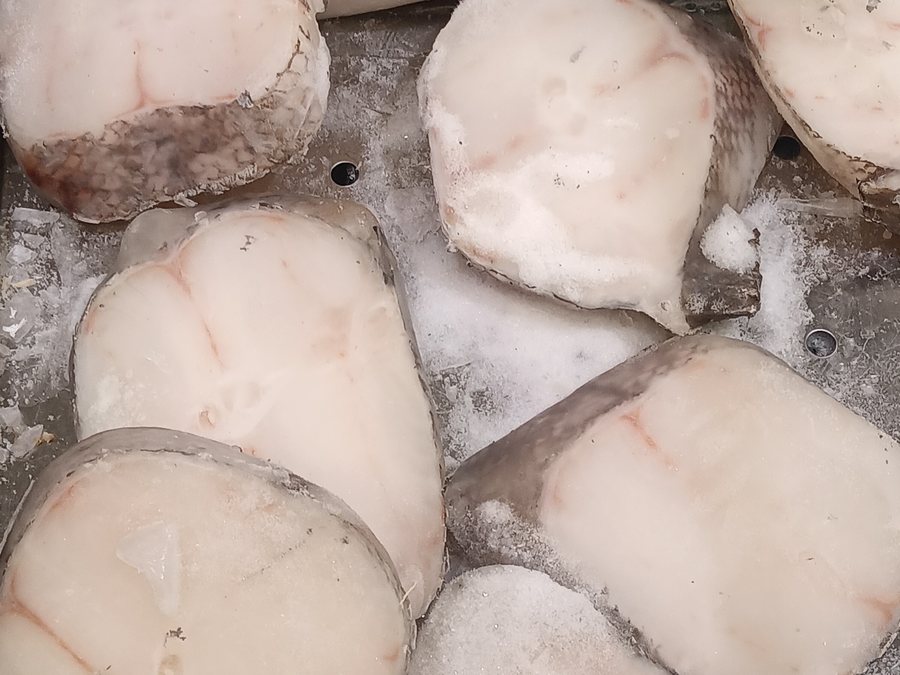
Meat & fish
Cod
Mild, flaky and low in mercury — the least intimidating fish to start with.
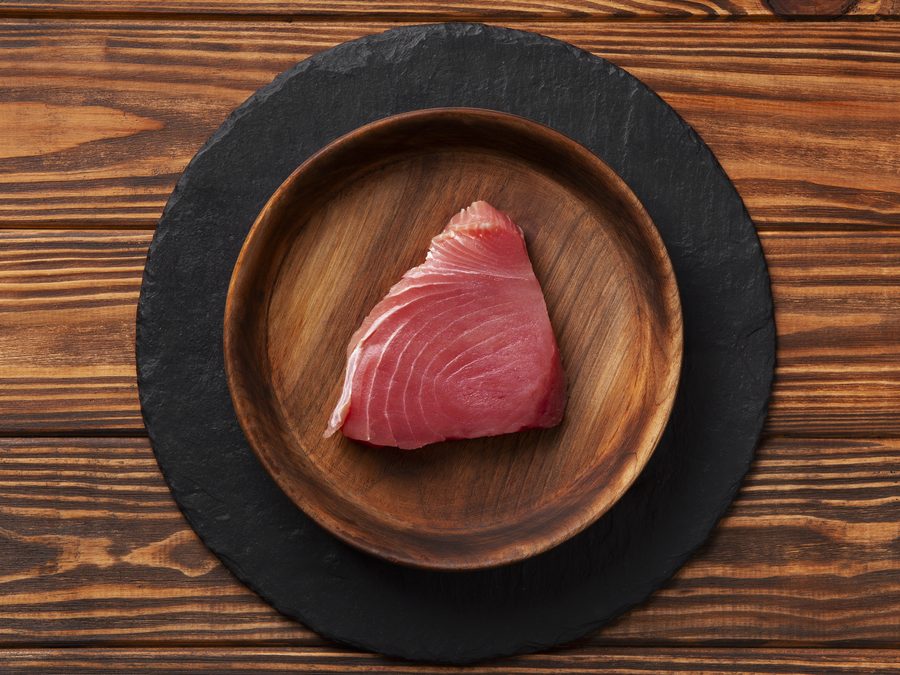
Meat & fish
Tuna
Fine in moderation if you pick the right kind — mercury is the whole story here.

Grains
Iron-fortified cereal
The most reliable single source of iron in a 6-month-old's diet.
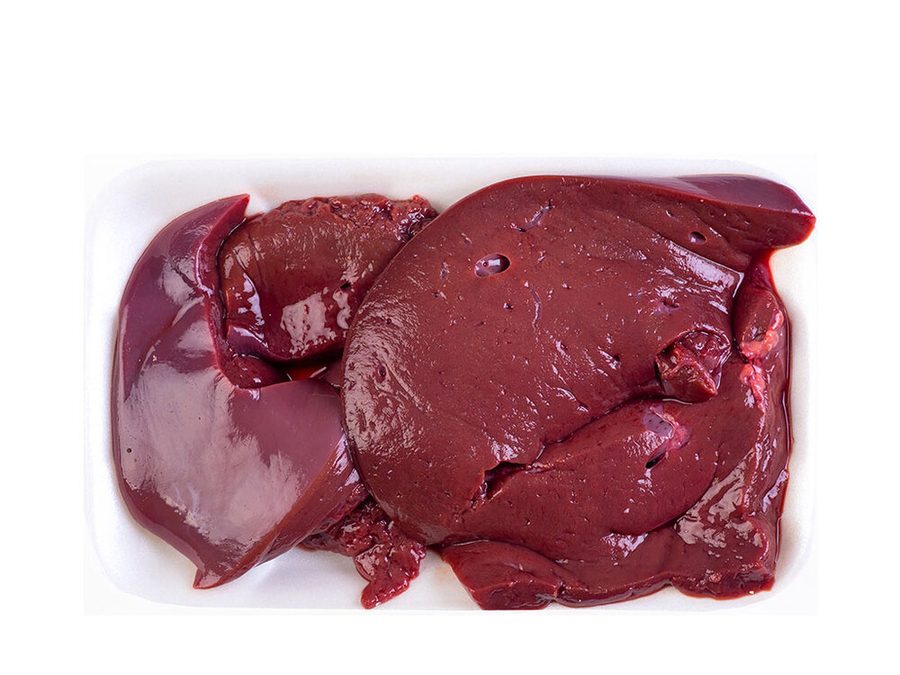
Meat & fish
Beef liver
Nothing comes close on iron — but the vitamin A content means small amounts, not often.
Meat & fish
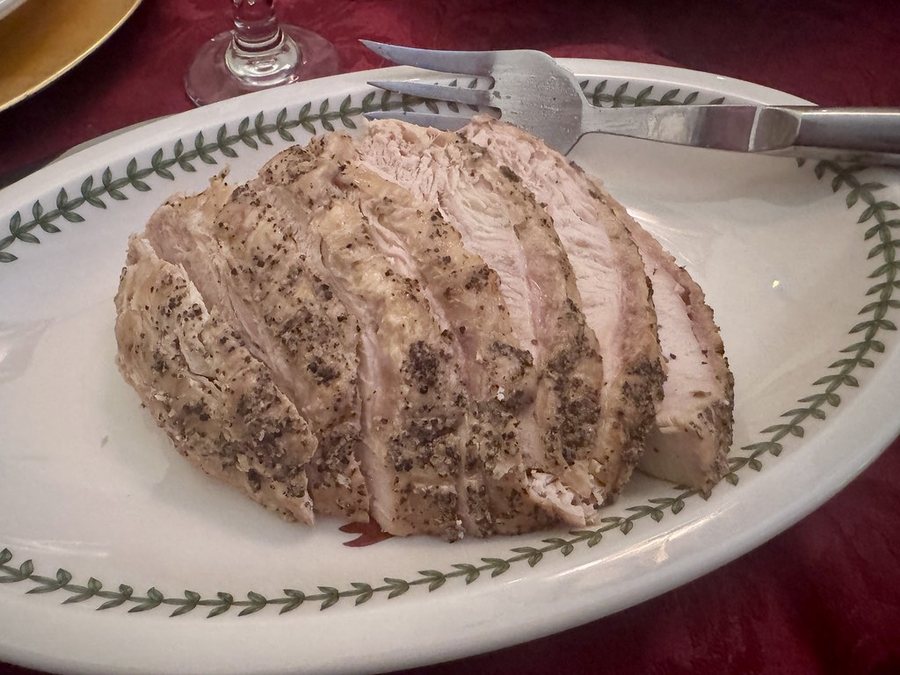
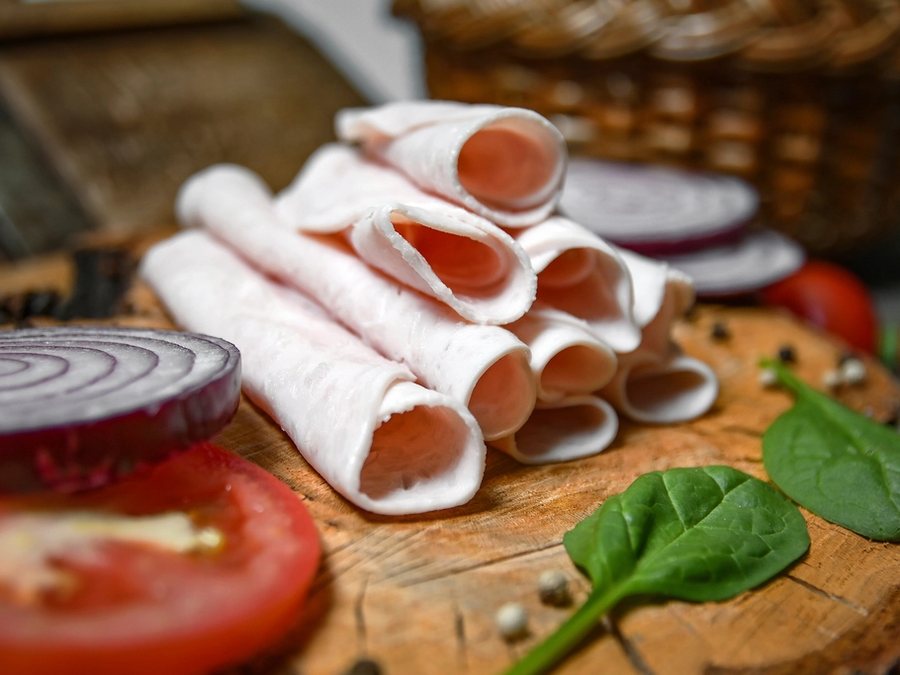
Turkey
Lean, mild and a touch more iron than chicken — with the same dryness problem.
Meat & fish
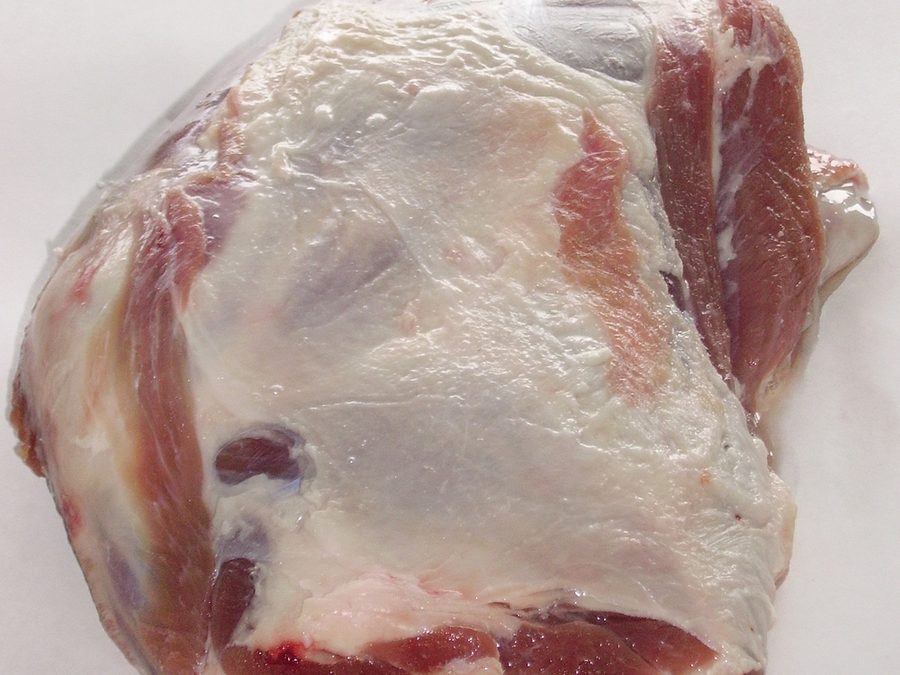
Pork
Slow-cooked shoulder shreds beautifully — the cut matters more than the animal.
Meat & fish
Lamb
Iron and zinc close to beef, with a stronger flavour babies often take better than adults expect.
Grains
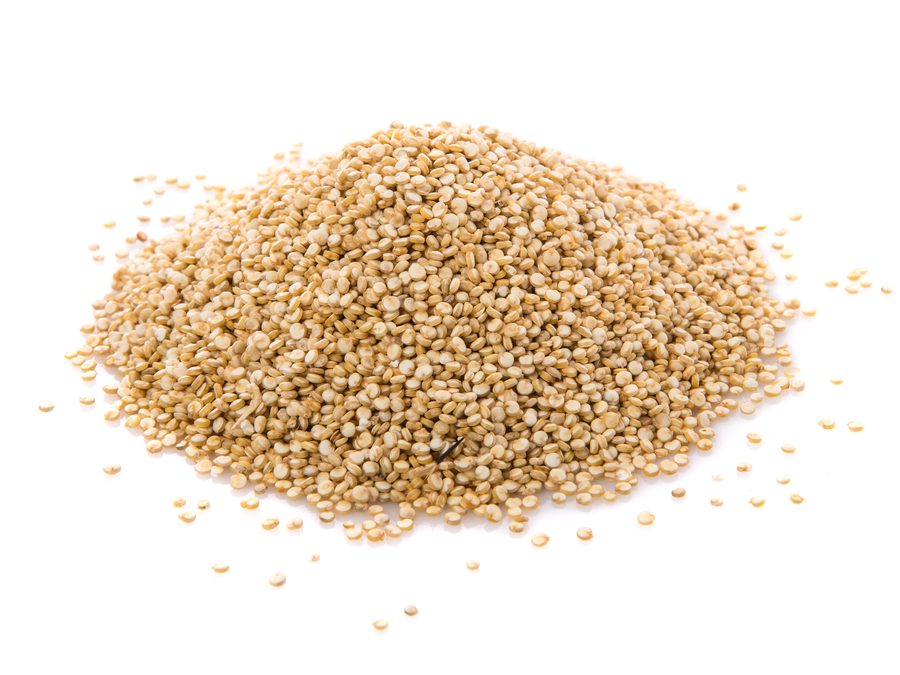
Quinoa
A complete plant protein with real iron — and a rinse step you should not skip.
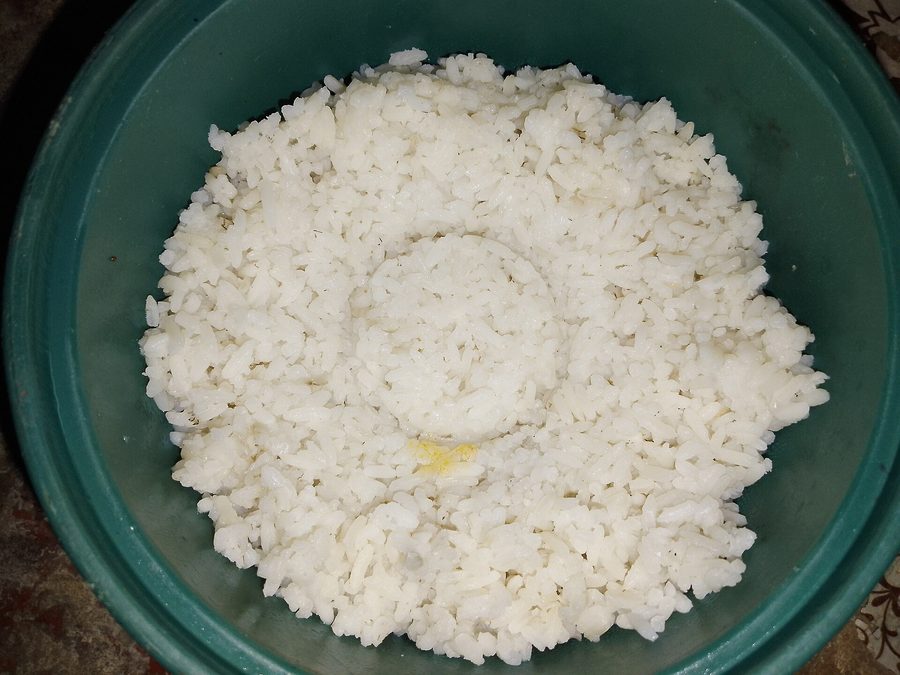
Grains
Rice
Perfectly fine for babies — as one grain among several, not the only one.
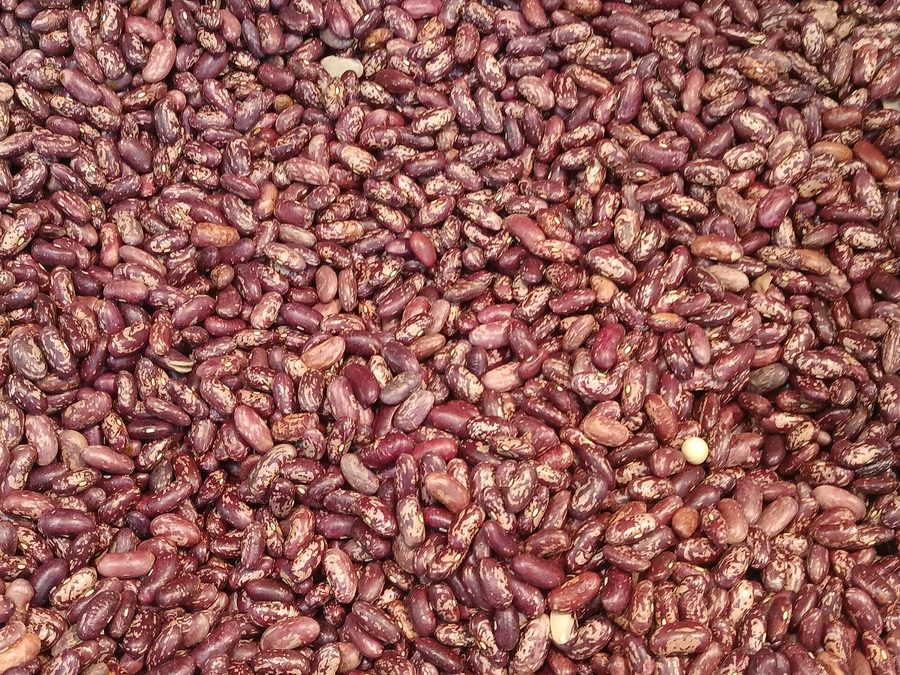
Beans & legumes
Kidney beans
High in iron, and the one bean with a genuine rule about undercooking.
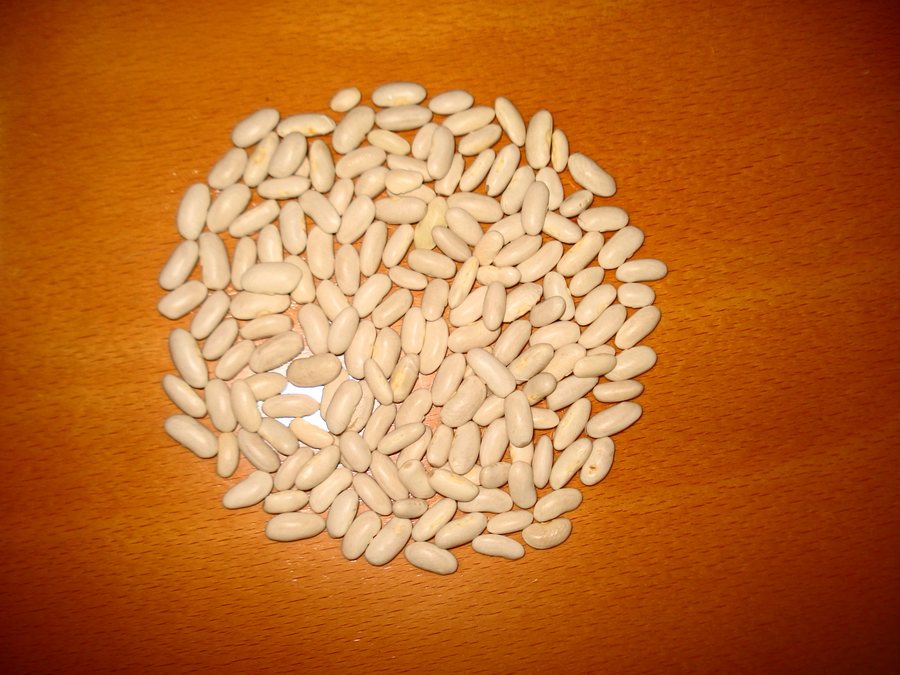
Beans & legumes
White beans
The creamiest bean to mash — cannellini and butter beans go smooth with almost no effort.
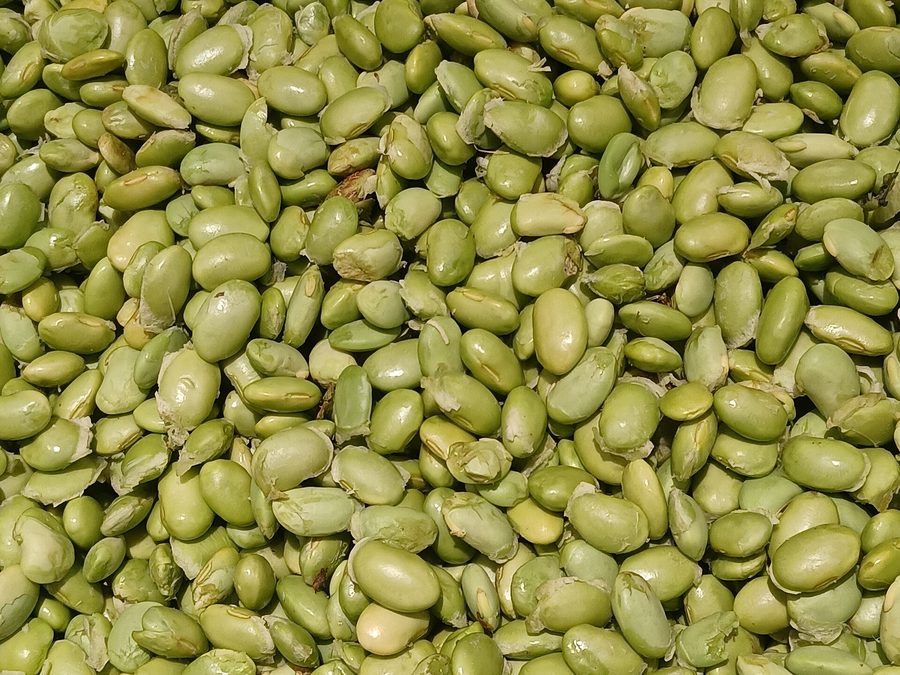
Beans & legumes
Edamame
A whole-food soy introduction — squash the beans and never serve the pod.
Beans & legumes
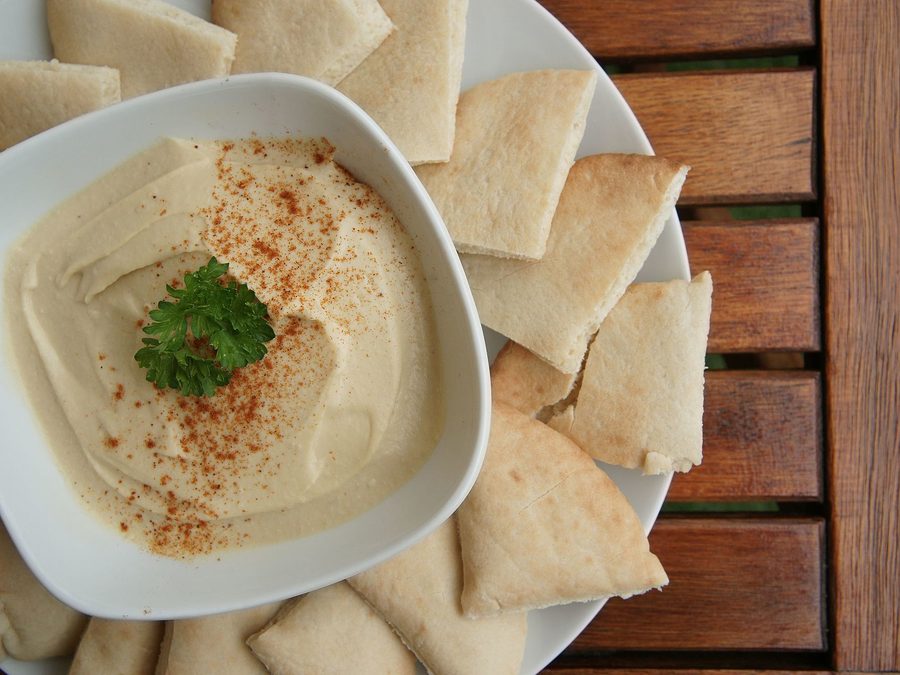
Hummus
Iron, protein and a sesame introduction in one scoopable dip.
Dairy & eggs
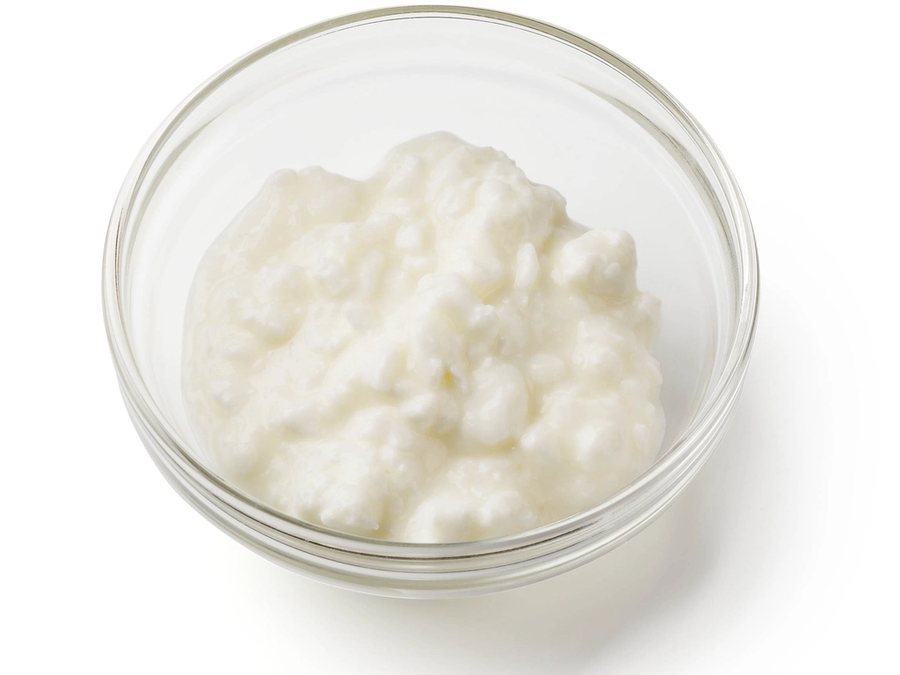
Cottage cheese
Soft, high in protein and much lower in salt than hard cheese.
Vegetable
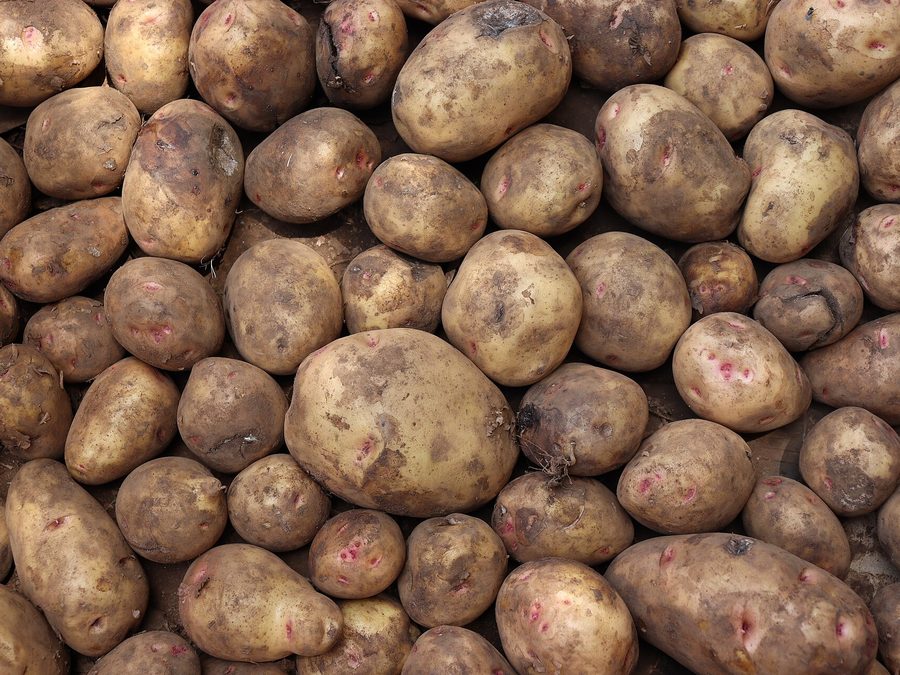
Potato
Mash it, roast it, or hand over a soft wedge — the most forgiving vegetable there is.
Vegetable
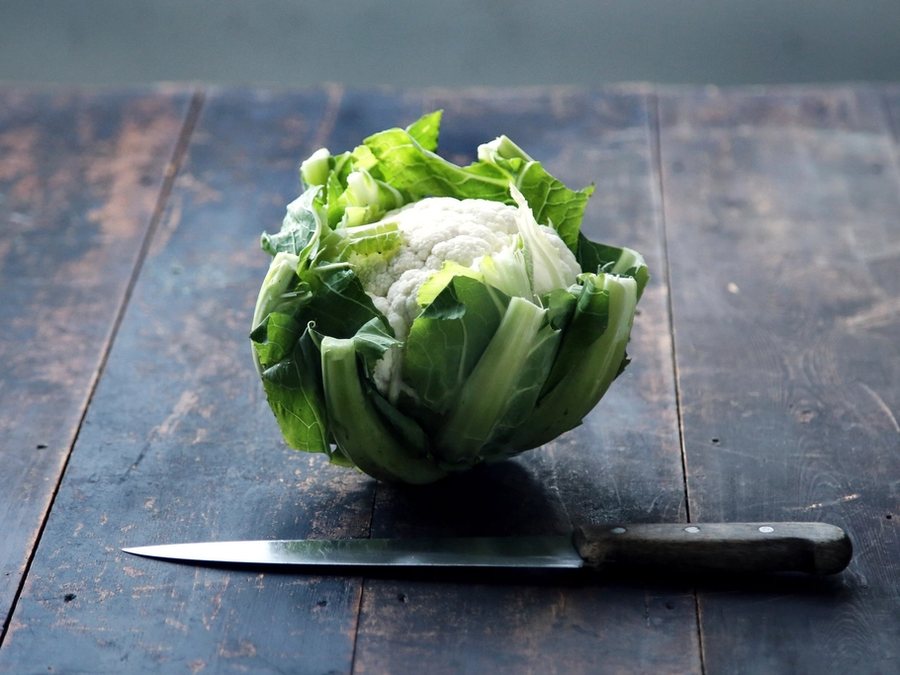
Cauliflower
A steamed floret is a built-in handle — the milder cousin of broccoli.
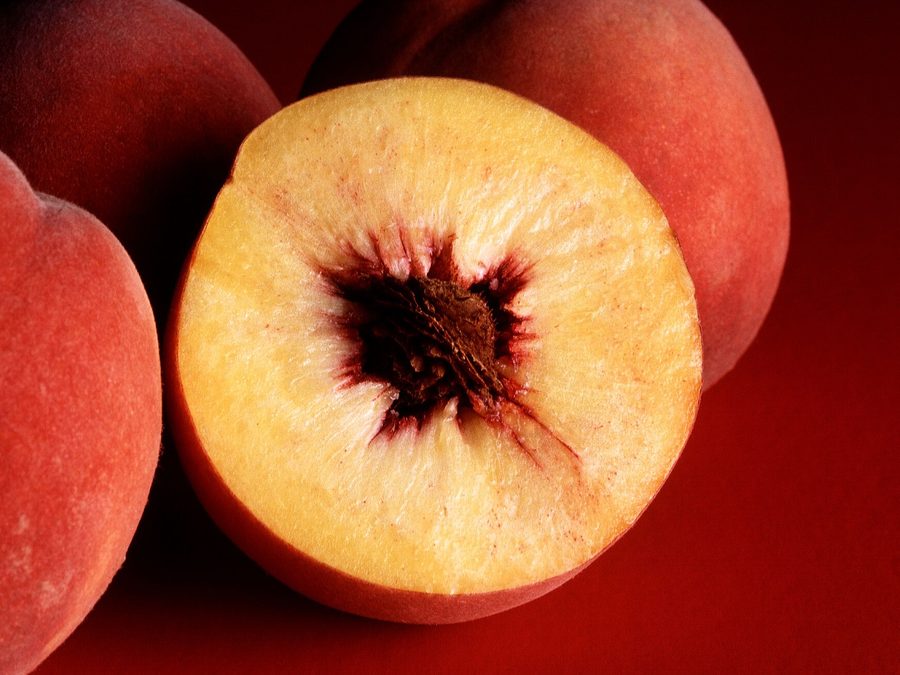
Fruit
Peach
Ripe peach is soft enough to serve raw — and the stone must always come out.
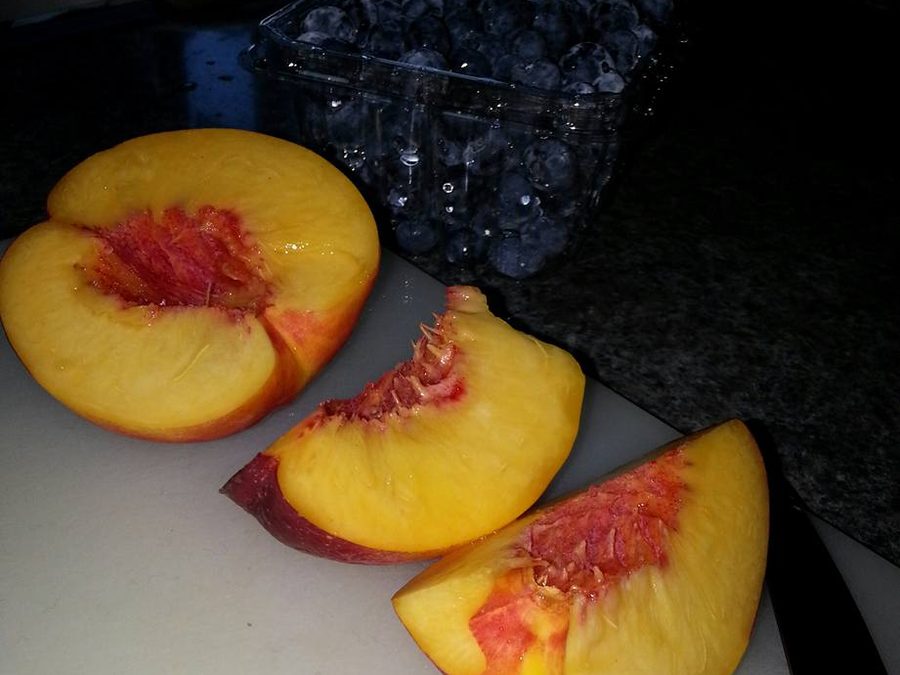
Fruit
Nectarine
A peach without the fuzz — same rules, same stone, no peeling debate.
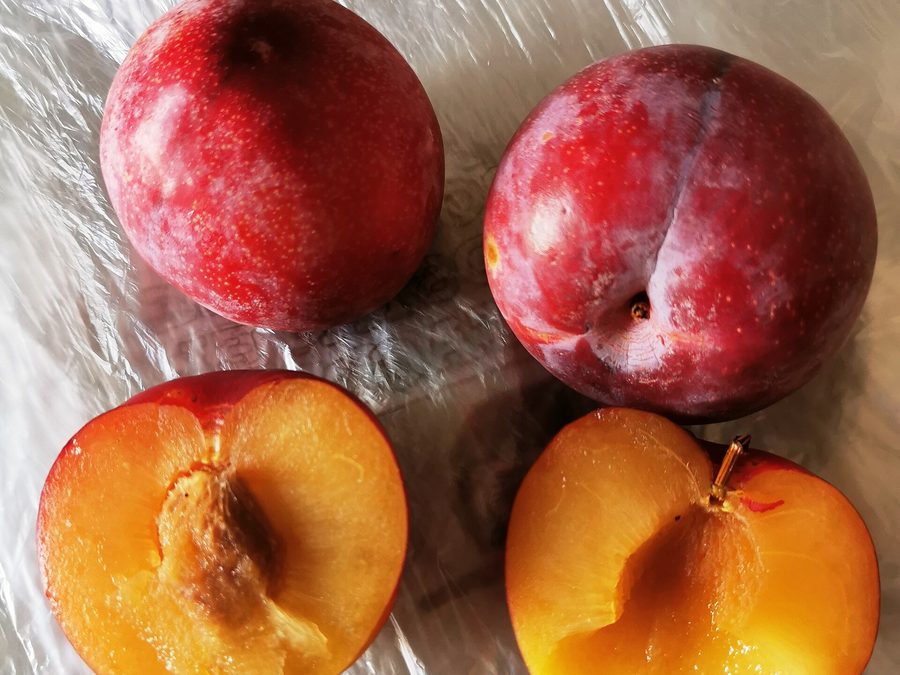
Fruit
Plum
Naturally laxative, reliably soft when ripe — and the stone is not optional.
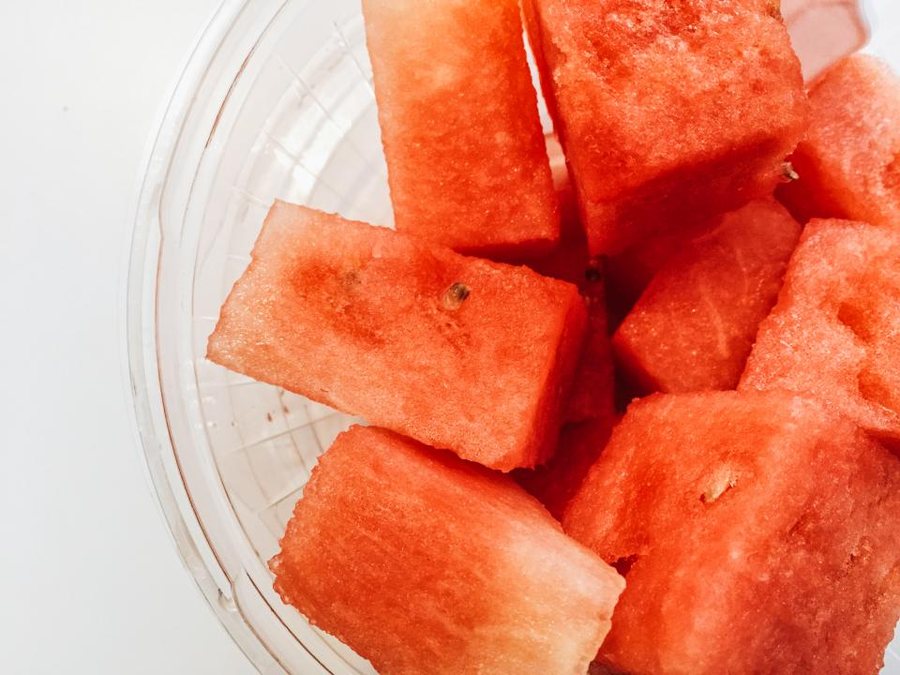
Fruit
Watermelon
Hydrating and easy — but slipperier than it looks, and never in chunks.
Fruit
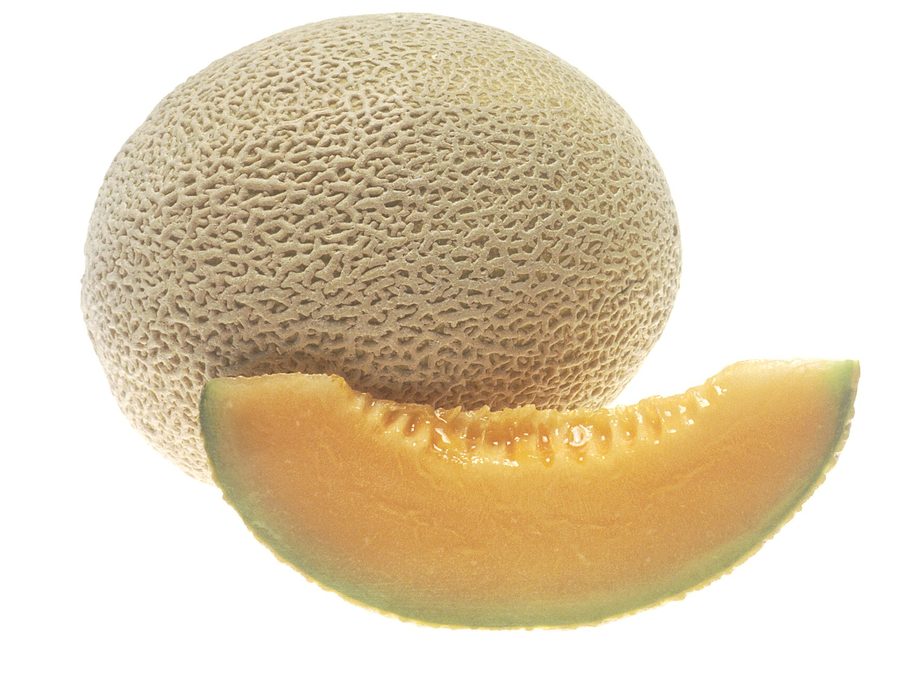
Cantaloupe
High in vitamin A, soft when ripe — and worth washing the rind before you cut it.
Fruit
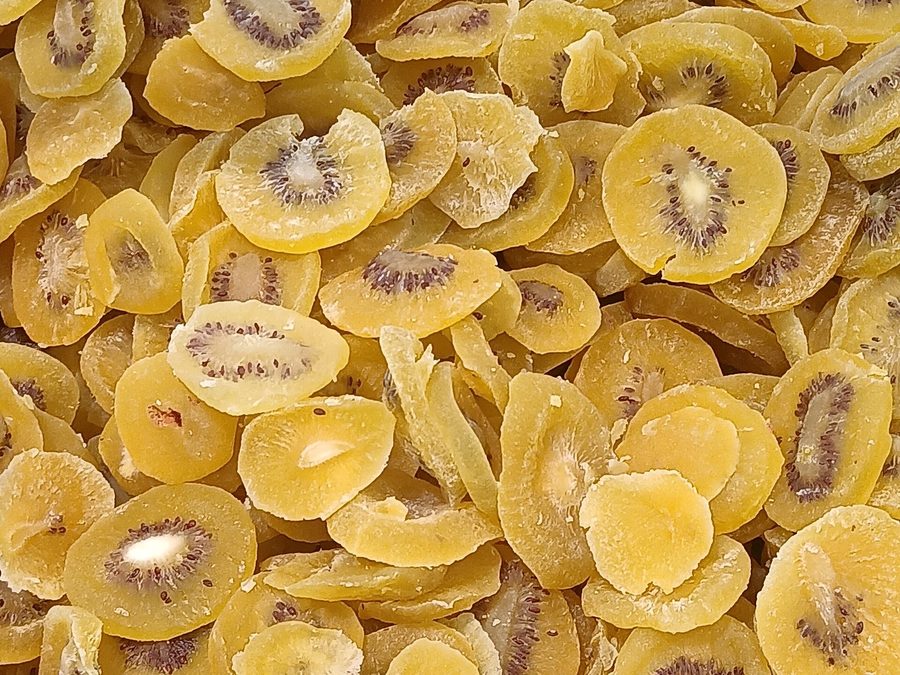
Kiwi
More vitamin C than an orange, and the enzyme that makes some babies' mouths tingle.
Fruit
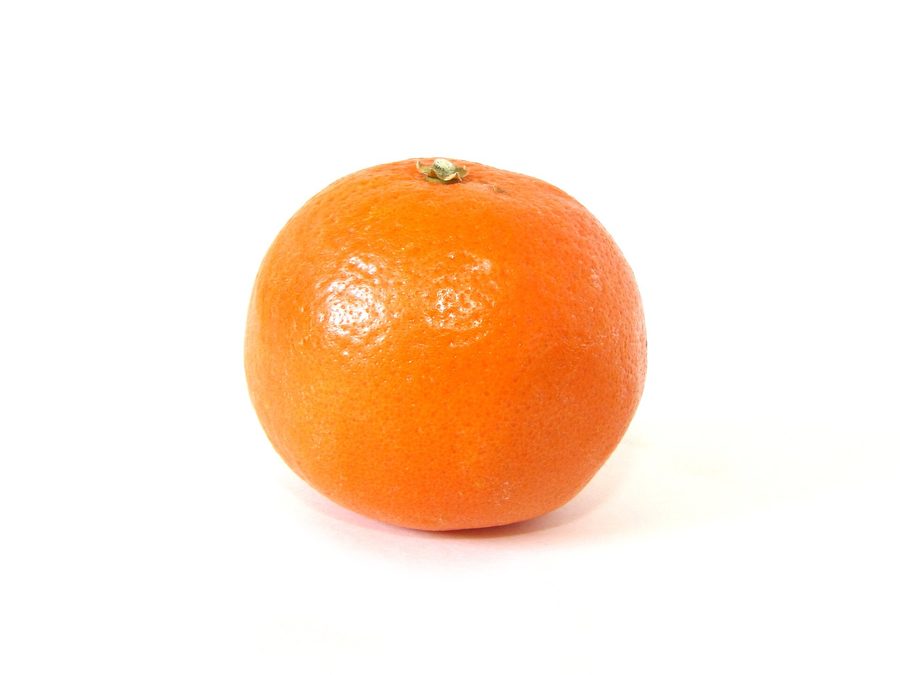
Orange
Vitamin C for iron absorption — segment it, membrane and all removed.
Fruit
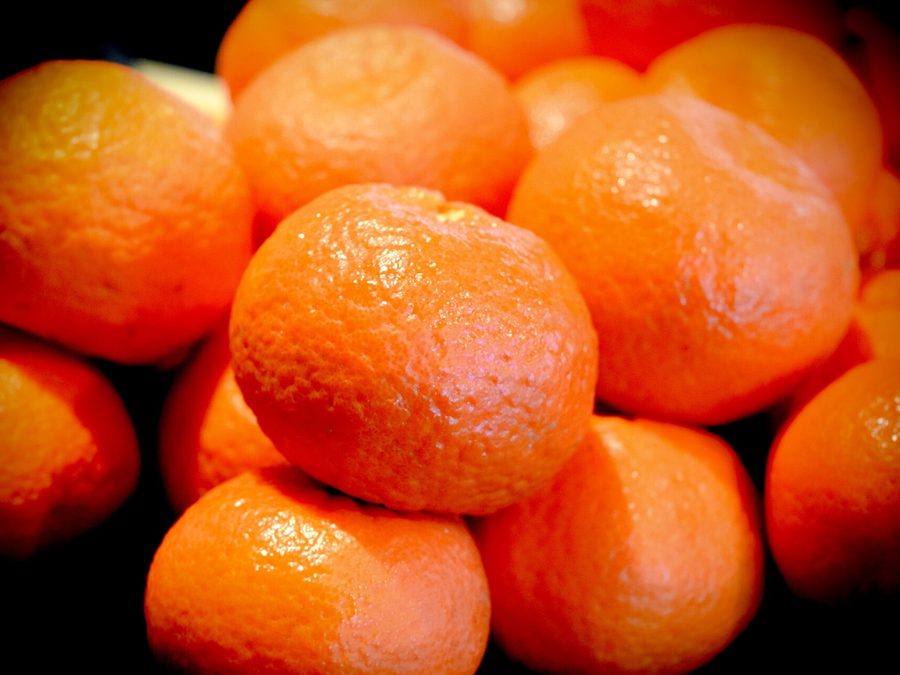
Clementine
Easier to peel than an orange, and the segments are already baby-sized.
Fruit
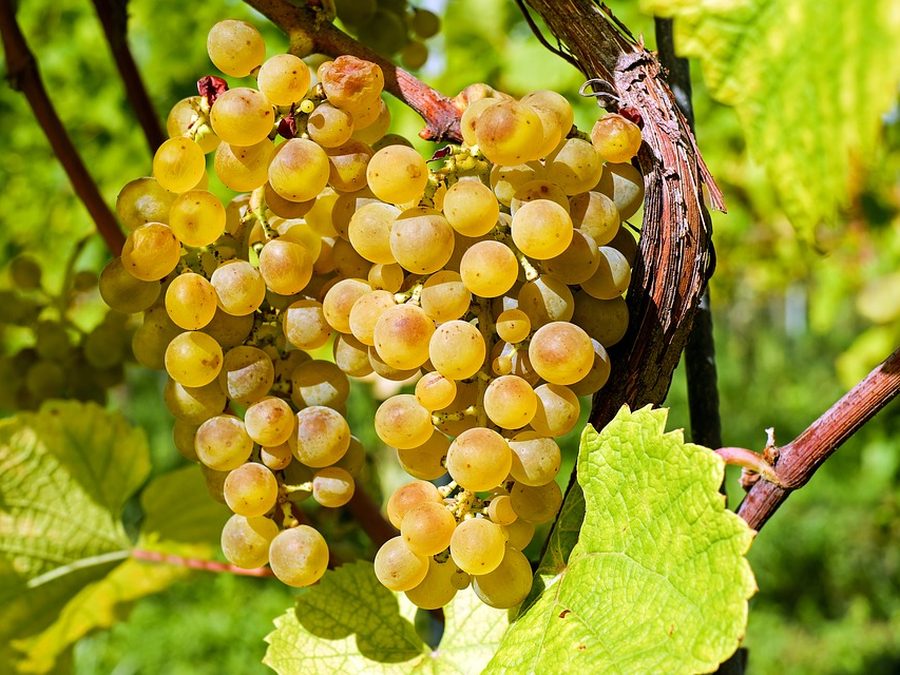
Grape
The single most-cited choking hazard in child feeding. Quarter them lengthways, every time.
Fruit
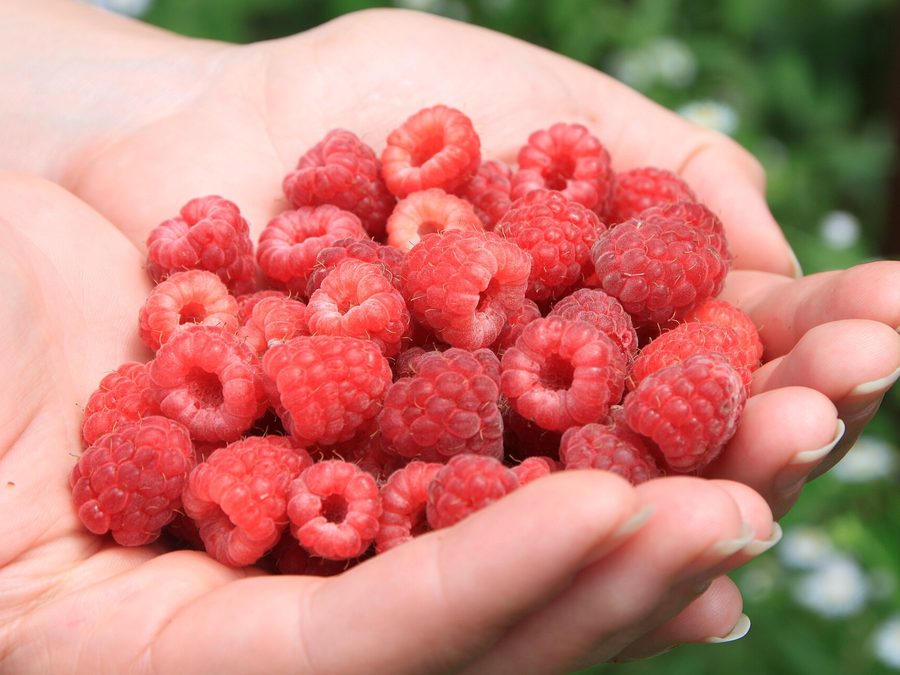
Raspberry
Soft enough to serve whole from the start — one of the few berries that is.
Fruit
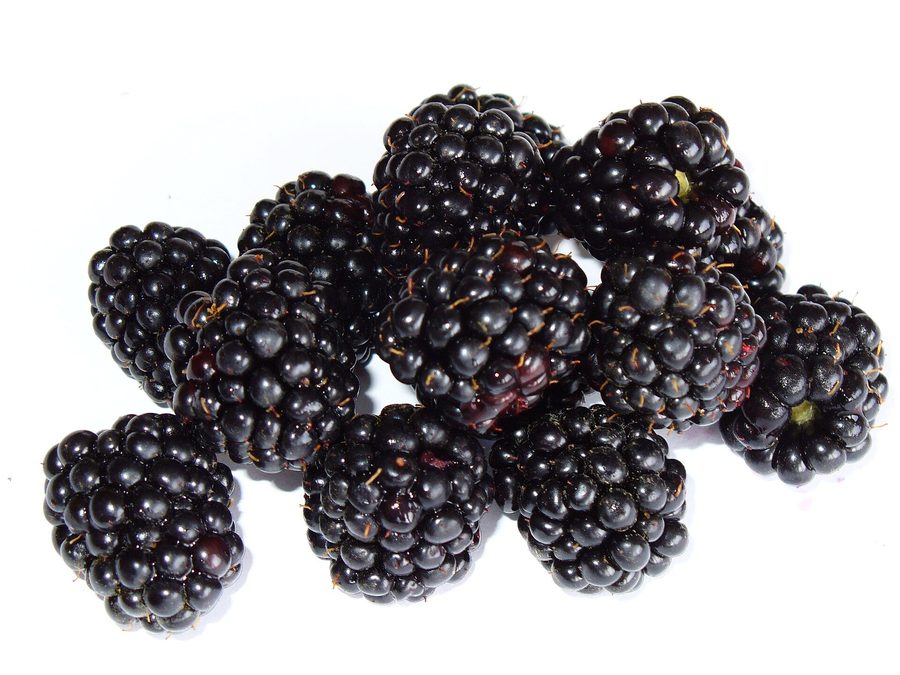
Blackberry
Soft, high in fibre and it stains everything it touches.
Fruit
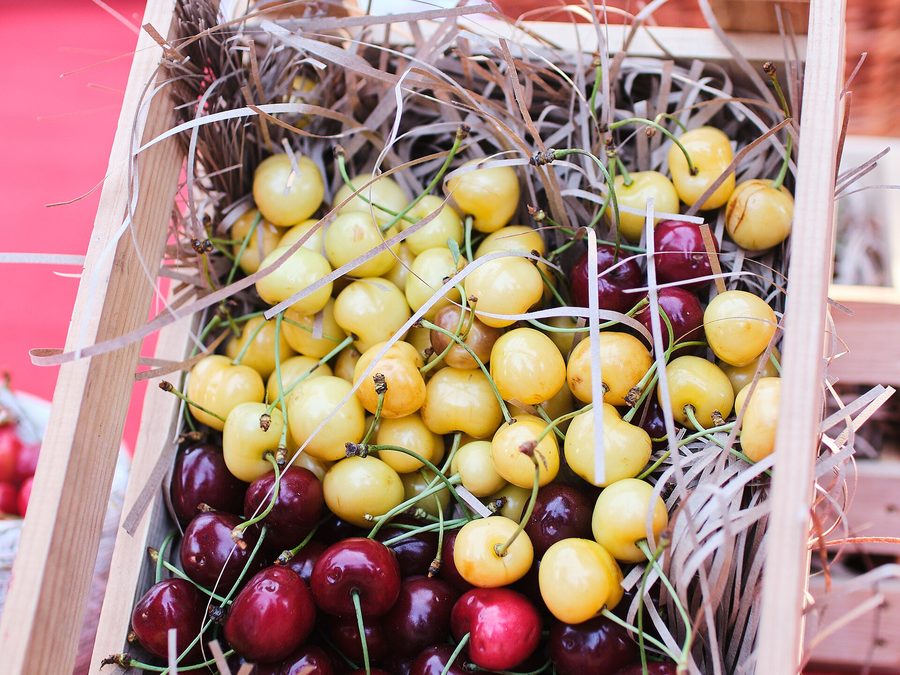
Cherry
Delicious and firmly in the grape hazard class — pit them and quarter them.
Fruit
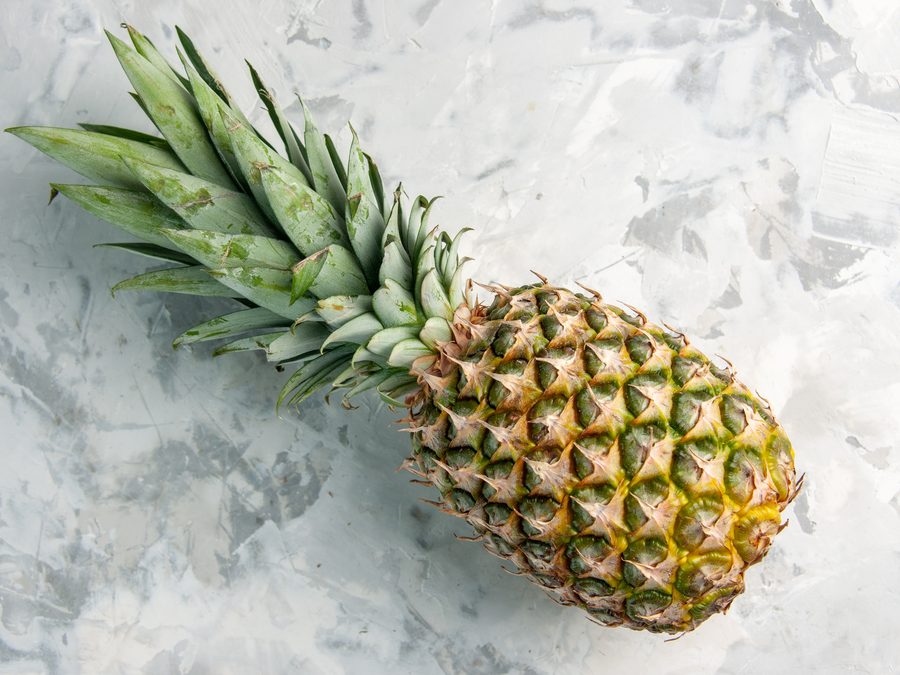
Pineapple
Very high in vitamin C, and acidic enough to redden most babies' chins.
Fruit
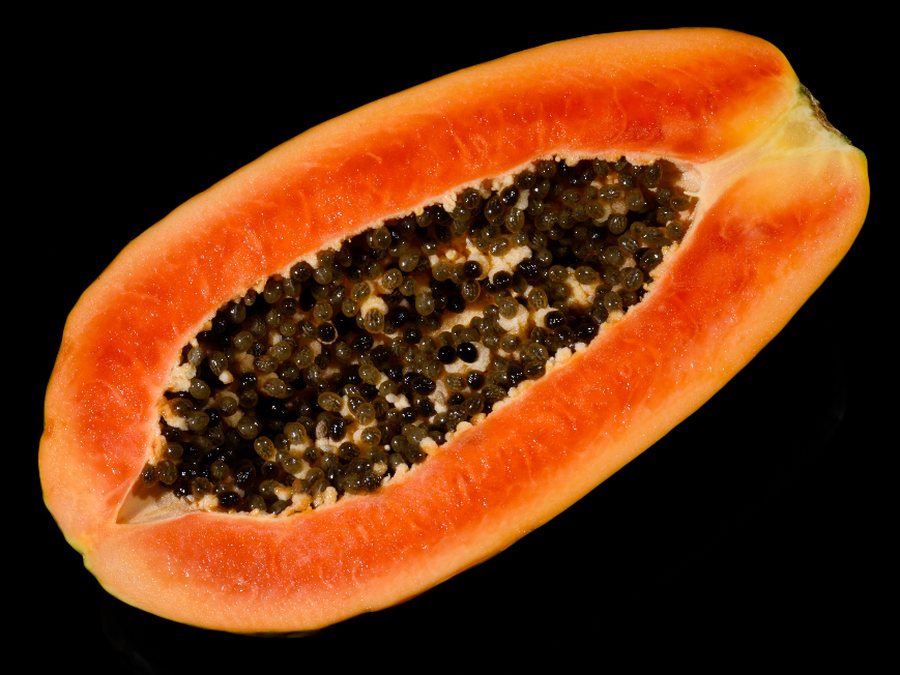
Papaya
Soft as butter when ripe — one of the gentlest fruits on a new digestive system.
Fruit
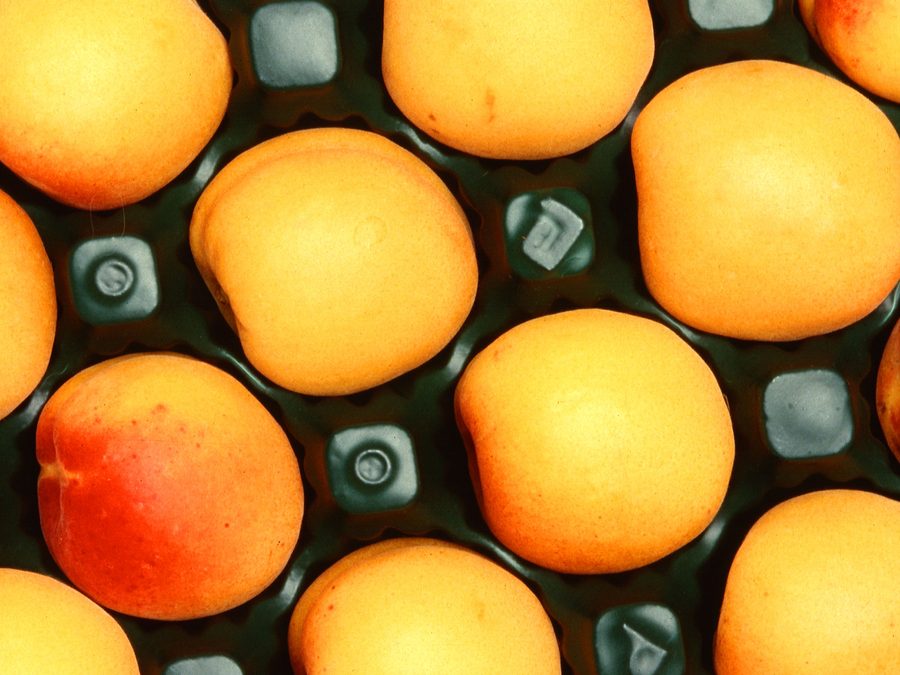
Apricot
Fresh or dried — and dried apricot is one of the better iron-bearing fruits.
Fruit
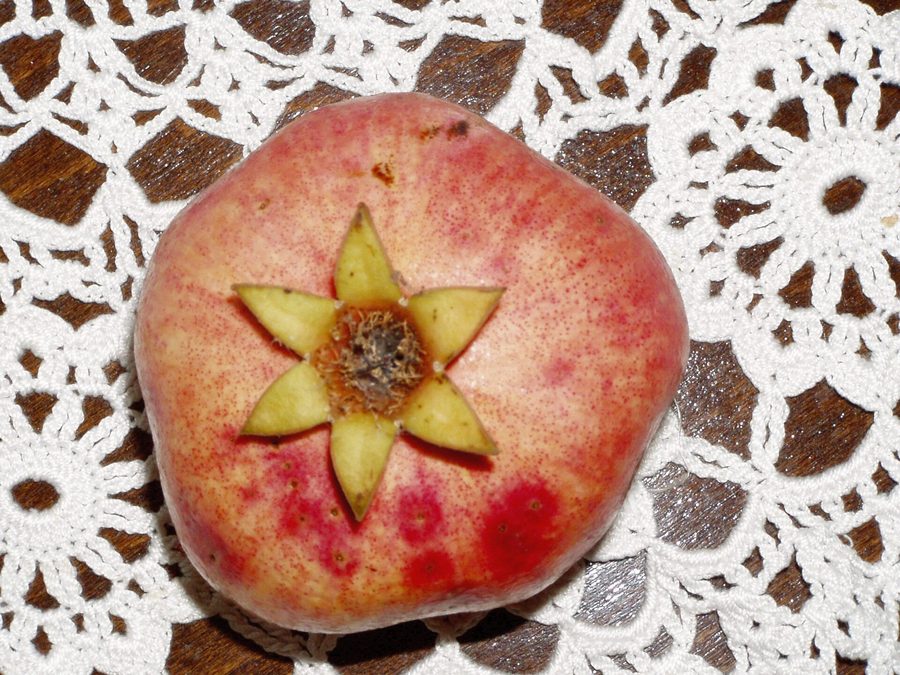
Pomegranate
The seeds inside the arils are hard — this one needs more care than it looks.
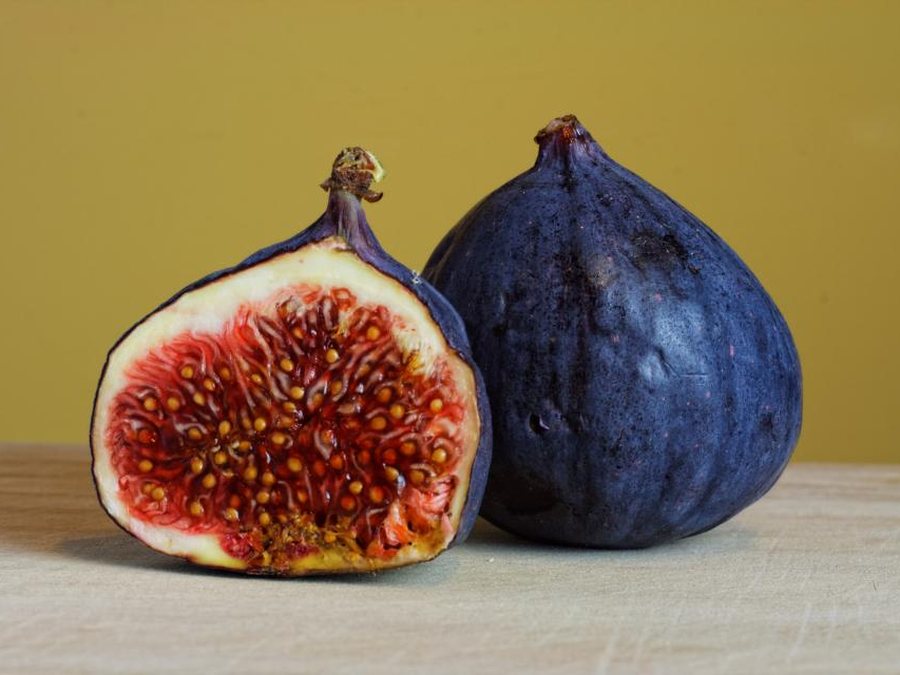
Fruit
Fig
Fresh figs are soft and sweet; dried figs need chopping and carry real calcium.
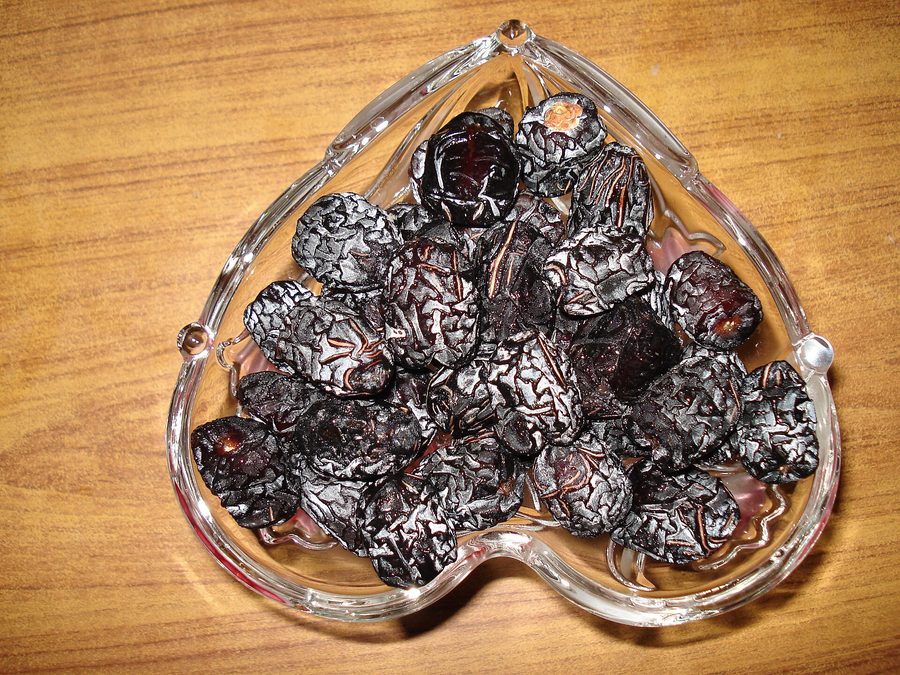
Fruit
Dates
A natural sweetener with iron and fibre — always pitted, always chopped or puréed.
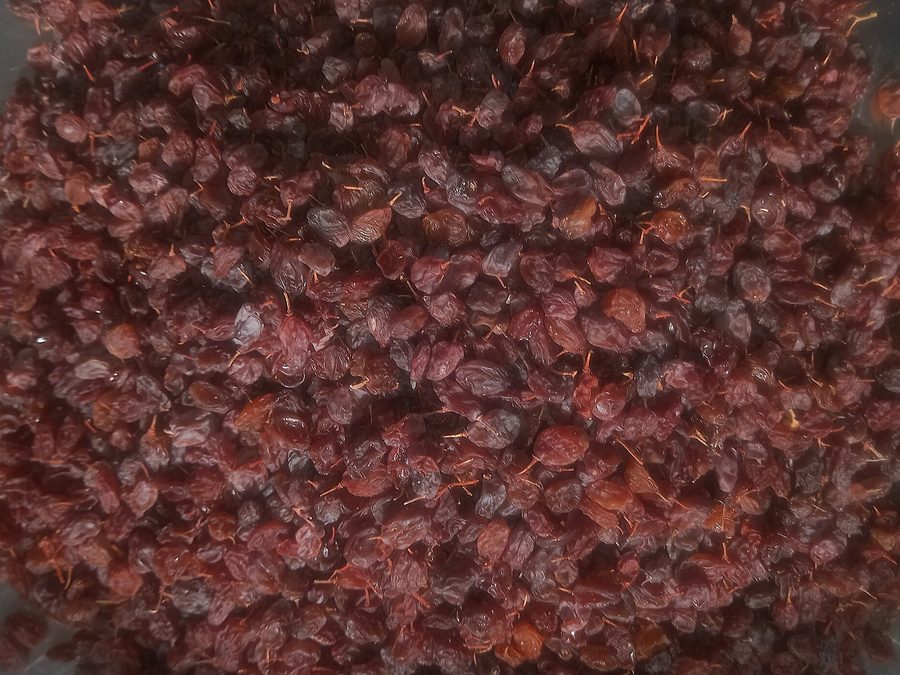
Fruit
Raisins
Small, sticky and easy to inhale — one of the most commonly mishandled toddler snacks.
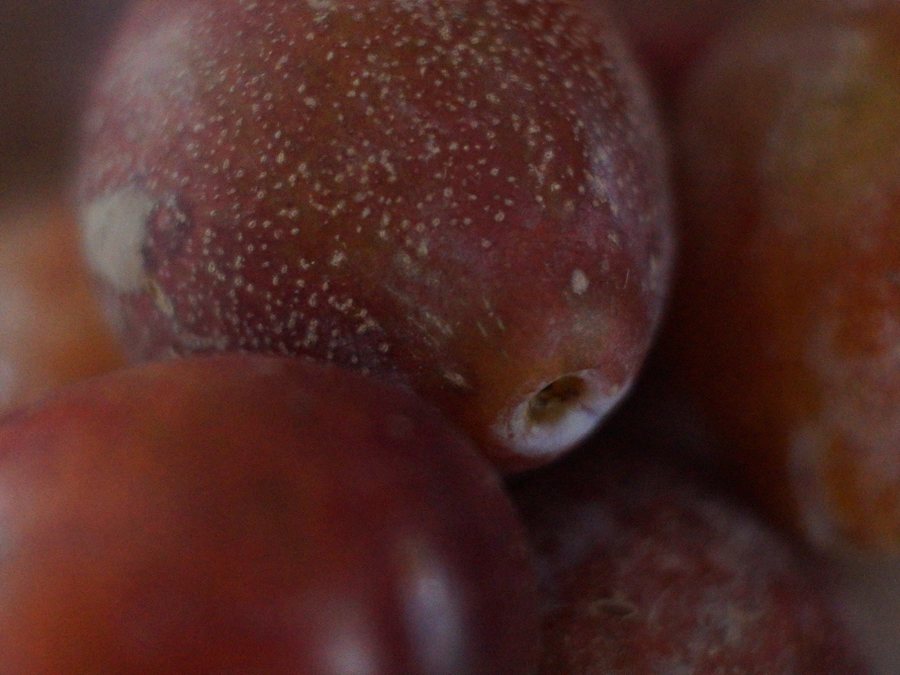
Fruit
Prune
The most reliable food answer to a constipated baby.
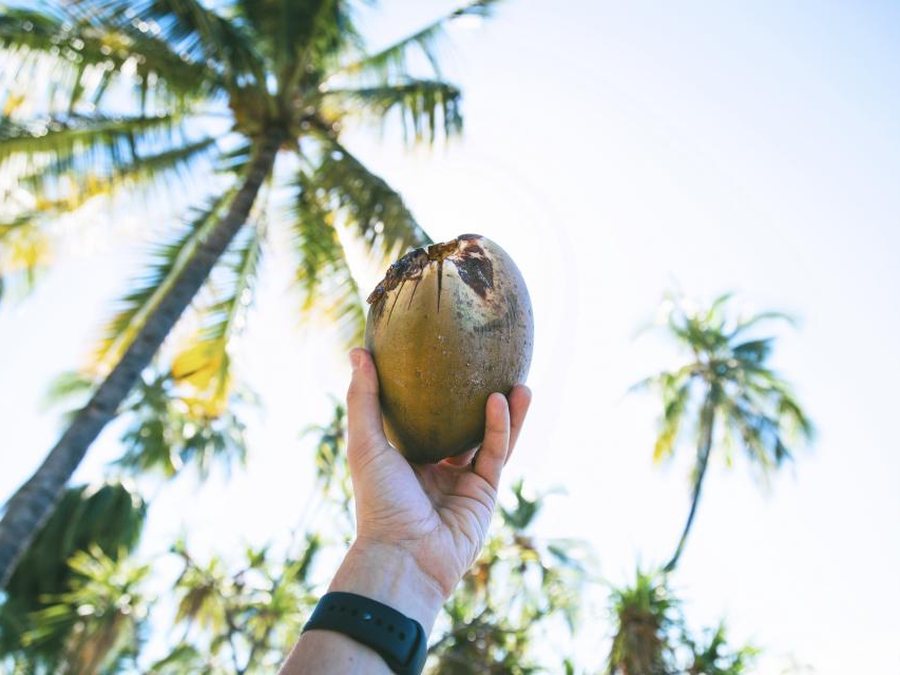
Fruit
Coconut
Fine as a food, useless as a milk substitute — the two get confused constantly.
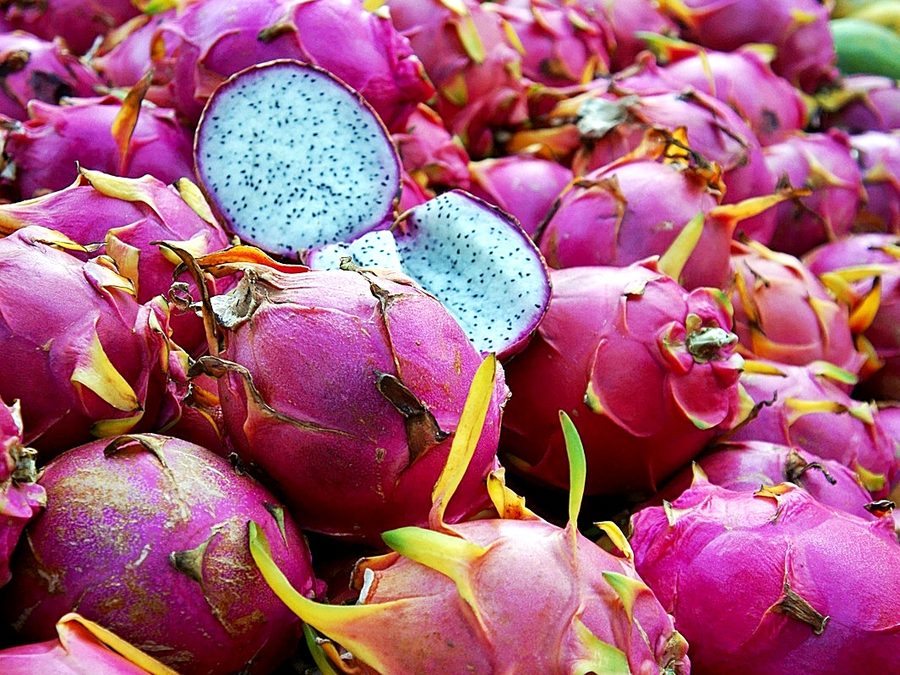
Fruit
Dragon fruit
Soft, mild and full of tiny harmless seeds — an easy fruit that looks difficult.
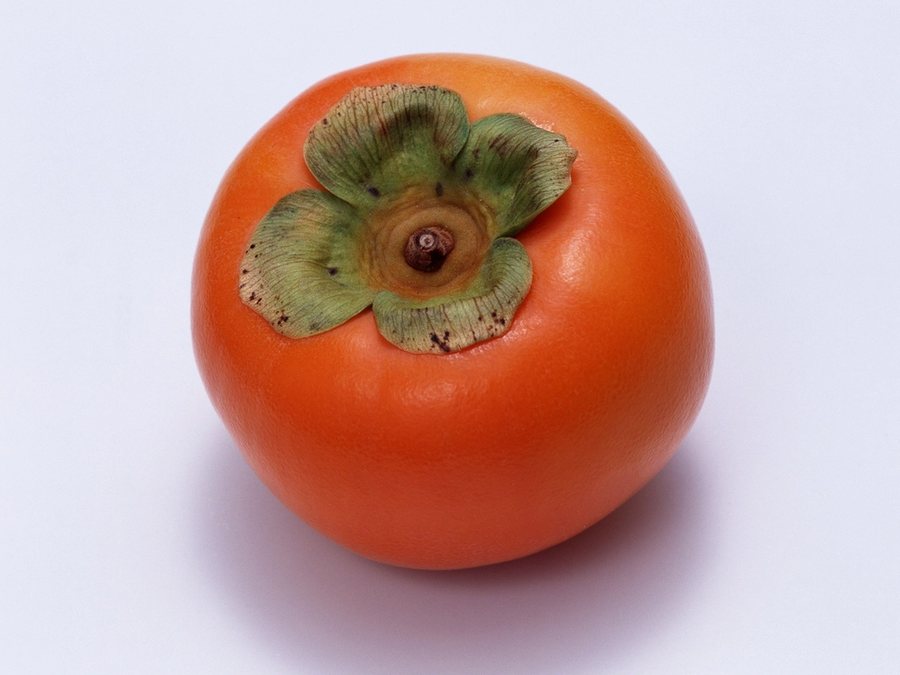
Fruit
Persimmon
Ripe fuyu persimmon is soft and sweet; unripe is astringent enough to be unpleasant.
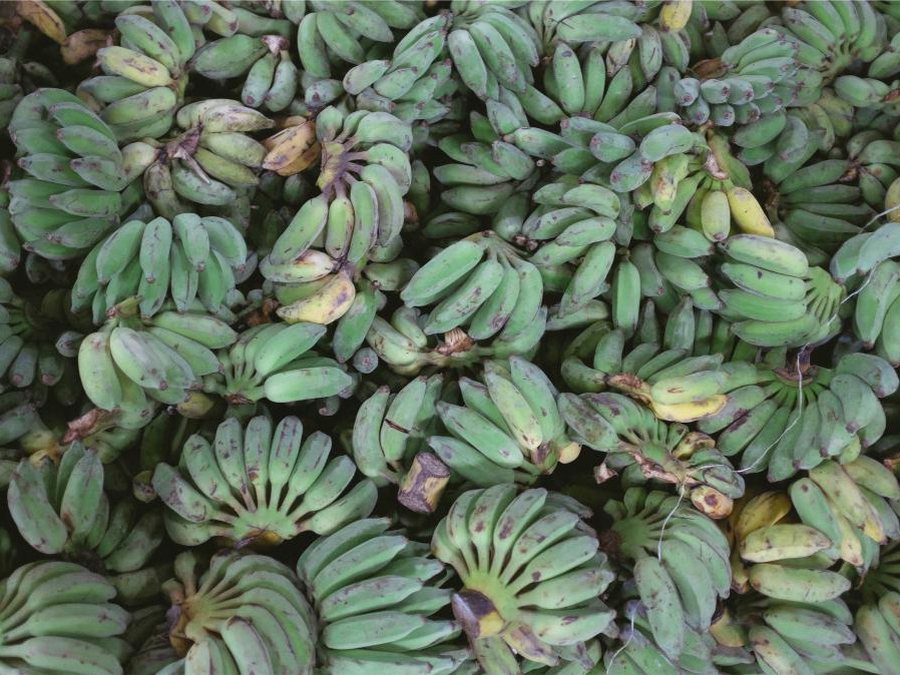
Fruit
Plantain
A starchy staple that has to be cooked — nothing like a banana in practice.
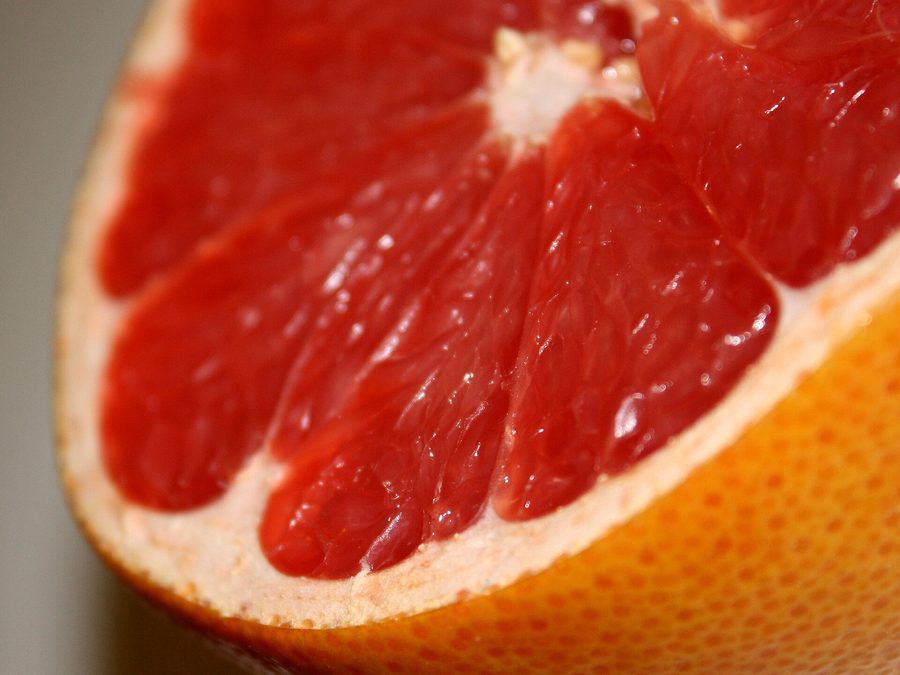
Fruit
Grapefruit
High in vitamin C, sharply acidic, and worth checking against any medication.
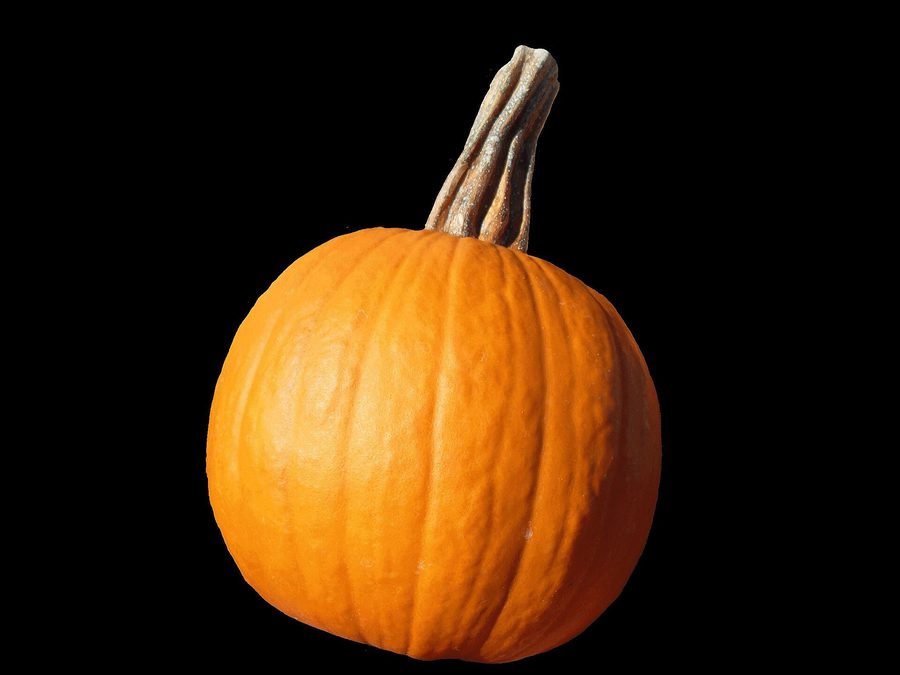
Vegetable
Pumpkin
Vitamin A in bulk — and tinned pumpkin purée is a legitimate shortcut.
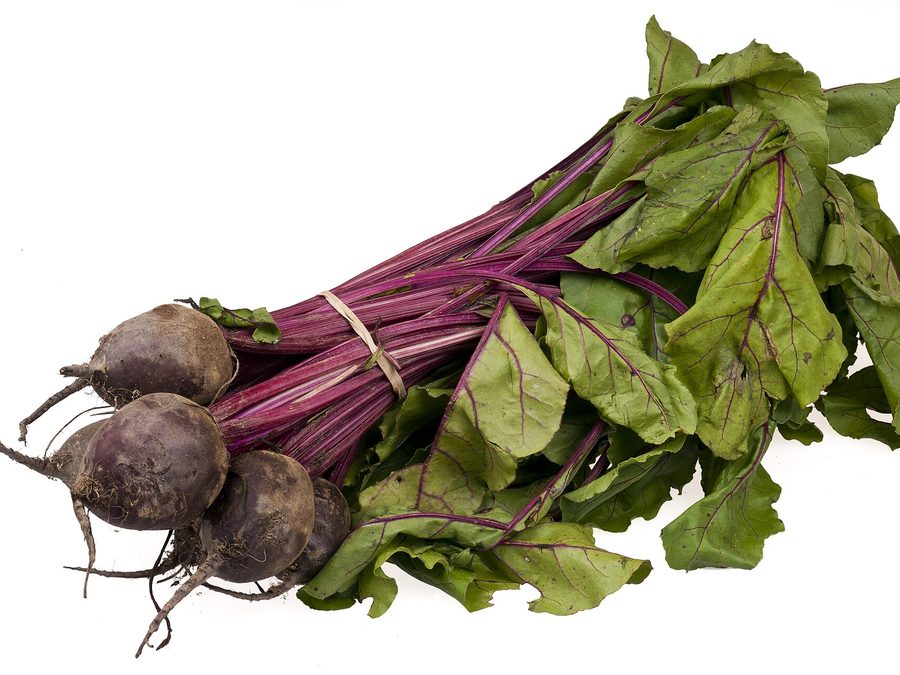
Vegetable
Beetroot
Earthy, iron-bearing and it will turn the next nappy an alarming colour.
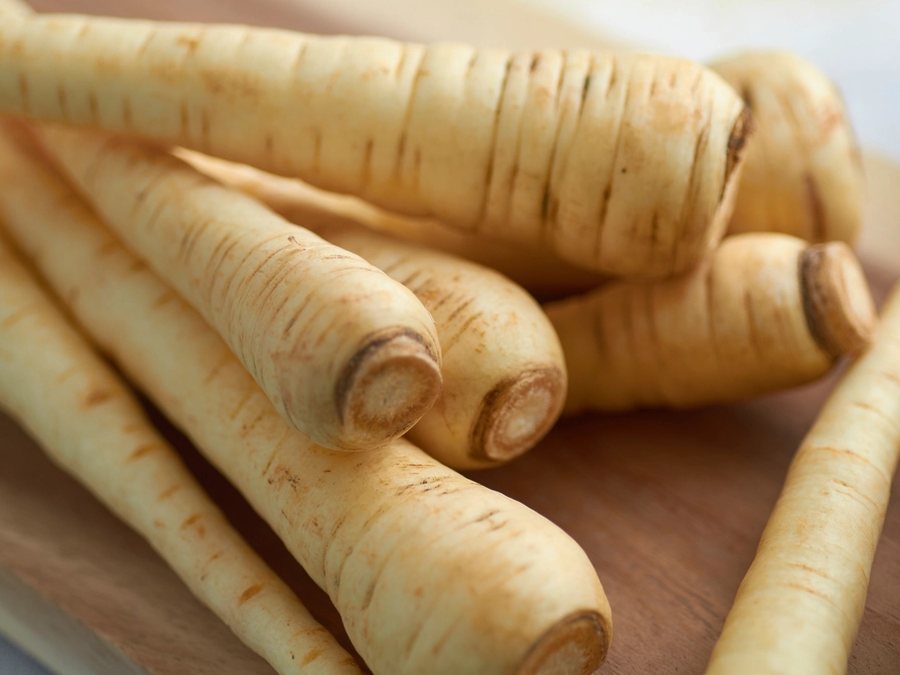
Vegetable
Parsnip
Sweeter than carrot when roasted, and soft enough to serve as a spear.
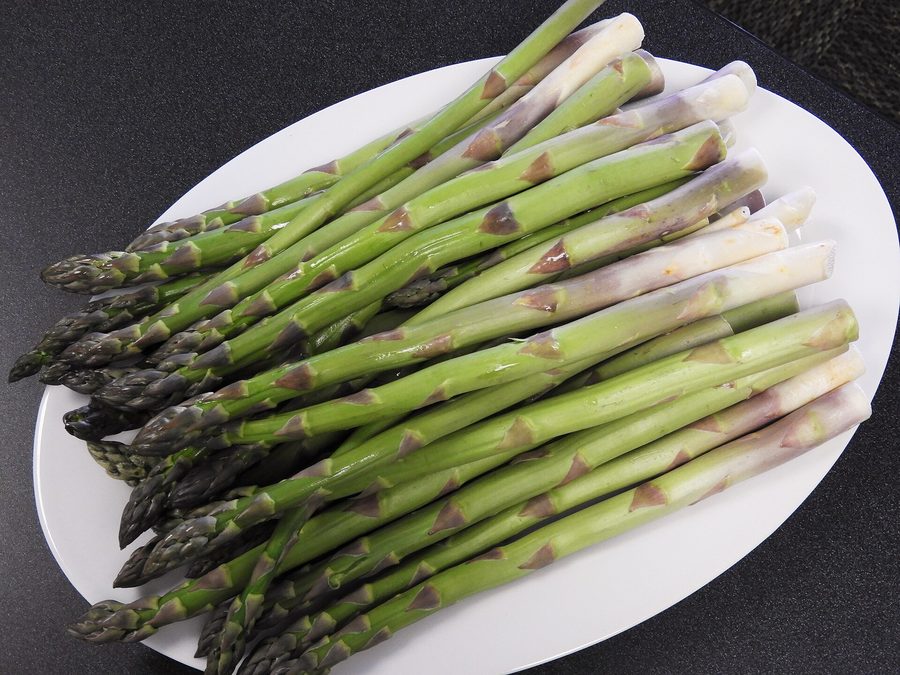
Vegetable
Asparagus
Naturally spear-shaped, high in folate, and it announces itself in the nappy.
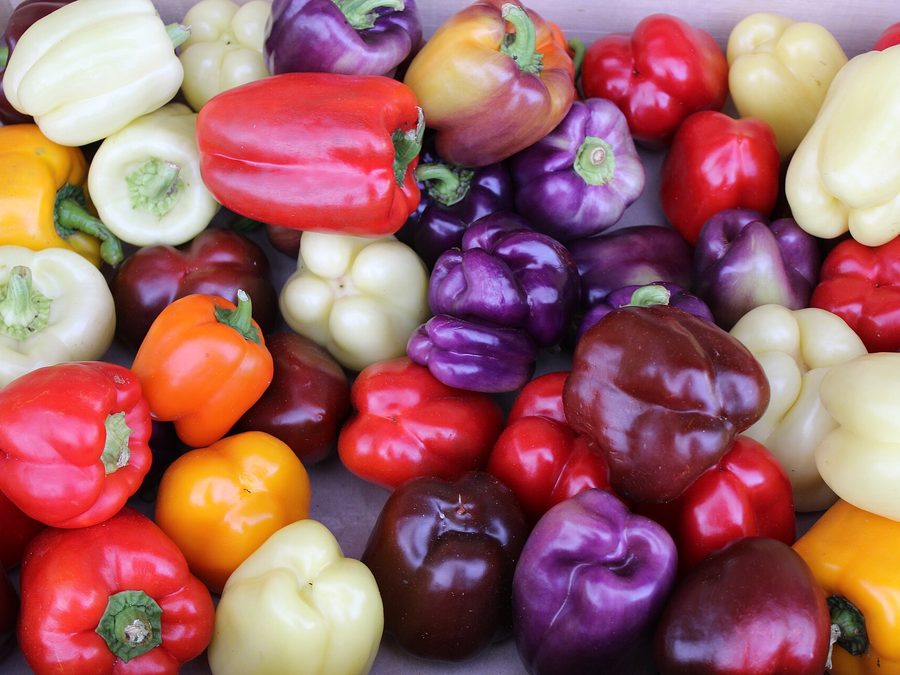
Vegetable
Bell pepper
More vitamin C than an orange — the single best vegetable to pair with an iron food.
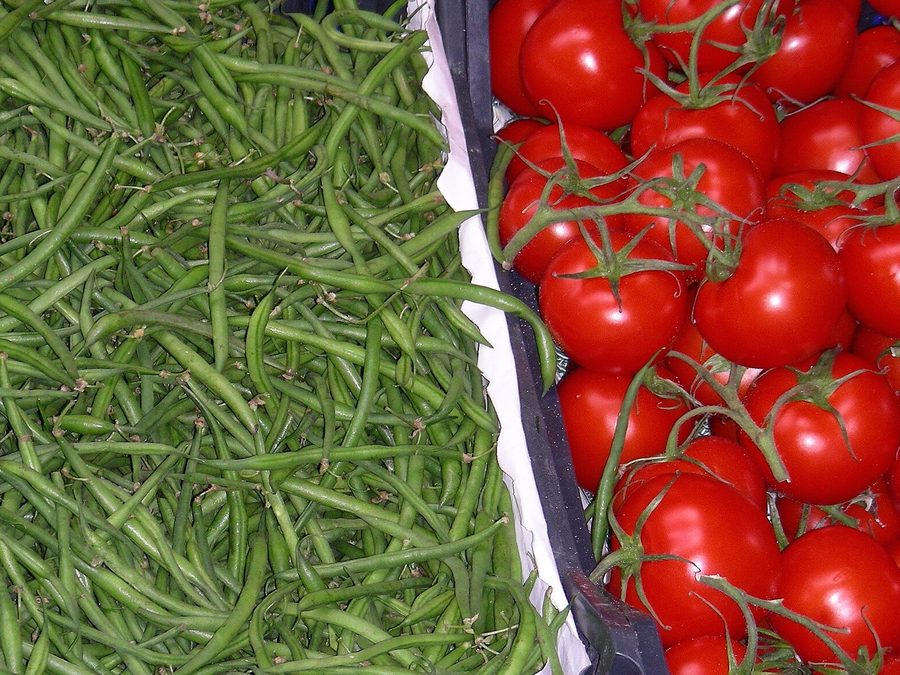
Vegetable
Tomato
Vitamin C for iron absorption — and cherry tomatoes are in the grape hazard class.
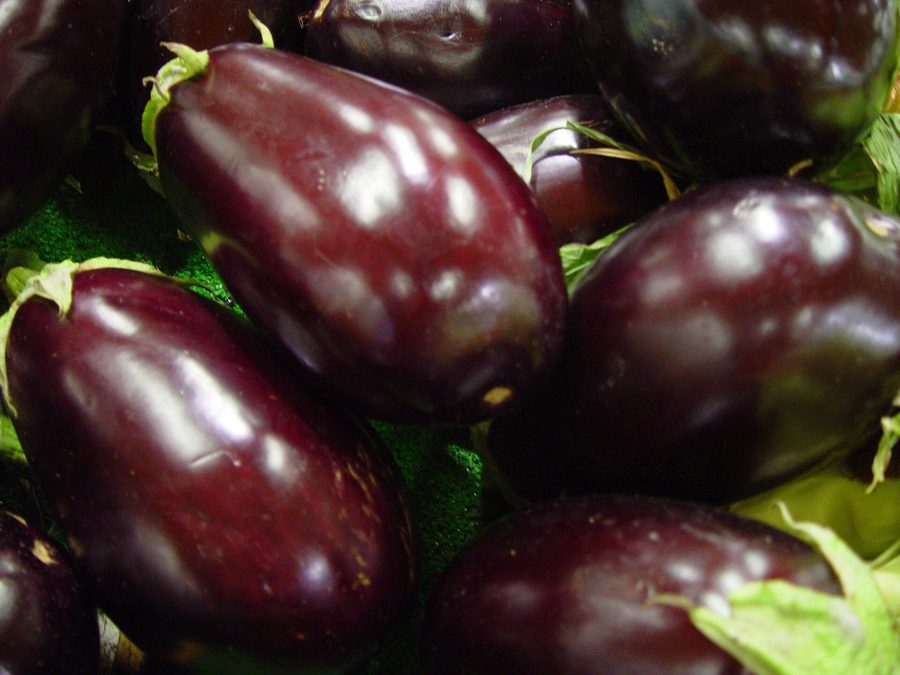
Vegetable
Aubergine
Silky when roasted, bitter and spongy when not — cooking method decides this one.
Vegetable
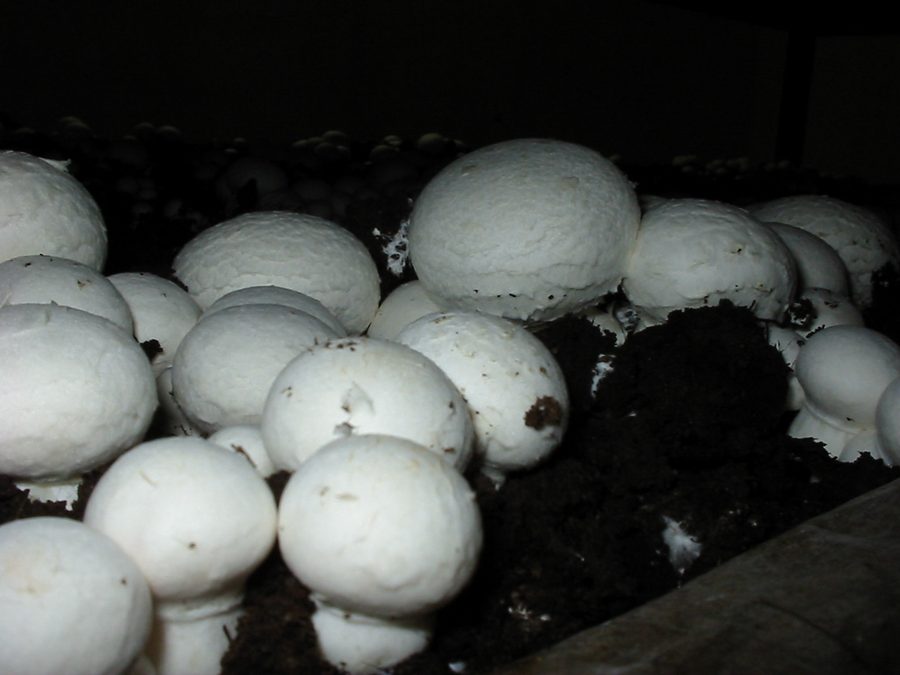
Mushroom
One of the very few food sources of vitamin D — but only if it has seen sunlight.
Vegetable
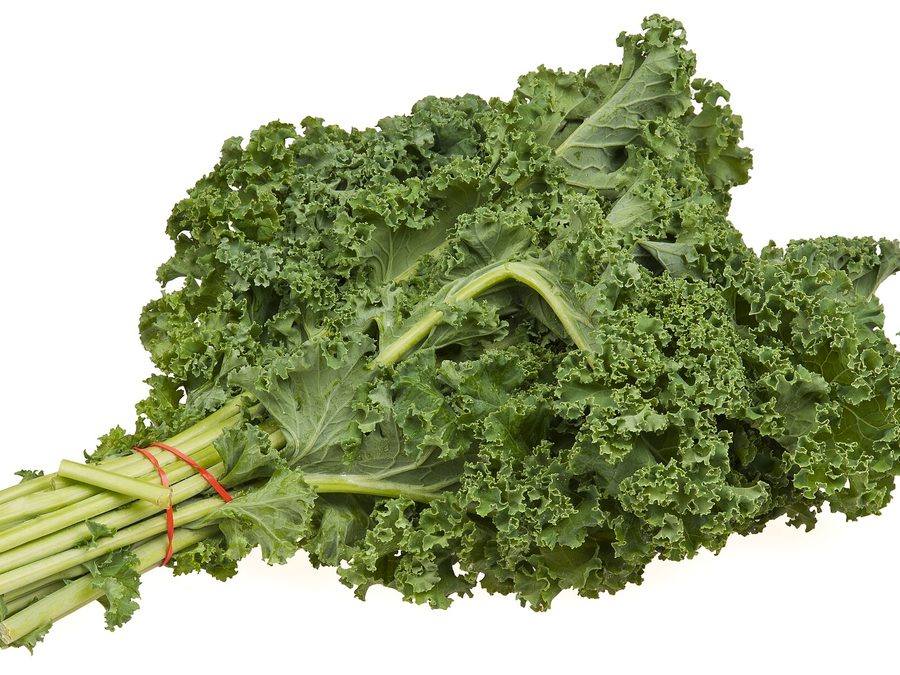
Kale
A dark green with real iron and calcium — and much lower in oxalates than spinach.
Vegetable
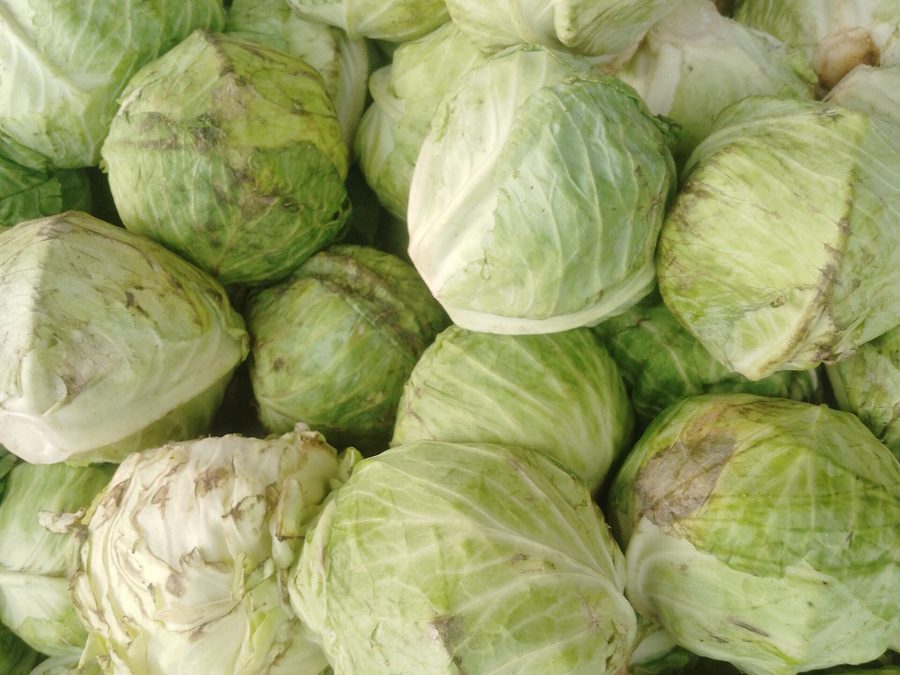
Cabbage
Cheap, keeps forever, and cooks down to a texture a baby can handle.
Vegetable
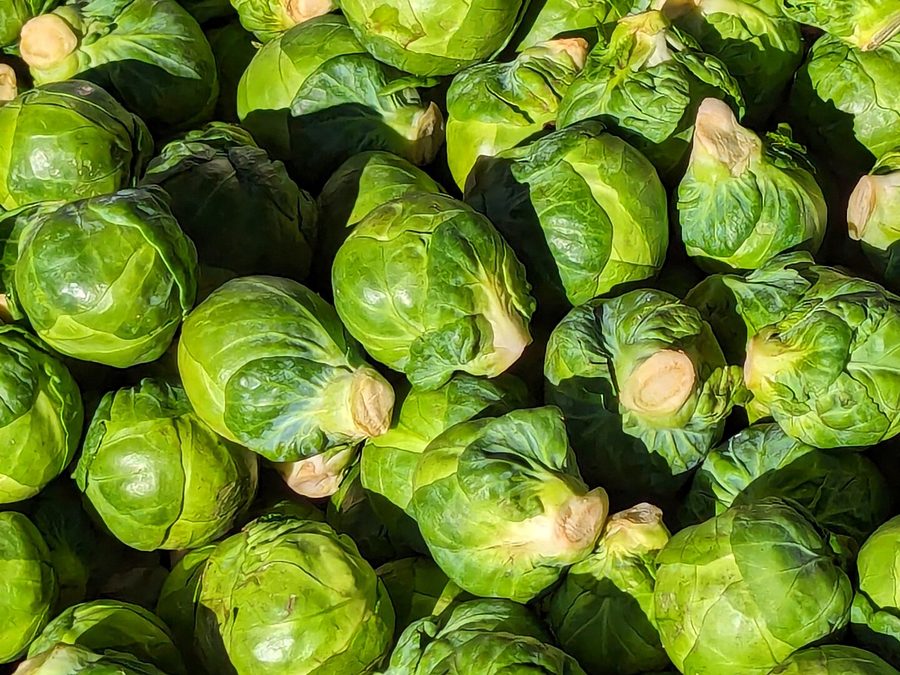
Brussels sprouts
Bitter to adults, often fine to babies — introduce them early while the window is open.
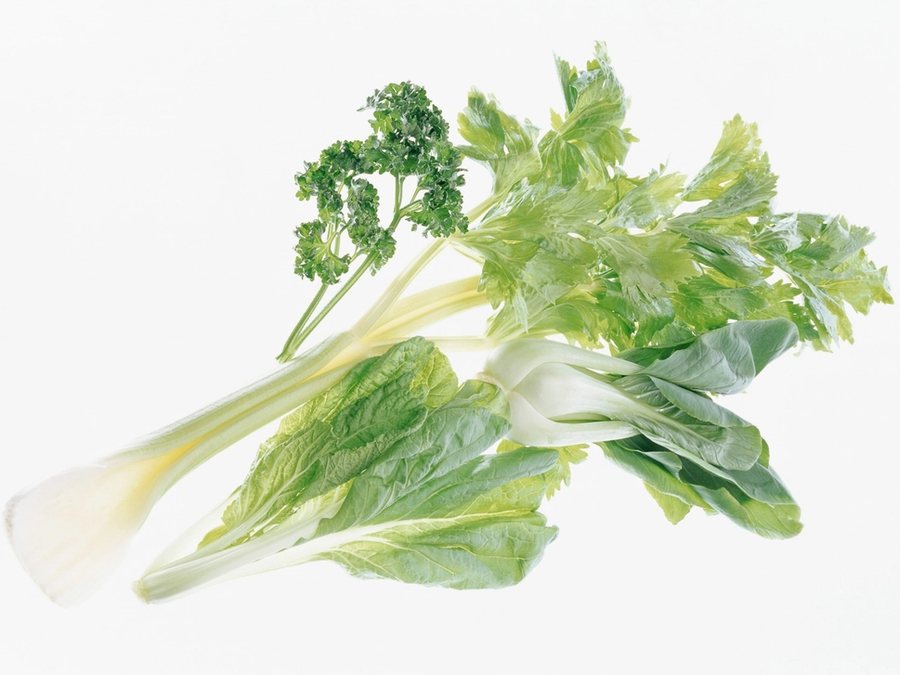
Vegetable
Bok choy
A leafy green with well-absorbed calcium and a stem that cooks in three minutes.
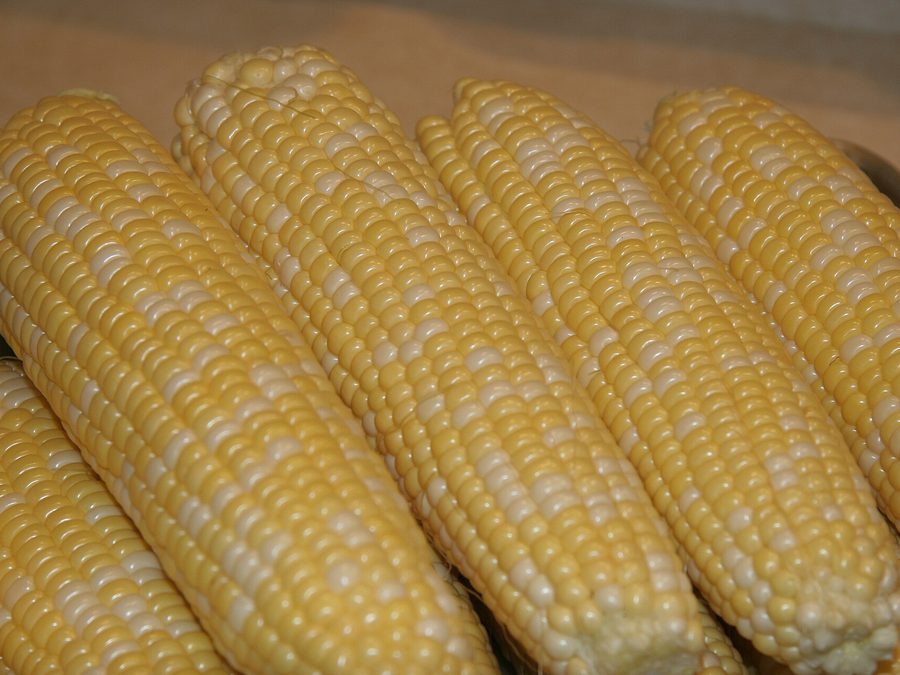
Vegetable
Corn
Loose kernels are a hazard; a cob section is one of the best hand-held foods there is.
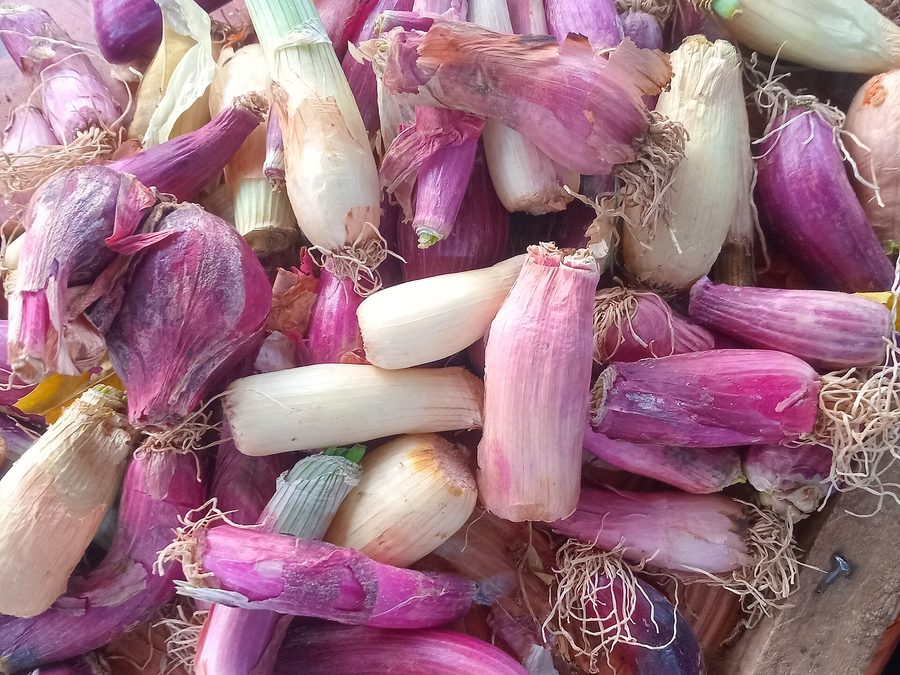
Vegetable
Onion
Yes, babies can have onion — cooked, it is sweet rather than sharp.
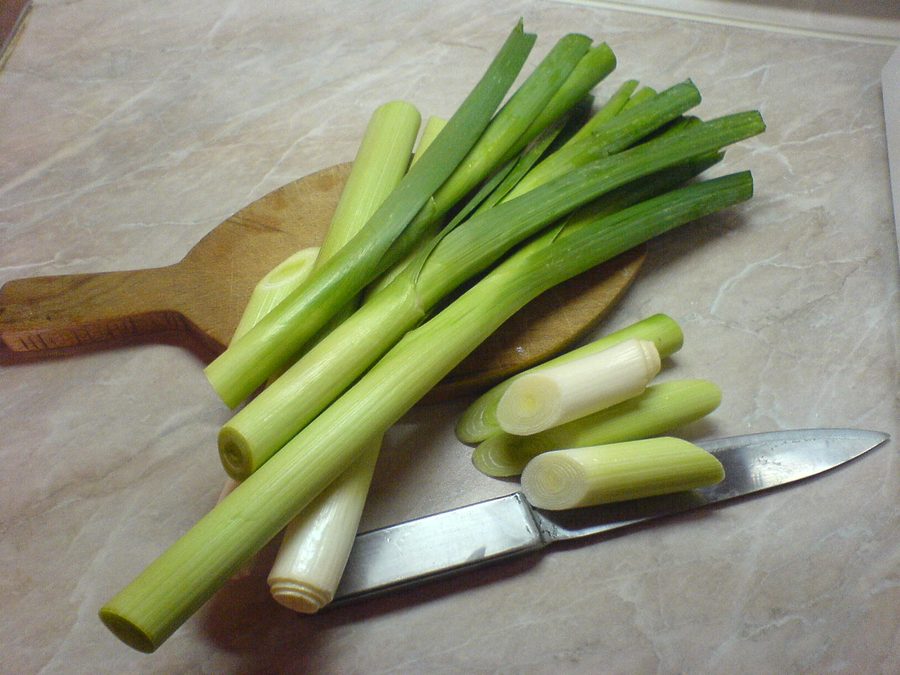
Vegetable
Leek
Milder than onion and it melts into a sauce — a good first allium.
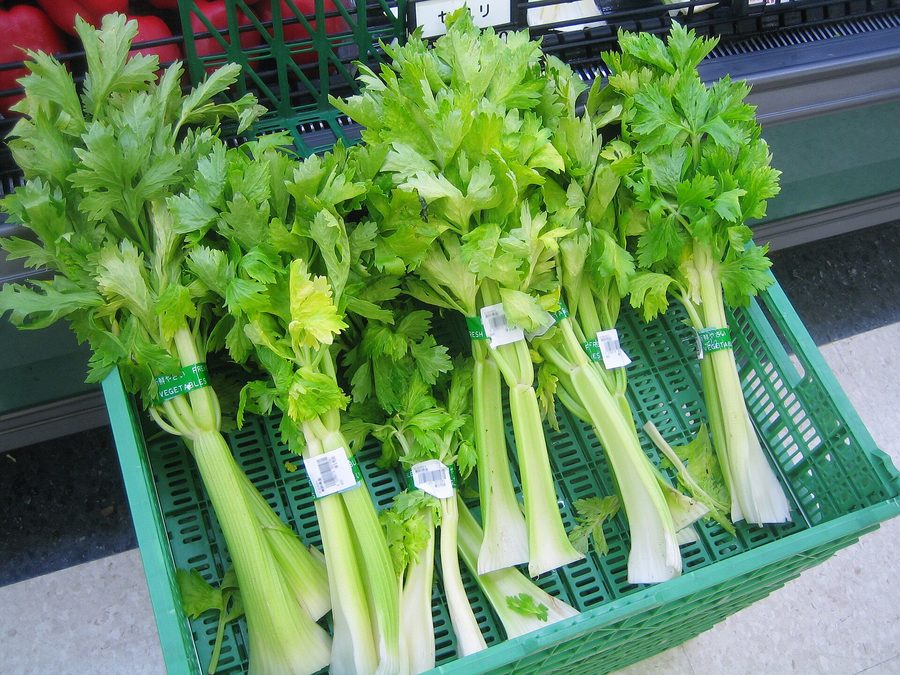
Vegetable
Celery
Stringy and fibrous — a flavour base rather than a finger food.
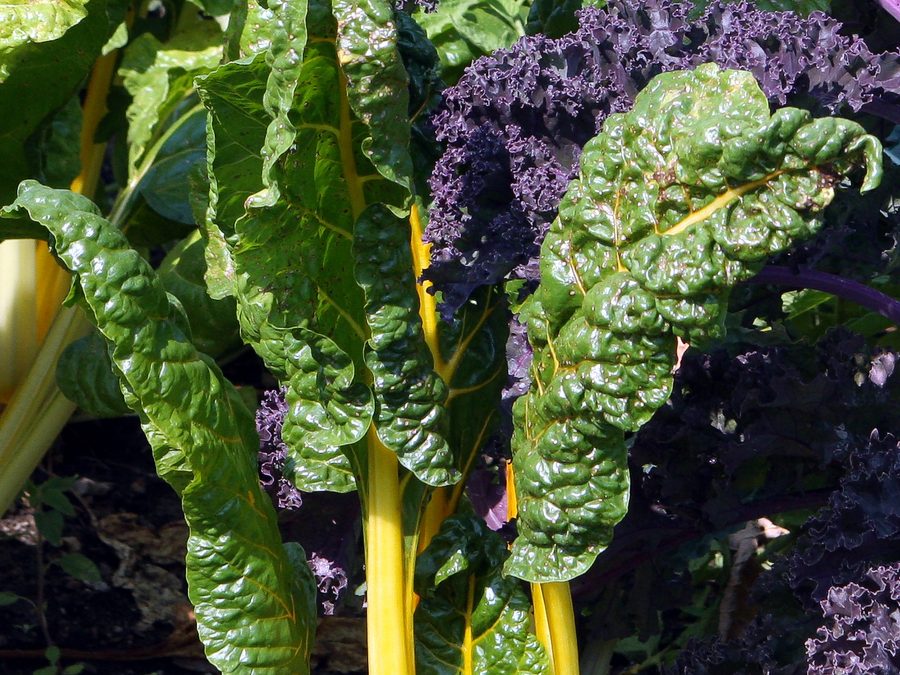
Vegetable
Swiss chard
Colourful, mineral-rich, and high enough in oxalate to keep it in rotation rather than daily.
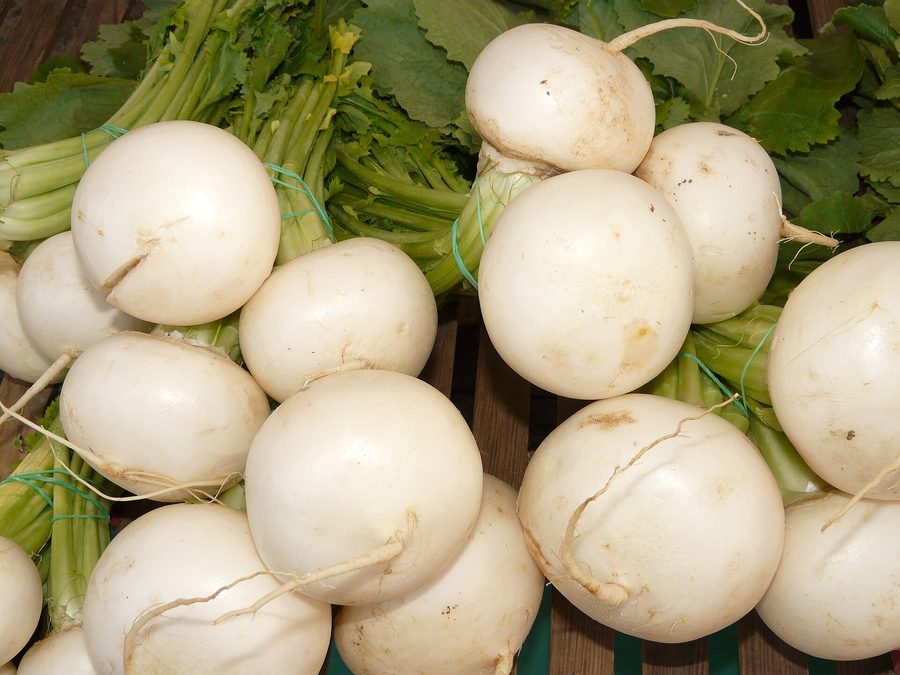
Vegetable
Turnip
Mild, cheap, and it mashes as smoothly as potato.
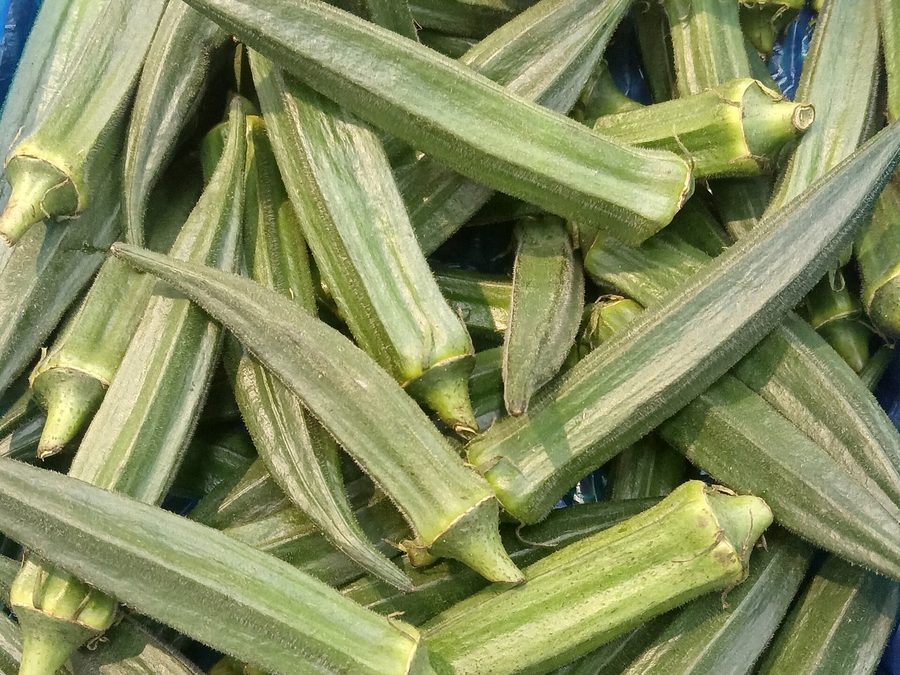
Vegetable
Okra
Soft, high in folate, and the sliminess is easy to cook out.
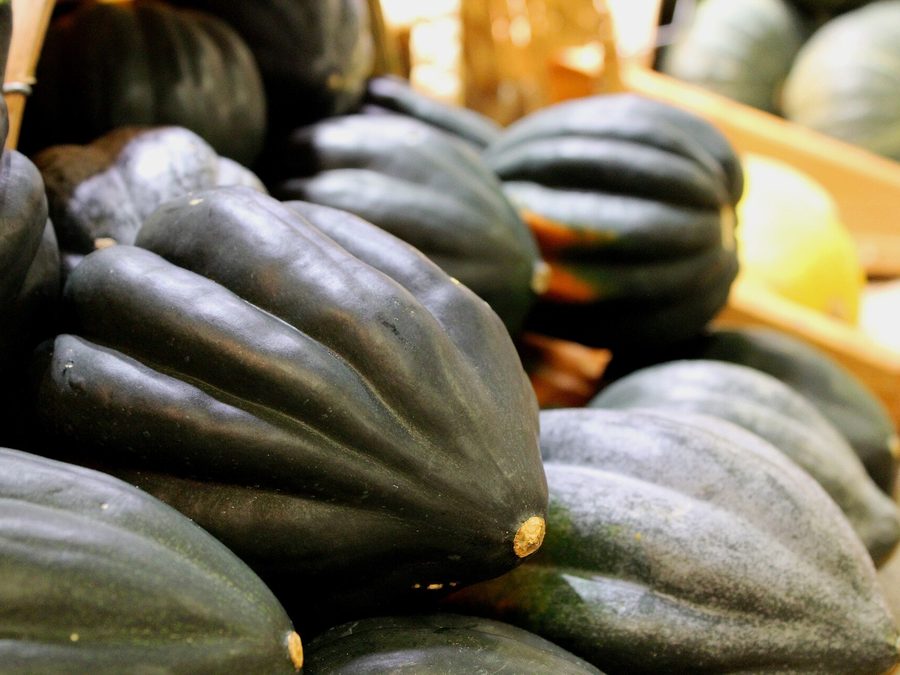
Vegetable
Acorn squash
Roast it in halves and scoop — the least prep of any winter squash.
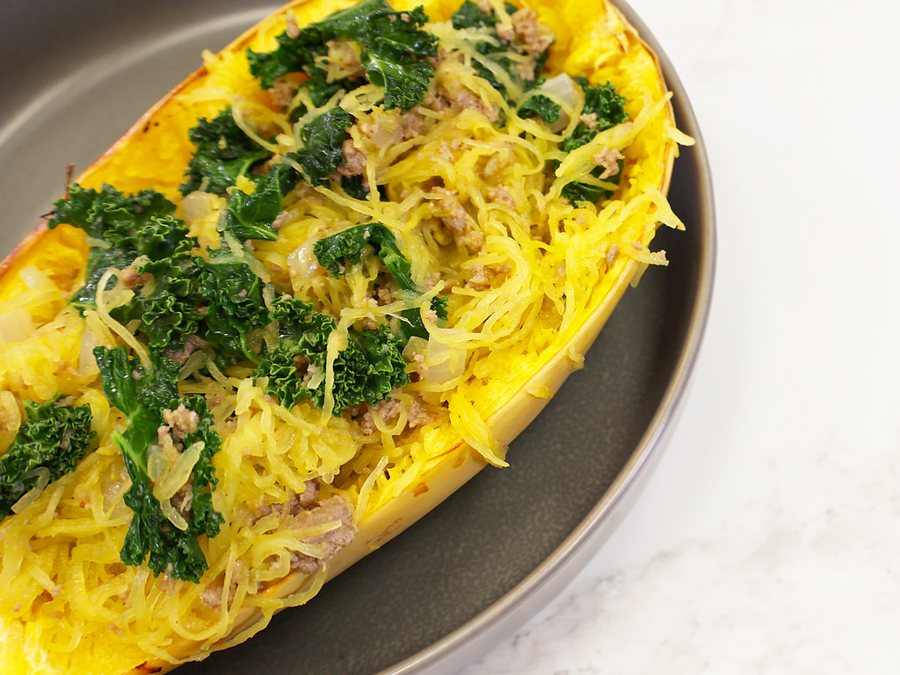
Vegetable
Spaghetti squash
Cooks into soft strands — but strands need chopping before a baby gets them.
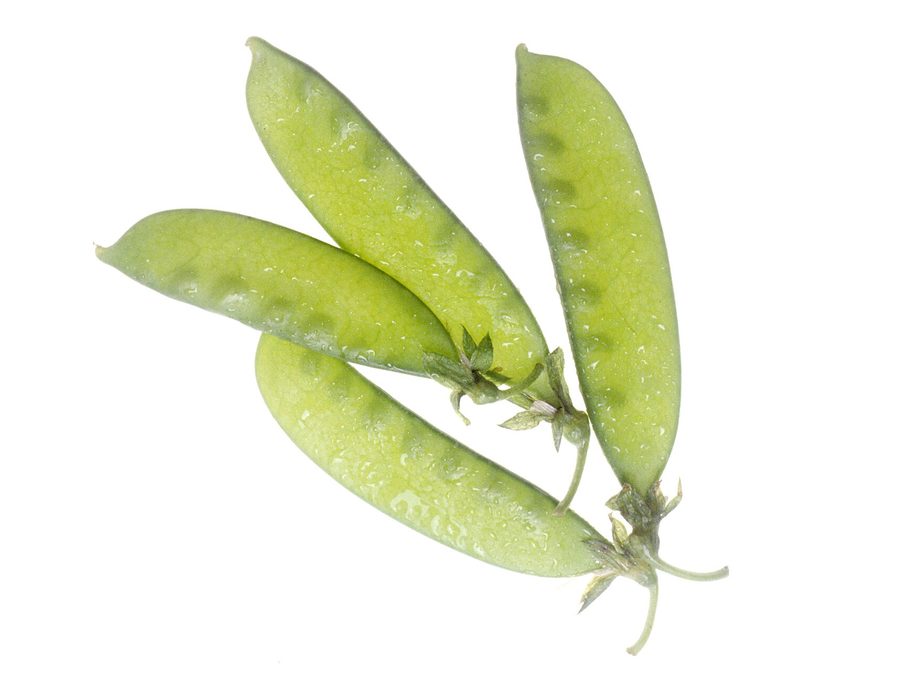
Vegetable
Sugar snap peas
Whole pod and all — steamed soft they make a good spear.
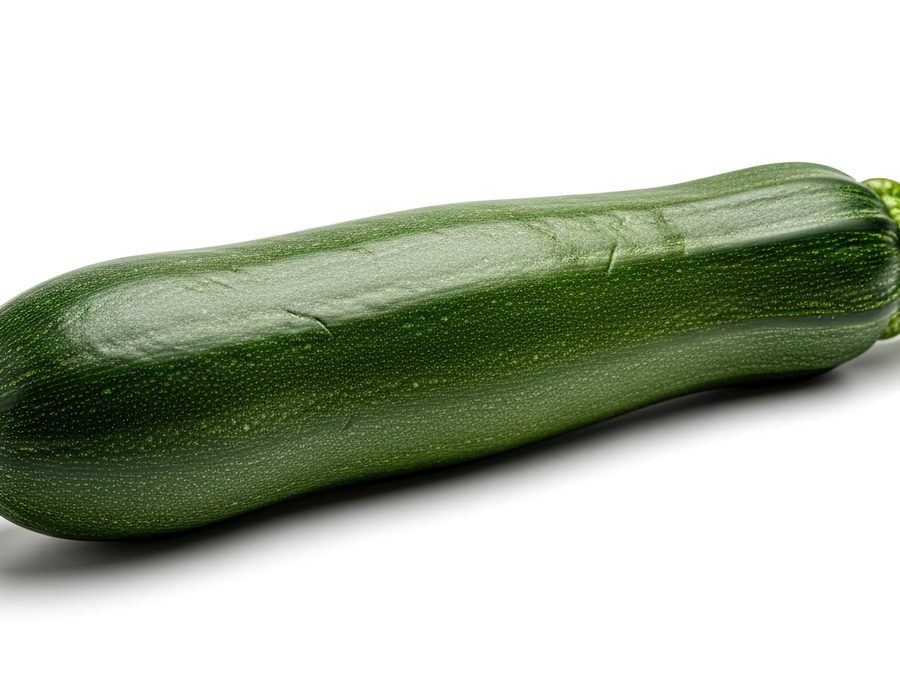
Vegetable
Yellow squash
Zucchini's yellow cousin — same speed, same shape, slightly sweeter.
Vegetable
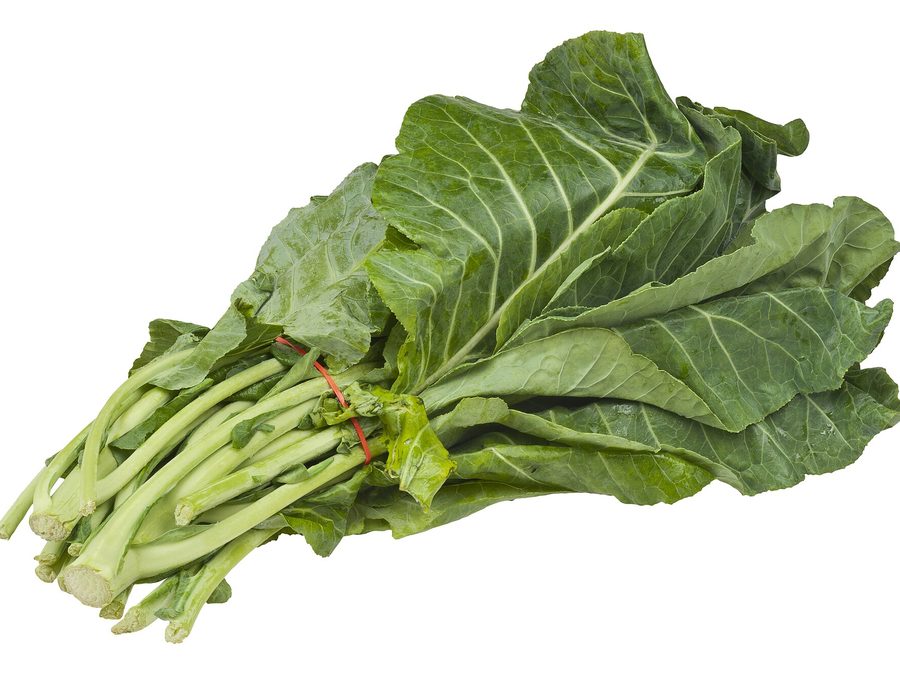
Collard greens
One of the best absorbable calcium sources in the vegetable aisle.
Vegetable
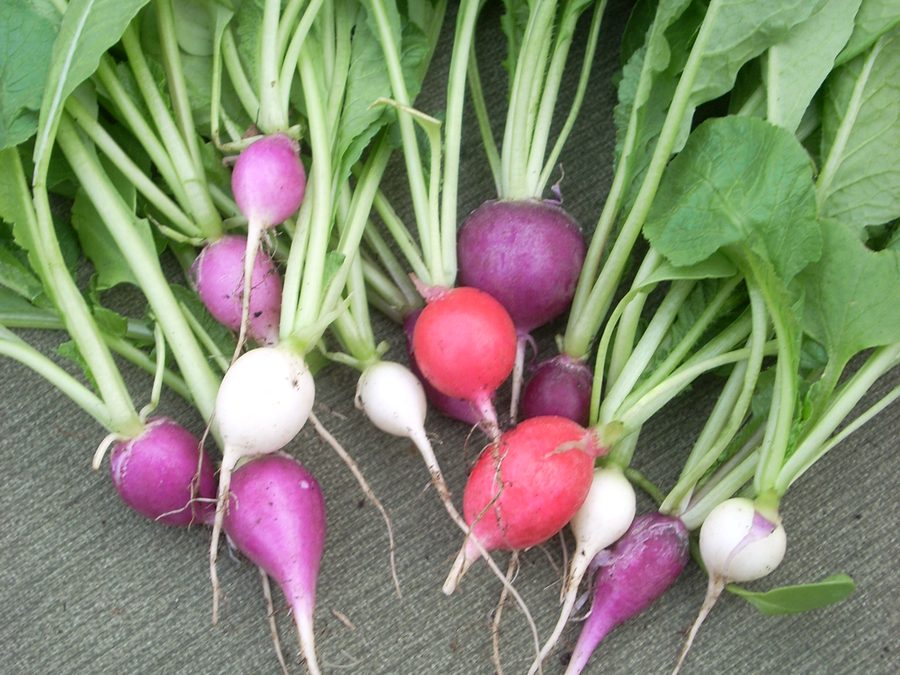
Radish
Peppery and hard raw — cooked, it turns mild and soft.
Grains
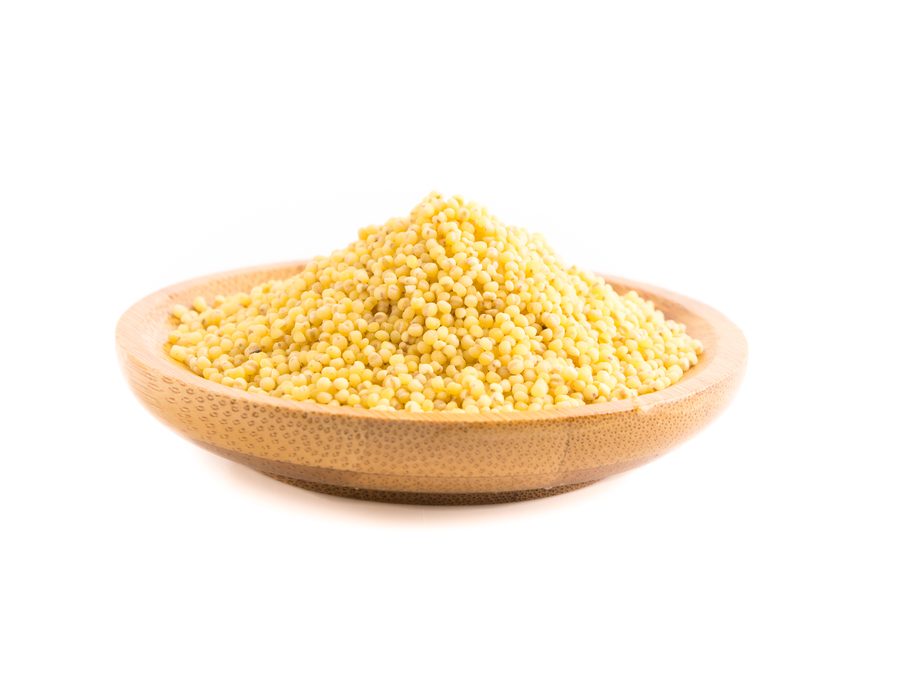
Couscous
Ready in five minutes, and the grains are small enough to need binding.

Grains
Millet
Gluten-free, iron-bearing and a complementary-feeding staple across much of the world.
Grains
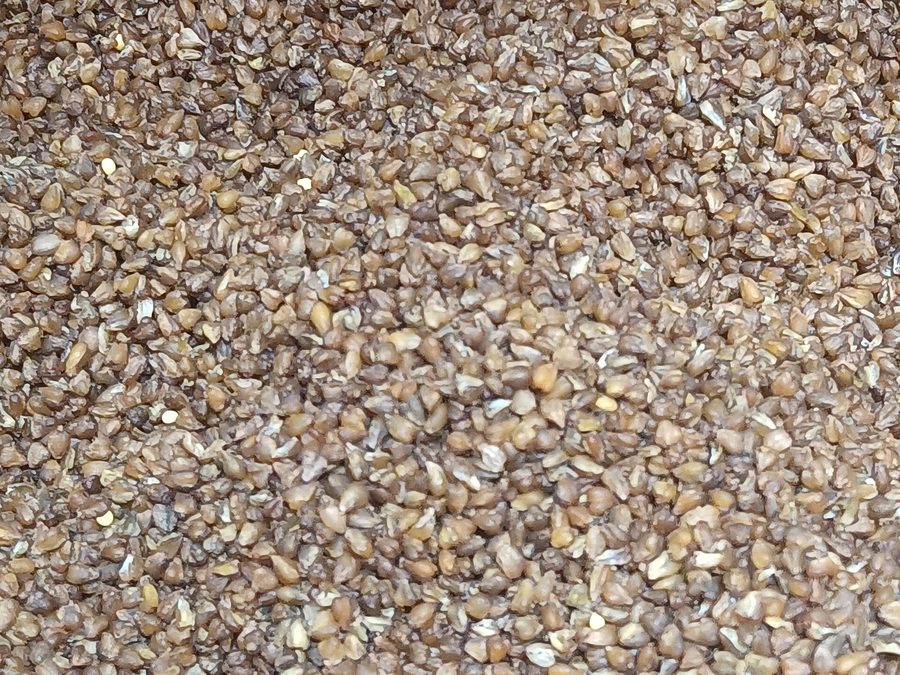
Buckwheat
Not wheat at all — gluten-free, high in iron, and a complete protein.

Grains
Farro
Chewy, nutty and high in fibre — cook it well past the packet time.
Grains
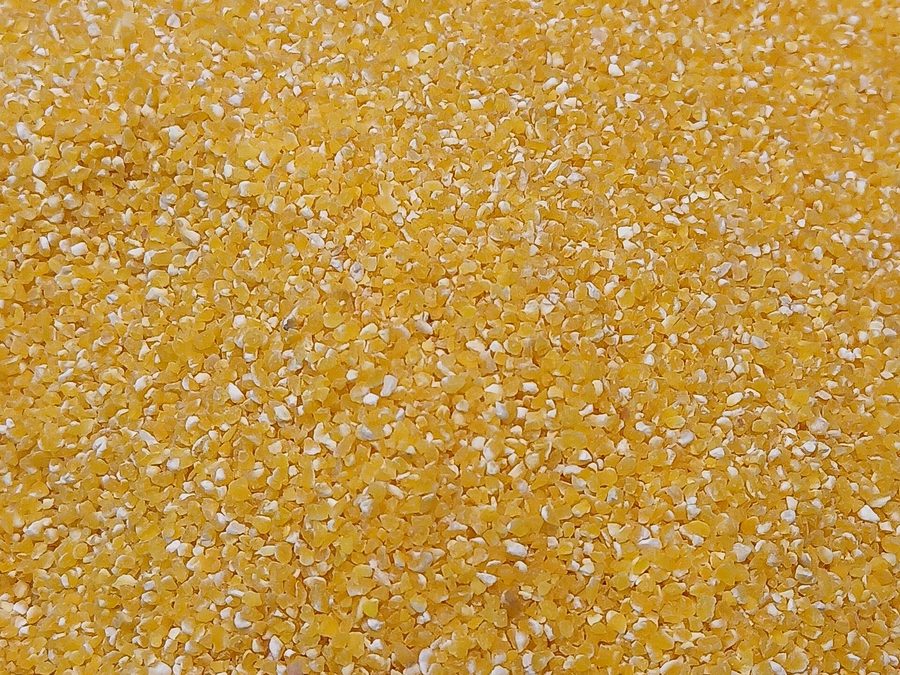
Polenta
A soft porridge or a firm slice — one grain, two very different baby foods.
Grains
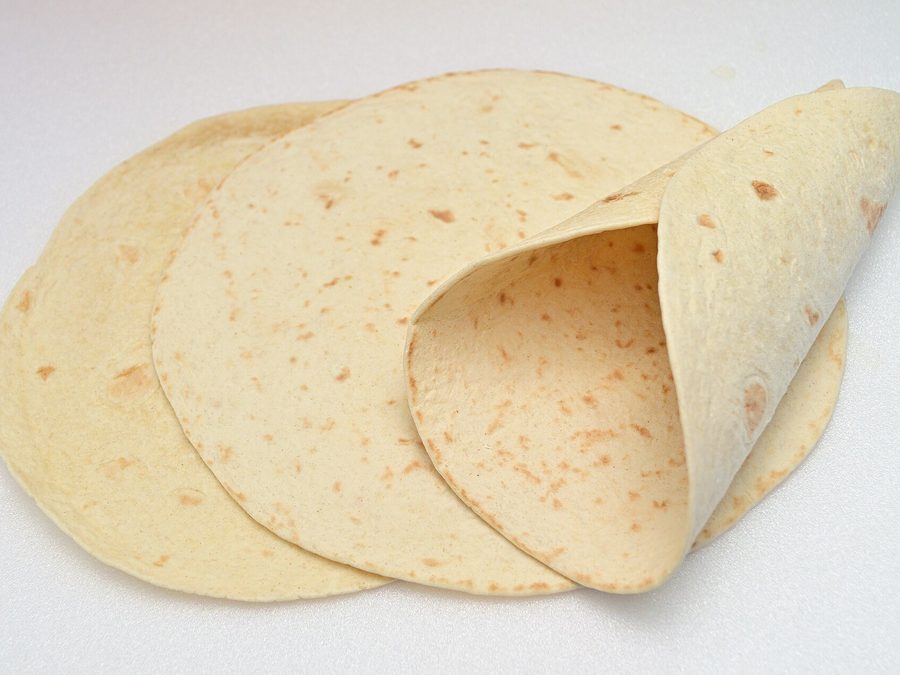
Tortilla
Corn or wheat, cut into strips — a soft, foldable vehicle for everything else.
Grains
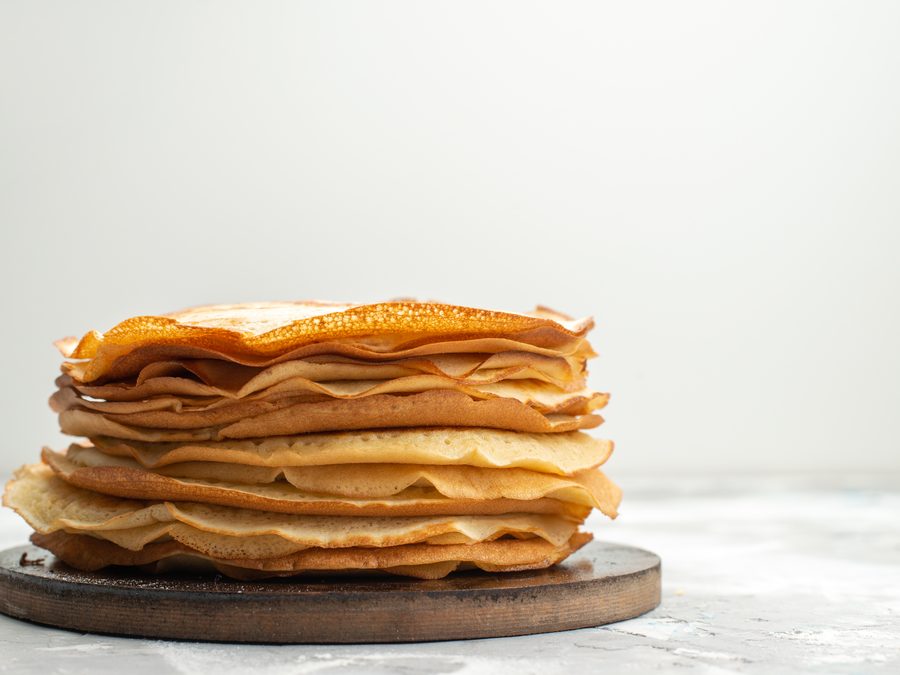
Pancake
A carrier for anything — grated vegetable, mashed fruit, nut butter, egg.
Grains
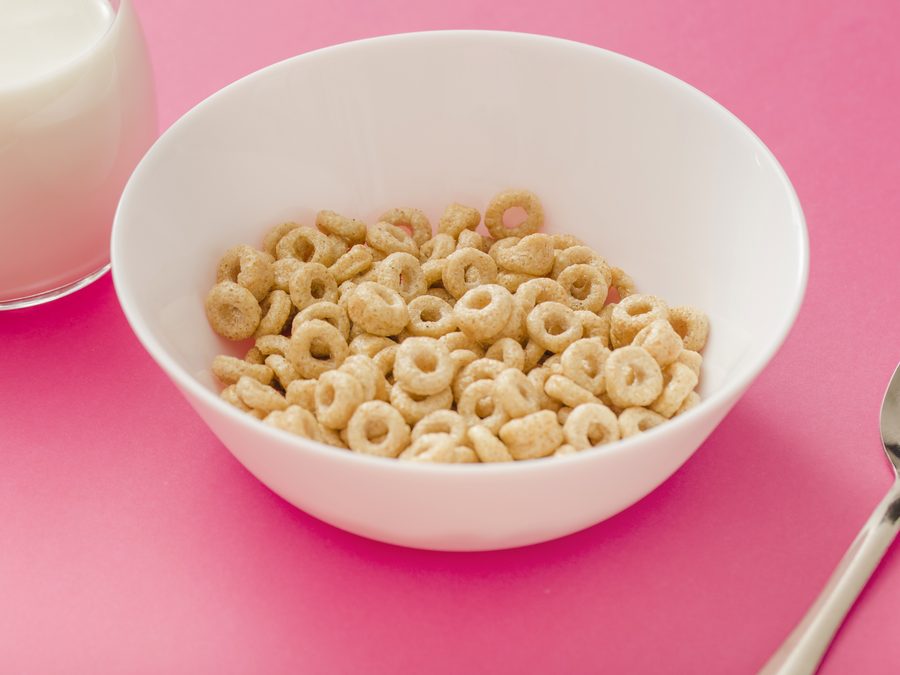
Oat ring cereal
The classic pincer-grasp trainer — and it dissolves, which is why it works.
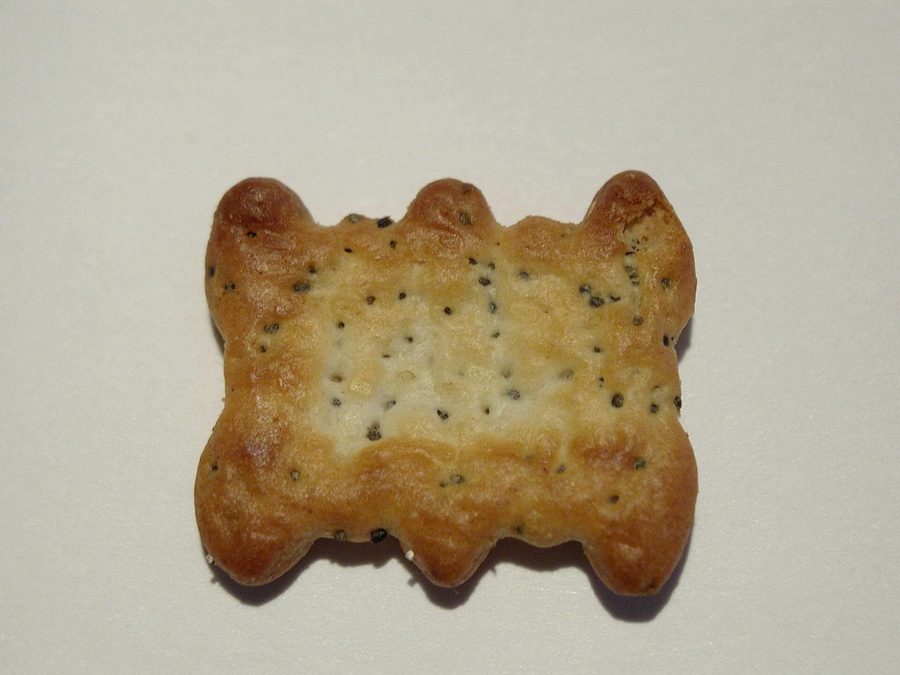
Grains
Crackers
Convenient, usually salty, and drier than they look — read the label.
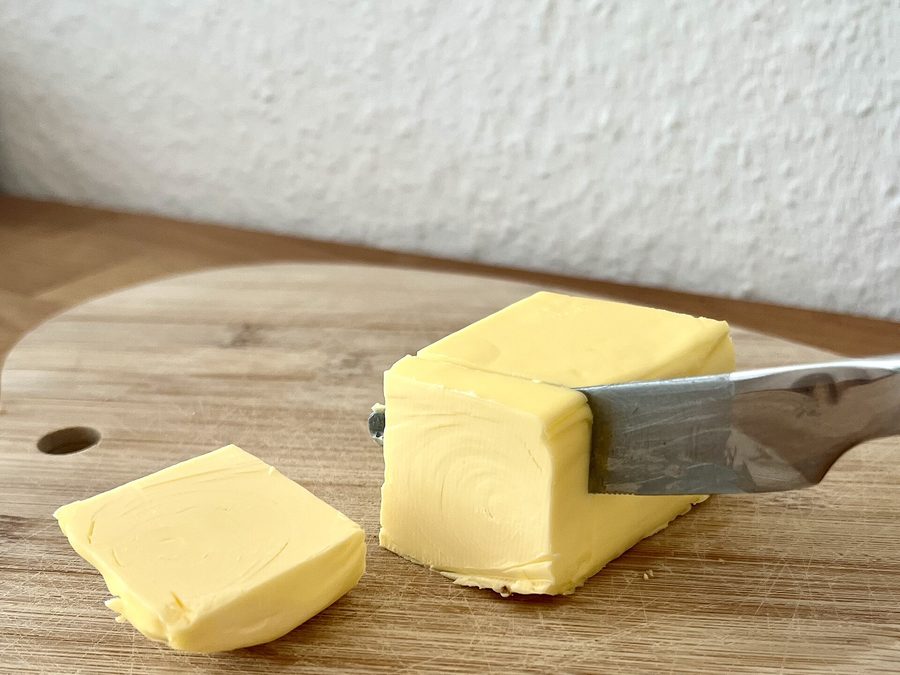
Dairy & eggs
Butter
Fine in cooking from 6 months — babies need fat, and butter is fat.
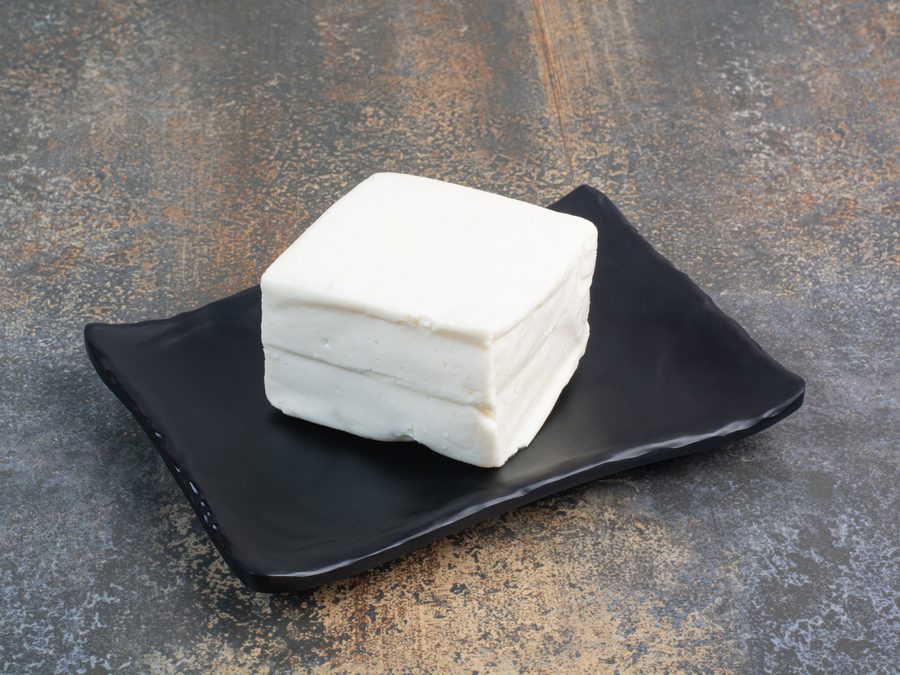
Dairy & eggs
Cream cheese
Soft, spreadable and lower in salt than hard cheese — a good toast partner.
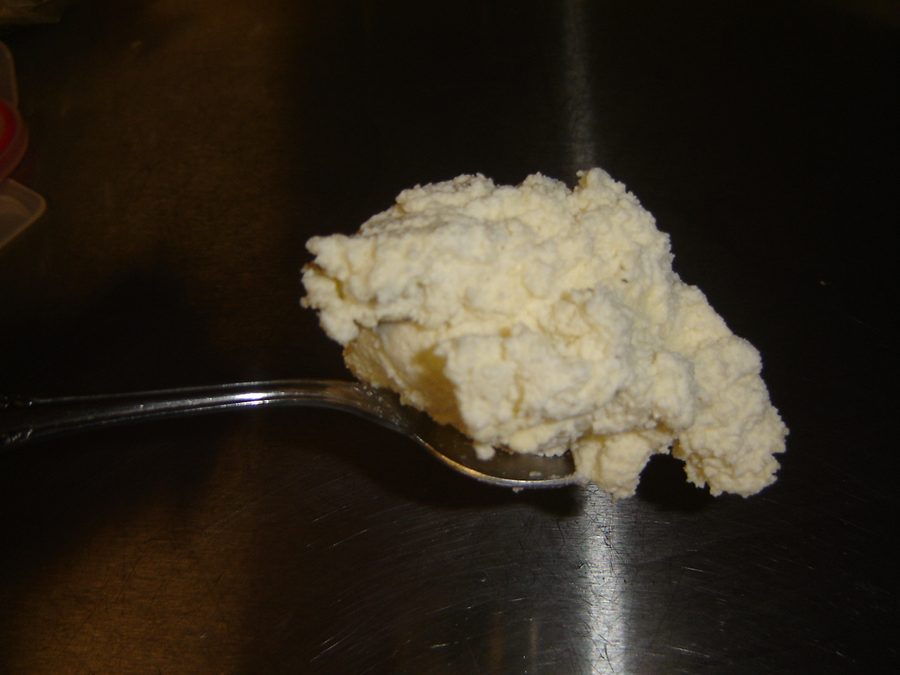
Dairy & eggs
Ricotta
One of the lowest-salt cheeses, high in protein and soft enough to spoon.
Dairy & eggs
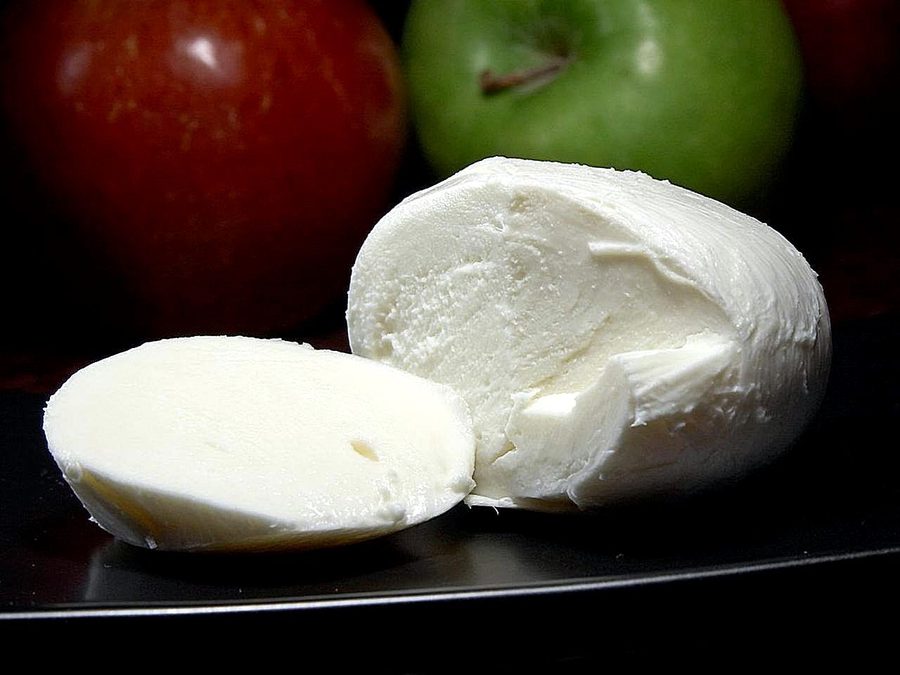
Mozzarella
One of the mildest, lowest-salt cheeses — but never in cubes or sticks.
Dairy & eggs
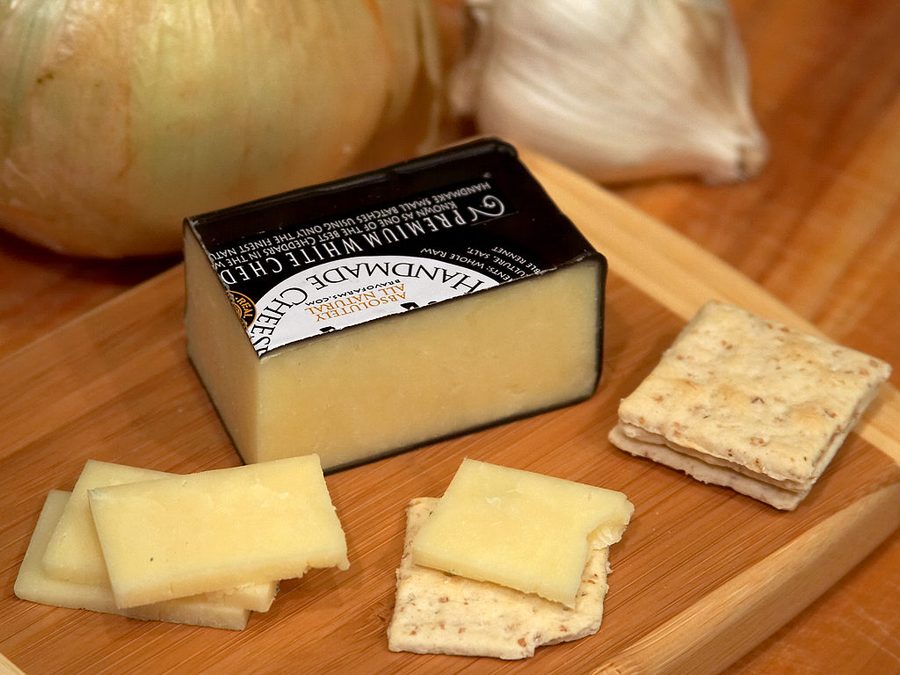
Cheddar
High in calcium, high in salt — grate it and keep the portion small.
Dairy & eggs
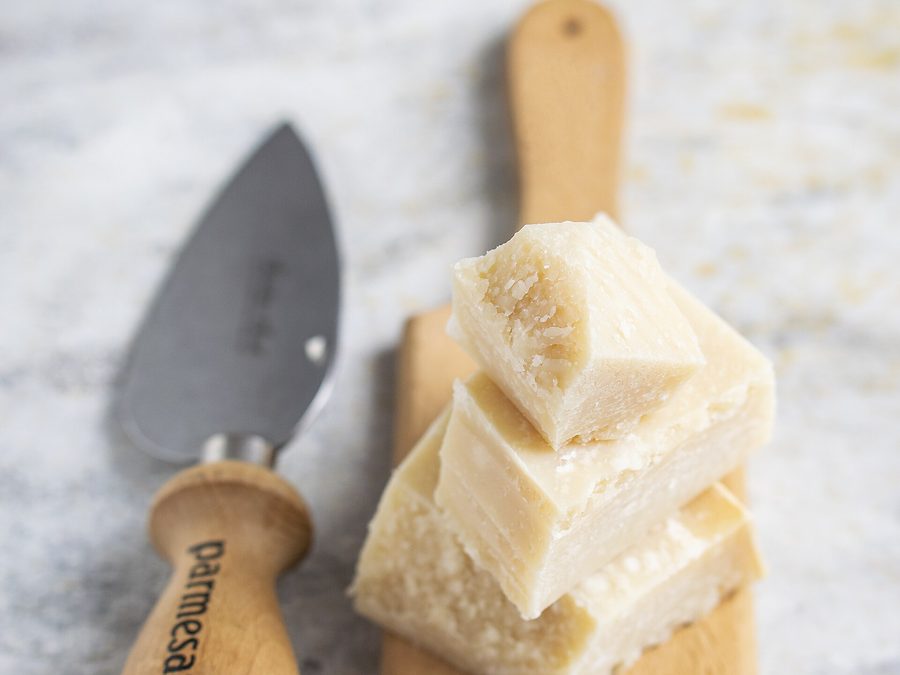
Parmesan
Very salty, very flavourful — a seasoning rather than a cheese portion.
Dairy & eggs
Kefir
A drinkable fermented milk with more live cultures than yogurt.
Dairy & eggs
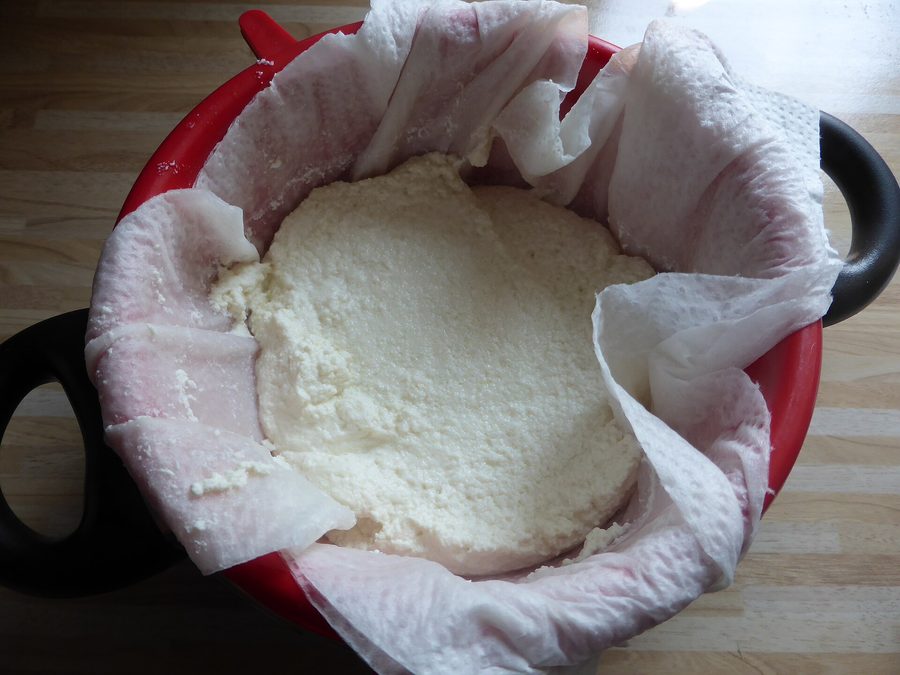
Paneer
Unsalted fresh cheese — high in protein and one of the gentlest dairy foods for a baby.
Dairy & eggs
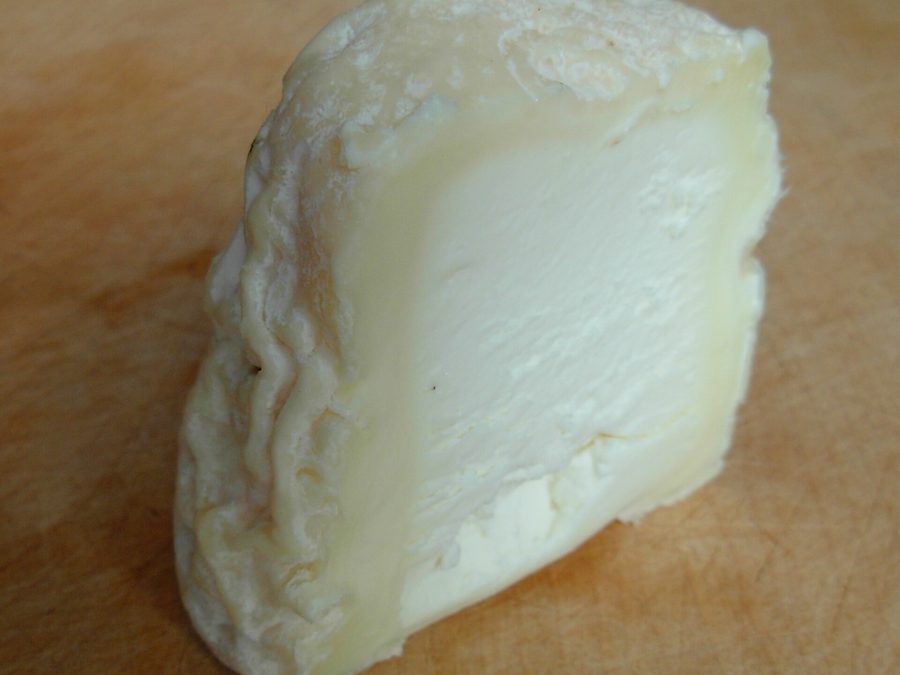
Goat cheese
Not a workaround for milk allergy — the proteins are close enough to cross-react.
Grains
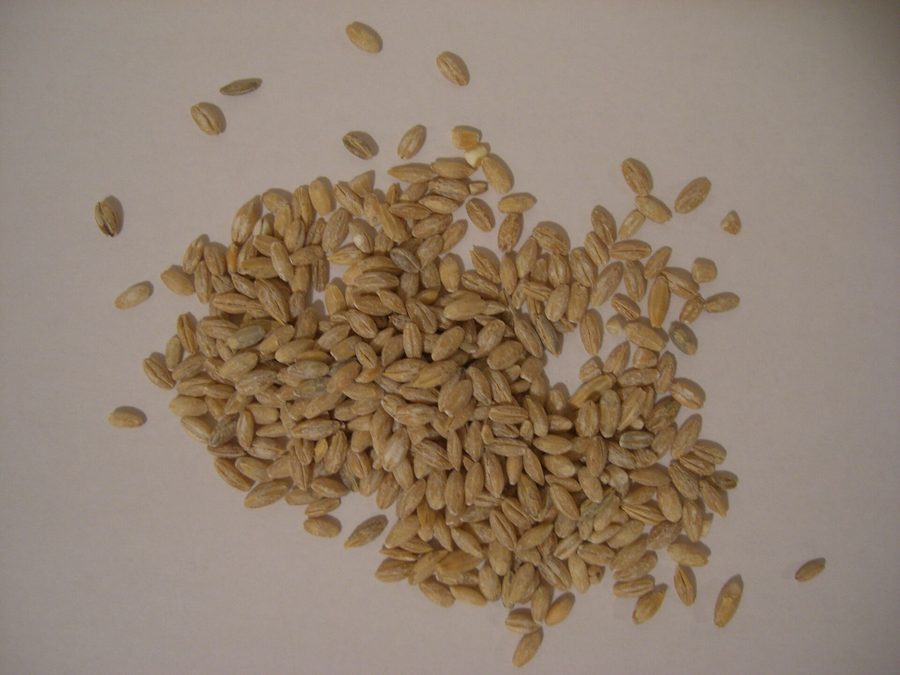
Barley
A chewy grain high in soluble fibre — cook it well past the packet time.
Grains
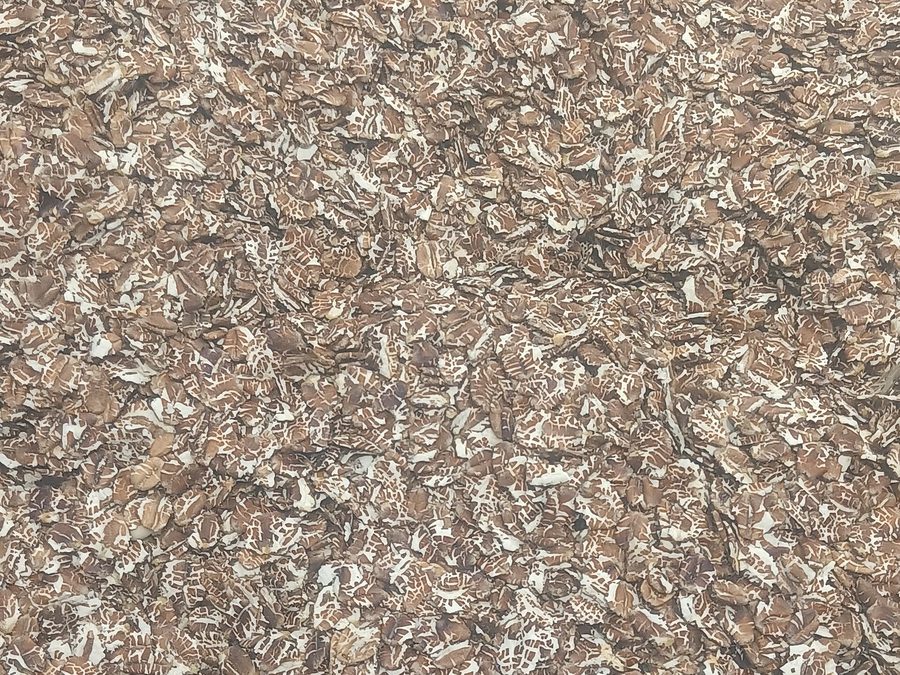
Rye
Dark, dense and high in fibre — a wholegrain worth rotating in.
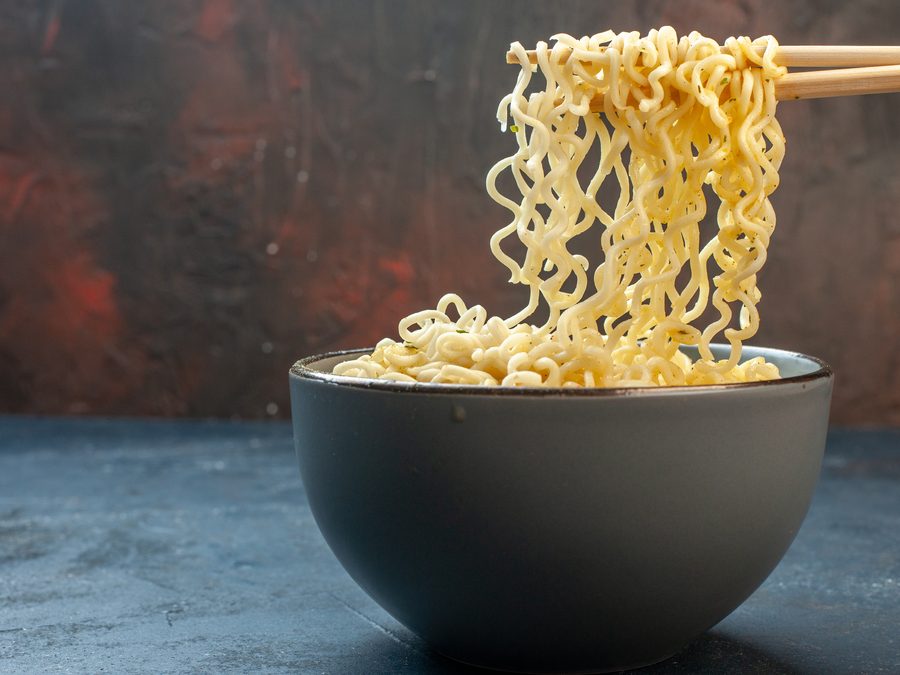
Grains
Rice noodles
Gluten-free, soft in minutes, and long strands that need cutting short.
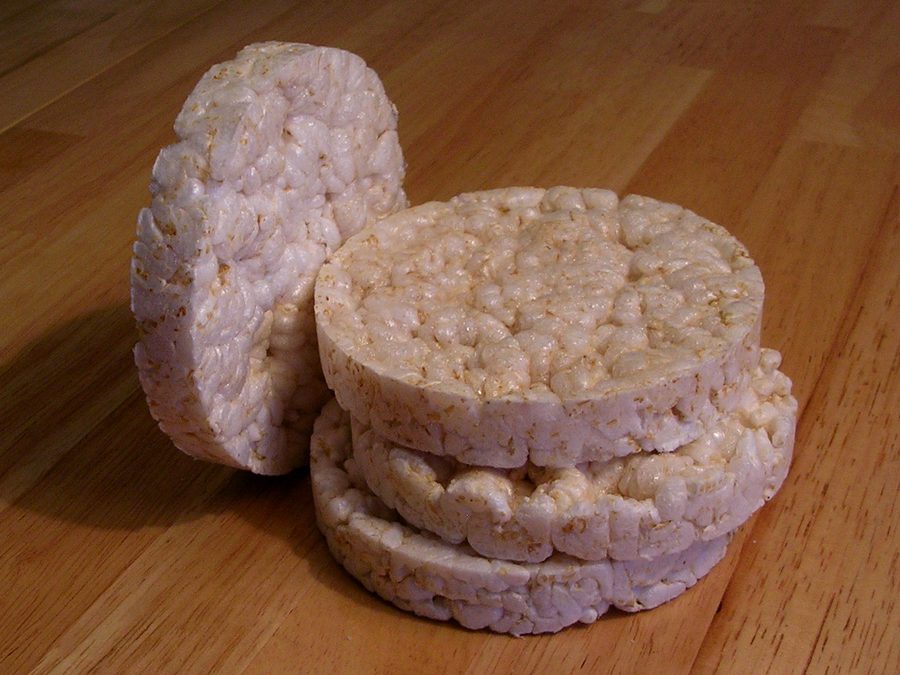
Grains
Rice cake
Dissolves quickly, which is the point — but rice cakes and arsenic need a mention.
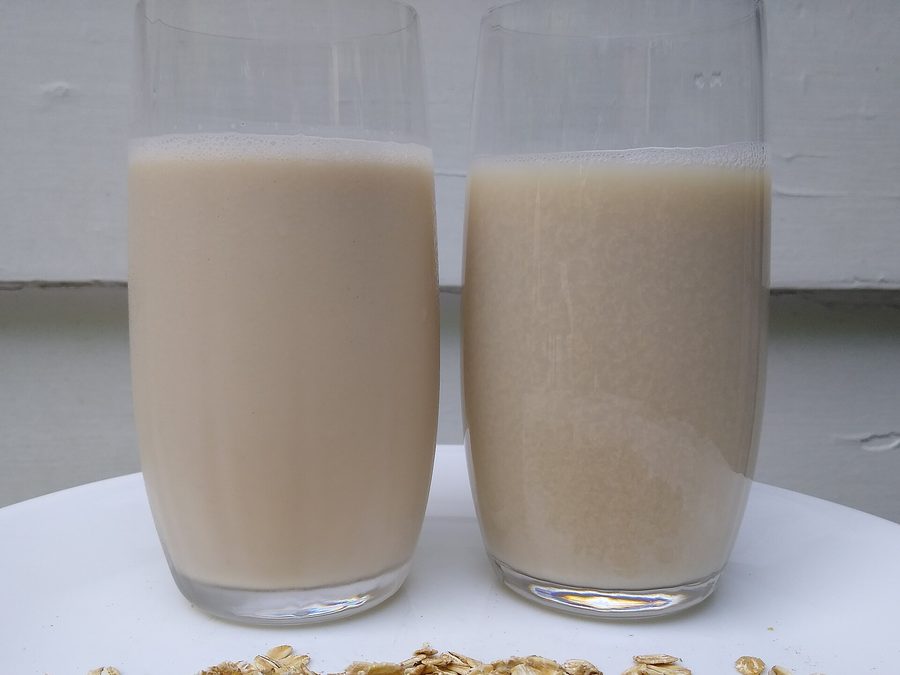
Dairy & eggs
Oat milk
Fine in cooking, not a substitute for milk — the protein is not there.
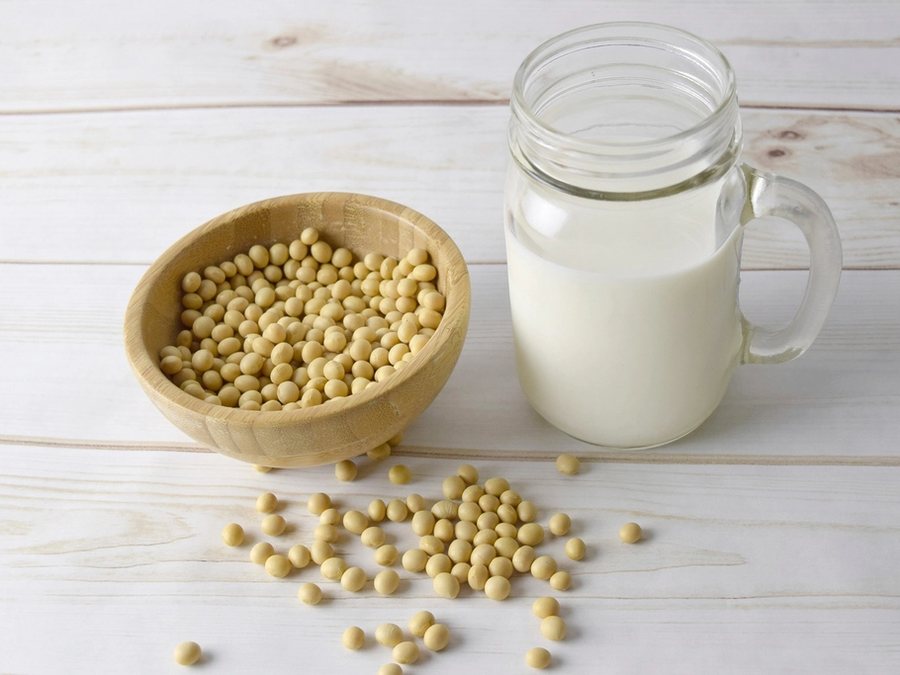
Dairy & eggs
Soy milk
The only plant milk that comes close to cow's milk on protein.

Dairy & eggs
Goat milk
Not a safe alternative in cow's milk allergy, and low in folate.
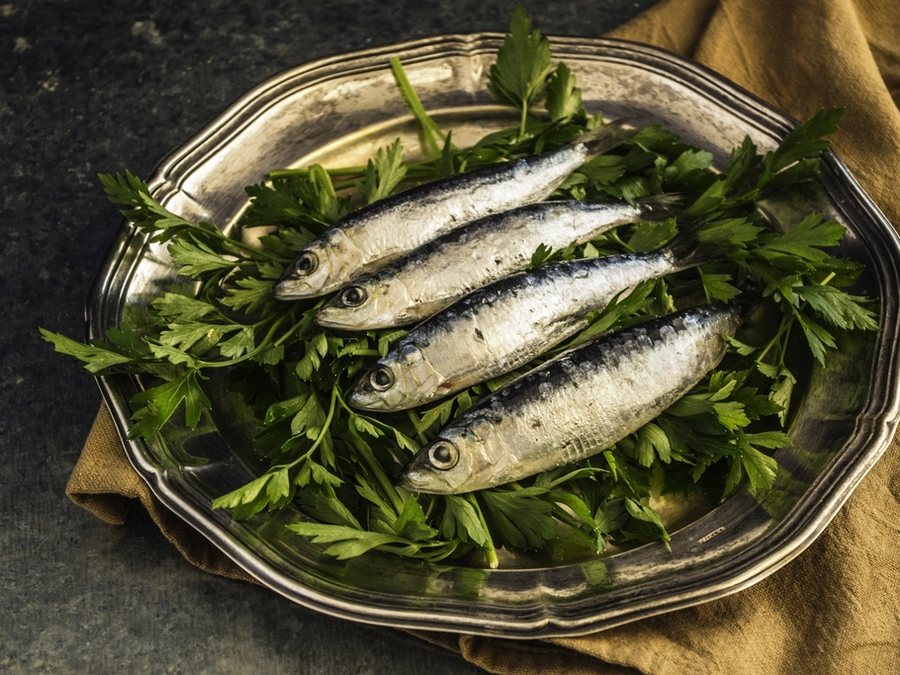
Meat & fish
Sardines
Omega-3, vitamin D and edible bones full of calcium — cheap and genuinely excellent.
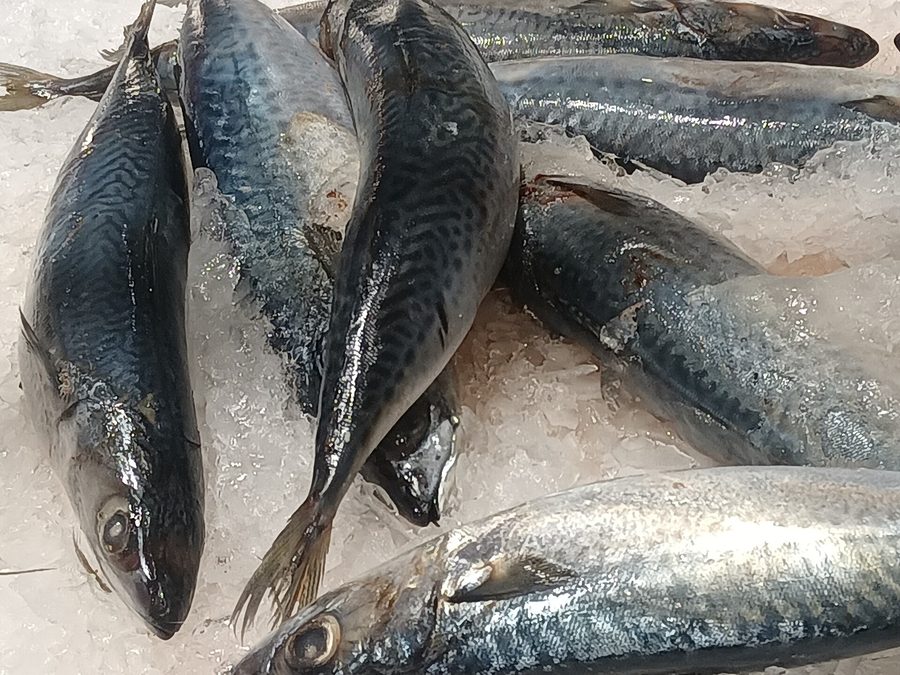
Meat & fish
Mackerel
High in omega-3 — but the species matters, because king mackerel is on the avoid list.
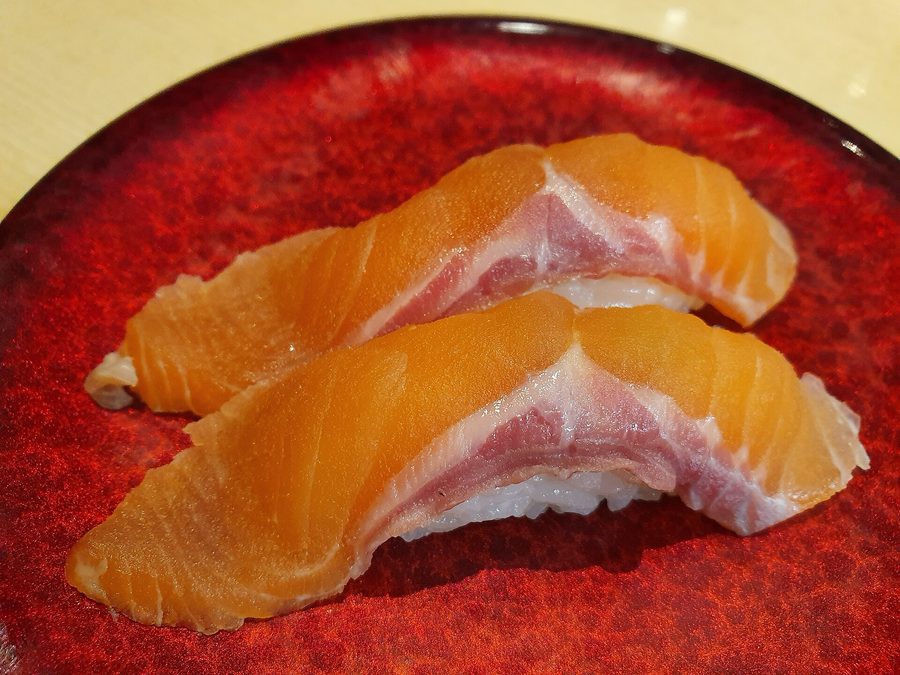
Meat & fish
Trout
Salmon's milder cousin — same omega-3 benefits, gentler flavour.
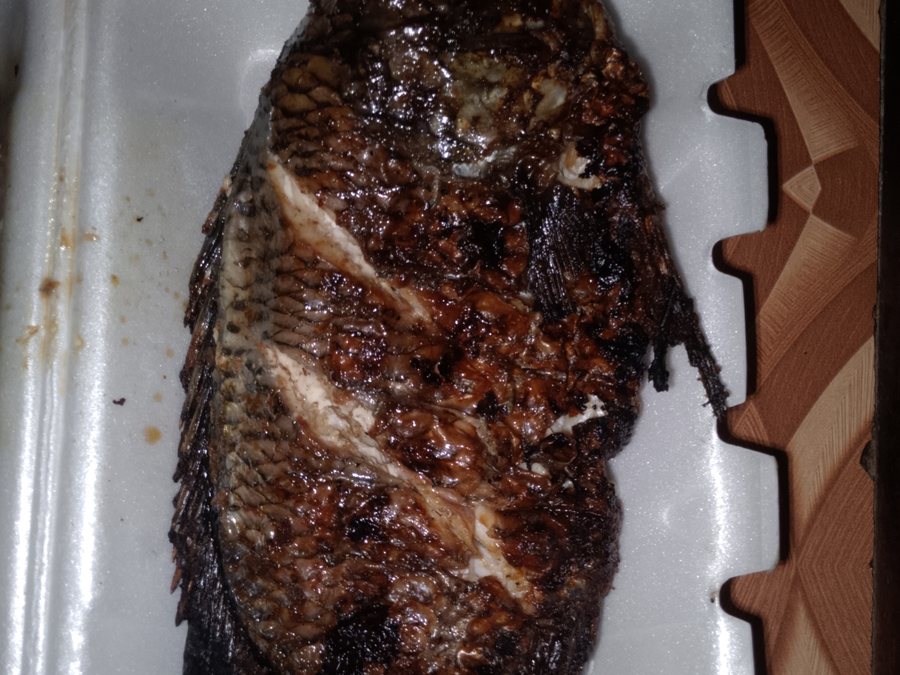
Meat & fish
Tilapia
Very mild, very lean, very low mercury — an easy fish for a hesitant eater.
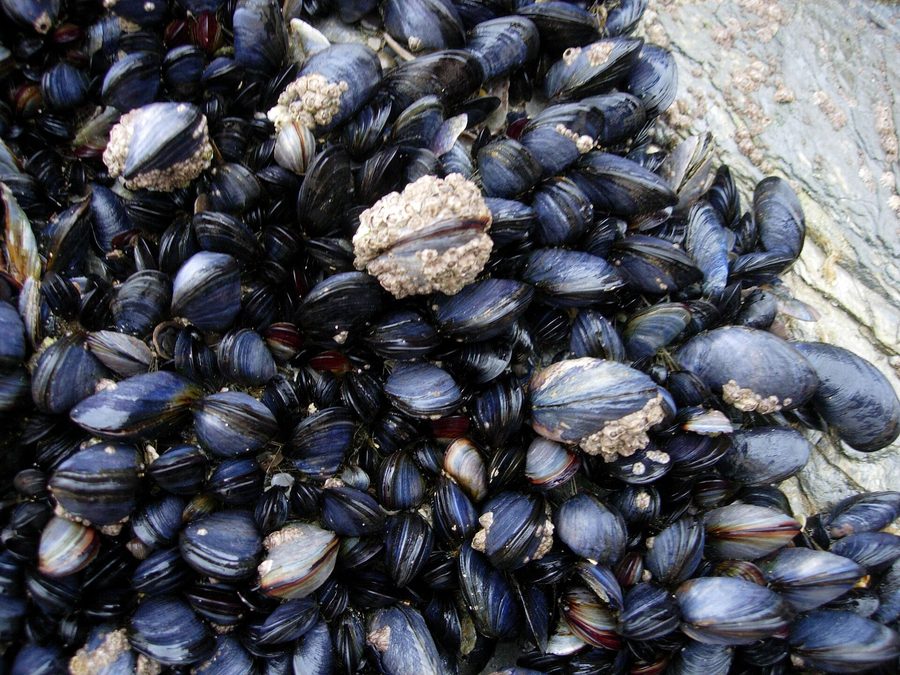
Meat & fish
Mussels
Extraordinary iron and B12 — and a mollusc, which is a separate allergen from prawns.
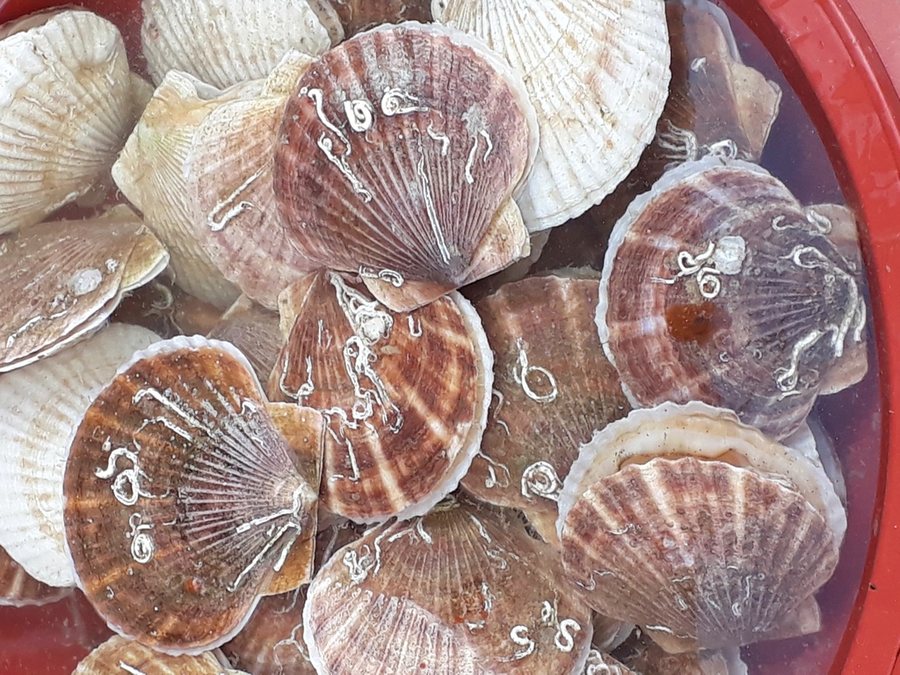
Meat & fish
Scallops
Sweet, tender and lower in rubberiness than most shellfish — if you do not overcook them.
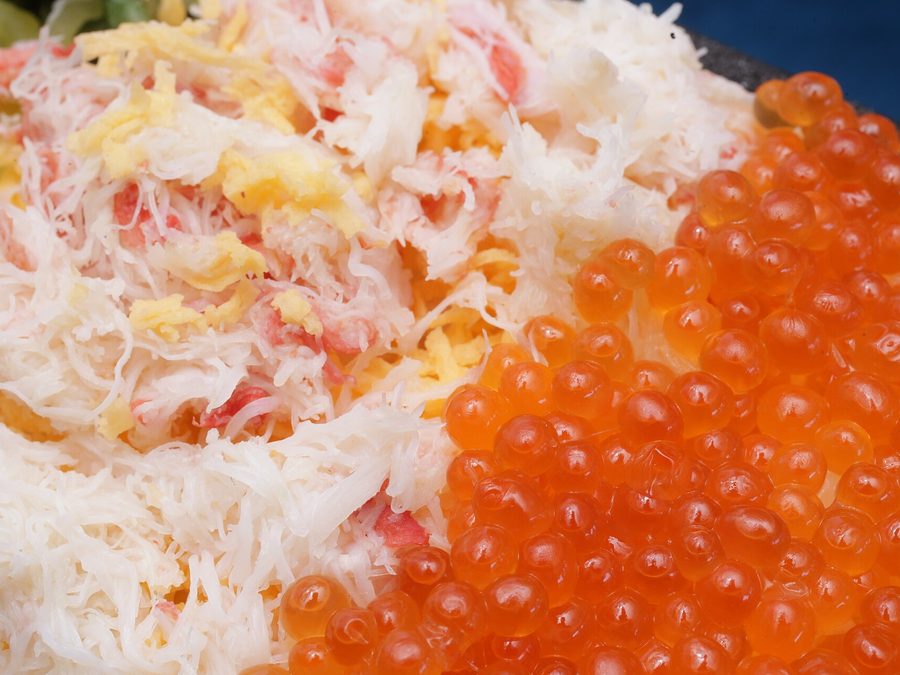
Meat & fish
Crab
A crustacean allergen introduction with excellent zinc and B12.
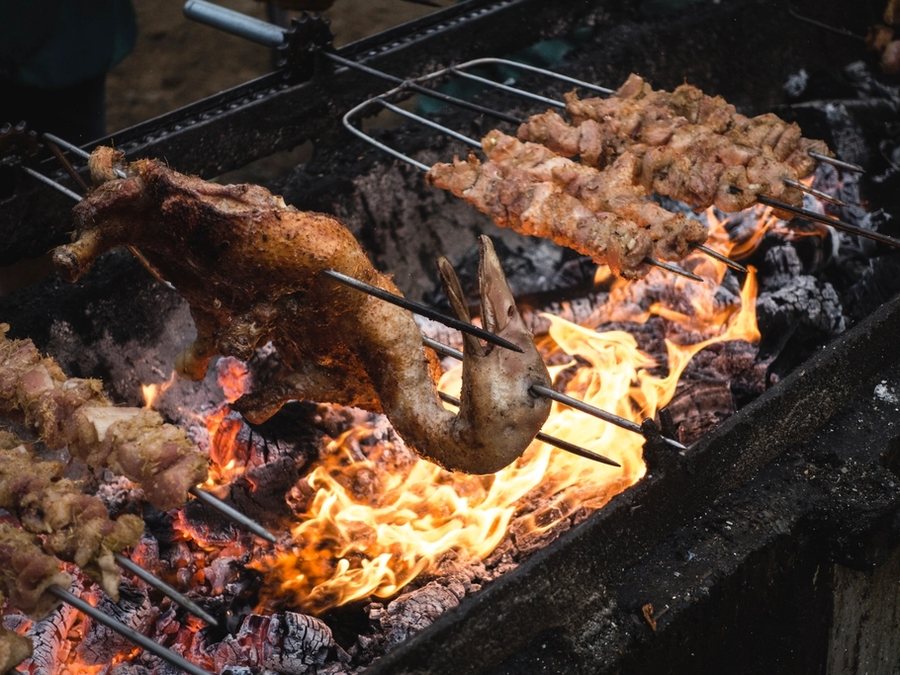
Meat & fish
Duck
More iron than chicken and a lot more fat — both of which suit a baby.
Meat & fish
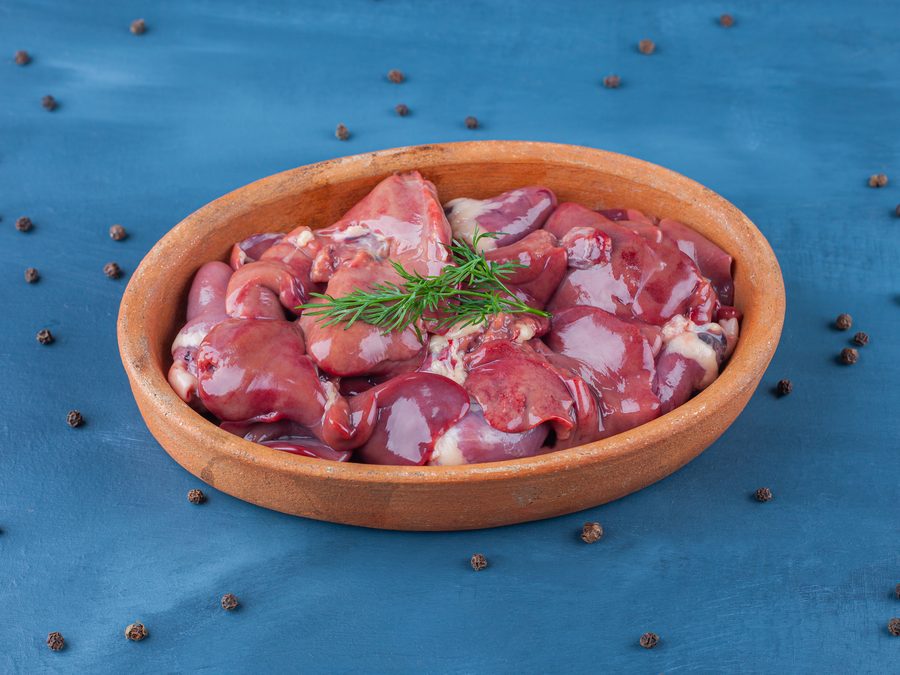
Chicken liver
Milder than beef liver, just as iron-dense, and the same once-a-week rule.
Nuts & seeds
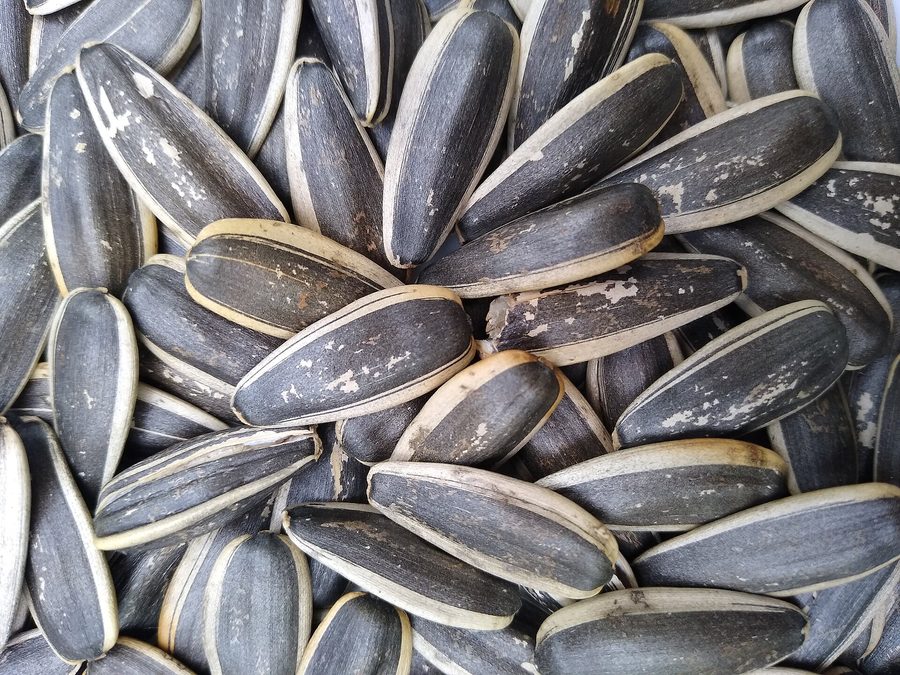
Sunflower seed butter
The go-to spread when nuts are out — and it is not an allergen itself.
Nuts & seeds
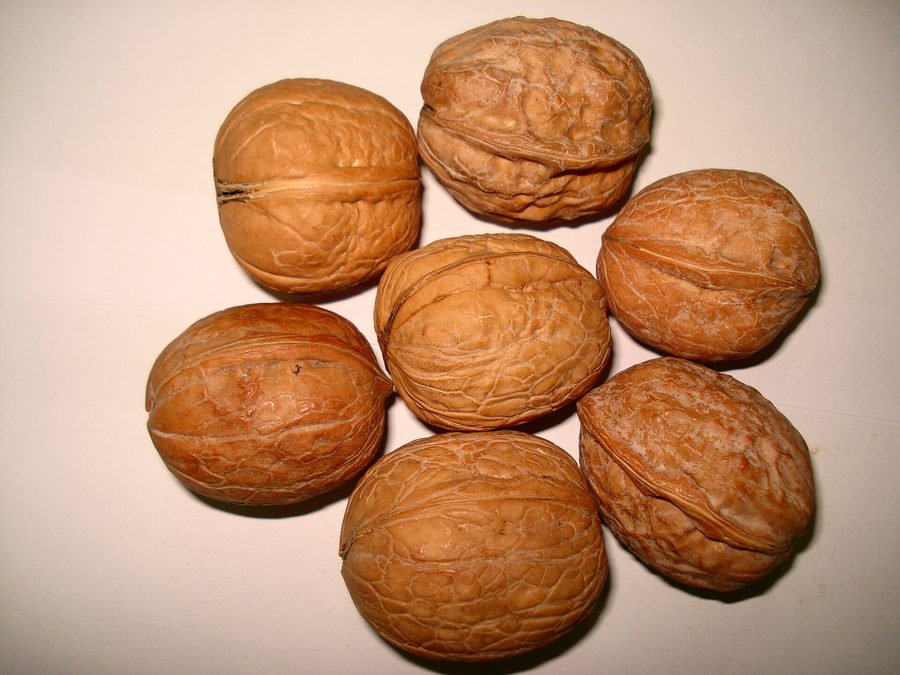
Walnut butter
The best plant source of omega-3 among the nuts.
Nuts & seeds
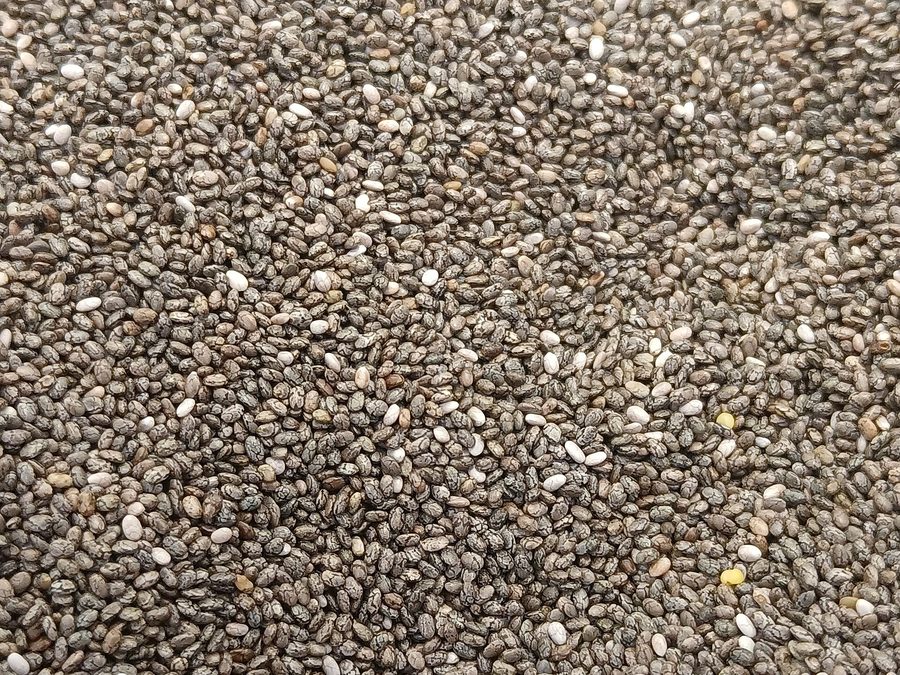
Chia seeds
Always soaked, never dry — they swell dramatically and that is the whole safety issue.
Nuts & seeds
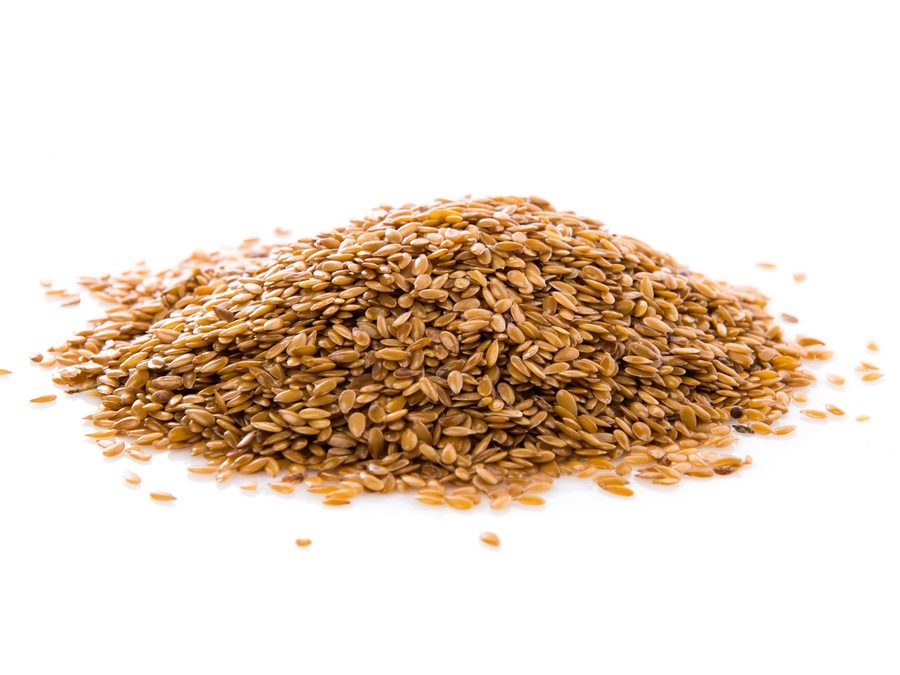
Flaxseed
Only useful ground — whole flaxseed passes straight through.
Nuts & seeds
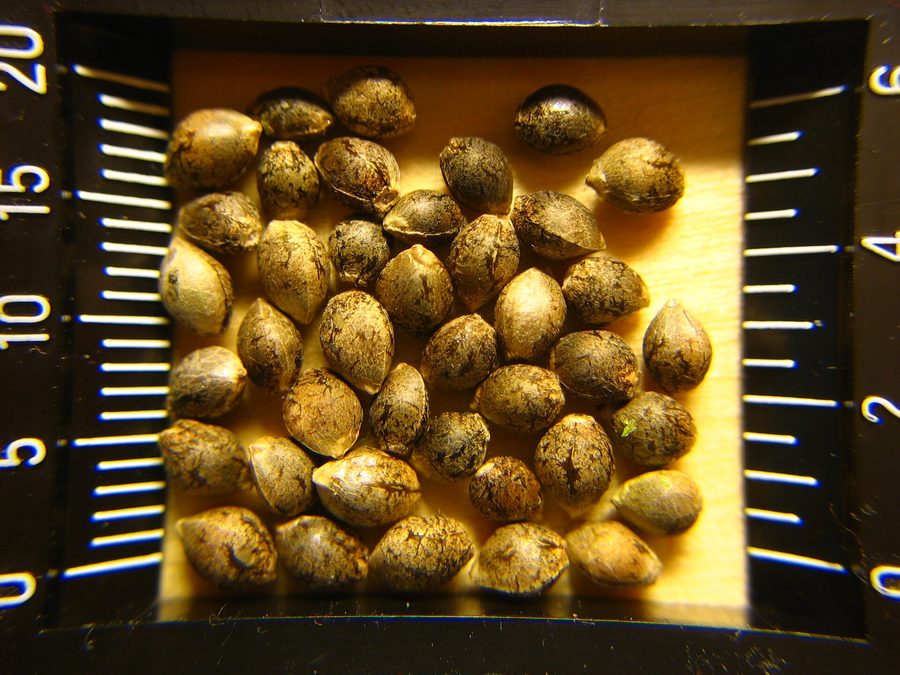
Hemp seeds
Soft enough to serve as they are, and one of the better plant proteins.
Nuts & seeds
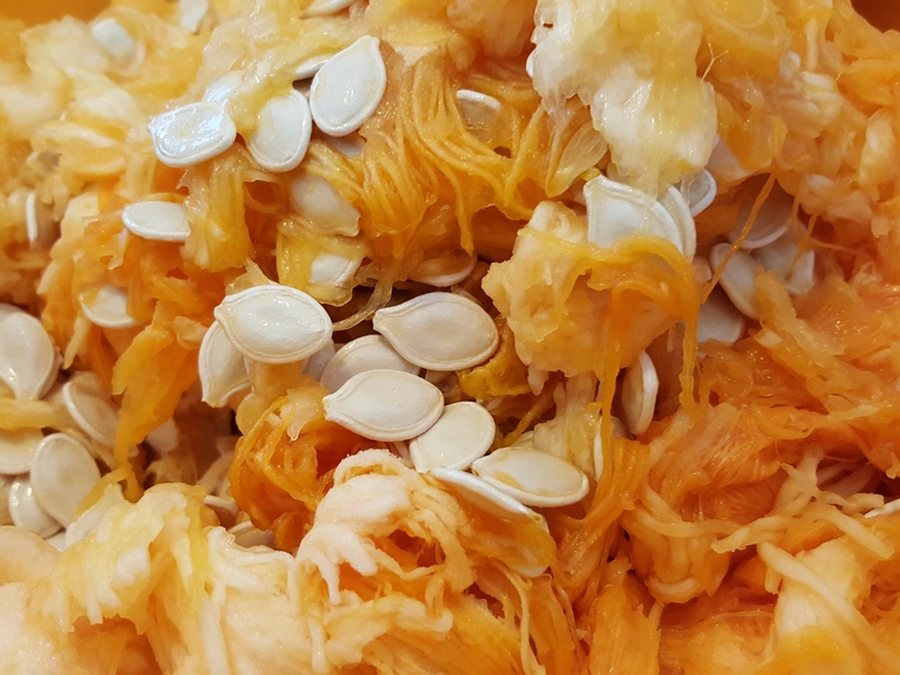
Pumpkin seeds
One of the highest plant iron and zinc sources — ground for babies.
Other
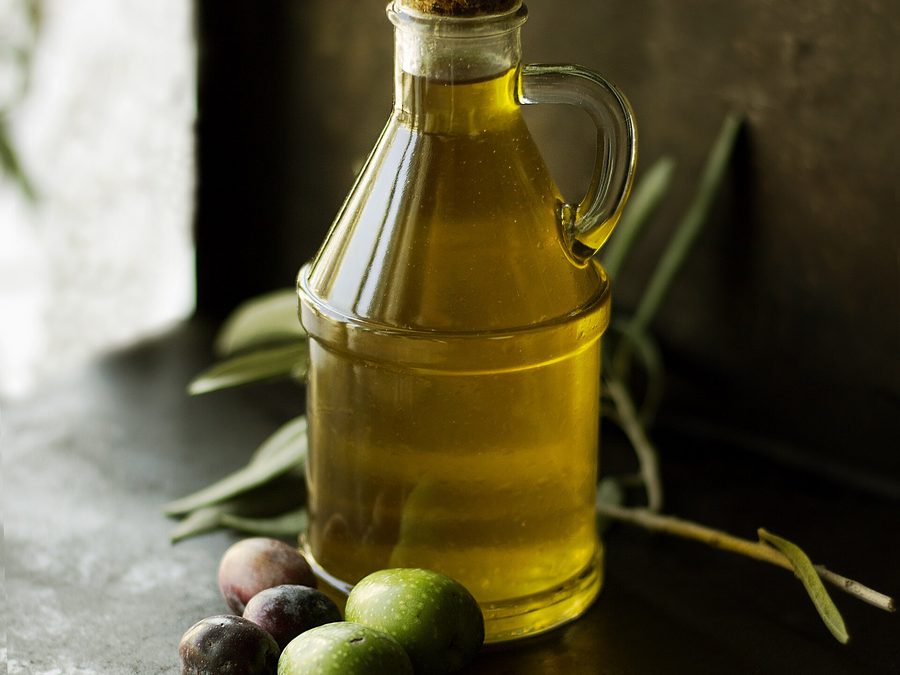
Olive oil
The simplest way to raise the calorie density of a baby's meal.
Herbs & spices
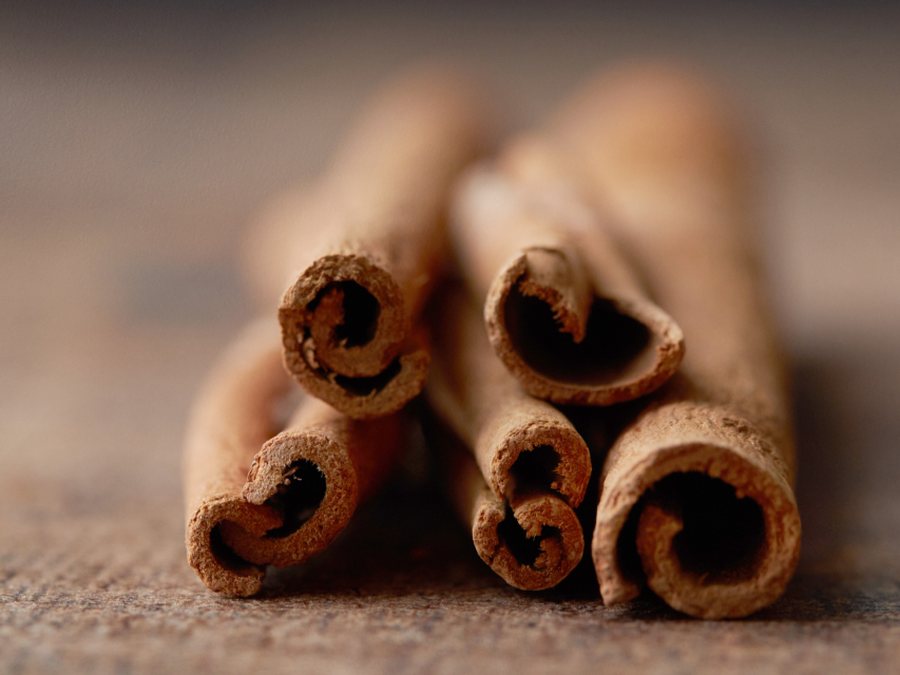
Cinnamon
Yes, babies can have spices — and cinnamon is the easiest place to start.
Herbs & spices
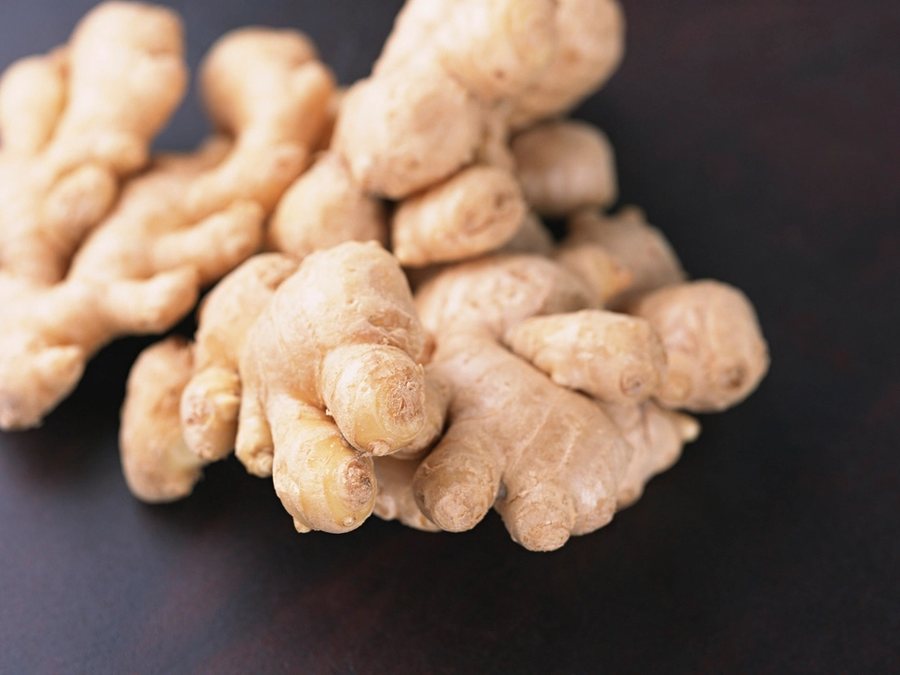
Ginger
Warm rather than hot — a good early spice that is milder cooked than raw.
Herbs & spices
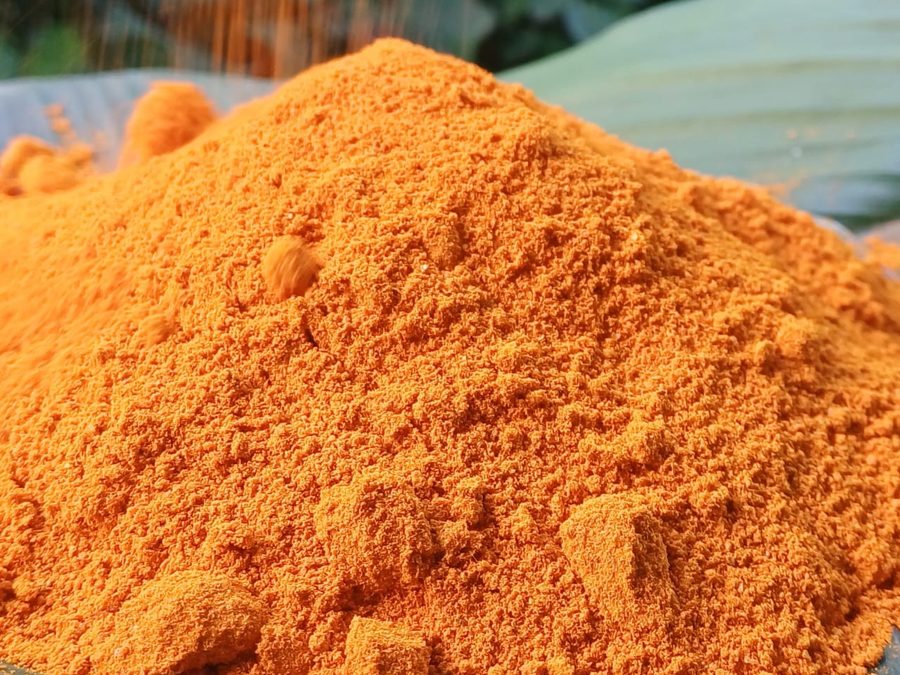
Turmeric
Mild, earthy and it stains everything — a fine spice for a baby.
Herbs & spices
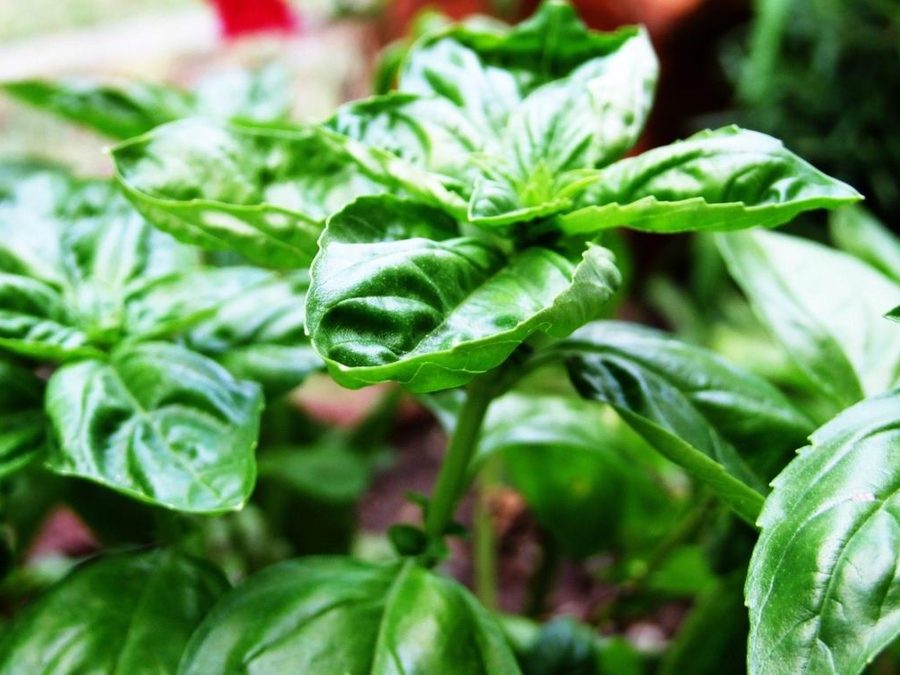
Basil
Fresh herbs are the best way to make food taste of something without salt.
Herbs & spices
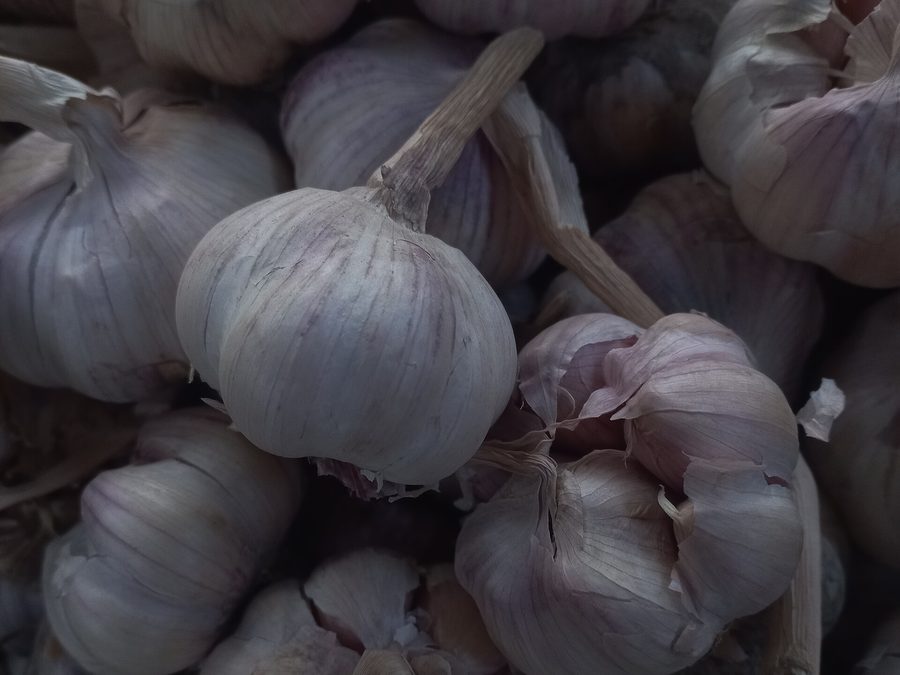
Garlic
Cooked garlic is sweet, not sharp — and it is safe from 6 months.
Wait a while
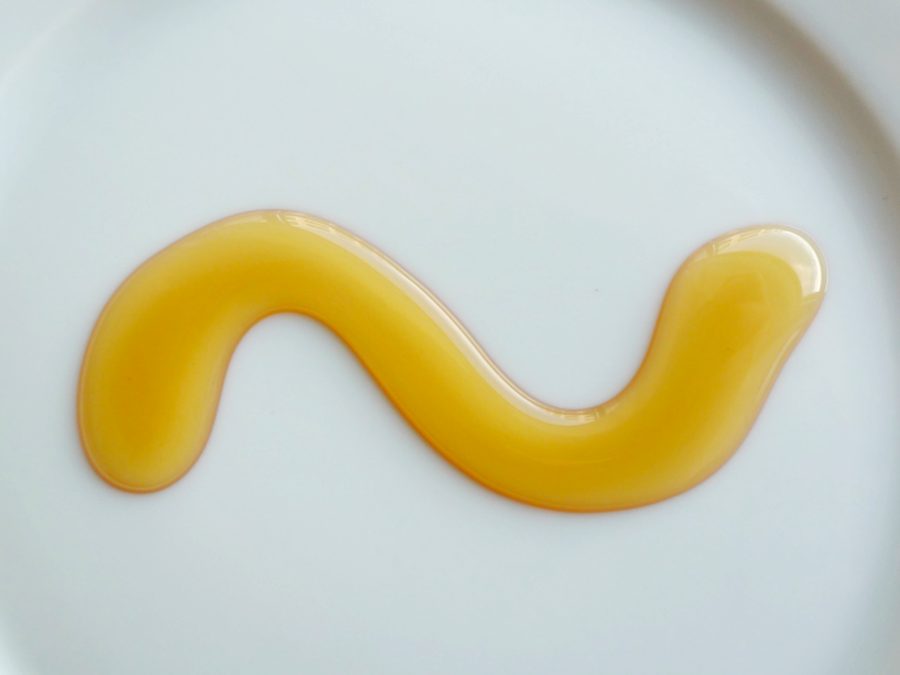
Honey
Not before 12 months, in any form, including baked. This one is absolute.
Wait a while
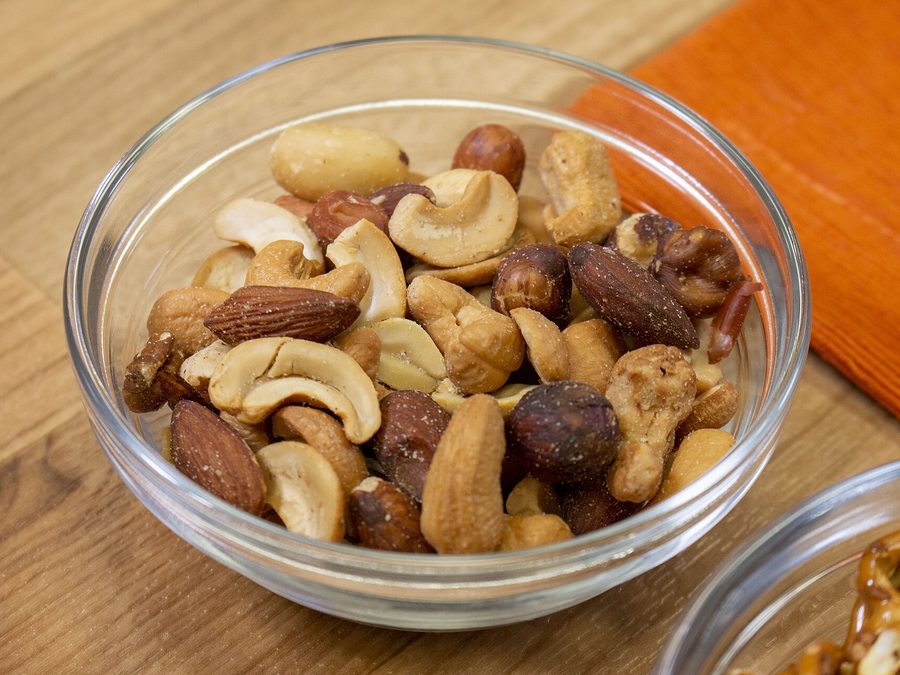
Whole nuts
Not until around 4 years — but nut butters and ground nuts should start at 6 months.
Wait a while
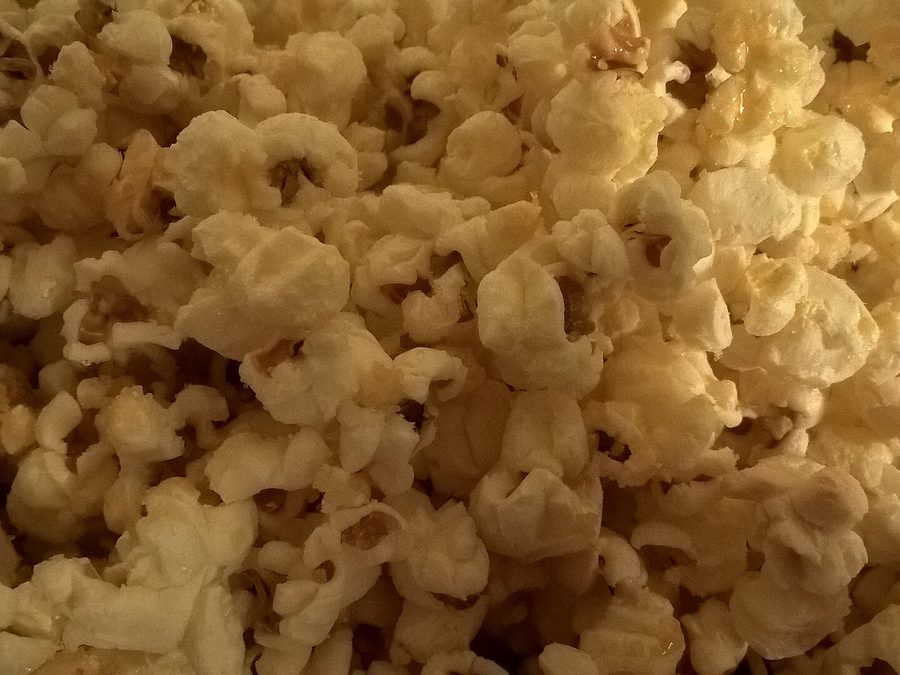
Popcorn
One of the highest-risk foods for young children. Not before 4 years.
Wait a while
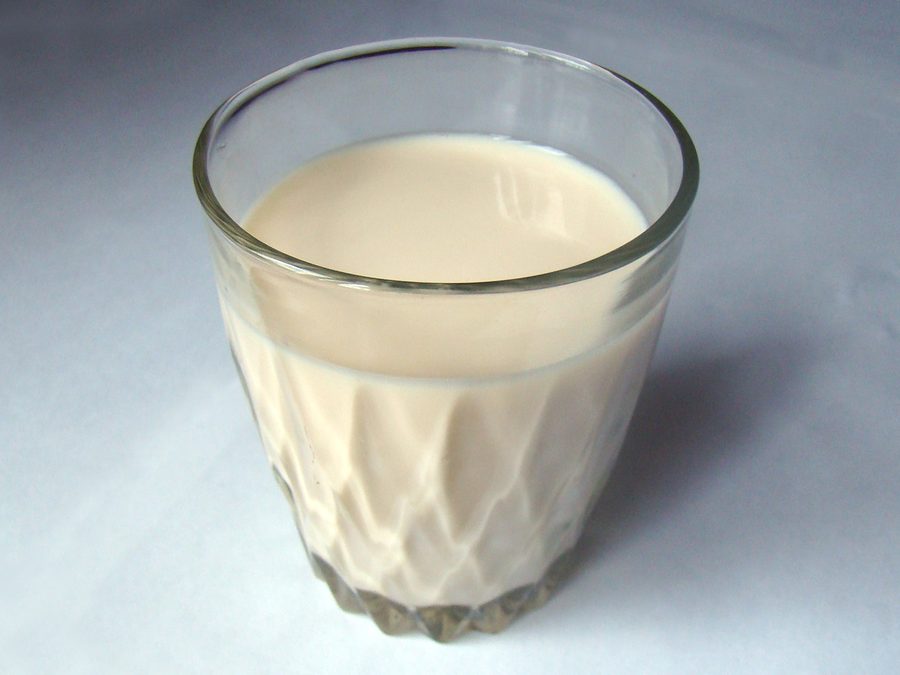
Cow's milk as a drink
Not as a main drink before 12 months — but fine in food from 6 months.
No foods match those filters. Try clearing one.