 FirstNom
Meat & fish
Duck for babies
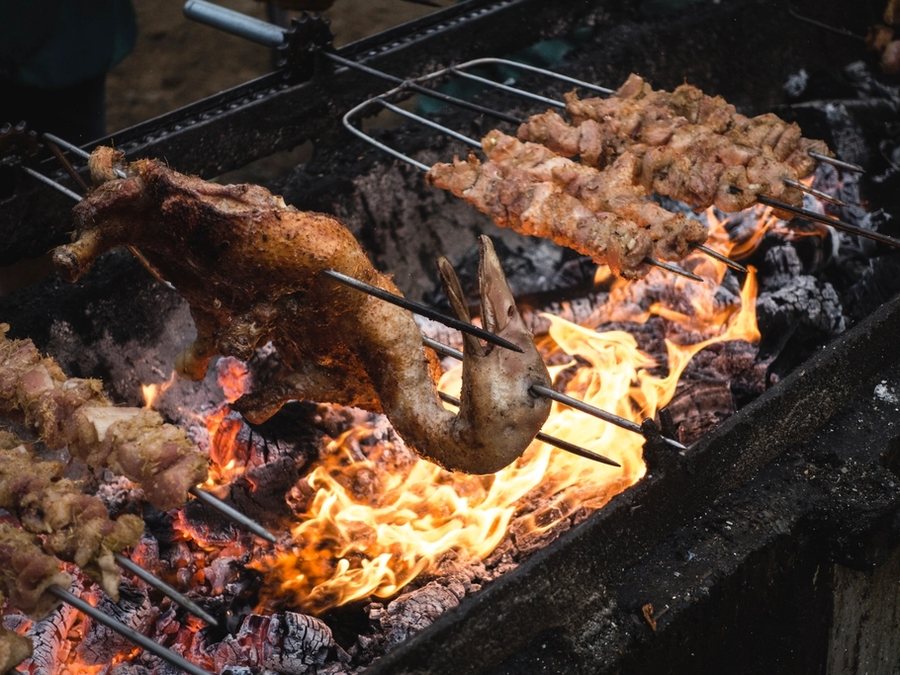
Duck is a genuinely good baby meat: darker than chicken, with more iron, and fat enough that it stays moist where chicken breast dries out.
When can babies have duck?
From around 6 months, cooked through and shredded or thinly sliced. Duck is all dark meat, which is why it carries more iron than chicken.
How do you serve duck to a baby?
The shape is what makes a food safe, and it changes as your baby’s grip and chewing change. Find your baby’s age band.
-
6–8 months
Slow-cook a duck leg until it falls apart, remove skin and bone, shred finely and moisten with the cooking juices.
-
9–11 months
Shredded duck in rice, noodles or a sauce.
-
12–18 months
Shredded duck, or thin slices of breast cut across the grain.
-
18–24 months
Family portions cut small. Watch the salt in Chinese-style preparations and hoisin sauce.
Prep tip
Duck legs confit-style — slow-cooked in their own fat — shred into the softest meat on this list, and they freeze in portions.
Storage
Cook duck to 74 °C / 165 °F. Cooked duck keeps two to three days refrigerated and freezes well.
Is duck a choking hazard for babies?
Slow-cooked duck shreds easily and is low risk. Roast duck breast is firmer and should be sliced thinly across the grain. The skin is chewy and fatty and should be removed for babies. Never give a bone.
Whatever you serve, stay within arm’s reach, keep your baby upright in a supportive seat, and never let them eat in a moving car, buggy or carrier. Gagging is loud and normal. Choking is silent.
Is duck a common allergen?
Duck is not one of the nine most common food allergens. Any food can trigger a reaction, though, so offer it on its own the first time and watch for hives, vomiting, swelling or a change in breathing over the next two hours.
Is duck healthy for babies?
Duck delivers heme iron at roughly twice the level of chicken breast, plus zinc and B12. Its higher fat content is an advantage for a baby who needs energy density, and slow-cooked duck leg shreds into an ideal texture.
| Iron (heme) | High |
|---|---|
| Protein | Very high |
| Zinc | Good source |
| Vitamin B12 | Very high |
| Selenium | Good source |
| Iron per serving | ~1.2 mg |
Common questions about duck
Is duck too fatty for a baby?
No. Babies need a high proportion of calories from fat, and duck fat is largely monounsaturated. Remove the skin, which is chewy rather than unhealthy.
Is duck better than chicken for iron?
Yes, meaningfully — roughly twice as much, because duck is all dark meat. Beef and lamb are still higher.
Reference material
Guidance on this page follows the sources listed below.
Foods parents look at next
Meat & fish
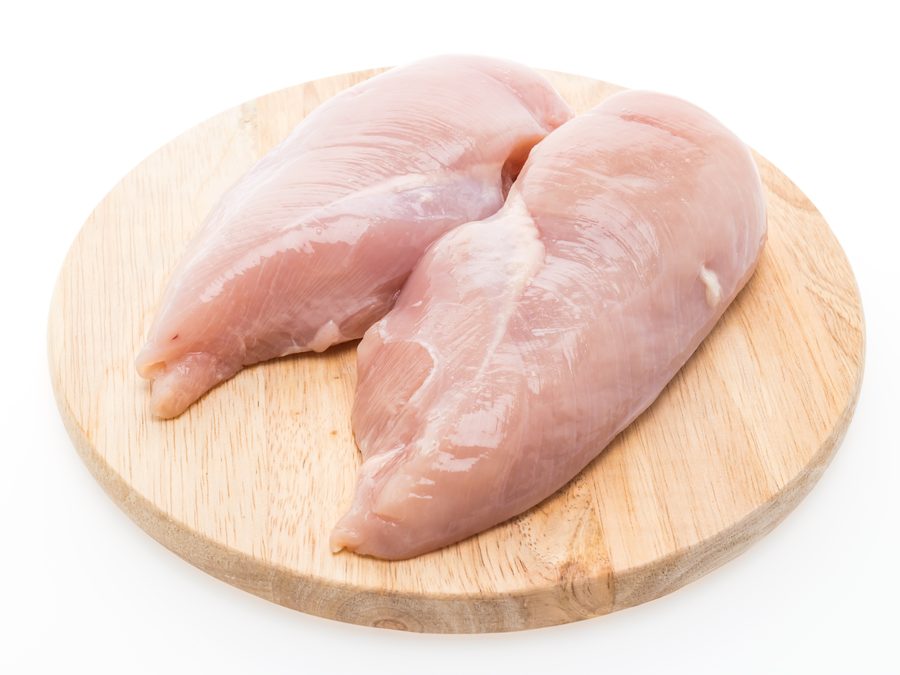
Chicken
Mild, familiar and easy to shred — the protein most babies accept without argument.
Meat & fish
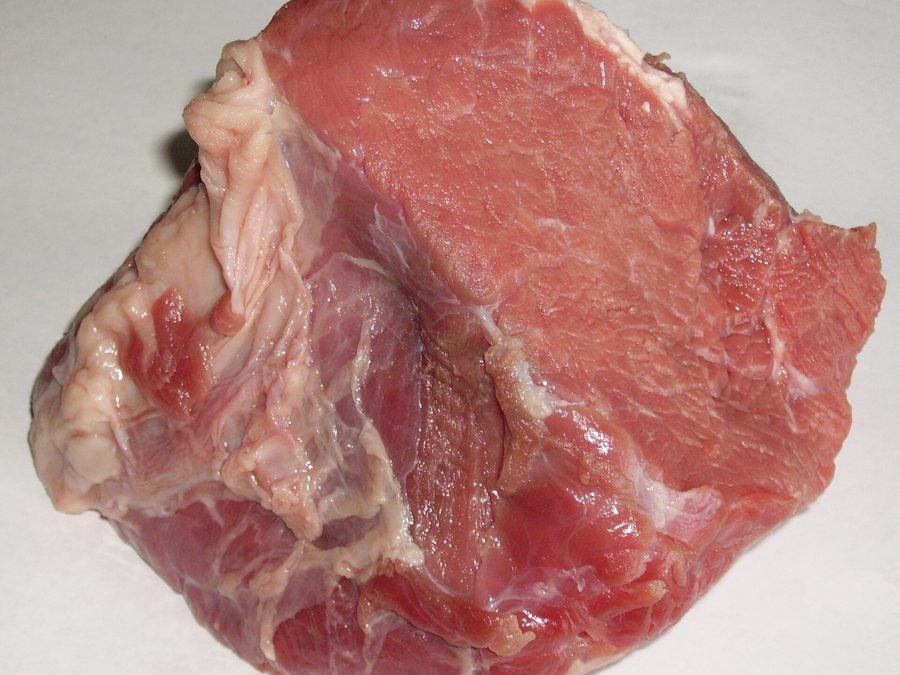
Beef
The single best food for closing the iron gap that opens at 6 months.
Meat & fish
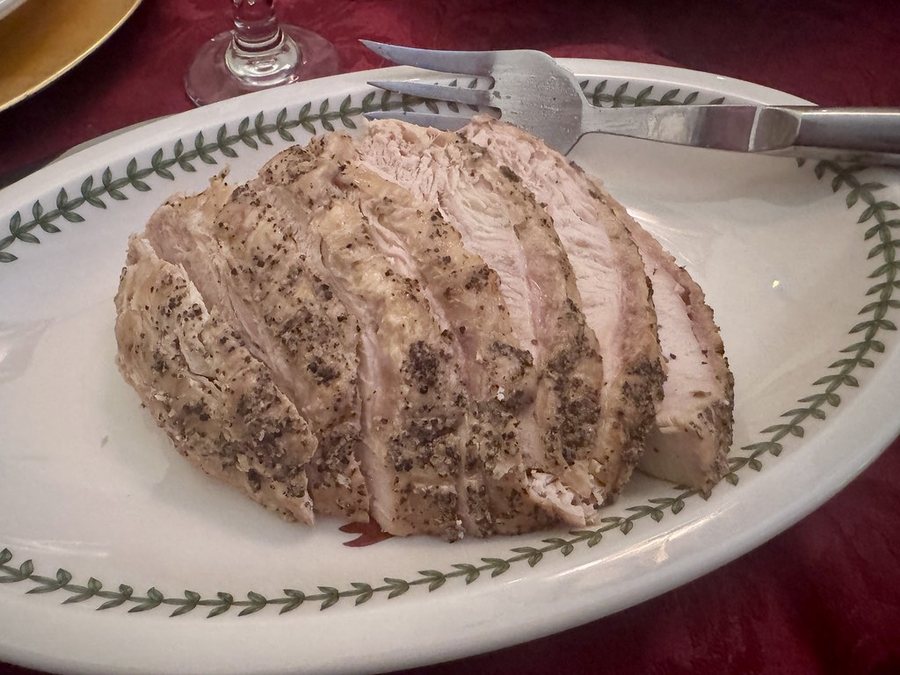
Turkey
Lean, mild and a touch more iron than chicken — with the same dryness problem.
Meat & fish
Lamb
Iron and zinc close to beef, with a stronger flavour babies often take better than adults expect.