 FirstNom
Meat & fish
Salmon for babies
Salmon is the fish most worth getting into your baby early: high in the omega-3 fats that matter for brain development, low in mercury, and one of the nine allergens best introduced in infancy.
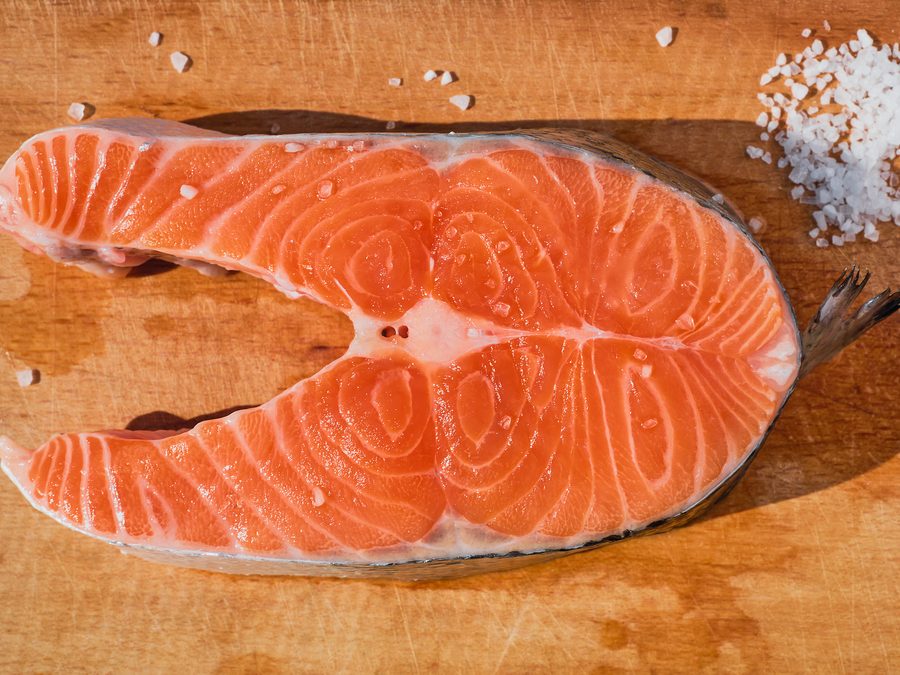
When can babies have salmon?
From around 6 months. Fish is one of the nine common allergens, and the same early-introduction logic applies as to egg and peanut: offer it early rather than waiting, then keep it in the rotation. The FDA and EPA recommend one to two servings of low-mercury fish a week for young children, and salmon is on the 'best choices' list.
How do you serve salmon to a baby?
The shape is what makes a food safe, and it changes as your baby’s grip and chewing change. Find your baby’s age band.
-
6–8 months
Bake or poach until it flakes, check meticulously for bones, and serve in soft chunks about the size of an adult thumb tip, or flaked into something that binds it — mashed potato, avocado or a thick sauce. Loose flakes are hard to pick up at this age.
-
9–11 months
Flaked, bones checked, either loose for the pincer grasp or shaped into small salmon patties with mashed potato.
-
12–18 months
Flaked, in fish cakes, in pasta, or as a portion of fillet with the skin off. Tinned salmon (in water, no added salt) is a fast option and the soft bones in it are edible and a good calcium source, though mash them well.
-
18–24 months
Family portions. Watch salt in smoked salmon — it is very high, and best kept occasional.
Prep tip
Bake salmon in a low oven with a splash of water and a lid or foil. It stays moist, and dry fish is the version babies reject.
Storage
Cook fresh salmon within a day or two of buying it. Cooked salmon keeps two days refrigerated. Reheat once, thoroughly.
Is salmon a choking hazard for babies?
The fish itself is soft and flakes apart easily. The hazard is bones. Run your fingers over every flake before it reaches the tray, even with fillets sold as boneless — pin bones are routinely missed at the counter. Skin can be tough and chewy, so remove it before about 12 months.
Whatever you serve, stay within arm’s reach, keep your baby upright in a supportive seat, and never let them eat in a moving car, buggy or carrier. Gagging is loud and normal. Choking is silent.
Is salmon a common allergen?
Fish is one of the nine common allergens, and unlike egg and milk, fish allergy usually persists into adulthood. Introduce salmon early and on its own, at home, earlier in the day, with two hours of watching. Fish and shellfish are separate allergens — being fine with salmon says nothing about prawns. If there is a family history of fish allergy, talk to your pediatrician first.
Is salmon healthy for babies?
Salmon is the best everyday source of DHA, the long-chain omega-3 fat that makes up a significant portion of the developing brain and retina. Very few foods supply it in a usable form — plant sources give ALA, which the body converts to DHA at a low and unreliable rate. It is also one of the strongest natural sources of vitamin D, which most babies in northern latitudes are short of, plus complete protein and B12.
| Omega-3 (DHA/EPA) | Very high |
|---|---|
| Protein | High |
| Vitamin D | Very high |
| Vitamin B12 | Very high |
| Selenium | High |
| Iron per serving | ~0.3 mg |
Common questions about salmon
Farmed or wild salmon for babies?
Both are fine and both are low in mercury. Wild salmon is slightly leaner; farmed is usually higher in total omega-3 because of the feed. Buy whichever you can afford and serve it regularly — the frequency matters far more than the type.
How much fish can a baby have per week?
The FDA and EPA advise one to two servings a week of low-mercury fish for young children, where a serving for a 1–3-year-old is about 30 g. Salmon, cod, sardines, trout and tilapia are all on the best-choices list. Avoid shark, swordfish, king mackerel, marlin and bigeye tuna entirely.
Can babies eat smoked salmon?
Occasionally, from 12 months, and not as a staple. It is very high in salt, and cold-smoked salmon is not cooked, which carries a small listeria risk. Hot-smoked is cooked but still salty.
Reference material
Guidance on this page follows the sources listed below.
Foods parents look at next
Meat & fish
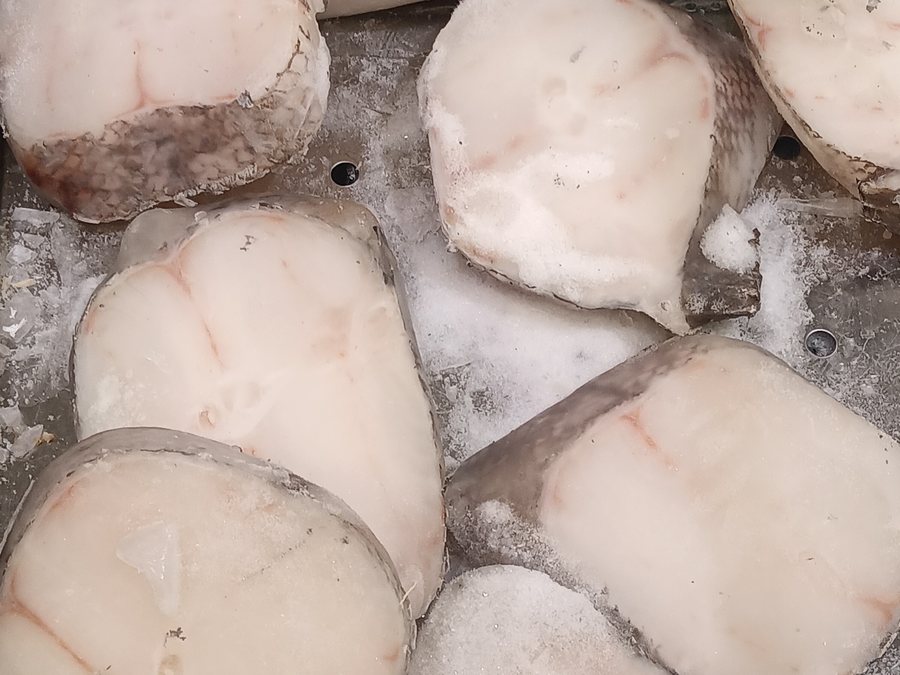
Cod
Mild, flaky and low in mercury — the least intimidating fish to start with.
Meat & fish
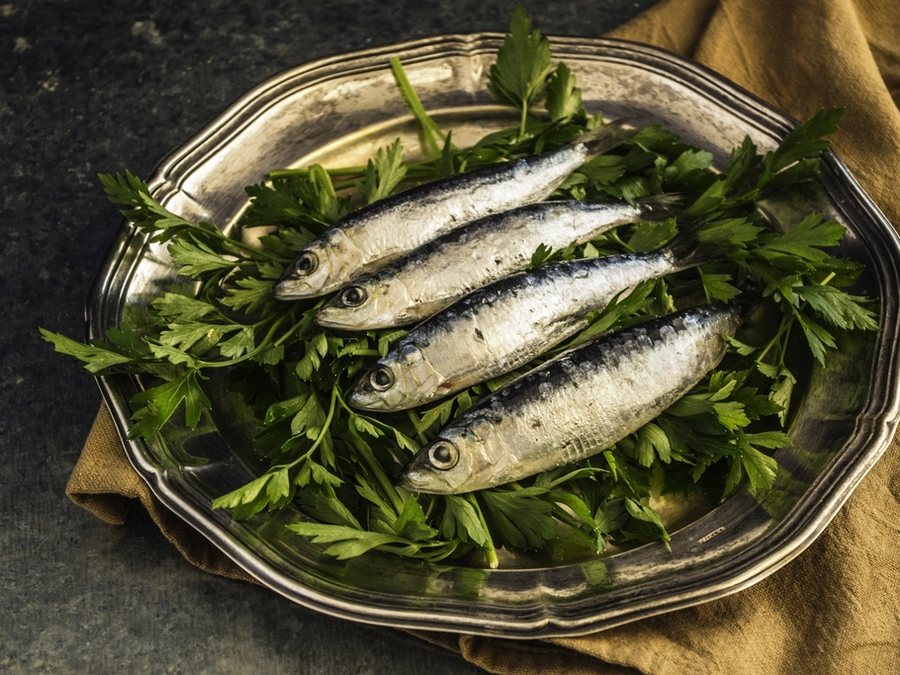
Sardines
Omega-3, vitamin D and edible bones full of calcium — cheap and genuinely excellent.
Meat & fish
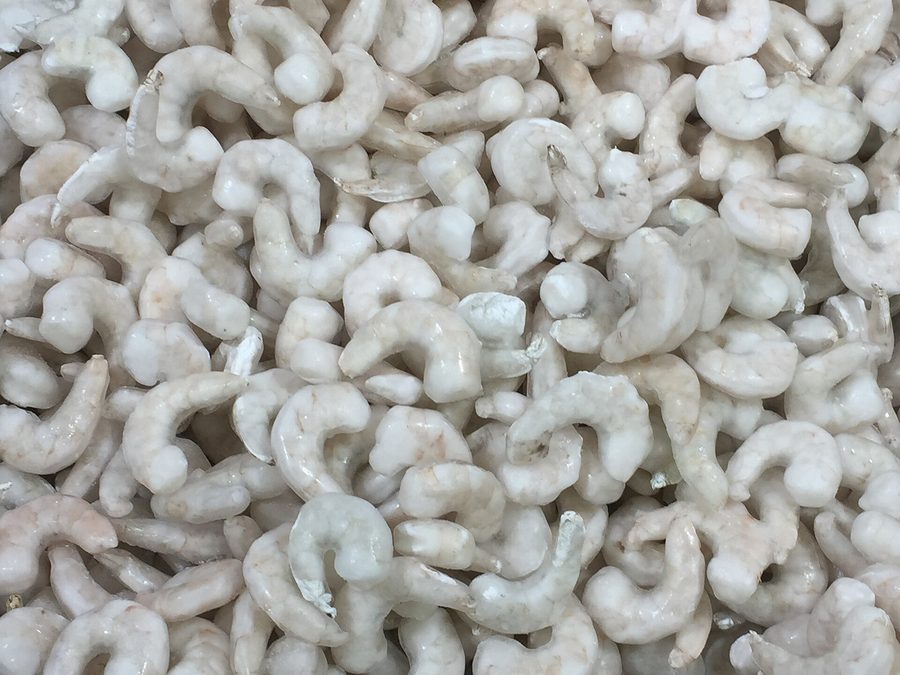
Shrimp
A shellfish introduction worth making early — chop it small, because shrimp is rubbery.
Dairy & eggs
Egg
A top-nine allergen worth introducing early — and one of the cheapest complete proteins there is.