 FirstNom
Dairy & eggs
Egg for babies
Egg is one of the nine common allergens, and current guidance is to introduce it early rather than delay. Well-cooked, whole egg — white and yolk together — from around 6 months.
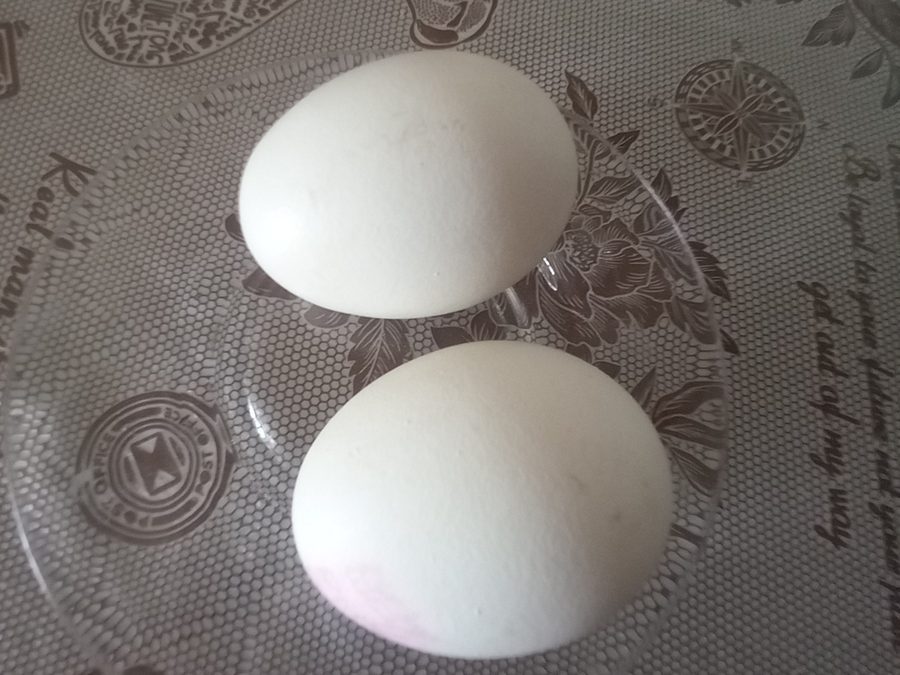
When can babies have egg?
From around 6 months, as one of the first allergens you introduce. The evidence changed direction here: delaying egg past the first year was standard advice a generation ago and is now understood to raise, not lower, the risk of egg allergy. Introduce it once a couple of ordinary first foods have gone down without a problem, on a day when you are home and unhurried, and keep it in the diet regularly afterwards.
How do you serve egg to a baby?
The shape is what makes a food safe, and it changes as your baby’s grip and chewing change. Find your baby’s age band.
-
6–8 months
Make a firm omelette, cook it through, and cut it into finger-width strips. Or scramble the egg fairly dry and serve it in soft clumps. Both white and yolk, cooked until no part is runny.
-
9–11 months
Bite-sized pieces of omelette or frittata, scrambled egg, or mashed hard-boiled egg mixed with yogurt or avocado.
-
12–18 months
Quartered hard-boiled egg, egg in fried rice, French toast fingers, or egg-based pancakes.
-
18–24 months
Egg however the family eats it, as long as it is fully cooked. Runny yolks are a separate question — see below.
Prep tip
An omelette cut into strips is the easiest first egg. Scrambled egg breaks into pieces too small to pick up until the pincer grasp arrives.
Storage
Cooked egg keeps two days refrigerated. Do not leave cooked egg at room temperature for more than two hours, and reheat only once.
Is egg a choking hazard for babies?
Well-cooked egg is low risk, but hard-boiled egg white is rubbery and hard-boiled yolk is dry and crumbly enough to make some babies gag. An omelette or scrambled egg is an easier texture to start with. If you serve hard-boiled egg, mash the yolk with a little yogurt or avocado to stop it going powdery in the mouth.
Whatever you serve, stay within arm’s reach, keep your baby upright in a supportive seat, and never let them eat in a moving car, buggy or carrier. Gagging is loud and normal. Choking is silent.
Is egg a common allergen?
Egg is one of the nine most common food allergens and one of the most common in infants specifically — around 1 to 2 in 100 young children are affected. The good news is that most children outgrow it, often by school age. Introduce well-cooked egg early, on its own, at home, earlier in the day, and watch for two hours. Many children who react to lightly cooked egg tolerate it baked into cake or bread, because heat changes the proteins. If your baby has severe eczema or a diagnosed food allergy, talk to your pediatrician before the first introduction — they may want it supervised.
Is egg healthy for babies?
Egg is close to a complete infant food. It is one of the very few natural sources of vitamin D, it is the single best source of choline in a typical diet — which matters for brain development at exactly this stage — and it brings high-quality protein, B12 and selenium. The yolk carries most of the nutrition, so serve the whole egg rather than the white alone.
| Protein | Very high |
|---|---|
| Choline | Very high |
| Vitamin D | Good source |
| Vitamin B12 | Good source |
| Selenium | Good source |
| Iron per serving | ~0.6 mg |
Common questions about egg
White or yolk first?
Together. The old advice to introduce yolk first came from a belief that the white was the allergenic part, but current guidance is to offer whole, well-cooked egg — you get the full nutrition and a clearer picture of tolerance.
What counts as 'well-cooked'?
No runny or jelly-like part anywhere: the white fully set and opaque, the yolk firm. This is about salmonella, not allergy. Where eggs carry a British Lion mark or equivalent salmonella-control certification, runny yolks are considered acceptable for babies from 6 months by the UK Food Standards Agency — check what applies where you live.
How often should my baby eat egg once it is introduced?
Regularly — roughly twice a week is the usual advice. Introducing an allergen once and then dropping it does not maintain tolerance. The maintenance is the part most families miss.
Can babies eat egg every day?
Yes. There is no cholesterol restriction for babies and toddlers, and daily egg is a reasonable way to keep protein and choline up. Vary the protein sources anyway.
Reference material
Guidance on this page follows the sources listed below.
Foods parents look at next
Nuts & seeds
Peanut butter
Early, regular peanut is the single best-evidenced way to reduce the risk of peanut allergy.
Dairy & eggs
Yogurt
Plain whole-milk yogurt is fine from 6 months — long before cow's milk as a drink.

Dairy & eggs
Cheese
Calcium, fat and protein in one — the trick is picking a low-salt one and cutting it right.
Meat & fish
Salmon
Omega-3, vitamin D and a top-nine allergen worth introducing early — in one soft, flaky food.