 FirstNom
Dairy & eggs
Cheese for babies
Cheese is a useful early dairy food, but two things need attention: it is one of the saltiest foods most babies meet, and a cube of cheese is a classic choking shape.
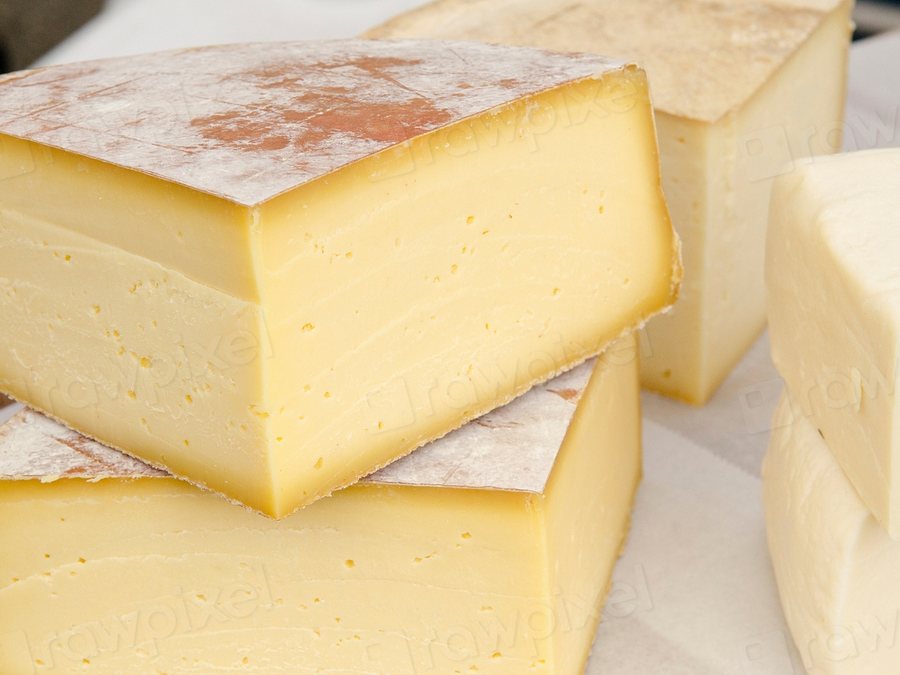
When can babies have cheese?
From around 6 months, in small amounts. Pasteurised, full-fat cheese only. Avoid mould-ripened soft cheeses (brie, camembert), blue cheeses and any unpasteurised cheese until at least 12 months because of listeria risk.
How do you serve cheese to a baby?
The shape is what makes a food safe, and it changes as your baby’s grip and chewing change. Find your baby’s age band.
-
6–8 months
Grated into other food — mashed potato, scrambled egg, pasta — or cut into thin matchsticks. Choose lower-salt options: mozzarella, ricotta, cream cheese and mild cheddar are the gentler end.
-
9–11 months
Grated, or thin strips. Melted into a vegetable bake works well.
-
12–18 months
Thin strips, grated, or torn pieces. Cubes are still worth avoiding.
-
18–24 months
Most cheeses, in modest amounts. Unpasteurised and mould-ripened cheeses are fine from 12 months for most children, though check with your doctor if your child is immunocompromised.
Prep tip
Grate rather than cube. It removes the choking shape and spreads the salty flavour further through the meal.
Storage
Keep wrapped in the fridge. Grated cheese freezes well and can go straight from freezer to a hot dish.
Is cheese a choking hazard for babies?
Cubes of firm cheese are a recognised hazard — they are exactly airway-sized and do not compress. Grate cheese, or cut it into thin matchsticks or strips rather than cubes, until at least 12 months and ideally longer. Cheese strings and processed cheese sticks are the same shape problem and should be pulled apart lengthways.
Whatever you serve, stay within arm’s reach, keep your baby upright in a supportive seat, and never let them eat in a moving car, buggy or carrier. Gagging is loud and normal. Choking is silent.
Is cheese a common allergen?
Cheese is a milk product, and milk is one of the nine common allergens and the most common in infancy. If your baby has already had yogurt without a reaction, cheese is very unlikely to be a problem, but introduce it on its own the first time anyway. Cow's milk protein allergy is not the same as lactose intolerance, which is rare in babies.
Is cheese healthy for babies?
Cheese is calorie-dense, which is genuinely useful for a baby eating small volumes, and it is one of the best calcium sources available. It also carries protein, fat and B12. The catch is sodium: a baby under 12 months should have less than 1 g of salt a day, and hard cheeses can carry 1.5–2 g per 100 g. Small amounts, not a staple.
| Calcium | Very high |
|---|---|
| Protein | High |
| Fat | High |
| Vitamin B12 | Good source |
| Sodium | High — check the label |
| Iron per serving | ~0.1 mg |
Common questions about cheese
Which cheeses are lowest in salt for a baby?
Ricotta, mozzarella, cream cheese and mascarpone sit at the low end. Halloumi, feta, parmesan and blue cheeses are at the high end and are best kept small and occasional.
Can babies have brie or blue cheese?
Not before 12 months. Mould-ripened soft cheeses and blue cheeses carry a higher listeria risk. Cooked thoroughly — baked into a dish until piping hot — they are considered acceptable earlier, but the salt is still high.
Reference material
Guidance on this page follows the sources listed below.
Foods parents look at next
Dairy & eggs
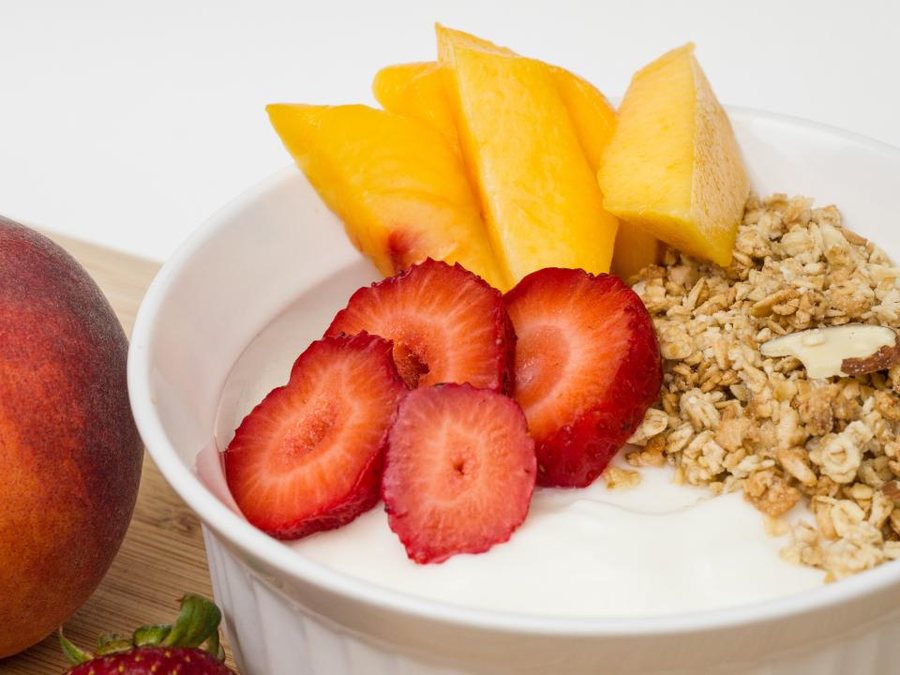
Yogurt
Plain whole-milk yogurt is fine from 6 months — long before cow's milk as a drink.
Dairy & eggs
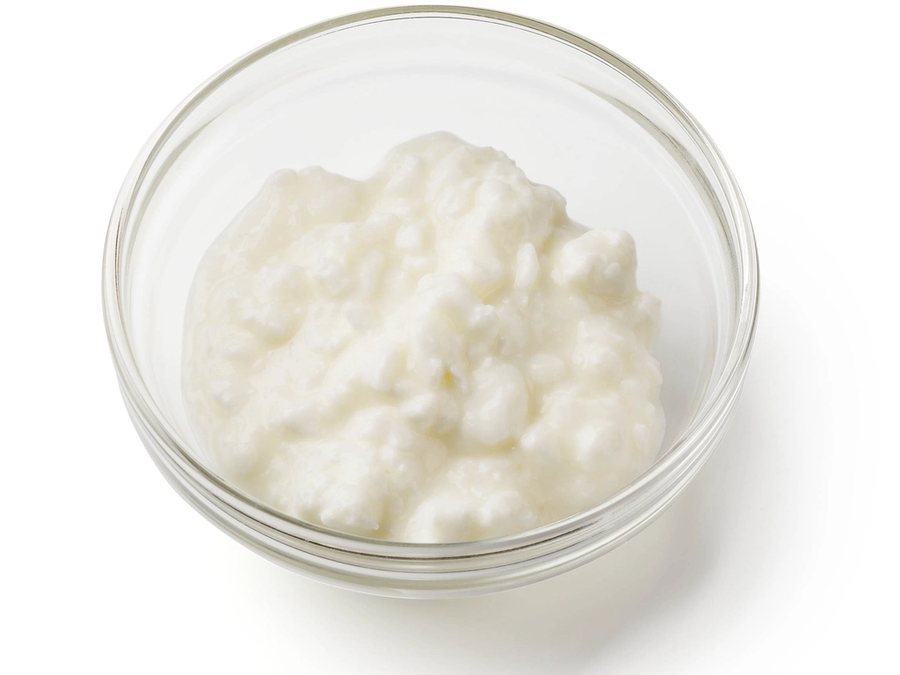
Cottage cheese
Soft, high in protein and much lower in salt than hard cheese.
Dairy & eggs
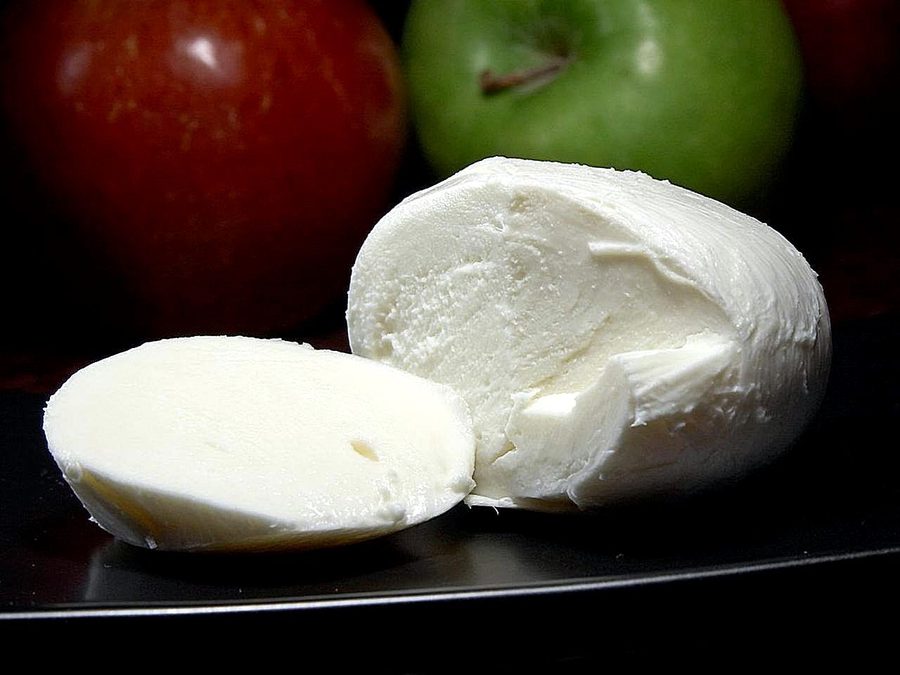
Mozzarella
One of the mildest, lowest-salt cheeses — but never in cubes or sticks.
Dairy & eggs
Cheddar
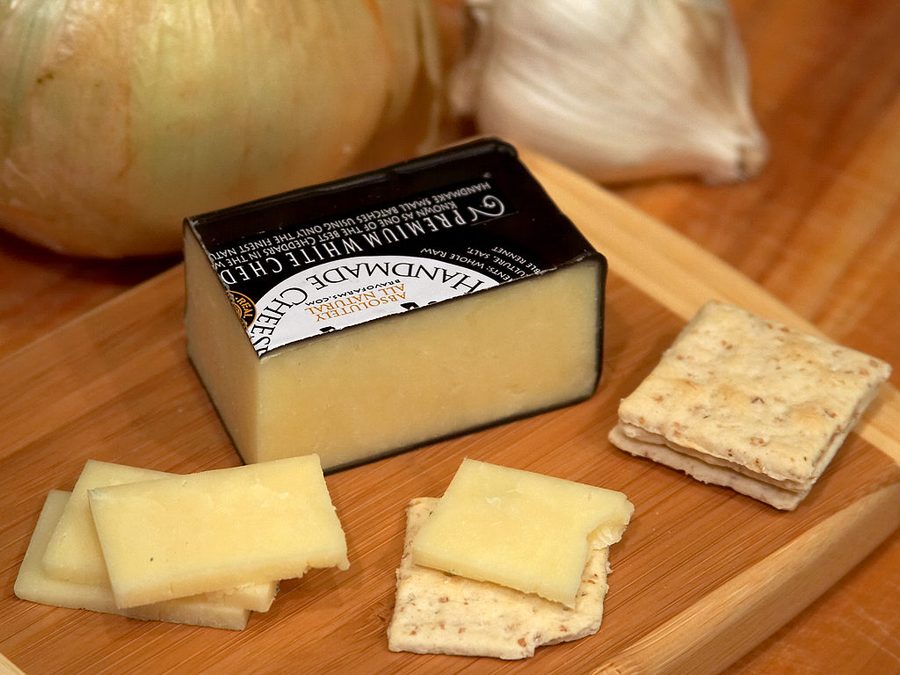
High in calcium, high in salt — grate it and keep the portion small.