 FirstNom
Nuts & seeds
Peanut butter for babies
Peanut is the allergen with the strongest evidence behind early introduction — and the one with the strictest rule about texture. Thinned smooth peanut butter, never a spoonful of it, never a whole nut.
When can babies have peanut butter?
From around 6 months, once a few ordinary first foods have gone down without incident. The LEAP trial found that introducing peanut in infancy and keeping it in the diet cut the rate of peanut allergy by around 80% in high-risk babies, and NIAID guidance now recommends introduction between 4 and 6 months for infants with severe eczema or egg allergy — with a clinician's involvement — and around 6 months for everyone else.
How do you serve peanut butter to a baby?
The shape is what makes a food safe, and it changes as your baby’s grip and chewing change. Find your baby’s age band.
-
6–8 months
Stir roughly a teaspoon of smooth peanut butter into 2–3 teaspoons of warm water, breast milk or formula until it is thin and pourable. Mix that into oatmeal or purée, or spread it very thinly on a strip of toast. First exposure: a small amount, at home, earlier in the day, with two hours of watching afterwards.
-
9–11 months
Thinly spread on toast fingers or rice cakes, stirred into yogurt, or blended into a smoothie. Still smooth, still thin, never a spoonful.
-
12–18 months
Thin layers on toast, in sauces, or baked into oat bars. Crunchy peanut butter can go in from around 12 months if the pieces are genuinely small, but smooth is safer.
-
24 months+
Whole peanuts stay off the menu until at least 4 years old, and many national guidelines say 5. Peanut butter itself should still be spread, not spooned.
Prep tip
Use a peanut butter with no added salt or sugar and a short ingredient list. Some 'natural' butters separate — stir the oil back in thoroughly or the top of the jar is oil and the bottom is a solid brick.
Storage
Store natural peanut butter upside down so the oil redistributes, and refrigerate after opening to slow separation.
Is peanut butter a choking hazard for babies?
This one matters. A blob of thick peanut butter can stick to the roof of the mouth and the back of the throat, and whole peanuts are among the highest-risk choking foods there are. Peanut butter must always be thinned — stirred into water, breast milk, formula, yogurt or purée until it is the consistency of a runny sauce — and never served straight off the spoon. Whole and chopped peanuts stay off the menu until at least 4 years, and many guidelines say 5.
Whatever you serve, stay within arm’s reach, keep your baby upright in a supportive seat, and never let them eat in a moving car, buggy or carrier. Gagging is loud and normal. Choking is silent.
Is peanut butter a common allergen?
Peanut is one of the nine common allergens and one of the most likely to persist into adulthood. Introduce it early and — critically — keep it going: current guidance is to include peanut in the diet regularly, around twice a week, rather than offering it once. If your baby has severe eczema, an existing egg allergy, or a diagnosed food allergy, do not do the first introduction unsupervised — talk to your pediatrician or an allergist first, as they may recommend testing or an in-office introduction.
Is peanut butter healthy for babies?
Nutritionally peanut butter is a good source of protein, unsaturated fat, vitamin E and magnesium, and it makes a genuinely useful calorie-dense addition to porridge or fruit. But the reason it appears this high in the list is not nutrition — it is allergy prevention, and it is one of the few interventions in infant feeding with a large randomised trial behind it.
| Protein | High |
|---|---|
| Healthy fats | Very high |
| Vitamin E | High |
| Niacin | High |
| Magnesium | Good source |
| Iron per serving | ~0.6 mg |
Common questions about peanut butter
How much peanut should my baby have, and how often?
The LEAP protocol used about 6 g of peanut protein a week, split across three or more feeds — roughly two teaspoons of peanut butter a week in total. What matters more than the exact number is the regularity: a couple of times a week, ongoing.
What does a reaction look like?
Usually within minutes to two hours: hives, swelling around the lips or eyes, vomiting, sudden loose stool, or a change in behaviour. Difficulty breathing, a swollen tongue, floppiness or a widespread rash is an emergency — call your emergency number, do not drive to a hospital yourself.
Can I use peanut puffs instead?
Yes. Dissolvable peanut puff snacks are designed for this and are a reasonable alternative to thinned butter, especially for a baby who rejects the texture. Check the peanut protein per serving on the pack so you know what you are giving.
Is peanut allergy the same as tree nut allergy?
No. A peanut is a legume, not a tree nut. Some children have both, but a peanut allergy does not mean almond or cashew is automatically off the table — that is a conversation for your allergist.
Reference material
Guidance on this page follows the sources listed below.
Foods parents look at next

Nuts & seeds
Almond butter
A tree-nut introduction that also happens to be a decent calcium source.
Nuts & seeds
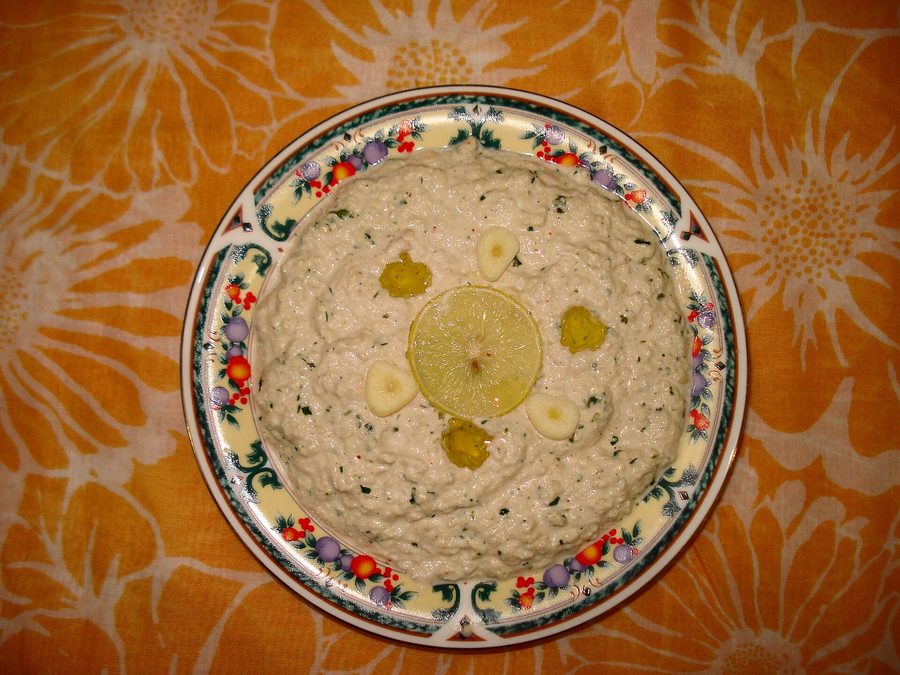
Tahini
The simplest way to introduce sesame — thin it first, exactly like peanut butter.
Nuts & seeds
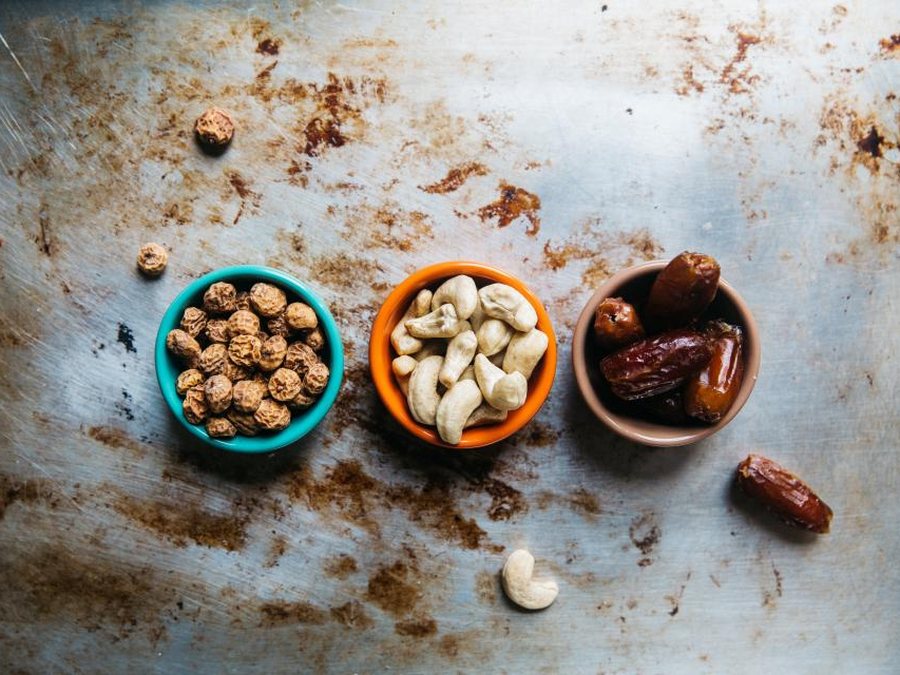
Cashew butter
Mild and creamy — and one of the tree nuts most likely to cause a reaction.
Dairy & eggs
Egg
A top-nine allergen worth introducing early — and one of the cheapest complete proteins there is.