 FirstNom
Nuts & seeds
Almond butter for babies
Tree nuts are one allergen group with many members, and almond is the usual starting point. Thinned smooth almond butter, never whole nuts, never a spoonful of paste.

When can babies have almond butter?
From around 6 months, thinned. Tree nuts are one of the nine common allergens and the early-introduction evidence that applies to peanut is generally extended to them, though the trial evidence is not as strong.
How do you serve almond butter to a baby?
The shape is what makes a food safe, and it changes as your baby’s grip and chewing change. Find your baby’s age band.
-
6–8 months
Thin a teaspoon with warm water, breast milk or formula until pourable, then stir into porridge, yogurt or fruit purée. Or spread very thinly on toast fingers.
-
9–11 months
Thin layers on toast or rice cakes, stirred into yogurt, blended into smoothies.
-
12–18 months
Thinly spread, in baking, in sauces. Ground almond can be used as a coating for slippery foods.
-
24 months+
Whole almonds wait until at least 4 years. Flaked and ground almonds are fine earlier.
Prep tip
Ground almond makes an excellent grip coating for slippery foods like avocado, banana and mango — and it introduces tree nut at the same time.
Storage
Refrigerate after opening to stop the oil separating and going rancid.
Is almond butter a choking hazard for babies?
Thick nut butter can stick in the throat and whole almonds are a top-tier choking hazard. Always thin the butter to a pourable consistency or spread it very thinly. Whole and chopped nuts stay off the menu until at least 4 years, and many guidelines say 5.
Whatever you serve, stay within arm’s reach, keep your baby upright in a supportive seat, and never let them eat in a moving car, buggy or carrier. Gagging is loud and normal. Choking is silent.
Is almond butter a common allergen?
Tree nut is one of the nine common allergens, and it is a group rather than a single food — almond, cashew, walnut, hazelnut, pistachio, pecan, Brazil and macadamia are separate proteins. Tolerating almond does not guarantee tolerating cashew, which is one of the more reactive ones. Introduce them one at a time, a few days apart. Peanut is a legume and a separate allergen entirely.
Is almond butter healthy for babies?
Almond butter is the best nut source of vitamin E and one of the better plant calcium sources, alongside healthy fats and magnesium. Like all nut butters it is calorie-dense, which is useful for a baby eating small volumes. Buy one with no added sugar or salt — the ingredient list should say almonds and nothing else.
| Vitamin E | Very high |
|---|---|
| Healthy fats | Very high |
| Calcium | Good source |
| Magnesium | High |
| Protein | Good source |
| Iron per serving | ~0.6 mg |
Common questions about almond butter
Do I need to introduce every tree nut separately?
Ideally yes, a few days apart, because they are distinct proteins. In practice most families introduce two or three of the common ones — almond, cashew, walnut — and treat the rest as they come up.
Is almond milk a substitute for almond butter?
Not for introduction purposes. Almond milk is mostly water and contains very little almond protein, so it is a poor test of tolerance and a poor source of nutrition.
Reference material
Guidance on this page follows the sources listed below.
Foods parents look at next

Nuts & seeds
Cashew butter
Mild and creamy — and one of the tree nuts most likely to cause a reaction.

Nuts & seeds
Peanut butter
Early, regular peanut is the single best-evidenced way to reduce the risk of peanut allergy.
Nuts & seeds
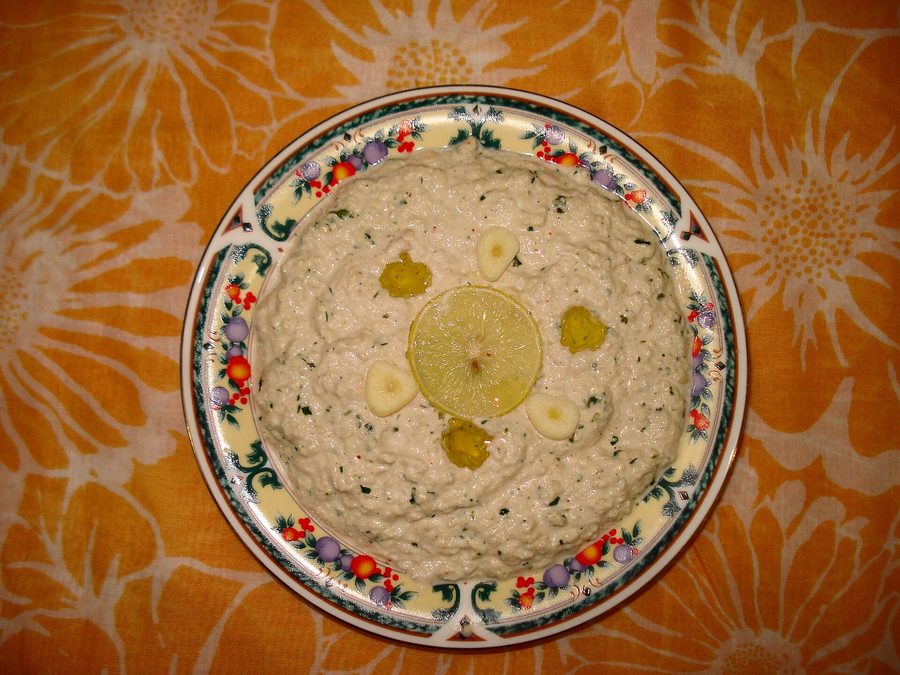
Tahini
The simplest way to introduce sesame — thin it first, exactly like peanut butter.
Nuts & seeds
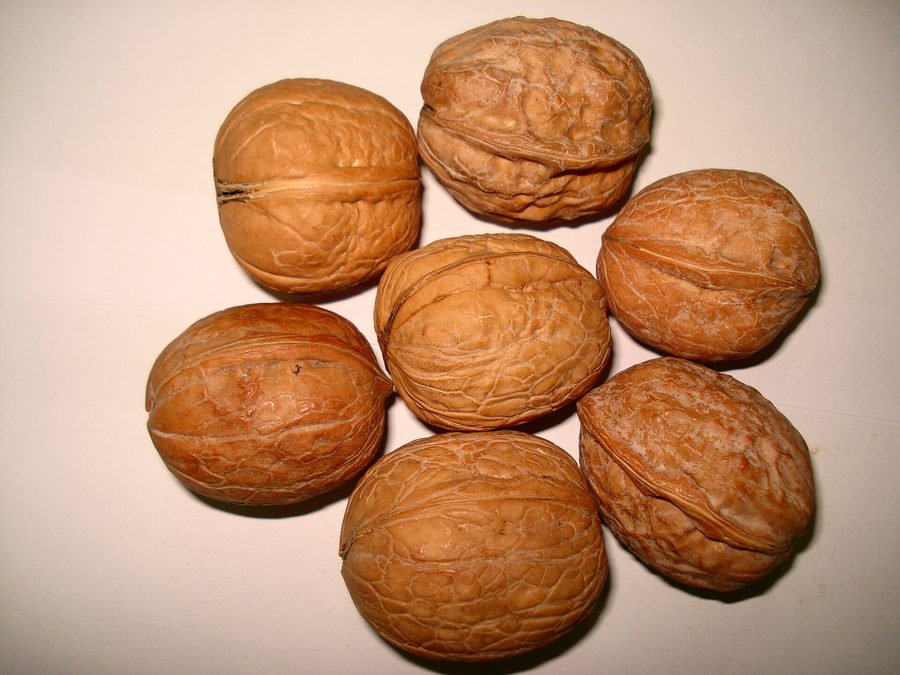
Walnut butter
The best plant source of omega-3 among the nuts.