 FirstNom
Beans & legumes
Hummus for babies
Hummus is one of the most efficient baby foods there is: chickpea iron, tahini calcium, lemon vitamin C to help absorb the iron, and a texture a baby can push a hand into.
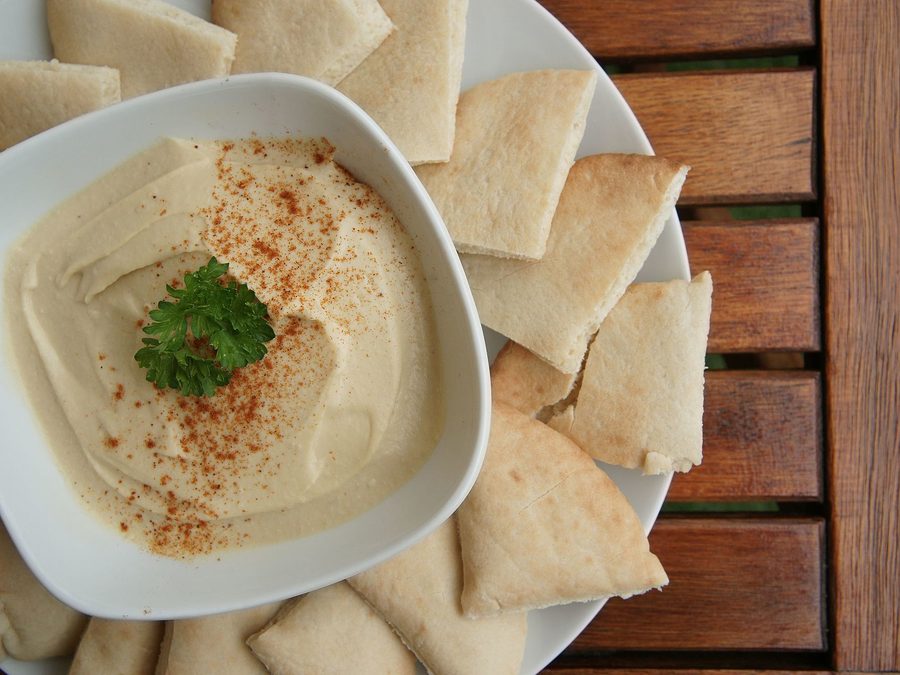
When can babies have hummus?
From around 6 months, ideally home-made or a low-salt version. Because hummus contains tahini, the first serving doubles as a sesame introduction — treat it accordingly.
How do you serve hummus to a baby?
The shape is what makes a food safe, and it changes as your baby’s grip and chewing change. Find your baby’s age band.
-
6–8 months
Spread on toast fingers, or served as a dip thick enough for a baby to scoop with a whole hand. Thin slightly with water if it is stiff.
-
9–11 months
As a dip for soft vegetable batons and toast strips.
-
12–18 months
Dip, sandwich filling, or stirred into pasta as a quick sauce.
-
18–24 months
As the family eats it. Watch the salt in shop-bought.
Prep tip
Home-made takes five minutes: a tin of rinsed chickpeas, a spoon of tahini, olive oil, lemon juice, a splash of water. No salt. It freezes in ice-cube trays.
Storage
Home-made hummus keeps three days refrigerated and freezes in portions. Shop-bought follows the date on the tub.
Is hummus a choking hazard for babies?
No choking risk. The consideration with hummus is salt, not texture — most shop-bought tubs carry around 1 g of salt per 100 g, against a daily limit of under 1 g for a baby.
Whatever you serve, stay within arm’s reach, keep your baby upright in a supportive seat, and never let them eat in a moving car, buggy or carrier. Gagging is loud and normal. Choking is silent.
Is hummus a common allergen?
Almost all hummus contains tahini, which is sesame — one of the nine common allergens. Check the label, because a few brands leave it out and would then not count as a sesame introduction. Treat the first hummus as a deliberate sesame exposure: small, on its own, at home, earlier in the day, two hours of watching.
Is hummus healthy for babies?
Hummus combines several things that work well together: chickpea iron and protein, tahini calcium and fat, and lemon juice whose vitamin C improves absorption of the iron in the same mouthful. It is also calorie-dense, spreadable and freezes in portions, which makes it one of the most practical foods on this list.
| Iron (non-heme) | High |
|---|---|
| Protein | Good source |
| Calcium (from tahini) | Good source |
| Fibre | High |
| Healthy fats | High |
| Iron per serving | ~1.1 mg |
Common questions about hummus
How much salt is in shop-bought hummus?
Commonly around 0.8–1.2 g per 100 g. A generous baby portion could take most of a day's allowance. Look for reduced-salt versions or make it yourself.
Does all hummus contain sesame?
Nearly all, through tahini, but not every brand. If you are relying on hummus to introduce sesame, read the ingredients and confirm tahini is in there.
Reference material
Guidance on this page follows the sources listed below.
Foods parents look at next
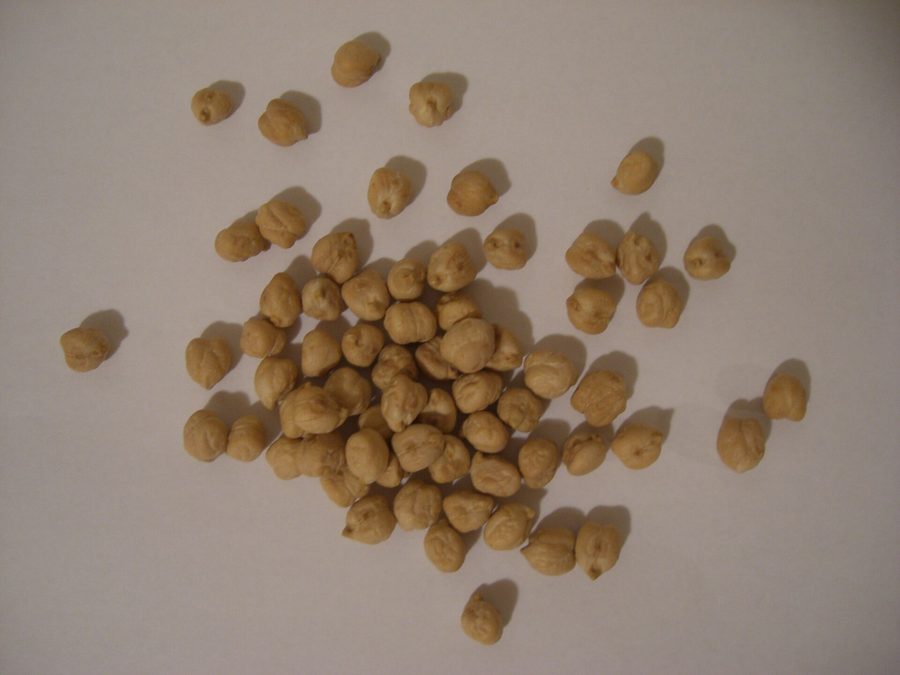
Beans & legumes
Chickpeas
Hummus is one of the great baby foods — and it doubles as a sesame introduction.
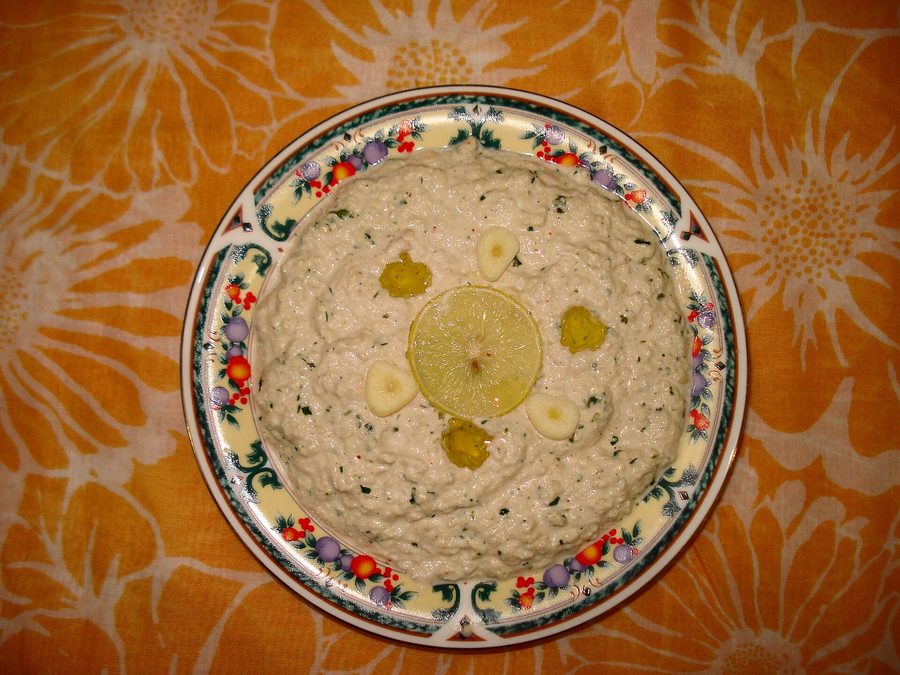
Nuts & seeds
Tahini
The simplest way to introduce sesame — thin it first, exactly like peanut butter.
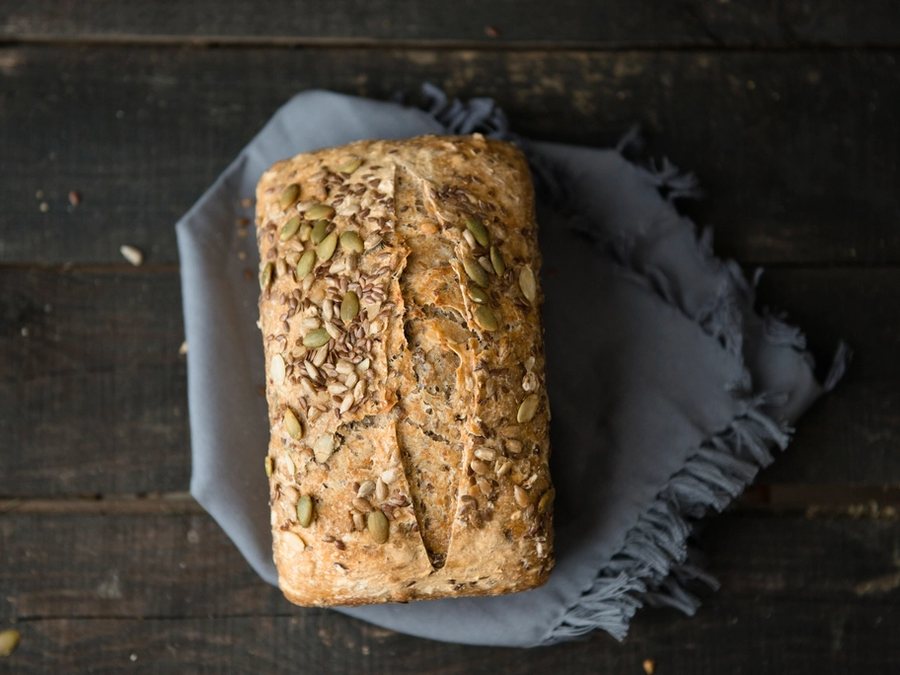
Grains
Bread
The easiest way to introduce wheat — toast it, because soft bread balls up in the mouth.
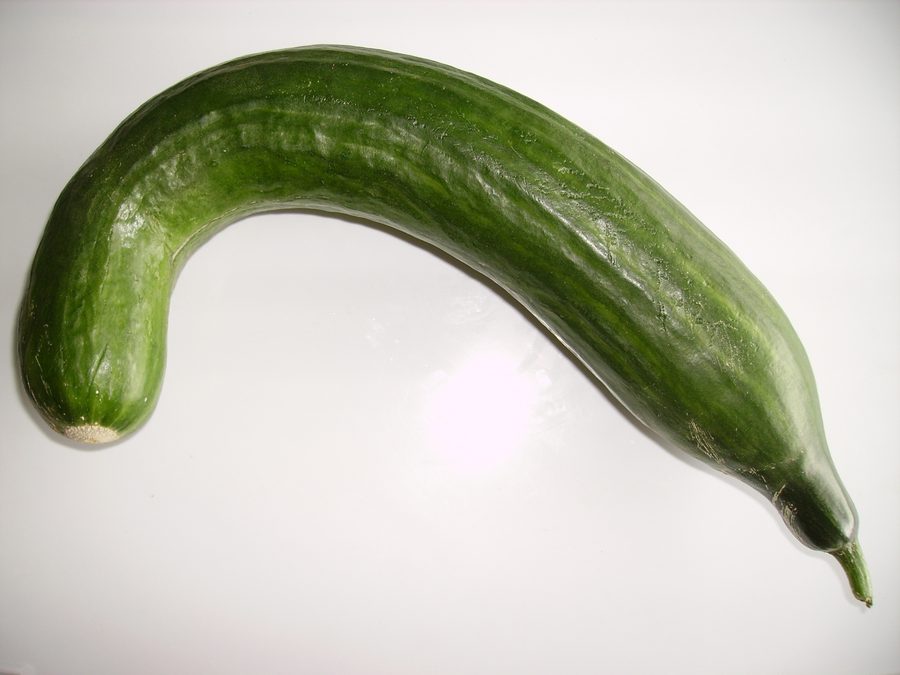
Vegetable
Cucumber
Cool, hydrating and brilliant for teething gums — but never in coins.