 FirstNom
Baby-led weaning, 6–24 months
First foods, without the guesswork.
Look up any food and see how to serve it safely at your baby’s age — plus a tracker that remembers which allergens you have introduced, and turns it into a PDF your pediatrician can read.
Safety content is free forever. No account needed to browse.


- 150+ foods with age-by-age serving guidance
- Choking risk and allergen status on every food
- Allergen tracker with a pediatrician PDF export


Three things, done properly
First-foods database
Every food answers the same four questions: when can my baby have it, how do I cut it, is it a choking risk, is it a common allergen. Written to be read one-handed at 6am.
Barcode scanner
Scan a jar, pouch or packet and FirstNom reads the ingredients back against the allergens your baby has not met yet.
Allergen tracker
Log each exposure in two taps. FirstNom works out where each of the nine common allergens stands and exports a dated summary for your pediatrician.
Start with these
The foods most parents reach for in the first fortnight. 150 more in the database, all free.
Fruit
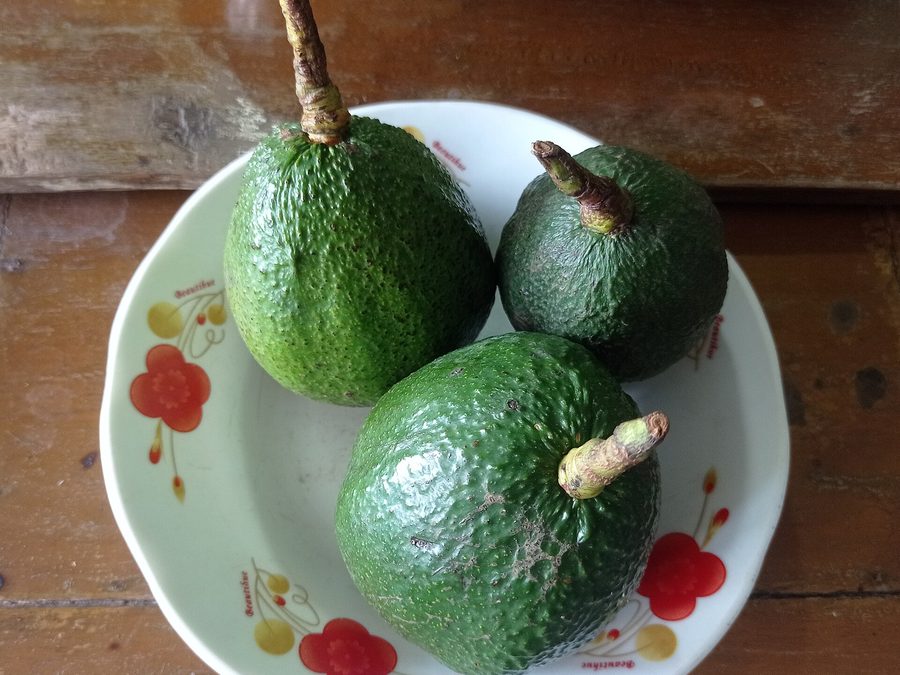
Avocado
Soft, buttery and ready without cooking — the first food most parents start with.
Vegetable
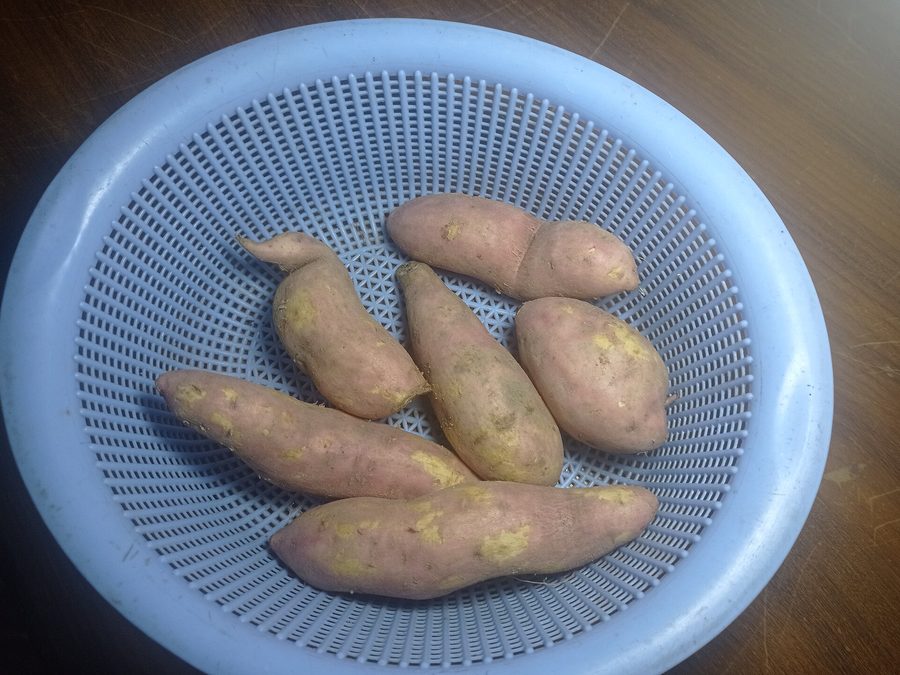
Sweet potato
Roasts to a soft, sweet spear that is easy to hold and hard to get wrong.

Fruit
Banana
No cooking, no equipment, comes in its own wrapper — and slippery enough to need a trick.
Vegetable
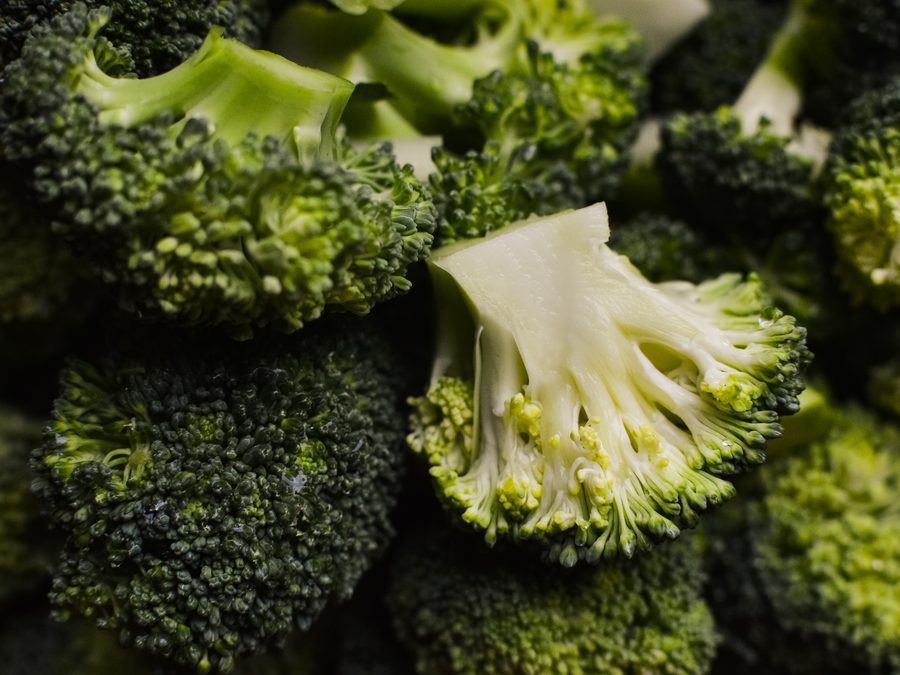
Broccoli
The floret is a built-in handle — one of the easiest green vegetables for a 6-month-old to hold.
Grains
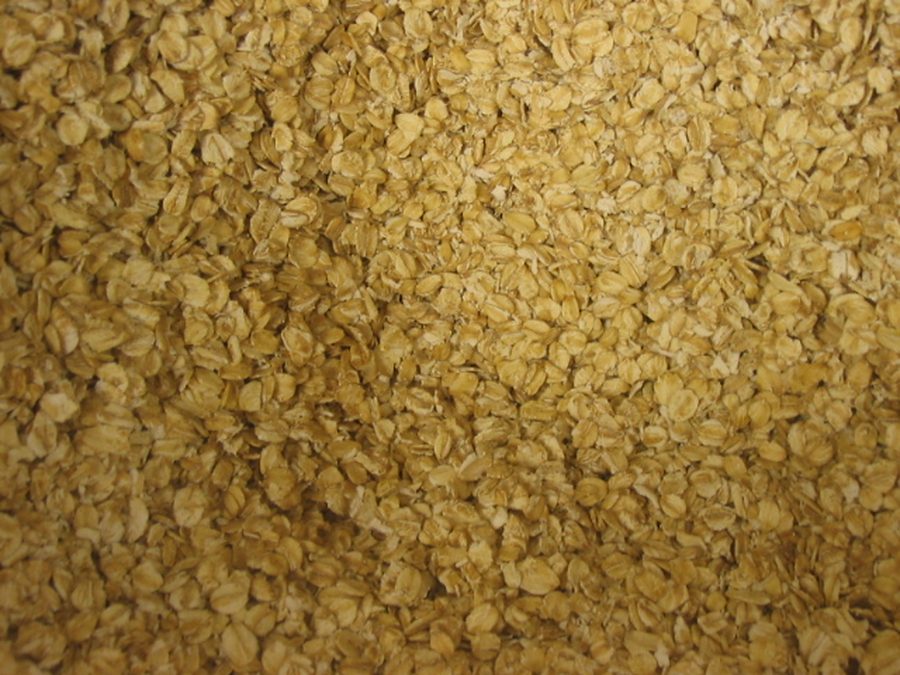
Oatmeal
An iron-fortified porridge is one of the simplest ways to hit a 6-month-old's iron target.
Dairy & eggs
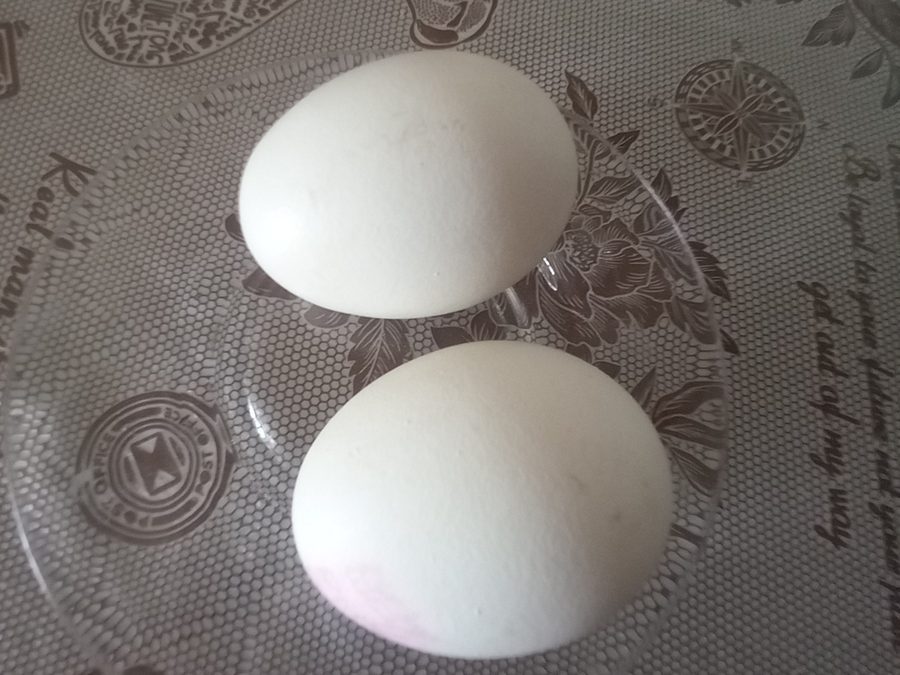
Egg
A top-nine allergen worth introducing early — and one of the cheapest complete proteins there is.
Nuts & seeds
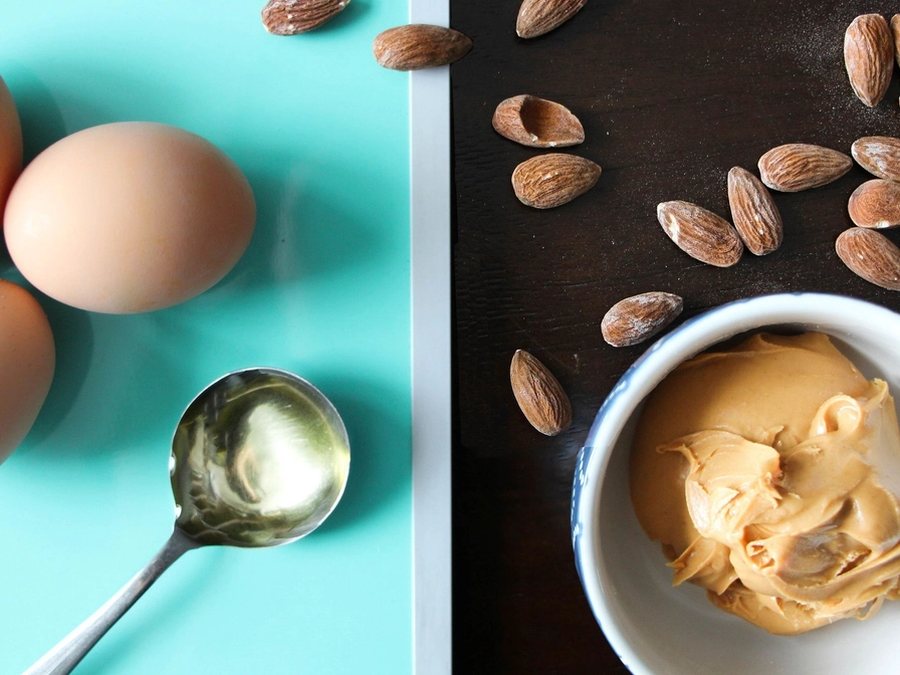
Peanut butter
Early, regular peanut is the single best-evidenced way to reduce the risk of peanut allergy.
Meat & fish
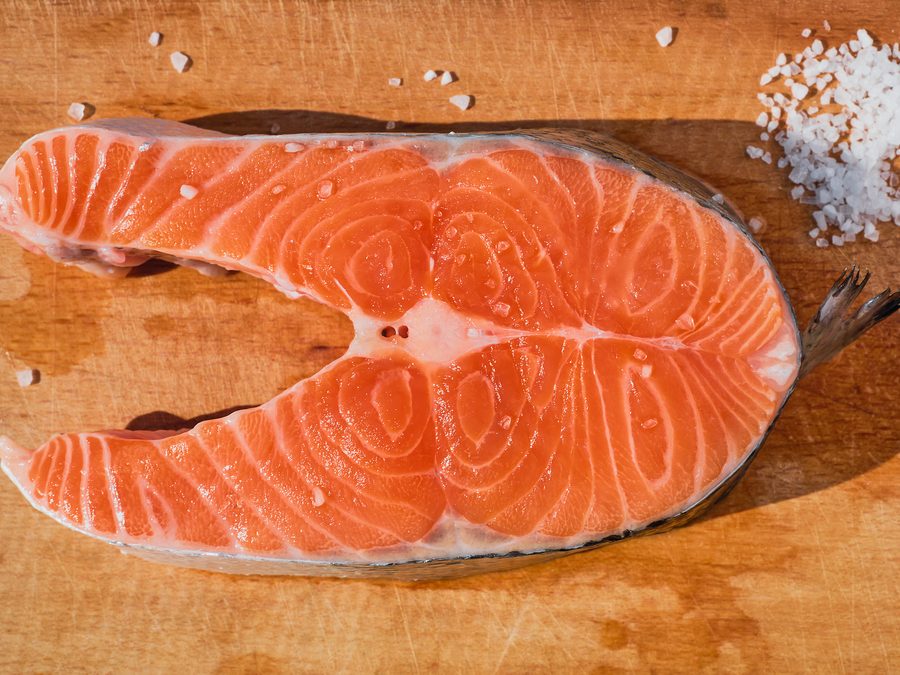
Salmon
Omega-3, vitamin D and a top-nine allergen worth introducing early — in one soft, flaky food.
Iron is the one to watch
A baby’s iron stores from birth start running down at around 6 months, and breast milk alone will not top them back up. That is the real reason solids start when they do. These foods carry the most.
See every iron-rich first food →The nine common allergens
Introducing allergens early and keeping them in the diet lowers the risk of allergy. The hard part is not the first taste — it is remembering which ones you have kept going.
Track them in the app →How parents use it
-
Look it up
Search the food you are holding. Get the cut, the age, the risk — in one screen.
-
Serve it
Follow the shape for your baby’s age band. Every band has its own instruction, not a generic one.
-
Log it
Two taps. The allergen tracker updates itself and the streak keeps you honest.
Guides
Read the guides →-
Nutrition
How Much Should a Baby Actually Eat? (Less Than You Think)
Portion sizes by age, why milk still dominates until 12 months, and why the answer to "is she eating enough" is almost always yes.
-
Choking & safety
How to Cut Food for a Baby: The Shape Rules That Actually Matter
Finger-width strips at six months, bite-sized pieces at nine, and the one cut — lengthways, never coins — that removes most choking risk from most foods.
-
Feeding skills
Your Baby Is Refusing Food. Here Is What Is Probably Going On.
Ten to fifteen exposures before acceptance is normal, not a problem. What to try, what to stop doing, and the handful of signs that mean it is worth calling someone.
Where our guidance comes from
Every food page names the guidance it follows — the American Academy of Pediatrics, the NHS, the CDC, and the AAP’s clinical report on early allergen introduction. We cite the source on the page so you can check it yourself.
Starting solids: the questions everyone asks
When can my baby start solid food?
Around 6 months, and only when the signs of readiness are all there: your baby can sit upright with little or no support, holds their head steady, reaches for food and brings it to their mouth, and has lost the tongue-thrust reflex that pushes food back out. Age alone is not the signal — a baby who turns 6 months tomorrow but cannot sit steadily is not ready tomorrow.
Is FirstNom baby-led weaning or purées?
Both. Every food in the database gives you a serving shape for each age band, whether you are handing over a spear of roasted sweet potato or spoon-feeding a purée. Most families end up somewhere in the middle, and the guidance works either way.
Do I have to pay to use the food database?
No. The food database, choking guidance and allergen basics are free on this site with no account, and they stay free in the app. FirstNom Pro adds the personal plan and the tracking history — the safety content is never behind a paywall.
How many allergens should I introduce, and how often?
All nine common allergens — peanut, egg, milk, wheat, soy, tree nuts, sesame, fish and shellfish — starting from around 6 months once a few first foods have gone down well. The part most parents miss is the repeat: current guidance is to keep each allergen in the diet regularly, roughly twice a week, rather than offering it once and stopping. That is exactly what the tracker is for.
What is the difference between gagging and choking?
Gagging is loud, red-faced and productive — it is the reflex doing its job, and it is normal, especially in the first weeks. Choking is silent: no cough, no cry, no sound. If your baby is making noise, they are moving air. A paediatric first-aid class is the single most useful hour you can spend before starting solids.
Is FirstNom medical advice?
No. It is general information built from published pediatric feeding guidance, and every food page names the sources it follows. It is not written for your baby. Talk to your pediatrician before introducing allergens if your baby has severe eczema, an existing food allergy, or a family history of anaphylaxis.
Stop second-guessing the cut
Look up any food in seconds, log the allergens as you go, and walk into your next check-up with a PDF instead of a guess.