 FirstNom
Beans & legumes
Black beans for babies
Black beans are a genuinely useful iron and protein food for a baby. The only obstacle is size: a whole bean is too small to pick up before the pincer grasp arrives.
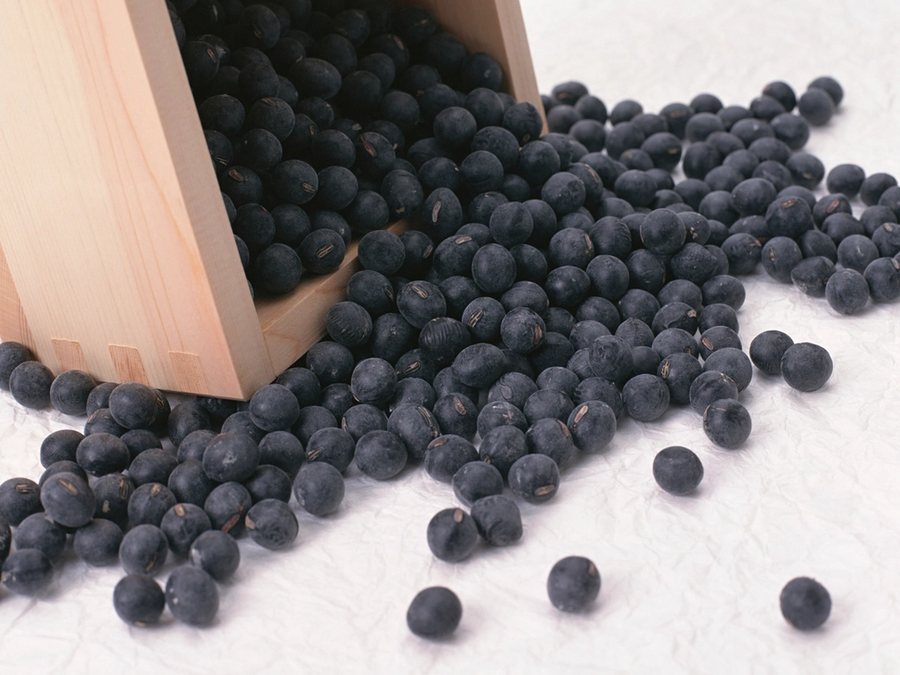
When can babies have black beans?
From around 6 months, cooked until very soft and mashed or bound into something scoopable. Beans are a cornerstone of complementary feeding in most of the world and are recommended early rather than late.
How do you serve black beans to a baby?
The shape is what makes a food safe, and it changes as your baby’s grip and chewing change. Find your baby’s age band.
-
6–8 months
Cook until very soft, then mash into a thick paste and either serve pre-loaded on a spoon or spread it on a strip of toast. Mixing mashed beans with mashed sweet potato or avocado makes a texture that holds together in a fist.
-
9–11 months
Whole beans, lightly flattened with a fork, for pincer practice. Or bean patties.
-
12–18 months
Whole beans in a bowl, refried beans (no salt), bean burgers, or in a mild chilli.
-
18–24 months
Family portions, low salt. Beans in burritos, soups and salads.
Prep tip
Mash beans with a little of their cooking liquid or a spoonful of tomato purée. Dry mashed bean crumbles apart; wet mashed bean holds together on a spoon.
Storage
Cooked beans keep four days refrigerated and freeze extremely well. Tinned beans should be rinsed thoroughly — it removes a large share of the added sodium.
Is black beans a choking hazard for babies?
Cooked beans are soft and pose little risk, though whole beans are round and worth flattening for younger babies — a lightly squashed bean cannot roll into the airway the way a whole one theoretically could. Skins can separate; that is normal and harmless.
Whatever you serve, stay within arm’s reach, keep your baby upright in a supportive seat, and never let them eat in a moving car, buggy or carrier. Gagging is loud and normal. Choking is silent.
Is black beans a common allergen?
Black beans is not one of the nine most common food allergens. Any food can trigger a reaction, though, so offer it on its own the first time and watch for hives, vomiting, swelling or a change in breathing over the next two hours.
Is black beans healthy for babies?
Black beans carry more iron per serving than most meats by weight, though as non-heme iron it is absorbed less efficiently — pair them with tomato, pepper or citrus in the same meal and absorption rises sharply. They also bring protein, folate and a lot of fibre, which is useful for a baby whose bowels have just had to adapt to solid food.
| Iron (non-heme) | High |
|---|---|
| Protein | High |
| Fibre | Very high |
| Folate | Very high |
| Magnesium | Good source |
| Iron per serving | ~1.8 mg |
Common questions about black beans
Do tinned beans need rinsing for babies?
Yes, unless they are the no-added-salt kind. A thorough rinse under running water removes a substantial share of the sodium, which matters when a baby's daily salt limit is under 1 g.
Will beans make my baby gassy?
Often, at first. Start with a tablespoon or two and build up over a couple of weeks — the gut adapts. Rinsing tinned beans well and cooking dried beans thoroughly both reduce the fermentable sugars responsible.
Do I need to remove the skins?
No. They pass through and may show up in the nappy, which is normal and not a sign anything went wrong.
Reference material
Guidance on this page follows the sources listed below.
Foods parents look at next
Beans & legumes
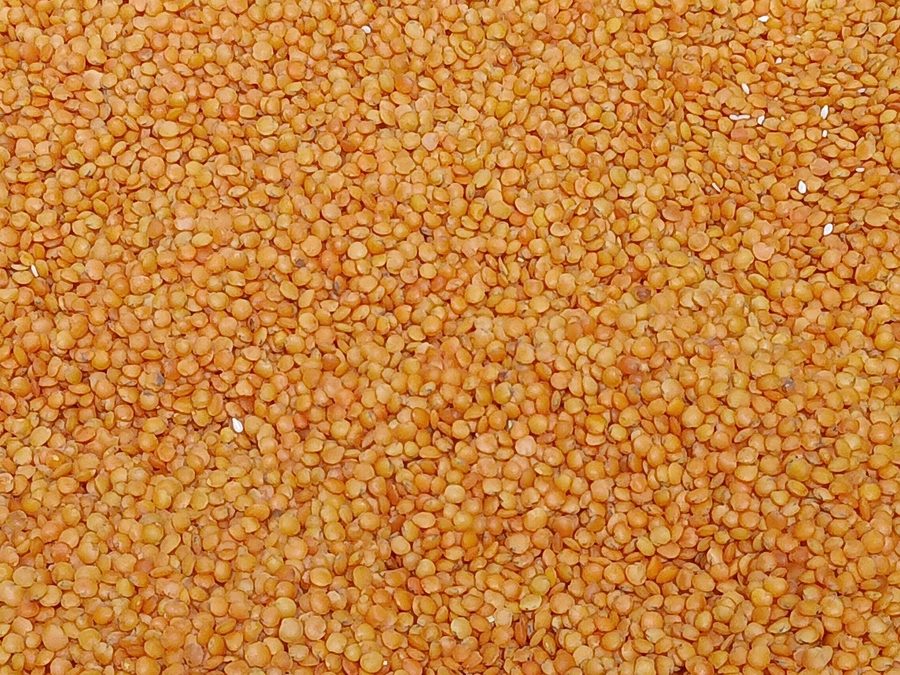
Lentils
The best plant iron source for babies — cheap, soft, and it cooks in twenty minutes.
Beans & legumes
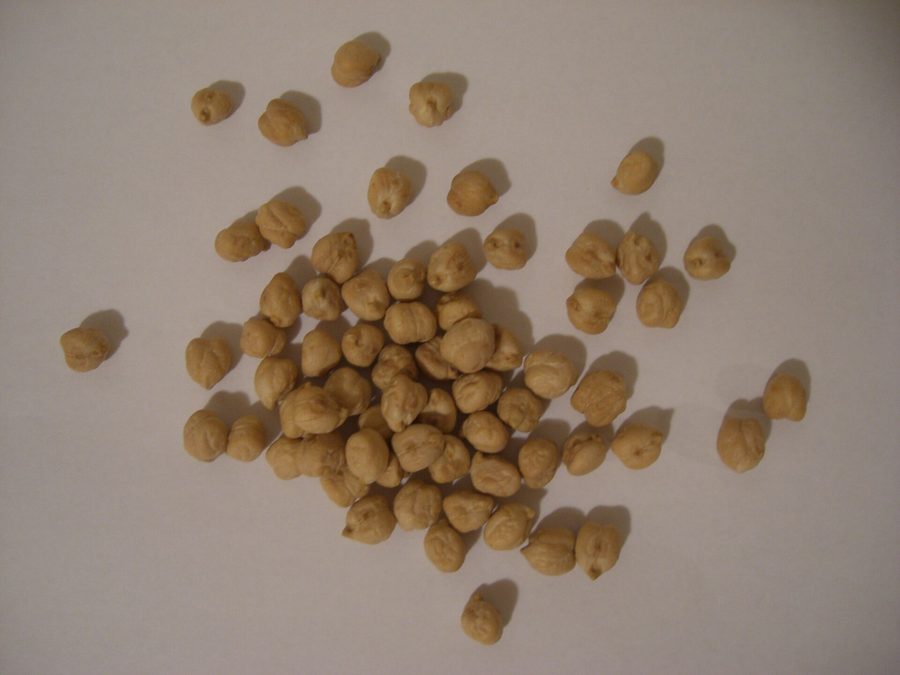
Chickpeas
Hummus is one of the great baby foods — and it doubles as a sesame introduction.
Beans & legumes
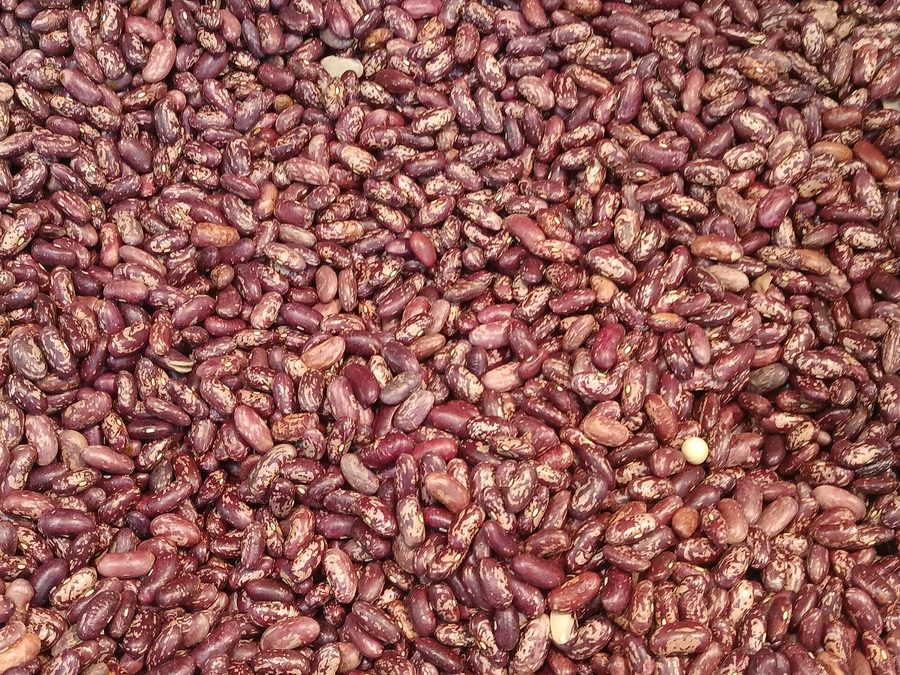
Kidney beans
High in iron, and the one bean with a genuine rule about undercooking.
Beans & legumes
White beans
The creamiest bean to mash — cannellini and butter beans go smooth with almost no effort.