 FirstNom
Beans & legumes
Kidney beans for babies
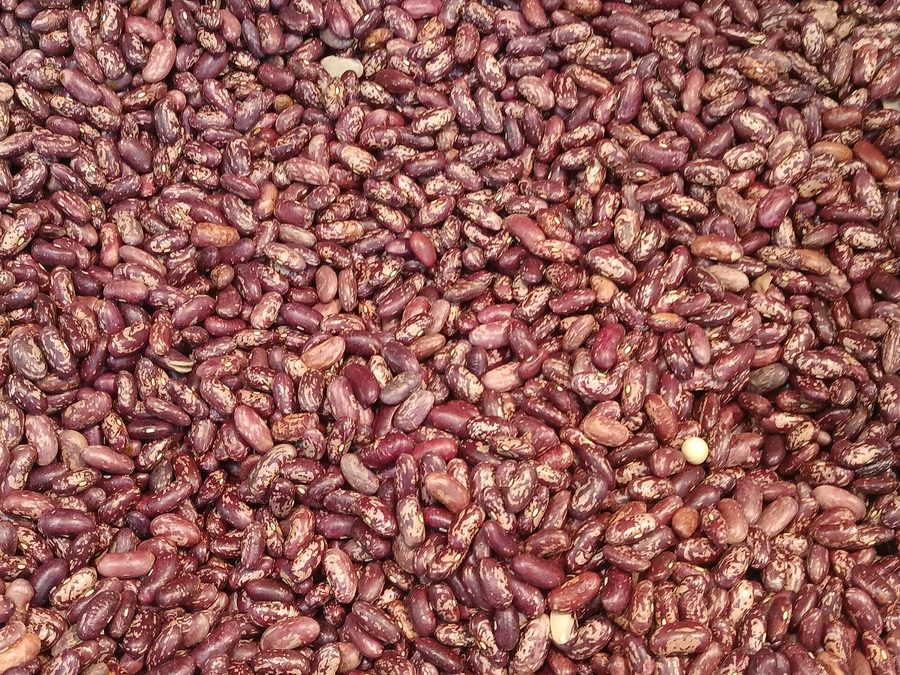
Kidney beans are an excellent iron food with one real caveat: raw and undercooked kidney beans contain a toxin, so tinned or thoroughly boiled is the only way to serve them.
When can babies have kidney beans?
From around 6 months, tinned or fully boiled, then mashed or squashed. Never serve kidney beans that have only been slow-cooked from dry without a hard boil first.
How do you serve kidney beans to a baby?
The shape is what makes a food safe, and it changes as your baby’s grip and chewing change. Find your baby’s age band.
-
6–8 months
Mashed into a thick paste and spread on toast, or mixed with mashed sweet potato or rice so it holds together on a spoon.
-
9–11 months
Squashed whole beans for pincer practice, or in a mild chilli with soft rice.
-
12–18 months
Whole soft beans, bean burgers, mild chilli, or in a soup.
-
18–24 months
Family portions, low salt.
Prep tip
If cooking from dry, soak for at least five hours, discard the water, then boil hard for at least 10 minutes before simmering. A slow cooker alone does not reach a high enough temperature to destroy the lectin.
Storage
Cooked beans keep four days refrigerated and freeze well. Rinse tinned beans thoroughly to remove sodium.
Is kidney beans a choking hazard for babies?
Whole kidney beans are large and firm-skinned. Squash them flat or mash them for the first year. Cooked properly they are soft enough to compress easily.
Whatever you serve, stay within arm’s reach, keep your baby upright in a supportive seat, and never let them eat in a moving car, buggy or carrier. Gagging is loud and normal. Choking is silent.
Is kidney beans a common allergen?
Kidney beans is not one of the nine most common food allergens. Any food can trigger a reaction, though, so offer it on its own the first time and watch for hives, vomiting, swelling or a change in breathing over the next two hours.
Is kidney beans healthy for babies?
Kidney beans carry more iron than most legumes and a large amount of fibre and folate. Paired with a vitamin C food — tomato is the classic and works nutritionally as well as culinarily — they are a strong iron contribution in a meat-free meal.
| Iron (non-heme) | High |
|---|---|
| Protein | High |
| Fibre | Very high |
| Folate | Very high |
| Potassium | High |
| Iron per serving | ~1.6 mg |
Common questions about kidney beans
Why do kidney beans need a hard boil?
Raw and undercooked kidney beans contain phytohaemagglutinin, a lectin that causes vomiting and stomach upset. A 10-minute rolling boil destroys it. Tinned kidney beans are already cooked and are perfectly safe.
Are tinned kidney beans as good as dried?
Nutritionally very close, and safer for the reason above. Rinse them thoroughly — the canning liquid carries most of the added salt.
Reference material
Guidance on this page follows the sources listed below.
Foods parents look at next
Beans & legumes
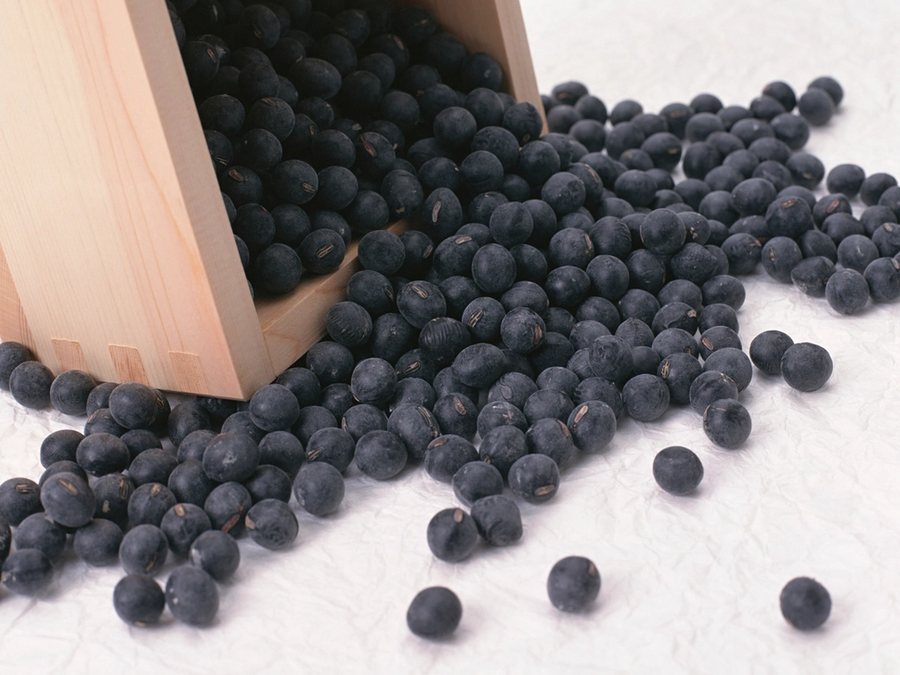
Black beans
Iron, protein and fibre in a soft package — mash them so a 6-month-old can actually eat them.
Beans & legumes
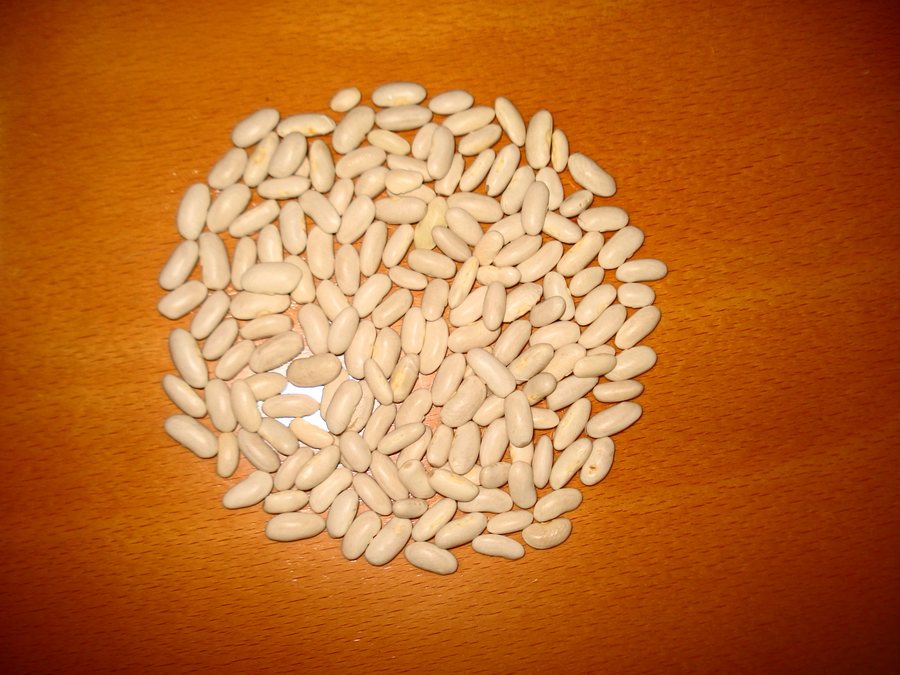
White beans
The creamiest bean to mash — cannellini and butter beans go smooth with almost no effort.
Beans & legumes
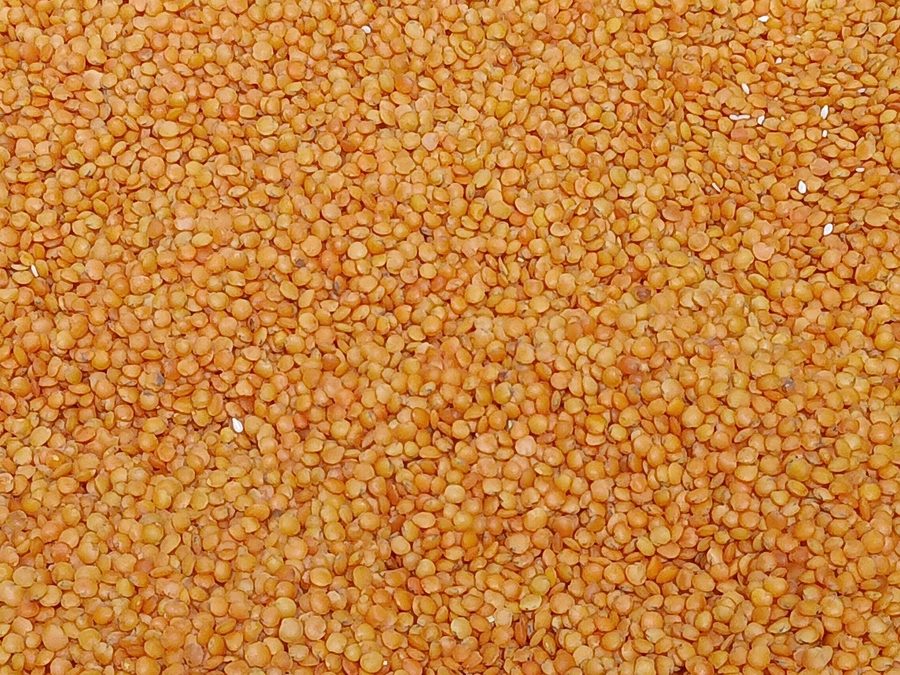
Lentils
The best plant iron source for babies — cheap, soft, and it cooks in twenty minutes.
Beans & legumes
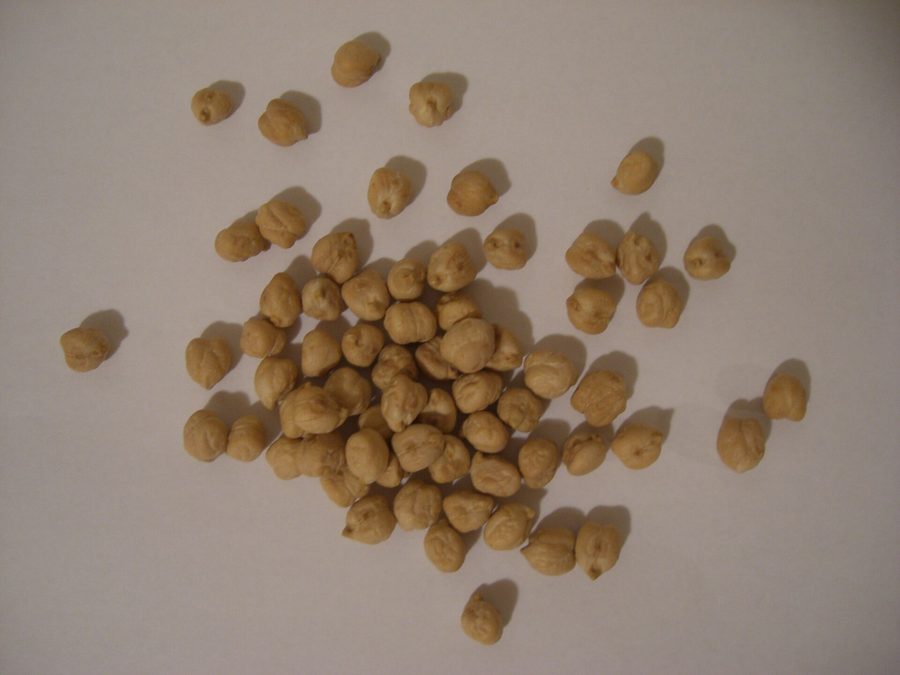
Chickpeas
Hummus is one of the great baby foods — and it doubles as a sesame introduction.