 FirstNom
Choking & safety
How to Cut Food for a Baby: The Shape Rules That Actually Matter
Finger-width strips at six months, bite-sized pieces at nine, and the one cut — lengthways, never coins — that removes most choking risk from most foods.
· 5 min read
Most of what makes a food safe or unsafe for a baby is not the food. It is the shape you hand it over in.
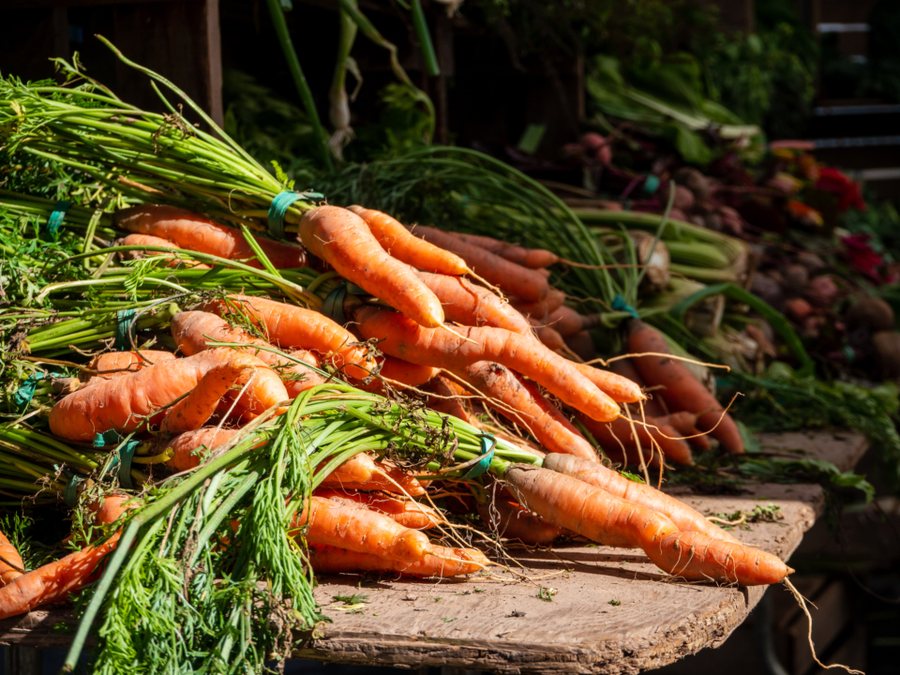
A raw carrot coin is one of the highest-risk things you can put on a tray. The same carrot, cooked soft and cut into a baton, is a low-risk first food. Same carrot. Different geometry.
The three rules
1. Cut round things lengthways. Never into coins, rings or halves that stay round. A round cross-section of roughly airway diameter can seal completely, and that is the shape that causes the serious incidents. Quartering a grape lengthways removes it entirely.
2. Squash-test everything. If a piece does not give under gentle pressure between your thumb and forefinger, it is not ready for a baby. This one test catches undercooked vegetables, unripe fruit and firm meat all at once.
3. Match the shape to the grasp. A 6-month-old holds things in a fist. A 9-month-old picks things up with thumb and forefinger. Serving the wrong size for the stage is frustrating at best and risky at worst.
By age
6 to 8 months — finger-width strips
At this stage a baby uses a palmar grasp: the whole hand closes around an object, with the thumb wrapped over. They cannot pick up a small piece, and they cannot open their fist to get at food inside it.
So the piece needs to be long enough to stick out of a closed fist — roughly the length and width of an adult finger. They hold the bottom and gnaw the top.
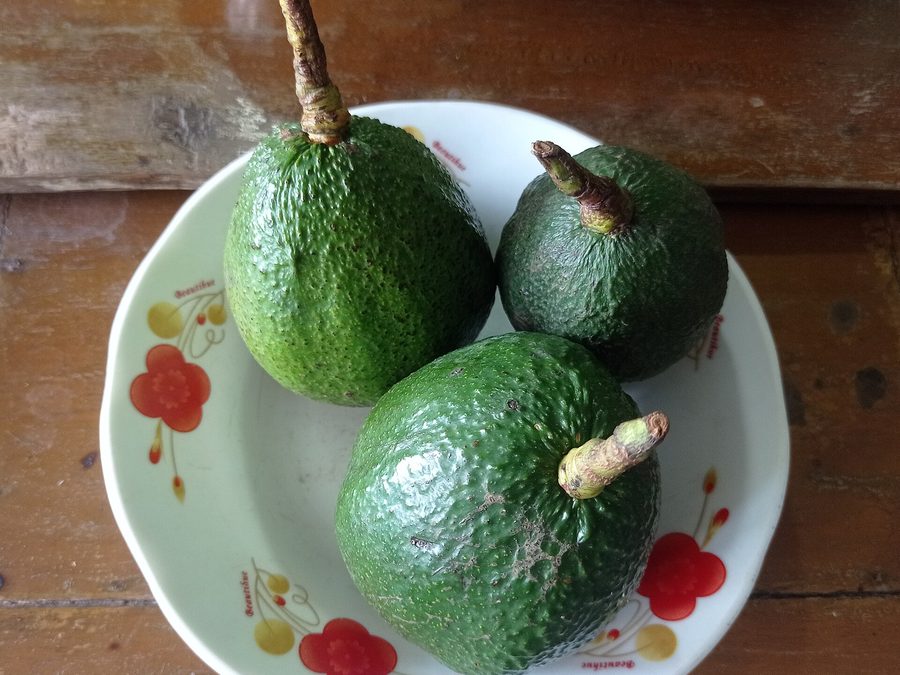
- Avocado: finger-width strips, skin left on one end as a handle if slippery.
- Sweet potato: roasted wedges the length of a finger.
- Banana: half a banana with the peel pulled halfway down.
- Broccoli: a whole steamed floret with a long stalk — a built-in handle.
- Egg: a firm omelette cut into strips.
- Toast: finger-width strips, thinly spread.
Counter-intuitively, small pieces are the wrong choice at this age. A piece that fits entirely inside the mouth is harder to manage than one that is too big to swallow whole.
9 to 11 months — bite-sized pieces
The pincer grasp arrives: thumb and forefinger, picking up individual small objects. This is a big shift, and it is why suddenly your baby wants the crumbs rather than the strip.
Move to roughly 1 cm pieces — small enough to pick up, small enough to chew, too small to be worth stuffing five of at once.
Keep offering strips as well. Babies go back to shapes they have mastered when they are tired or unwell.
12 to 18 months and beyond
Pieces can get bigger and firmer as chewing improves, but the hazard rules do not disappear at the first birthday. Grapes still need quartering. Whole nuts and popcorn still wait until around 4 years. Cheese cubes are still the wrong shape.
The specific cuts worth memorising
| Food | Do this | Not this |
|---|---|---|
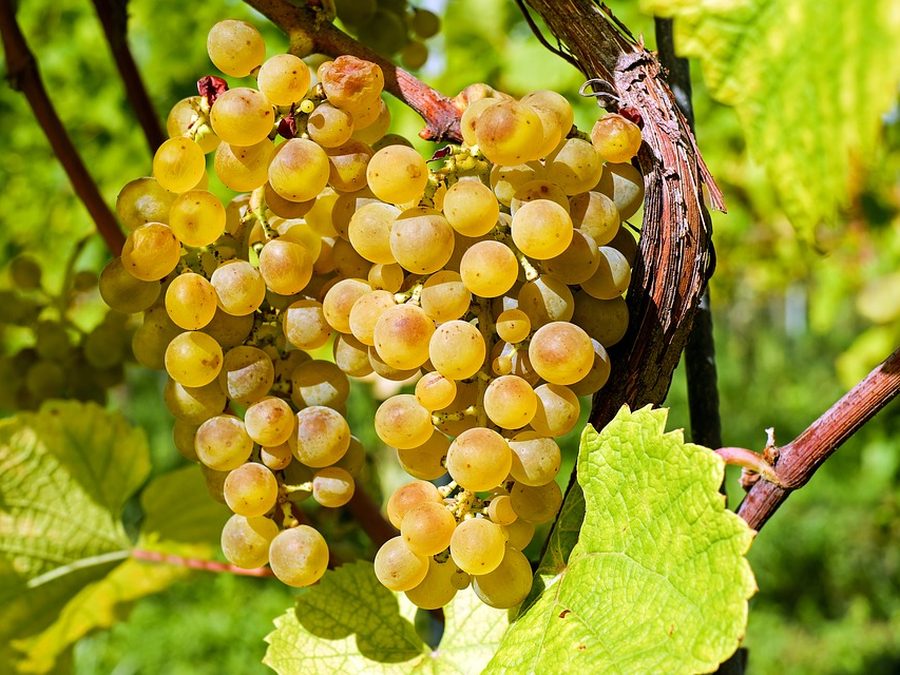
| Grapes, cherry tomatoes | Quarter lengthways | Whole, or halved across |
| Blueberries | Squash flat, or halve | Whole |
| Carrot, cucumber | Lengthways batons | Coins |
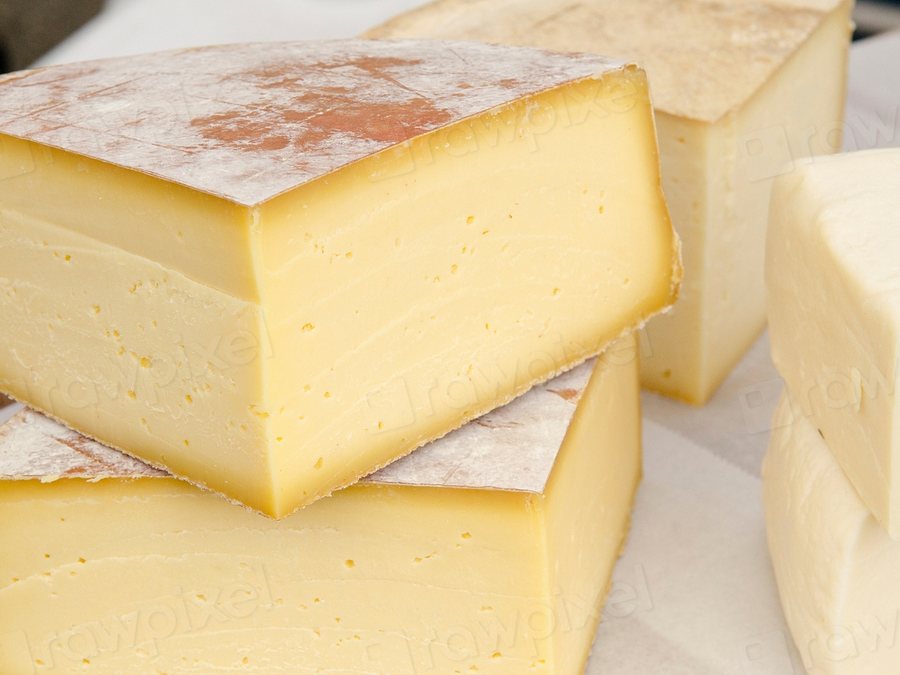
| Cheese | Grate, or thin matchsticks | Cubes or sticks |
| Sausage, hot dog | Lengthways quarters, then chop | Coins |
| Nut butter | Thinned until it pours | A spoonful of thick paste |
| Meat | Shredded, minced, or long strips | Firm bite-sized cubes |
| Apple | Cooked soft, or grated raw | Raw chunks |
Why cheese cubes keep appearing on hazard lists
Cheese looks soft. It is not compressible. A cube of cheddar or mozzarella keeps its shape under pressure, which means it can lodge and seal rather than squashing past.
Grating solves it completely, takes five seconds, and spreads the flavour further — which also helps with the salt, since hard cheese is one of the saltiest things a baby eats.
Coatings for slippery food
Ripe avocado, mango and peeled banana are almost impossible for a small hand to hold. Two fixes, both instant:
- Leave a handle. A strip of peel on one end of the banana or mango, or the stalk on a broccoli floret.
- Roll it in something with texture. Infant oat cereal, ground almond, desiccated coconut, fine breadcrumbs, or crushed puffed cereal. The grip improves immediately, and ground almond doubles as a tree-nut introduction.
The setup is part of the safety
Cutting correctly does most of the work, but not all of it:
- Seated upright in a chair with real trunk support. Not reclined, not on a lap.
- Within arm’s reach, every time, for the whole meal.
- One or two pieces on the tray at a time. A pile encourages stuffing, and stuffing is how a well-prepared food becomes a problem.
- Never in a moving car, buggy or carrier.
- No screens or distractions.
What good looks like
If you take one thing away: lengthways, and squash-test. Those two habits handle the overwhelming majority of the risk across the overwhelming majority of foods.
Every food page in our database gives the cut for each age band, because the right shape genuinely does change between 6 and 9 months, and a generic instruction is not much use when you are holding a piece of mango at 6am.
Questions parents ask
How big should a piece of food be for a 6-month-old?
Roughly the length and width of an adult finger. That is big enough that your baby can hold it in a fist with some sticking out to gnaw — a 6-month-old cannot yet pick up small pieces, and a piece small enough to fit entirely in the mouth is the risky size.
When can I switch to bite-sized pieces?
Around 9 months, when the pincer grasp appears — thumb and forefinger, rather than the whole-hand rake. Bite-sized means about 1 cm. Keep offering strips too; babies often return to a shape they have mastered when they are tired.
Why lengthways and not across?
Cutting across a round food leaves a round coin, which can still seal an airway. Cutting lengthways removes the circular cross-section entirely, so the piece cannot form a plug. It is the single most important cutting instruction in baby feeding.