 FirstNom
Fruit
Apple for babies
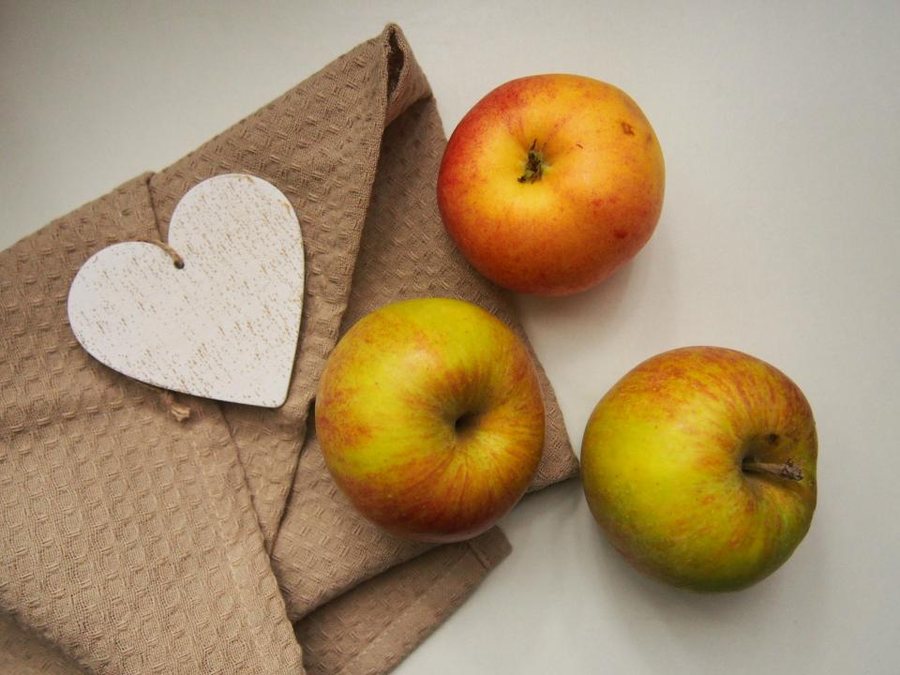
Apple is on every hazard list in its raw form and on every first-foods list in its cooked one. Steam it, bake it or grate it and it is an excellent early fruit.
When can babies have apple?
Cooked or grated, from around 6 months. Raw slices and chunks from around 4 years. Apple's pectin makes it useful for both loose stools and, in cooked form with the skin on, constipation — it goes both ways depending on preparation.
How do you serve apple to a baby?
The shape is what makes a food safe, and it changes as your baby’s grip and chewing change. Find your baby’s age band.
-
6–8 months
Peel, core and steam or bake wedges until completely soft — a soft baked apple wedge holds together enough to grip. Or serve it as an unsweetened purée, thick enough to stay on a spoon.
-
9–11 months
Soft cooked pieces, or raw apple grated finely on the coarse side of a box grater. Still no raw chunks.
-
12–18 months
Cooked apple pieces, grated raw apple, or apple sauce. Very thin raw slices — thinner than a pound coin — are sometimes offered from around 18 months, but chunks stay off.
-
24 months+
Raw apple slices and chunks from around 4 years. Until then, thin slices at most, always supervised.
Prep tip
Baking apple wedges in a covered dish with a splash of water gives you a soft piece that still holds its shape — much easier to hold than steamed apple, which collapses.
Storage
Cooked apple keeps three days refrigerated and freezes well in ice-cube portions. Cut raw apple browns quickly; a squeeze of lemon slows it down.
Is apple a choking hazard for babies?
Raw apple is hard, slippery and breaks into sharp, airway-sized chunks — it sits alongside raw carrot and whole grapes near the top of the choking-hazard lists for under-4s. Cooked apple is soft and low risk. Grated raw apple is generally acceptable from around 9 months because the shreds are too small to obstruct, but chunks and slices of raw apple should wait until about 4 years. Never leave a baby with a whole apple to gnaw.
Whatever you serve, stay within arm’s reach, keep your baby upright in a supportive seat, and never let them eat in a moving car, buggy or carrier. Gagging is loud and normal. Choking is silent.
Is apple a common allergen?
Apple is not one of the nine most common food allergens. Any food can trigger a reaction, though, so offer it on its own the first time and watch for hives, vomiting, swelling or a change in breathing over the next two hours.
Is apple healthy for babies?
Apple's main contribution is soluble fibre in the form of pectin, which supports gut bacteria and helps regulate stools, plus a moderate amount of vitamin C. It is not a nutrient powerhouse, and apple juice in particular is best avoided in infancy — it is sugar without the fibre and the AAP advises no juice at all before 12 months.
| Fibre (pectin) | High |
|---|---|
| Vitamin C | Good source |
| Polyphenols | Good source |
| Iron per serving | ~0.1 mg |
Common questions about apple
When can my baby have raw apple?
Grated finely, from around 9 months. Slices and chunks from around 4 years. This is one of the foods where guidance is genuinely strict, because raw apple is a repeat offender in choking data.
Can babies have apple juice?
The AAP recommends no fruit juice at all before 12 months, and after that no more than about 120 ml a day. Juice supplies the sugar without the fibre, and it can displace milk and food. Whole cooked apple is the better food in every respect.
Does apple help or cause constipation?
Both, depending on form. Cooked apple with the skin, and apple purée, tend to loosen; peeled apple and apple juice can firm things up because of the pectin. Pear and prune are more reliable for constipation.
Reference material
Guidance on this page follows the sources listed below.
Foods parents look at next
Fruit
Pear
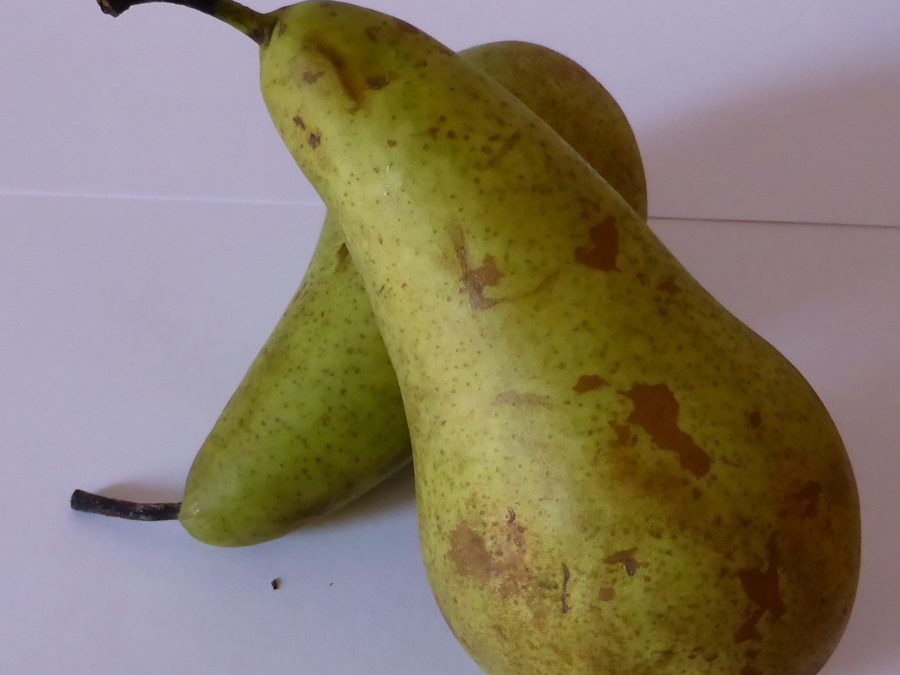
Soft when ripe, gentle on the stomach, and the go-to fruit when your baby is constipated.
Fruit
Banana
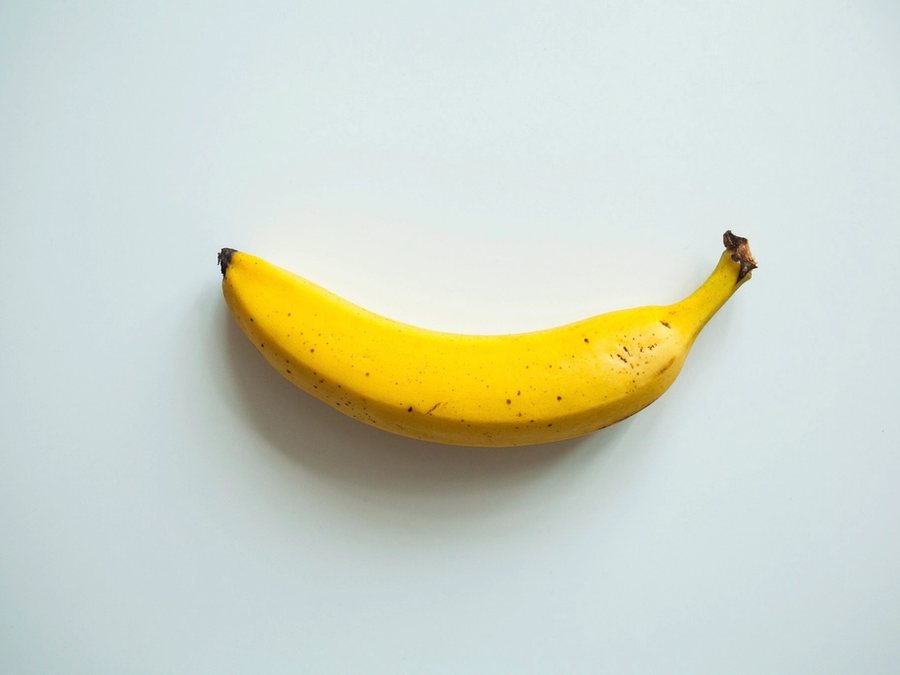
No cooking, no equipment, comes in its own wrapper — and slippery enough to need a trick.
Fruit
Prune
The most reliable food answer to a constipated baby.
Fruit
Peach
Ripe peach is soft enough to serve raw — and the stone must always come out.