 FirstNom
Fruit
Pear for babies
A properly ripe pear needs no cooking at all, and its sorbitol content makes it the first thing most parents reach for when solids have backed things up.
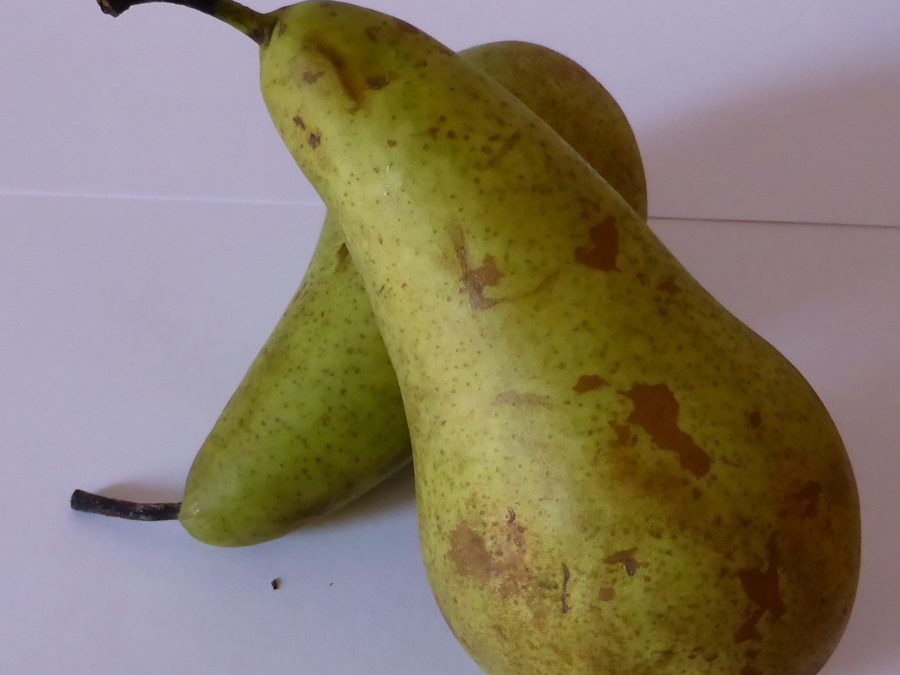
When can babies have pear?
From around 6 months, raw if properly ripe and cooked if not. Pear is one of the traditional first fruits because it is mild, rarely rejected, and easy on a new digestive system.
How do you serve pear to a baby?
The shape is what makes a food safe, and it changes as your baby’s grip and chewing change. Find your baby’s age band.
-
6–8 months
Peel a ripe pear and cut it into finger-width wedges. If it does not squash easily between your fingers, steam it for a few minutes first. Rolling slippery wedges in infant cereal helps with grip.
-
9–11 months
Bite-sized pieces of ripe pear, skin off. Grated pear works too.
-
12–18 months
Wedges with skin on if soft, chopped into yogurt, or baked. Whole small pears are still too big to hand over.
-
18–24 months
Sliced or whole with the core removed. Supervise as always.
Prep tip
Ripeness is everything with pear. Press near the stem — if it gives, it is ready to serve raw. If it does not, steam it for five minutes and the problem disappears.
Storage
Ripen pears at room temperature, then refrigerate to hold them. Cooked pear keeps three days and freezes well.
Is pear a choking hazard for babies?
A ripe pear is soft and low risk. An under-ripe one is firm and slippery — closer to raw apple than to a ripe pear — and should be cooked. The skin can slide off in a sheet and is worth peeling before about 9 months. As with apple, avoid raw chunks of firm pear in the first year.
Whatever you serve, stay within arm’s reach, keep your baby upright in a supportive seat, and never let them eat in a moving car, buggy or carrier. Gagging is loud and normal. Choking is silent.
Is pear a common allergen?
Pear is not one of the nine most common food allergens. Any food can trigger a reaction, though, so offer it on its own the first time and watch for hives, vomiting, swelling or a change in breathing over the next two hours.
Is pear healthy for babies?
Pear's useful trick is sorbitol, a sugar alcohol that draws water into the bowel and softens stools — which is why pear, prune and apricot are the standard trio for constipated babies starting solids. It also brings fibre and vitamin C. Nutritionally it is modest; its value is comfort and reliability.
| Fibre | High |
|---|---|
| Sorbitol | Present — mildly laxative |
| Vitamin C | Good source |
| Copper | Some |
| Iron per serving | ~0.2 mg |
Common questions about pear
How much pear helps with constipation?
A few tablespoons of pear purée once or twice a day is a reasonable starting point, alongside plenty of water with meals. Prune purée is stronger if pear alone is not doing it. Constipation that lasts more than a few days, or that comes with blood or a lot of pain, needs a doctor rather than more fruit.
Do I need to peel pears?
Under about 9 months, yes — the skin can come away in a sheet in the mouth. After that, if the pear is soft, skin on is fine and adds fibre.
Tinned pear?
Only in juice or water, never in syrup, and rinse it. It is a reasonable convenience food and the texture is reliably soft, though fresh is better on vitamin C.
Reference material
Guidance on this page follows the sources listed below.
Foods parents look at next
Fruit
Apple
Cook it, grate it, or purée it — raw apple chunks are a choking hazard until about 4 years.
Fruit
Prune
The most reliable food answer to a constipated baby.
Fruit
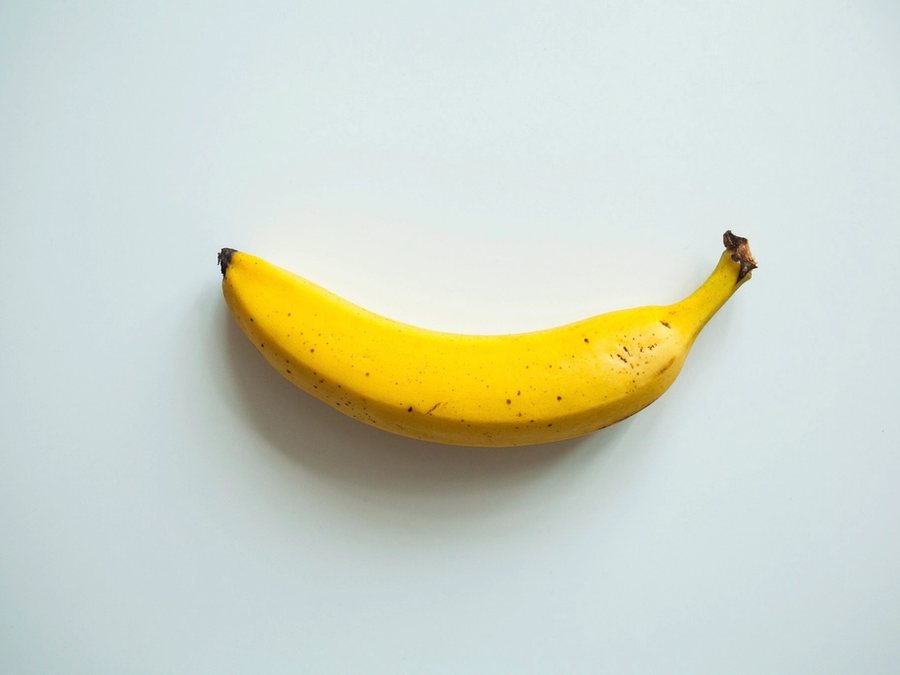
Banana
No cooking, no equipment, comes in its own wrapper — and slippery enough to need a trick.
Fruit
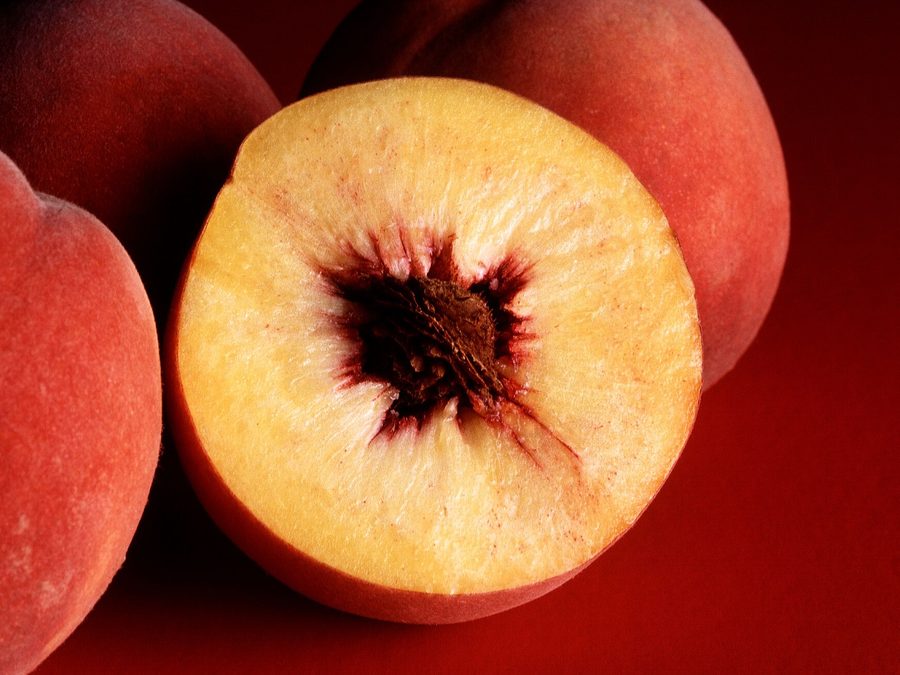
Peach
Ripe peach is soft enough to serve raw — and the stone must always come out.