 FirstNom
Starting solids
Your Baby's First Week of Solids: A Realistic Plan
Seven days, what to actually put on the tray, how much to expect them to eat (almost nothing), and what the nappies will do.
· 4 min read
The first week of solids is not really about food. It is about a baby learning that things other than milk go in the mouth, and about you learning to sit on your hands while they gag.
Here is what a realistic week looks like.
Before you start
Check the readiness signs. Sitting upright with little support, steady head control, reaching for food and getting it to the mouth, tongue-thrust reflex gone. All of them, not most of them.
Get the seat right. Upright, with real trunk support and ideally a footrest. A baby whose feet dangle is working to stay stable rather than working on eating.
Time it well. Around 30 to 60 minutes after a milk feed, at a time of day when your baby is alert and you are not in a rush. Not 5pm. Not the day before you travel.
Have the practical stuff ready. A bib with sleeves, a mat under the chair, and a genuinely low expectation of what will happen.
Day 1 to 2 — one food, one meal
Start with a single food, once a day.
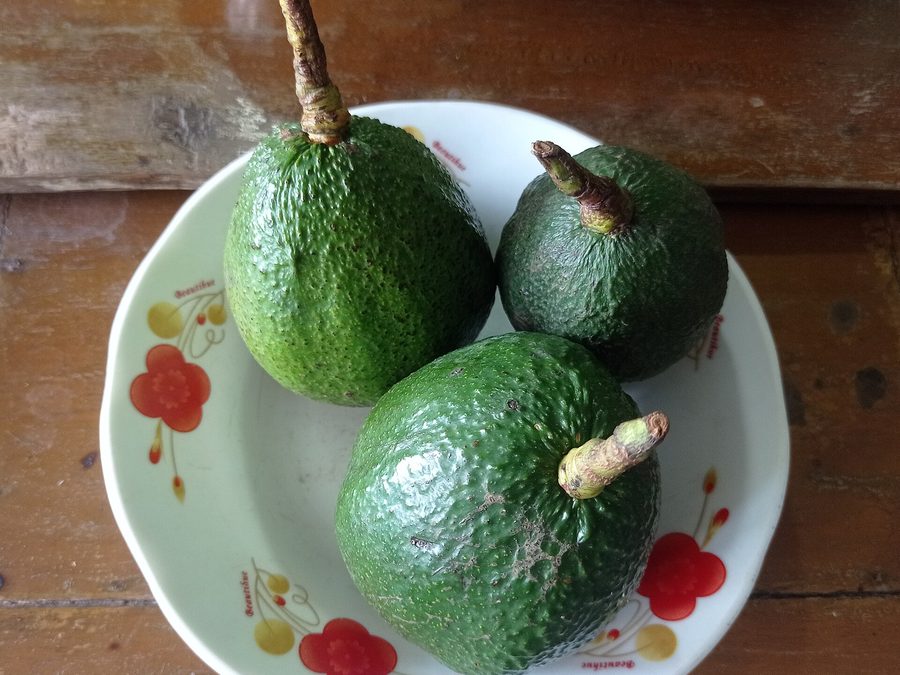
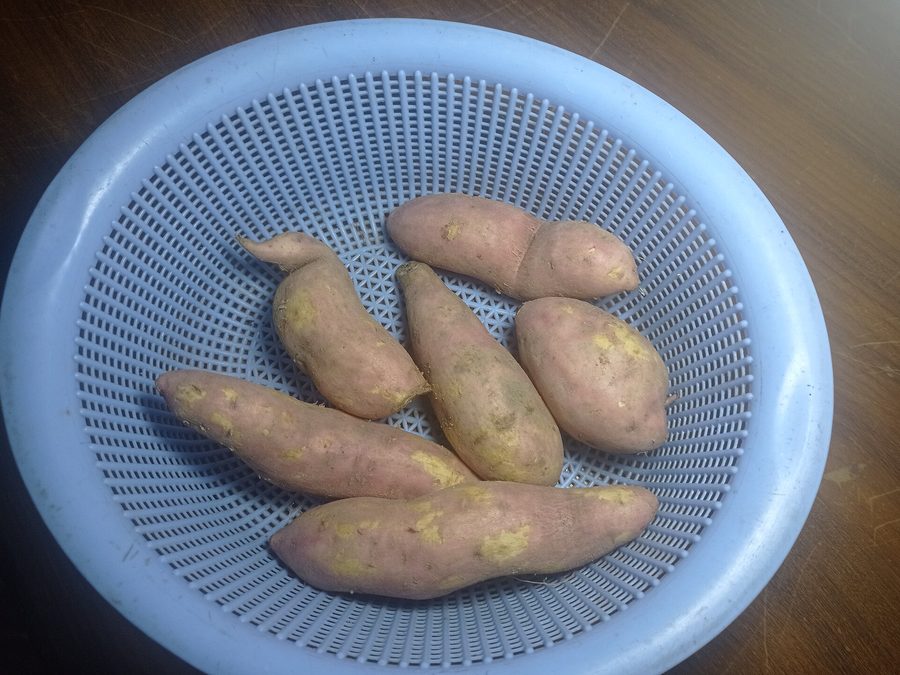
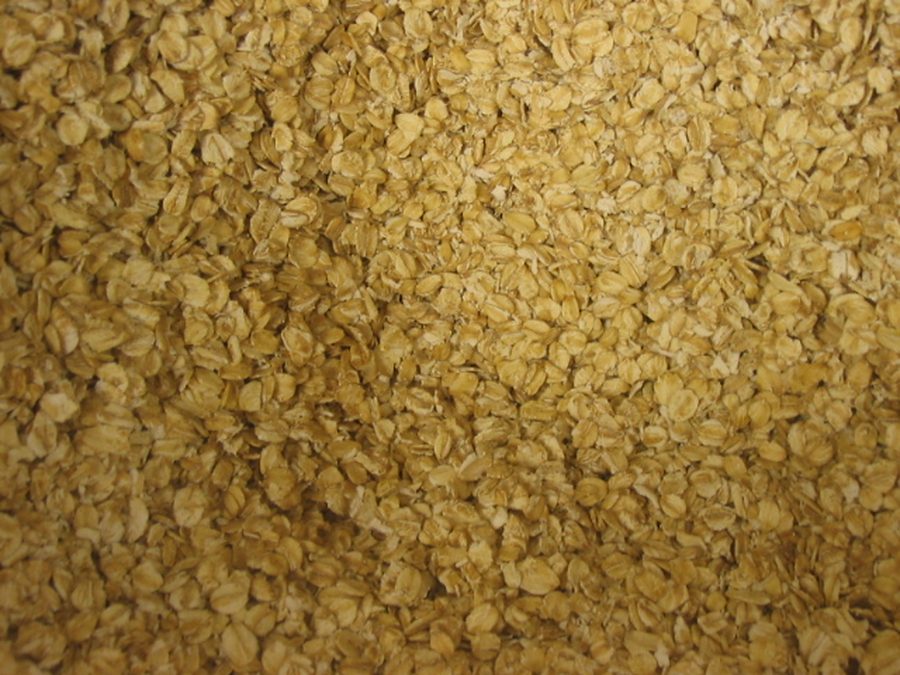
Good first options: a strip of ripe avocado, a roasted sweet potato wedge, or thick iron-fortified oatmeal on a pre-loaded spoon.
Put one piece on the tray. Sit with them. Eat something yourself — babies copy.
What will happen: they will squeeze it, drop it, possibly put it in their hair, maybe get some in their mouth and immediately push it out with their tongue. They may gag. All of this is the process working.
What will not happen: eating.
Day 3 to 4 — add a second food
Introduce one more food alongside the first. Two things on the tray, no more.
Something with a different colour and texture is useful — a broccoli floret with the stalk left long as a handle, or a soft banana with the peel pulled halfway down.
Keep the first food in. Repeat exposure is how acceptance happens, and it commonly takes ten or more goes before a baby takes to something.
Day 5 to 7 — start the iron, start an allergen
Two things move here.
Iron becomes deliberate. This is the whole reason solids started now. Add an iron-rich food to most meals: iron-fortified cereal, finely shredded slow-cooked beef, or mashed lentils. If it is plant iron, put a vitamin C food in the same meal — mashed strawberry, mango, or a strip of roasted red pepper.
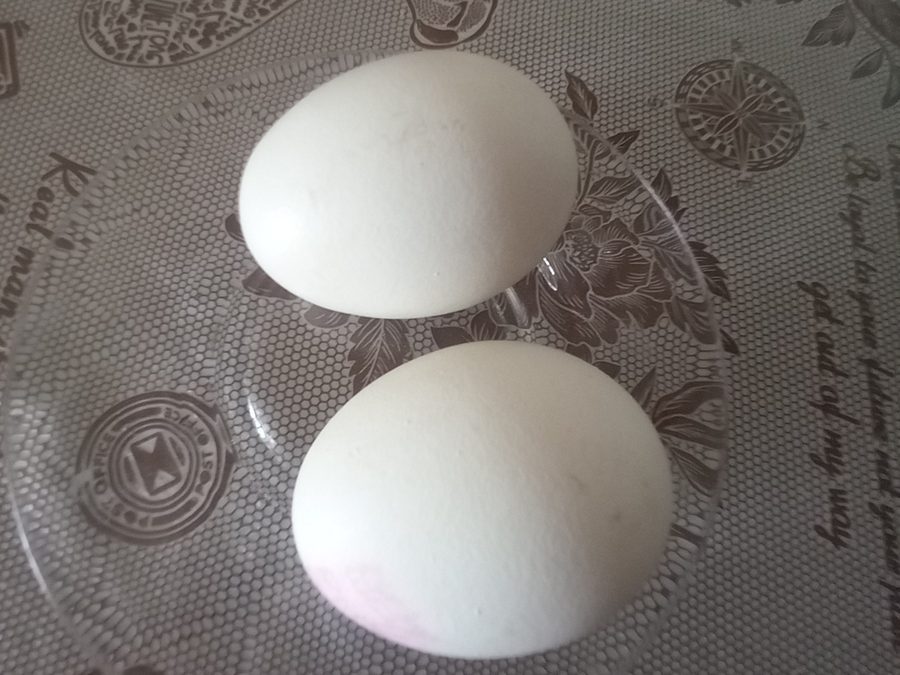
The first allergen goes in. Once a few ordinary foods have gone down without incident, start the nine. Egg is a good first — a firm omelette cut into strips is easy and the nutritional payoff is high. Small amount, at home, earlier in the day, watch for two hours.
If your baby has severe eczema or a diagnosed food allergy, talk to your pediatrician before the first allergen rather than after.
What to expect from the nappies
Everything changes, and none of it is a problem unless it persists.
- Colour. Whatever went in comes out roughly the same colour. Beetroot turns things pink or red — that is beeturia, not blood. Blueberries turn things dark.
- Whole food. Peas, corn kernels and bean skins pass through visibly intact. Completely normal, and it does not mean nothing was absorbed.
- Firmer stools. Very common, and the main reason pear, prune and apricot exist in this database. Offer water with meals and one of those daily if things are getting hard.
- Smell. Yes.
Constipation lasting more than a few days, or with blood or real pain, needs a doctor rather than more fruit purée.
What not to do
Do not push. No plane noises, no one-more-spoon, no waiting them out. A baby who turns their head is done, and overriding that teaches them to ignore their own signals.
Do not clean their face every thirty seconds. Mess is part of the sensory learning. Wipe at the end.
Do not add salt, sugar or honey. Salt because a baby’s kidneys cannot handle it — under 1 g a day, which shop-bought stock, bread and cheese eat into fast. Honey because of infant botulism, and that rule is absolute until 12 months.
Do not drop milk feeds. Milk is still the main nutrition for months. Solids are added to the day, not swapped in.
Do not panic about gagging. Gagging is loud, red-faced and normal. Choking is silent. If your baby is making noise, they are moving air.
Week two and beyond
- Weeks 2 to 3: add a second meal. Widen the range — aim for a new food every couple of days.
- Weeks 3 to 6: work through the allergens, one at a time, a few days apart. Then keep each one going roughly twice a week.
- Around 9 months: third meal, bite-sized pieces as the pincer grasp arrives.
- Around 12 months: food starts becoming the main source of nutrition rather than a supplement.
The one thing worth measuring
Not volume. Not how many spoons went in, not whether they finished.
Variety and iron. A baby who has met twenty foods by the end of month one, with an iron source at most meals, is doing well — however little of any of it actually got swallowed.
Questions parents ask
How much should my baby eat in the first week?
Realistically, almost nothing. A teaspoon in a whole meal is a normal first week. Milk still supplies essentially all the nutrition at this stage, and the point of the first fortnight is practice with taste, texture and the mechanics of eating — not calories.
Should I feed solids before or after milk?
After a milk feed, or between feeds, for the first few weeks. A hungry baby is a frustrated baby, and food is a slow way to fix hunger when you cannot yet eat. Around 30 to 60 minutes after a milk feed usually works well.
How many meals a day should we start with?
One. Add a second after two or three weeks, and a third somewhere around 8 to 9 months. There is no prize for going faster, and one calm meal beats three rushed ones.