 FirstNom
Fruit
Mango for babies
Mango is one of the best-loved first fruits and one of the slipperiest. Ripe mango squashes easily, and its vitamin C makes it a smart partner for lentils, beans or fortified cereal.

When can babies have mango?
From around 6 months, ripe and peeled. Mango is a good early fruit both because babies almost universally accept it and because its vitamin C content genuinely helps with iron absorption when served in the same meal as beans, lentils or fortified cereal.
How do you serve mango to a baby?
The shape is what makes a food safe, and it changes as your baby’s grip and chewing change. Find your baby’s age band.
-
6–8 months
Peel a ripe mango and cut it into finger-width strips along the flat sides of the pit. If it is too slippery, roll the strips in infant cereal or ground almond, or leave the skin on one end as a handle and let your baby gnaw the flesh off — supervised, and remove the skin piece afterwards.
-
9–11 months
Bite-sized cubes of ripe mango for the pincer grasp.
-
12–18 months
Cubes, in yogurt, blended into a smoothie, or frozen chunks for teething.
-
18–24 months
Cubes, slices, whole cheeks with the skin scored. Family portions.
Prep tip
A ripe mango gives slightly when pressed near the stem and smells sweet there. An under-ripe mango will ripen in a paper bag on the counter in a couple of days.
Storage
Ripen at room temperature, then refrigerate for up to five days. Cut mango freezes very well and frozen chunks are excellent for teething.
Is mango a choking hazard for babies?
Ripe mango is soft and low risk. Under-ripe mango is firm and fibrous and should be cooked or left to ripen. The pit must always be removed and never given as a teether — it is a hard, awkwardly shaped object. Skin is tough; peel it for babies.
Whatever you serve, stay within arm’s reach, keep your baby upright in a supportive seat, and never let them eat in a moving car, buggy or carrier. Gagging is loud and normal. Choking is silent.
Is mango a common allergen?
Mango is not one of the nine common allergens, but the skin and the sap around the stem contain urushiol — the same compound as in poison ivy — and can cause a contact rash around the mouth in sensitive children. That rash is irritation rather than a food allergy. Peel well away from the stem and wash the fruit before cutting.
Is mango healthy for babies?
Mango is one of the highest-vitamin-C fruits commonly available, and vitamin C can multiply the amount of non-heme iron a baby absorbs from a plant-based meal. It also carries a substantial amount of vitamin A. Its sweetness is real — it is a high-sugar fruit — but sugar in whole fruit comes wrapped in fibre and is not a reason to restrict it.
| Vitamin C | Very high |
|---|---|
| Vitamin A | High |
| Fibre | Good source |
| Folate | Good source |
| Iron per serving | ~0.2 mg |
Common questions about mango
My baby got a red rash around their mouth after mango.
Most often contact irritation rather than allergy — mango skin and the sap near the stem contain urushiol, the poison-ivy compound, and acidic juice alone can redden a baby's face. Wipe the face with water afterwards and apply a barrier cream before meals. Hives elsewhere on the body, vomiting or swelling are a different matter and need a doctor.
Can I use frozen mango?
Yes. Frozen mango is picked ripe and works well thawed, blended, or offered frozen to a teething baby over 6 months under supervision.
Is mango too sugary for a baby?
No. The sugar in whole fruit comes with fibre, water and vitamins, and infant guidance does not restrict whole fruit. What is restricted is added sugar and juice.
Reference material
Guidance on this page follows the sources listed below.
Foods parents look at next
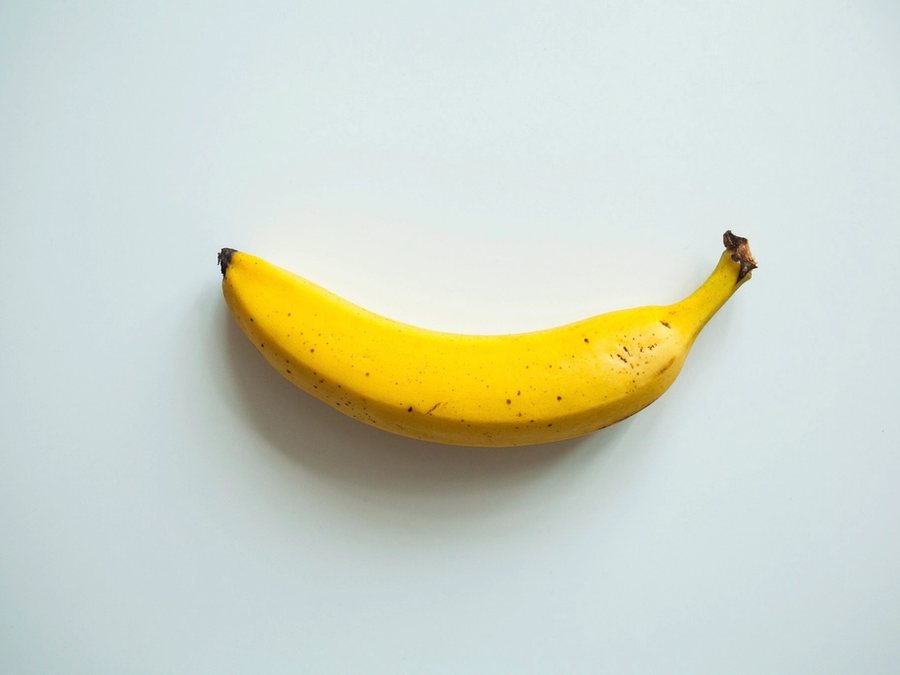
Fruit
Banana
No cooking, no equipment, comes in its own wrapper — and slippery enough to need a trick.
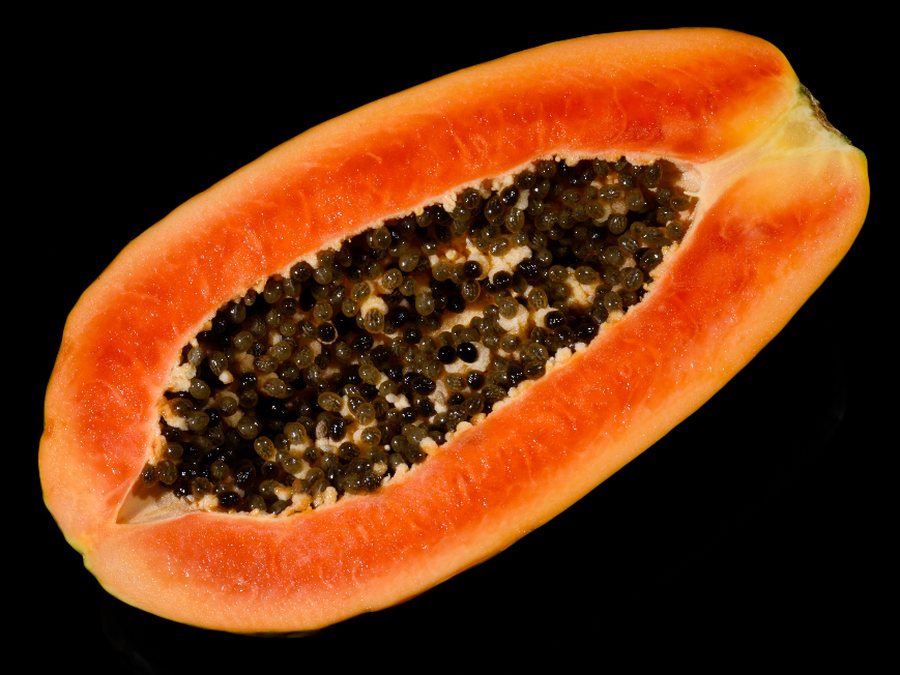
Fruit
Papaya
Soft as butter when ripe — one of the gentlest fruits on a new digestive system.
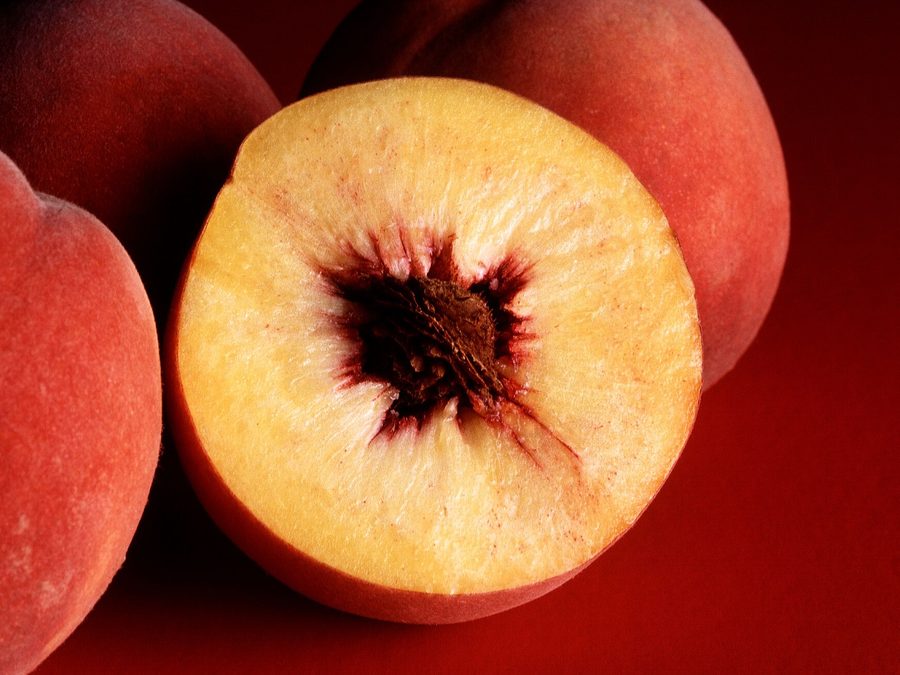
Fruit
Peach
Ripe peach is soft enough to serve raw — and the stone must always come out.
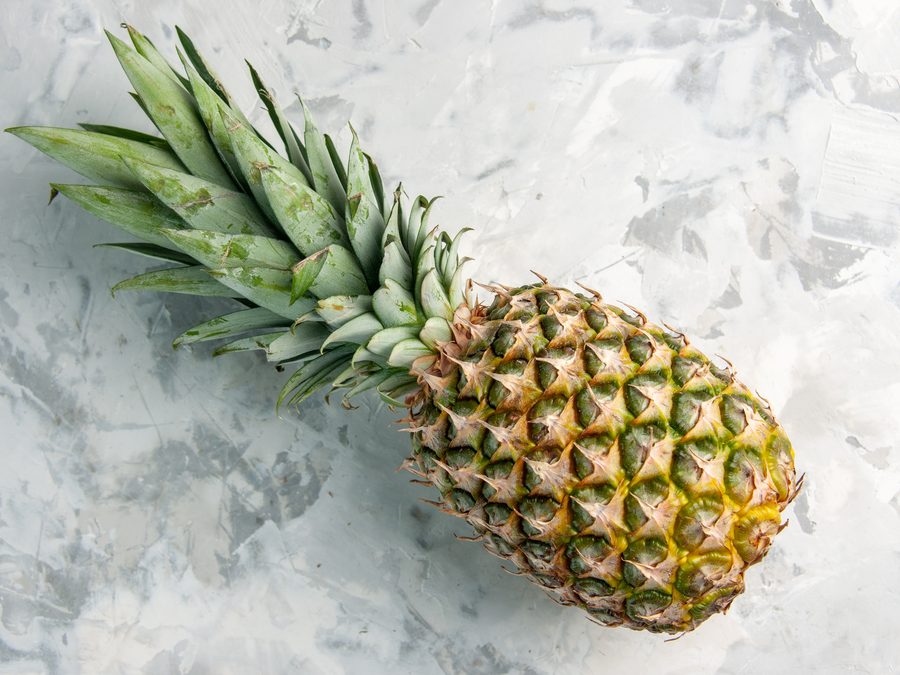
Fruit
Pineapple
Very high in vitamin C, and acidic enough to redden most babies' chins.