 FirstNom
Beans & legumes
Lentils for babies
Lentils are the plant world's answer to the iron problem. Cooked soft and served with something high in vitamin C, they close a real gap — especially in vegetarian families.
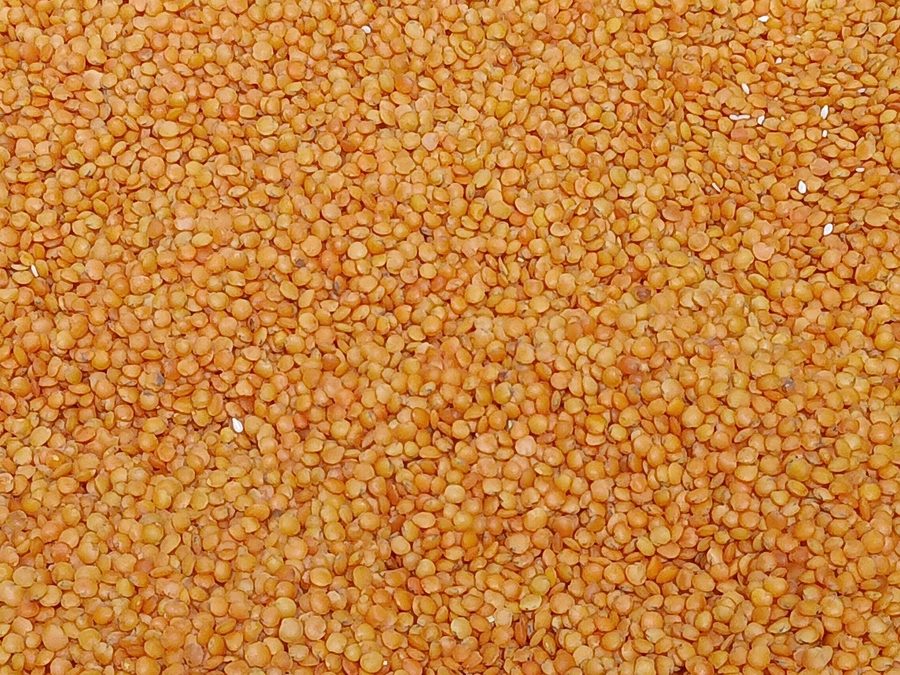
When can babies have lentils?
From around 6 months. Red lentils are the easiest starting point because they collapse into a soft purée without any effort; green and brown lentils hold their shape and are better once your baby can pick up small pieces.
How do you serve lentils to a baby?
The shape is what makes a food safe, and it changes as your baby’s grip and chewing change. Find your baby’s age band.
-
6–8 months
Cook red lentils until completely soft and collapsed — around 20–25 minutes — into a thick dal that holds on a spoon. Serve pre-loaded on a spoon, or thick enough to scoop with a hand. A dal with tomato in it does double duty on iron absorption.
-
9–11 months
Whole cooked green or brown lentils for pincer practice, or lentil patties, or dal with rice.
-
12–18 months
Lentil soup (unsalted), dal, lentil bolognese, or lentil patties. This is a good age for a lentil-and-vegetable stew the whole family eats.
-
18–24 months
Family portions. Lentils in salads and soups; still keep the salt down.
Prep tip
Serve lentils with a vitamin C food in the same meal — chopped tomato, red pepper, broccoli or a squeeze of lemon. It can multiply the iron your baby actually absorbs.
Storage
Cooked lentils keep four days refrigerated and freeze well. Dal thickens in the fridge; loosen with water when reheating.
Is lentils a choking hazard for babies?
Cooked lentils are soft and small, and pose little risk. Undercooked lentils are firm little discs, which is a texture worth avoiding — cook them longer than the packet says for babies. Whole cooked lentils are hard to pick up before the pincer grasp, so mash or bind them early on.
Whatever you serve, stay within arm’s reach, keep your baby upright in a supportive seat, and never let them eat in a moving car, buggy or carrier. Gagging is loud and normal. Choking is silent.
Is lentils a common allergen?
Lentils is not one of the nine most common food allergens. Any food can trigger a reaction, though, so offer it on its own the first time and watch for hives, vomiting, swelling or a change in breathing over the next two hours.
Is lentils healthy for babies?
Lentils are the most practical plant iron source for a baby — a serving carries more iron than most meats by weight, though it is non-heme iron and absorbed less efficiently. Pair them with vitamin C in the same meal (tomato, pepper, broccoli, a squeeze of lemon) and absorption rises substantially. They also bring protein, an enormous amount of folate, and fibre. Avoid serving them with a large glass of cow's milk, since calcium competes with iron for absorption.
| Iron (non-heme) | High |
|---|---|
| Protein | High |
| Fibre | Very high |
| Folate | Very high |
| Potassium | Good source |
| Iron per serving | ~1.5 mg |
Common questions about lentils
Do I need to soak lentils?
Not for red or split lentils. Soaking whole green or brown lentils for a few hours shortens cooking and can reduce the phytates that block iron absorption a little, but it is not essential. Rinsing well is worth doing either way.
Will lentils make my baby gassy?
They can at first. Legumes carry oligosaccharides that gut bacteria ferment. Start with small amounts and build up — most babies adjust within a week or two, and rinsing tinned lentils thoroughly helps.
Tinned or dried?
Both are fine. Tinned lentils are a legitimate shortcut — buy them with no added salt, or rinse thoroughly under running water, which removes a large share of the sodium.
Reference material
Guidance on this page follows the sources listed below.
Foods parents look at next
Beans & legumes
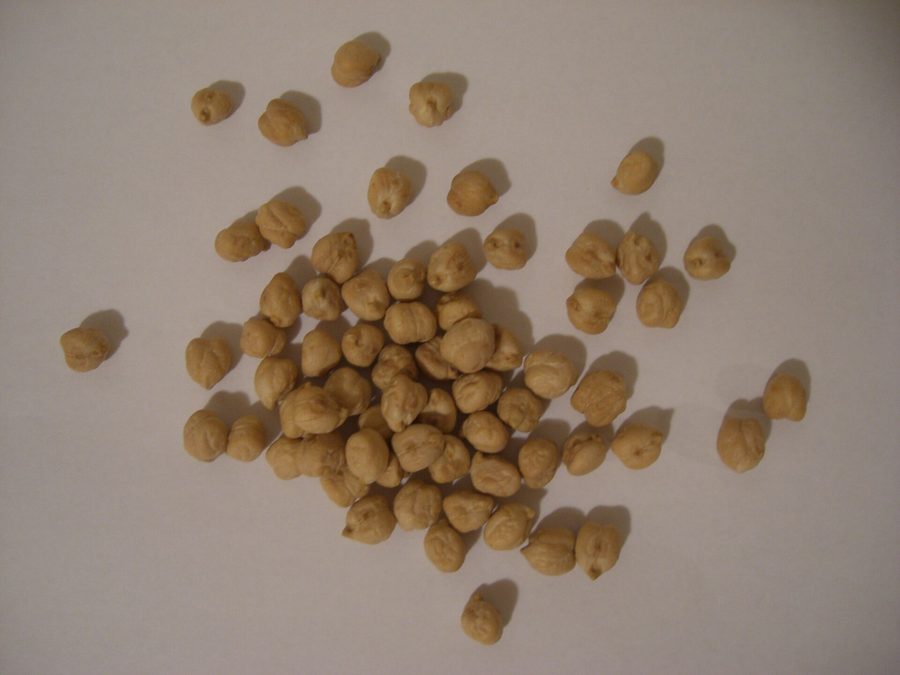
Chickpeas
Hummus is one of the great baby foods — and it doubles as a sesame introduction.
Beans & legumes
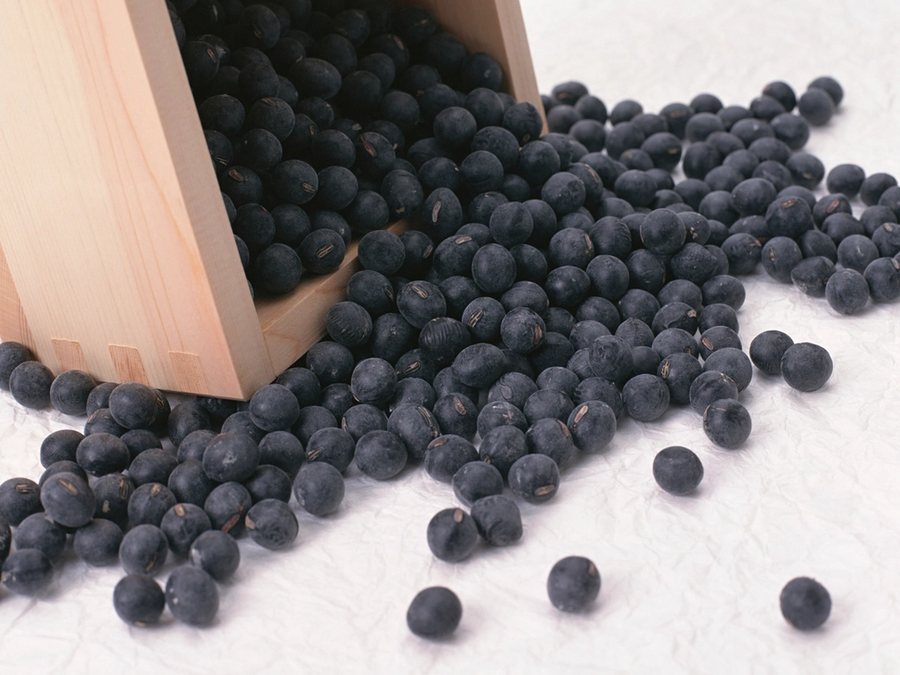
Black beans
Iron, protein and fibre in a soft package — mash them so a 6-month-old can actually eat them.
Beans & legumes
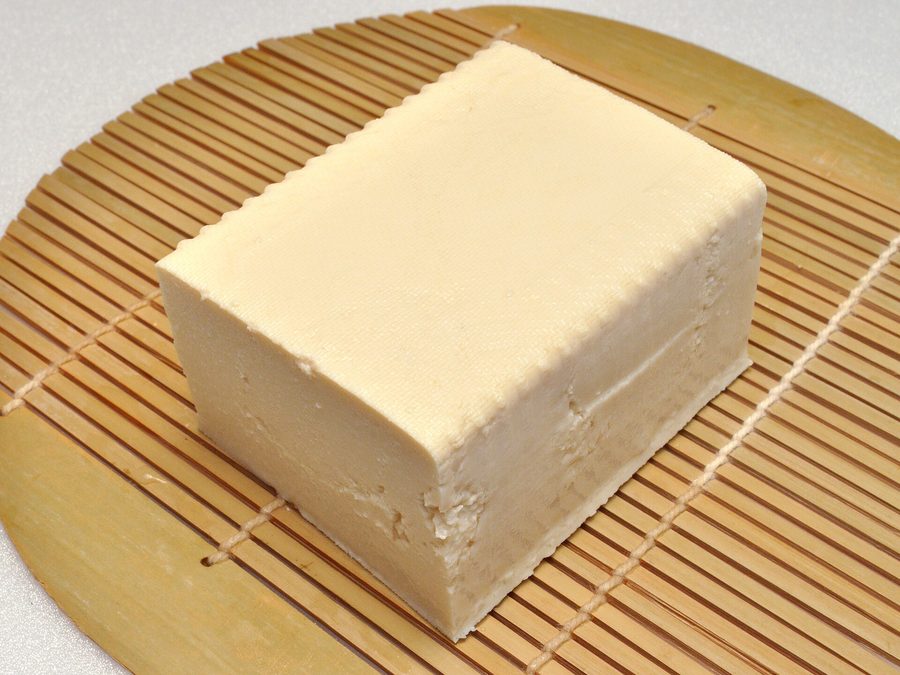
Tofu
A soy allergen introduction and a soft protein in one — firm tofu cuts into perfect baby strips.
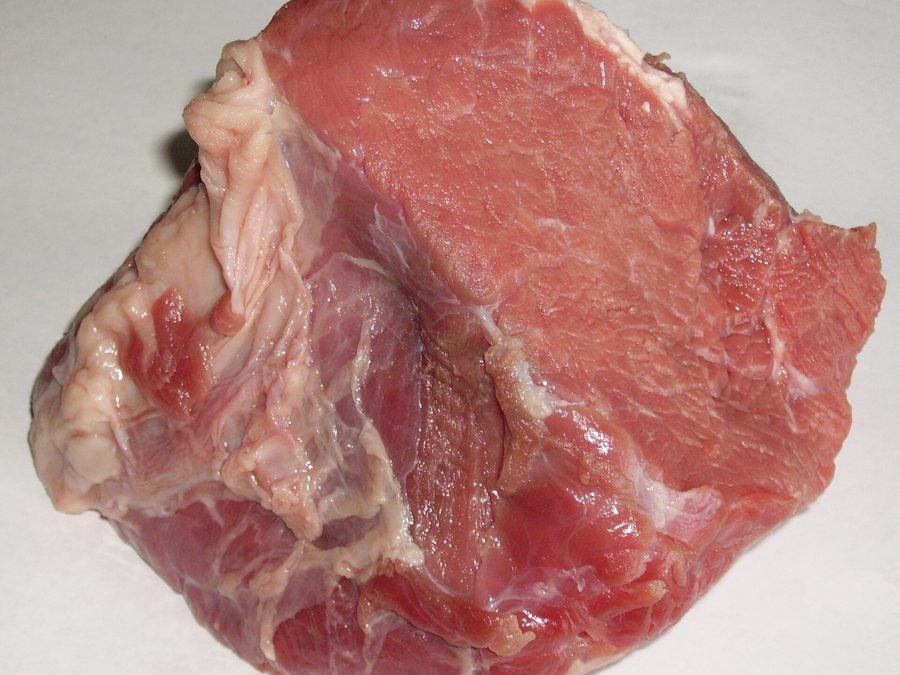
Meat & fish
Beef
The single best food for closing the iron gap that opens at 6 months.