 FirstNom
Fruit
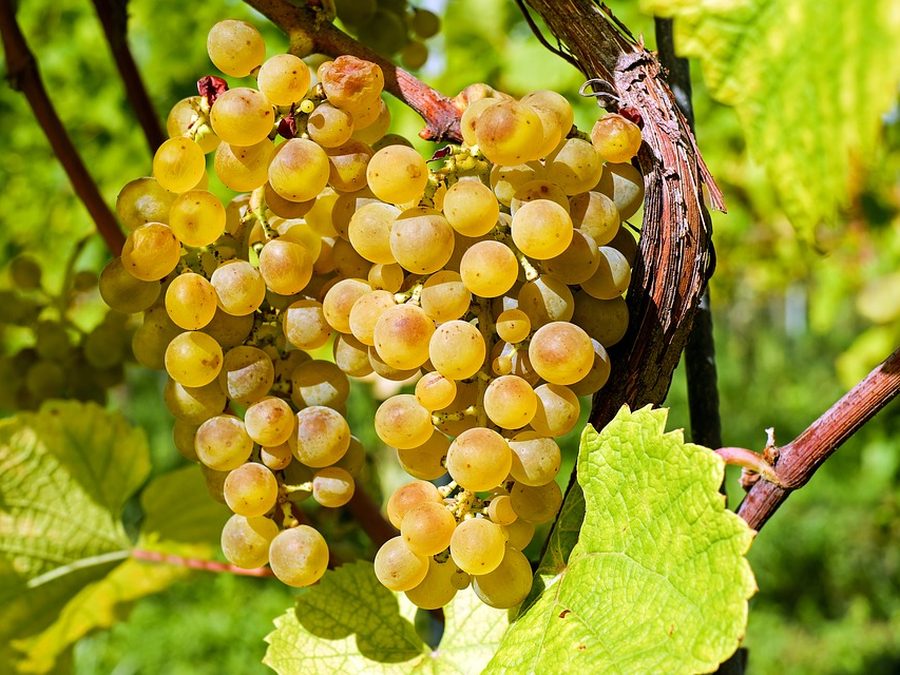
Grape for babies
Grapes are the food that appears at the top of every choking-hazard list, and for a specific reason: a whole grape is almost exactly the diameter of a young child's airway and its smooth skin lets it seal completely.
When can babies have grape?
From around 6 months, quartered lengthways. The food is fine; the shape is the hazard, and it stays a hazard for years.
How do you serve grape to a baby?
The shape is what makes a food safe, and it changes as your baby’s grip and chewing change. Find your baby’s age band.
-
6–8 months
Quarter lengthways, or squash whole grapes flat. Remove any seeds.
-
9–11 months
Quartered lengthways for pincer practice.
-
12–18 months
Quartered lengthways. Not halved, and never whole.
-
24 months+
Halved lengthways from around 4 years; whole grapes from around 5, and even then with supervision.
Prep tip
Line grapes up between two plastic lids and run a knife through the gap — you can quarter a whole bunch in under a minute rather than one at a time.
Storage
Refrigerate unwashed and rinse before serving. Cut grapes should be used within a day.
Is grape a choking hazard for babies?
A whole grape can form a perfect plug in a child's airway, and unlike most obstructions it is very difficult to dislodge. Quarter grapes lengthways — not across into coins — for every child under about 5 years. Cutting lengthways is what removes the round cross-section. This applies to cherry tomatoes and similar fruit too. Never let a toddler eat grapes from a bowl unsupervised.
Whatever you serve, stay within arm’s reach, keep your baby upright in a supportive seat, and never let them eat in a moving car, buggy or carrier. Gagging is loud and normal. Choking is silent.
Is grape a common allergen?
Grape is not one of the nine most common food allergens. Any food can trigger a reaction, though, so offer it on its own the first time and watch for hives, vomiting, swelling or a change in breathing over the next two hours.
Is grape healthy for babies?
Grapes bring vitamin K, polyphenols and water. Nutritionally they are ordinary — they are on this list because of how often they are served wrong, not because they are essential.
| Vitamin K | Good source |
|---|---|
| Vitamin C | Some |
| Polyphenols | Good source |
| Water | High |
| Iron per serving | ~0.1 mg |
Common questions about grape
Why lengthways and not across?
Cutting across leaves a round coin that can still seal an airway. Cutting lengthways produces a shape with no circular cross-section, which cannot form a plug. This is the single most important cutting instruction in baby feeding.
At what age can my child have whole grapes?
Around 5 years is the common guidance, and some sources say later. Quarter until 4, halve until 5. Grapes appear repeatedly in fatal choking incident data for children well past toddlerhood.
Reference material
Guidance on this page follows the sources listed below.
Foods parents look at next
Fruit
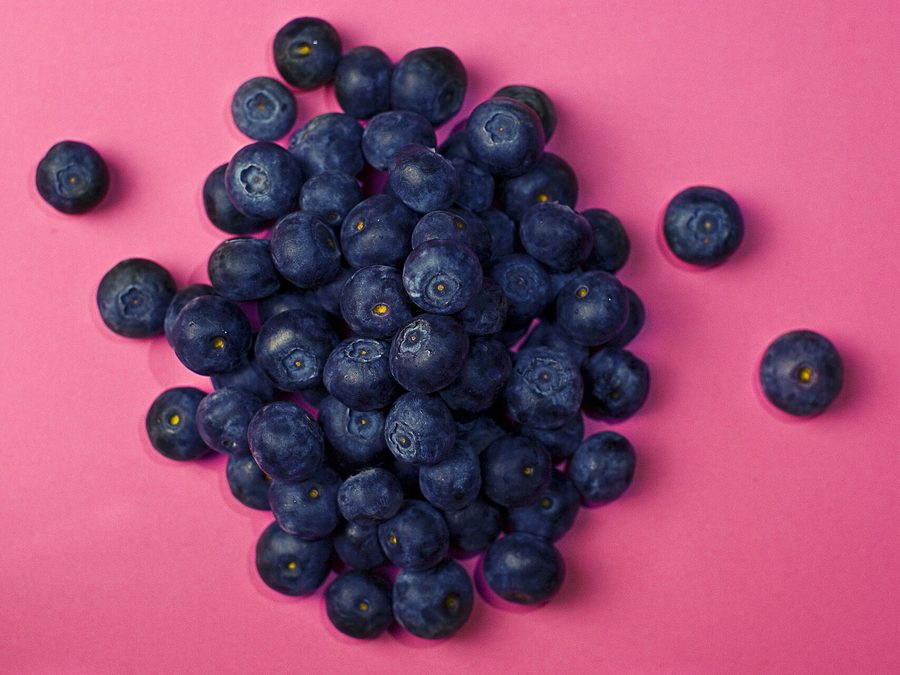
Blueberries
Squash them. A whole blueberry is exactly the shape that causes trouble.
Fruit
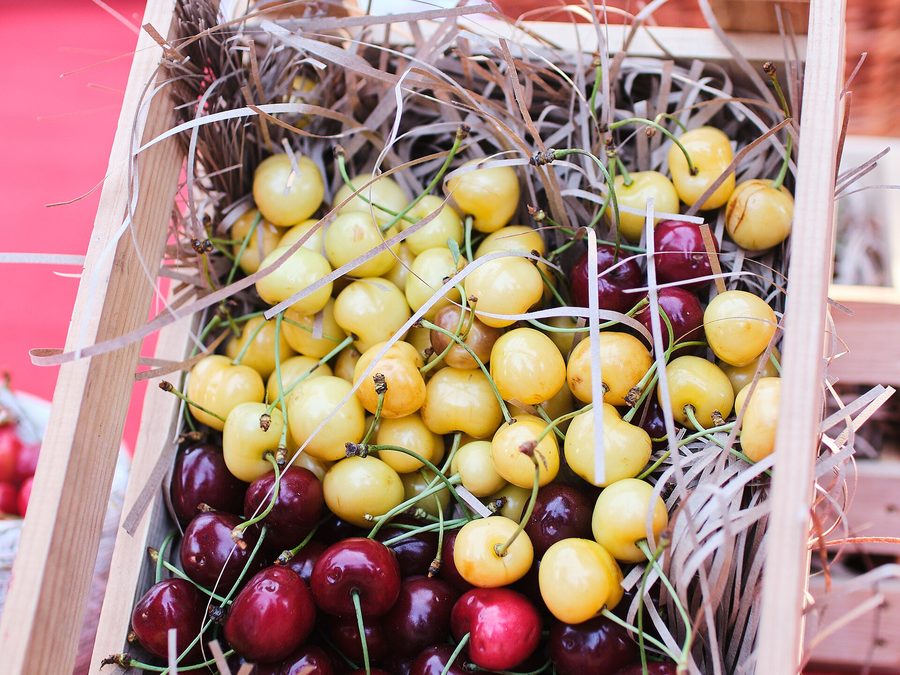
Cherry
Delicious and firmly in the grape hazard class — pit them and quarter them.
Fruit
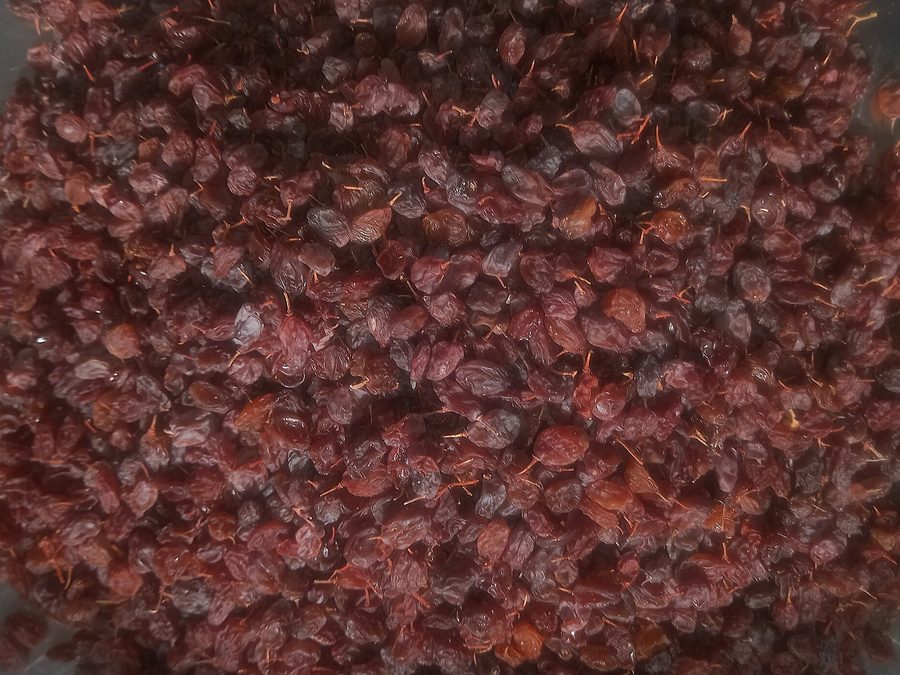
Raisins
Small, sticky and easy to inhale — one of the most commonly mishandled toddler snacks.
Vegetable
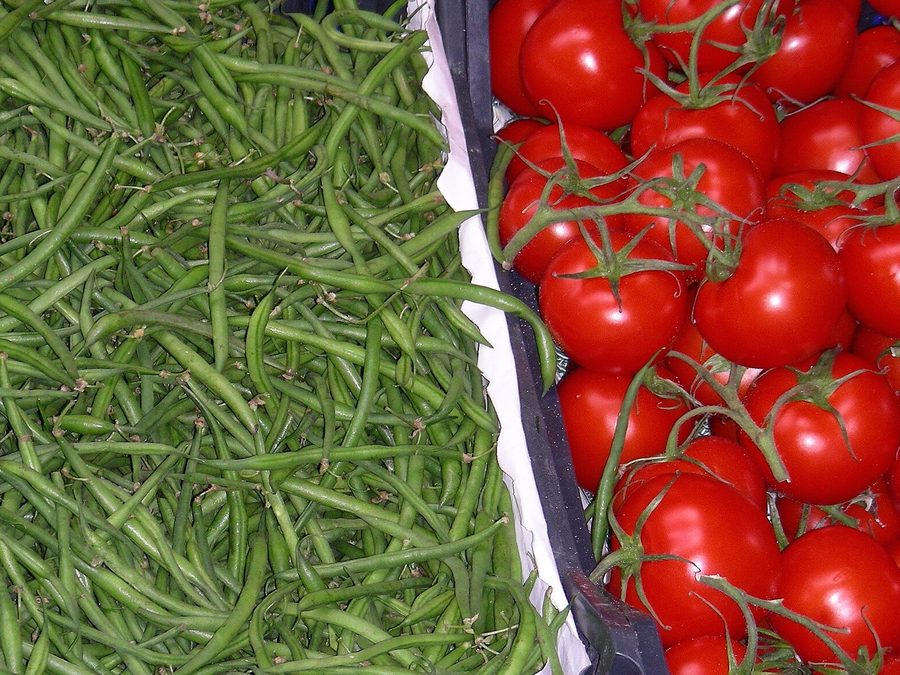
Tomato
Vitamin C for iron absorption — and cherry tomatoes are in the grape hazard class.