 FirstNom
Fruit
Raisins for babies
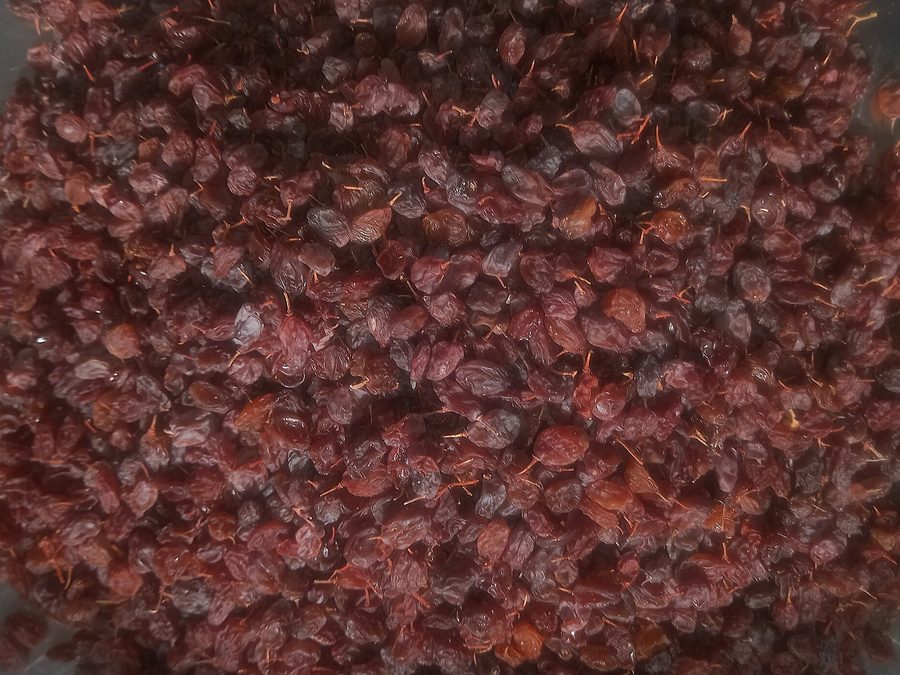
Raisins are handed to toddlers constantly and are genuinely risky: small, round, sticky and easy to inhale. They also stick to teeth for hours.
When can babies have raisins?
From around 9 months, soaked soft or chopped, or baked into food. They carry useful iron, but the handling matters more than the nutrition here.
How do you serve raisins to a baby?
The shape is what makes a food safe, and it changes as your baby’s grip and chewing change. Find your baby’s age band.
-
9–11 months
Soak in hot water until plump, then chop, and stir into porridge or yogurt.
-
12–18 months
Chopped or soaked, baked into oat bars or muffins. Not loose by the handful.
-
18–24 months
Chopped, or soaked whole. Still supervised.
-
24 months+
Whole raisins from around 4 years.
Prep tip
Soaking raisins in hot water for ten minutes plumps them and softens the texture completely — it also makes them easier to chop.
Storage
Keep sealed in a cupboard for months. Soaked raisins should be used the same day.
Is raisins a choking hazard for babies?
Raisins are on the standard choking-hazard lists. They are small enough to be inhaled, sticky enough to lodge, and toddlers tend to grab handfuls. For children under about 4, chop them, or soak them until plump and soft, or bake them into something. A loose box of raisins is not a suitable snack for a toddler on the move.
Whatever you serve, stay within arm’s reach, keep your baby upright in a supportive seat, and never let them eat in a moving car, buggy or carrier. Gagging is loud and normal. Choking is silent.
Is raisins a common allergen?
Raisins are not a common allergen, though sulphite-treated dried fruit can trigger wheezing in asthmatic children. Look for unsulphured.
Is raisins healthy for babies?
Raisins concentrate the iron and potassium of grapes into a small package, and a tablespoon in a bowl of porridge is a genuine iron contribution. The trade-offs are the choking risk and dental health — dried fruit adheres to teeth and is more cariogenic than fresh fruit, so it is better with a meal than as a between-meals snack.
| Iron (non-heme) | Good source |
|---|---|
| Potassium | High |
| Fibre | Good source |
| Natural sugars | Very high |
| Iron per serving | ~0.5 mg |
Common questions about raisins
Are raisins really a choking hazard?
Yes. They appear on the CDC and AAP hazard lists — small, round, sticky and easily inhaled, and toddlers eat them by the handful while moving. Chop or soak them under 4.
Are raisins bad for teeth?
They are more cariogenic than fresh fruit because they stick to enamel. Serve them with a meal rather than as a standalone snack, and brush afterwards.
Reference material
Guidance on this page follows the sources listed below.
Foods parents look at next
Fruit
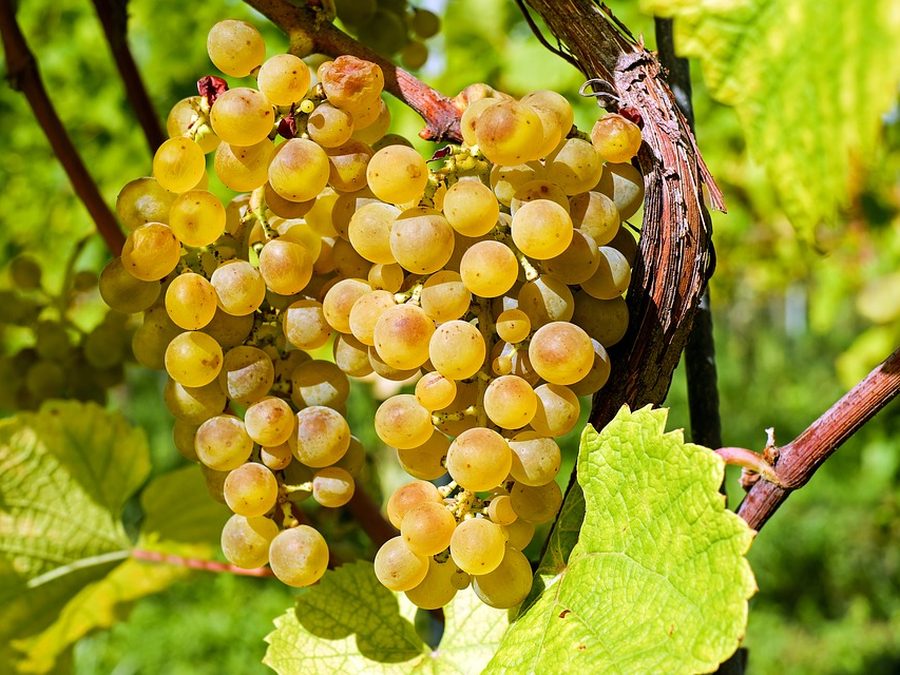
Grape
The single most-cited choking hazard in child feeding. Quarter them lengthways, every time.
Fruit
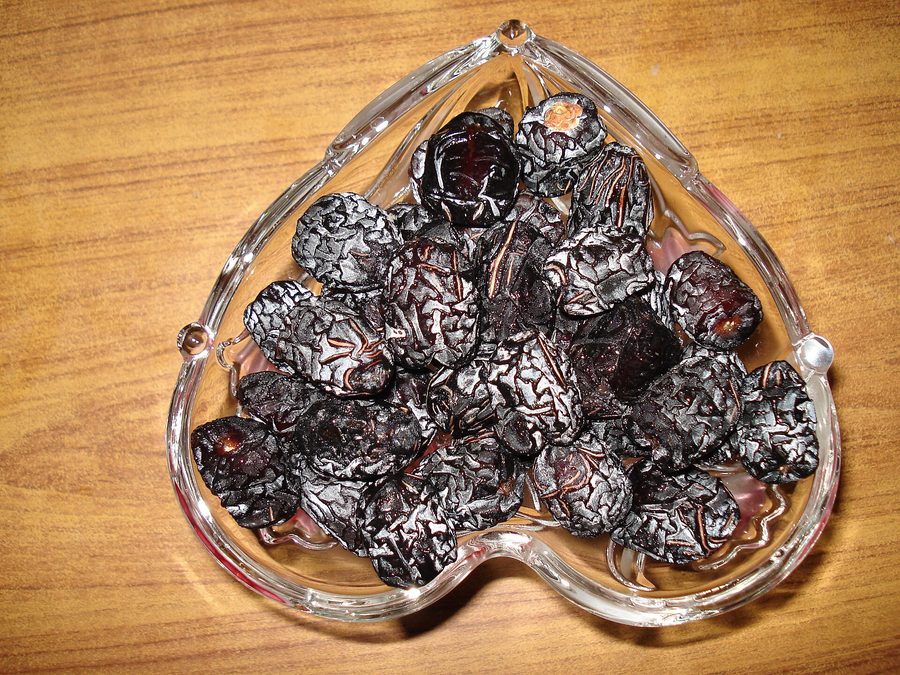
Dates
A natural sweetener with iron and fibre — always pitted, always chopped or puréed.
Fruit
Prune
The most reliable food answer to a constipated baby.
Grains
Oatmeal
An iron-fortified porridge is one of the simplest ways to hit a 6-month-old's iron target.