 FirstNom
Grains
Pasta for babies
Pasta is a wheat introduction with a built-in advantage: the big shapes are easy for small hands to grab, and overcooking it slightly is exactly what you want.
When can babies have pasta?
From around 6 months, cooked soft. Pasta is a common early wheat introduction because it is easy to portion, easy to soften and easy to combine with an iron source like lentils or minced beef.
How do you serve pasta to a baby?
The shape is what makes a food safe, and it changes as your baby’s grip and chewing change. Find your baby’s age band.
-
6–8 months
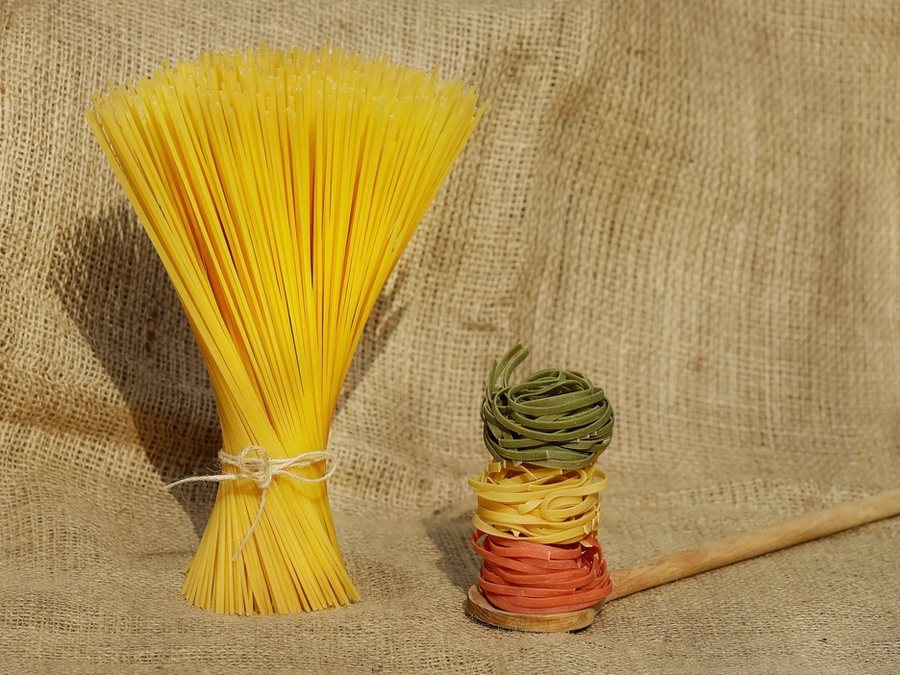
Large shapes — fusilli, penne, conchiglie — cooked until very soft, tossed in a little olive oil or a smooth sauce so they are not sticky. One or two pieces at a time.
-
9–11 months
Smaller shapes and short lengths of spaghetti for pincer practice, with sauce.
-
12–18 months
Any shape, well cooked, with sauce. This is a good age for pasta bakes with vegetables blended into the sauce.
-
18–24 months
Family pasta. Watch the salt in jarred sauces — many carry a lot.
Prep tip
Cook two minutes past the packet time and toss in a little oil. Sticky pasta clumps into a lump; oiled pasta separates into pieces a baby can pick up.
Storage
Cooked pasta keeps three days refrigerated. It firms up cold — rinse with hot water or reheat in sauce.
Is pasta a choking hazard for babies?
Well-cooked pasta is soft and low risk. Al dente is for adults — cook it a couple of minutes past the packet time for a baby. Large shapes with holes and ridges (penne, fusilli, rigatoni) are easier to grip than small ones. Long strands are manageable but messy; cut them into shorter lengths if your baby is stuffing them in.
Whatever you serve, stay within arm’s reach, keep your baby upright in a supportive seat, and never let them eat in a moving car, buggy or carrier. Gagging is loud and normal. Choking is silent.
Is pasta a common allergen?
Standard pasta is wheat, one of the nine common allergens. If bread or pasta has already gone down without a problem, wheat is introduced. Egg pasta additionally contains egg — a separate allergen — so read the packet if you have not introduced egg yet.
Is pasta healthy for babies?
Pasta is largely energy, which a small stomach can use, and it is often iron-fortified. Its real contribution is as a vehicle: a lentil bolognese or a tomato-and-bean sauce over soft pasta is a genuinely complete baby meal. Wholewheat pasta adds fibre but is firmer, so cook it longer.
| Carbohydrate | High |
|---|---|
| Iron (often fortified) | Good source |
| B vitamins | Good source |
| Protein | Some |
| Iron per serving | ~0.6 mg |
Common questions about pasta
Which pasta shape is best for a baby?
Large and grippable: fusilli, penne, conchiglie and rigatoni all have ridges or holes that small fingers can hook into. Tiny shapes like orzo are frustrating before the pincer grasp.
Is wholewheat pasta better for babies?
It has more fibre, but it is also firmer and more filling, and very high fibre can crowd out calories in a small stomach. White or a half-and-half mix is fine in the first year.
Reference material
Guidance on this page follows the sources listed below.
Foods parents look at next
Grains
Bread
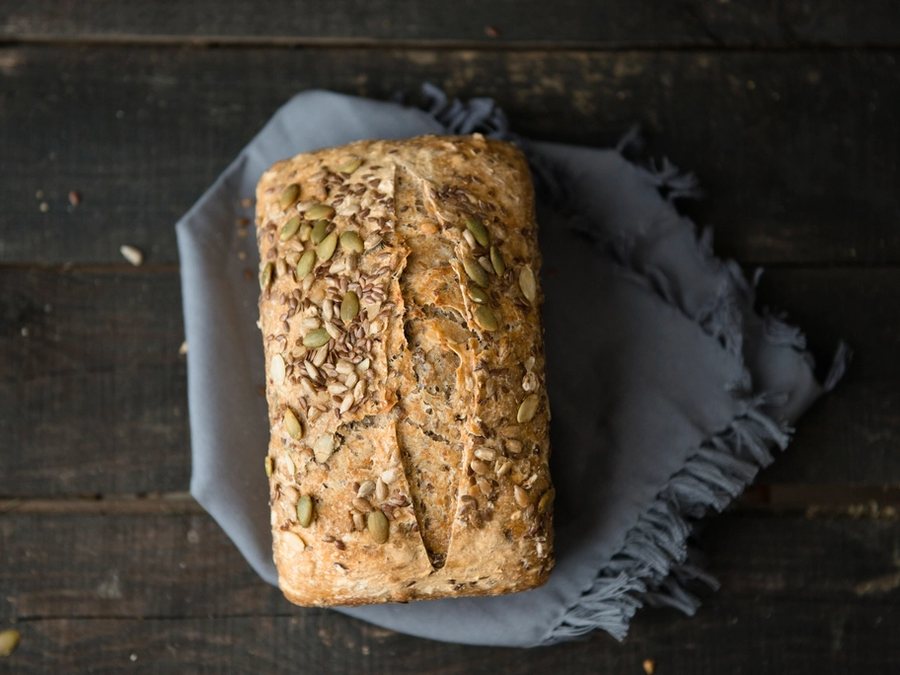
The easiest way to introduce wheat — toast it, because soft bread balls up in the mouth.
Grains
Rice noodles
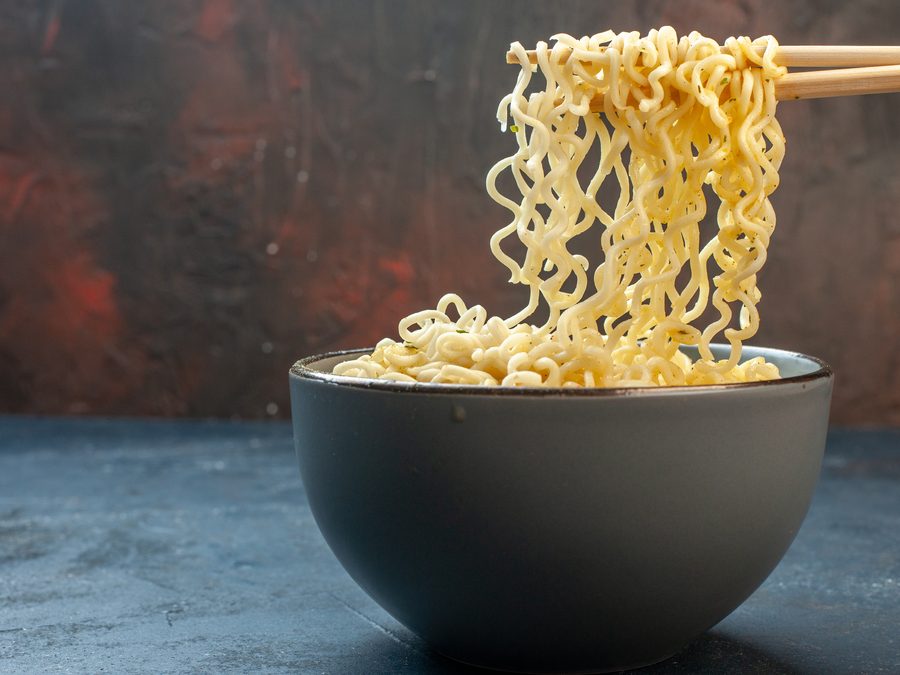
Gluten-free, soft in minutes, and long strands that need cutting short.
Grains
Couscous
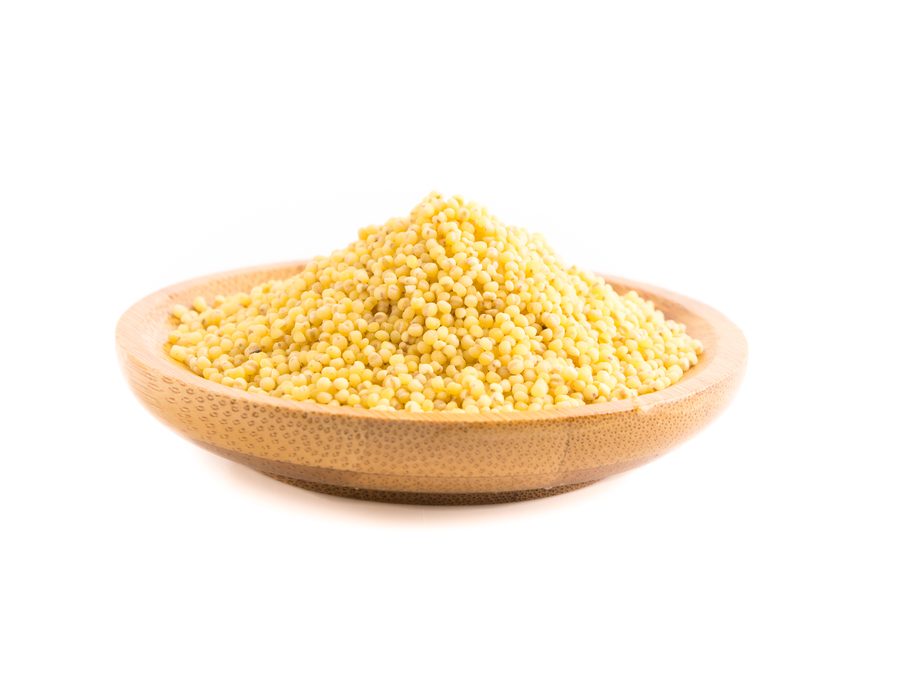
Ready in five minutes, and the grains are small enough to need binding.
Vegetable
Tomato
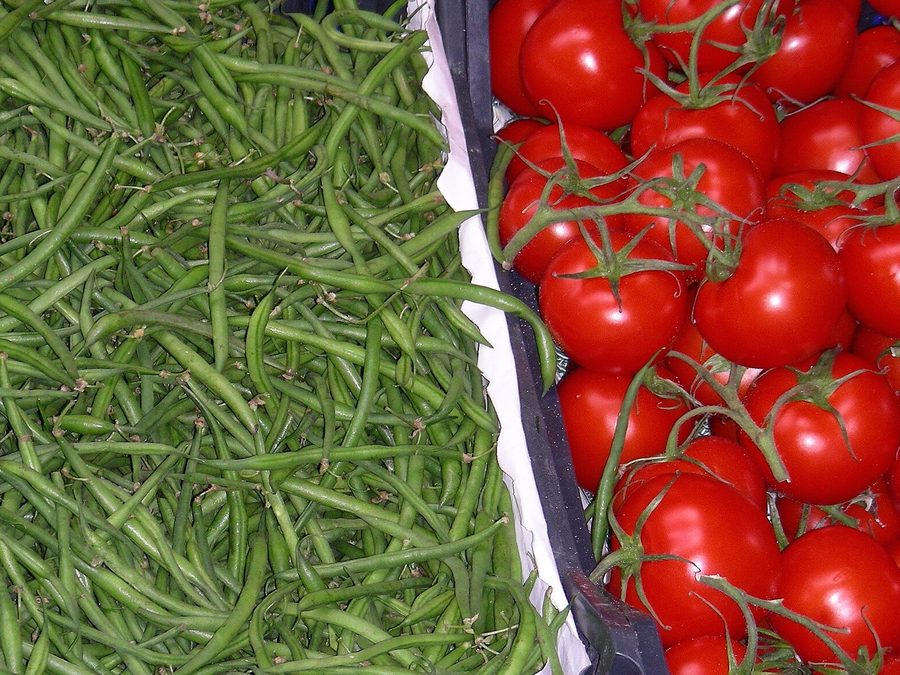
Vitamin C for iron absorption — and cherry tomatoes are in the grape hazard class.