 FirstNom
Dairy & eggs
Yogurt for babies
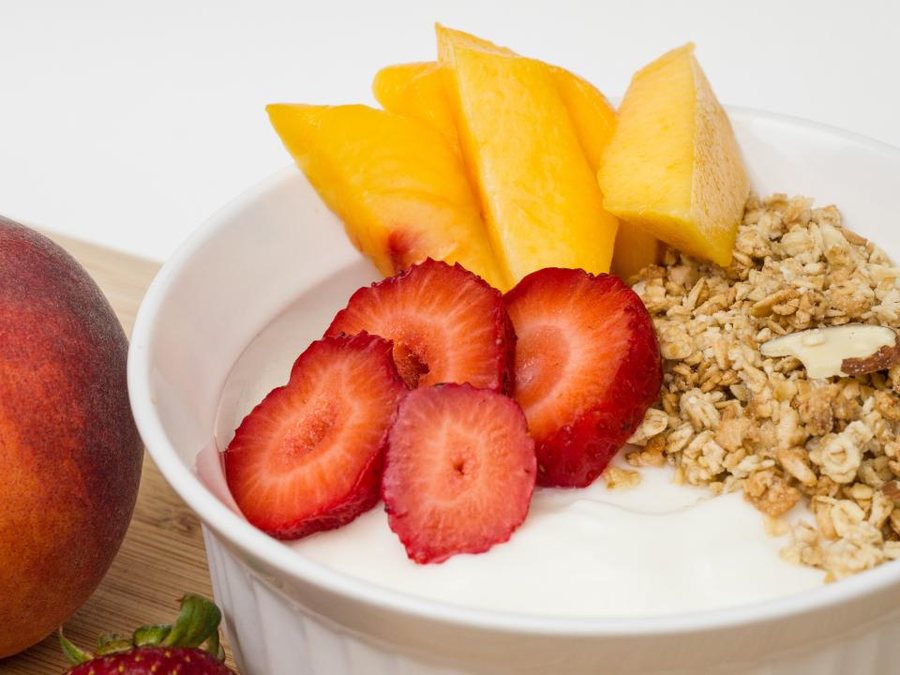
Yogurt confuses a lot of parents, because cow's milk as a drink waits until 12 months but yogurt does not. Plain, full-fat, unsweetened yogurt is a perfectly good 6-month food.
When can babies have yogurt?
From around 6 months. The 12-month rule applies to cow's milk as a main drink, not to dairy as a food — the concern with milk as a drink is that it displaces iron-rich food and can irritate the infant gut, and a few spoons of yogurt does neither. Fermentation also breaks down some of the lactose and alters the proteins, making yogurt easier to digest.
How do you serve yogurt to a baby?
The shape is what makes a food safe, and it changes as your baby’s grip and chewing change. Find your baby’s age band.
-
6–8 months
Plain whole-milk yogurt, thick enough to stay on a spoon. Greek yogurt is thicker and easier to self-feed. Hand over a pre-loaded spoon handle-first, or let your baby dip their hands in — that is how spoon-feeding starts.
-
9–11 months
In a bowl with a spoon and a lot of patience. Stir in mashed fruit for flavour rather than buying flavoured pots.
-
12–18 months
As a dip for vegetable sticks and fruit, stirred into porridge, or frozen into yogurt lollies for teething.
-
18–24 months
Regular yogurt as a snack or breakfast. Keep buying plain and adding your own fruit — flavoured children's yogurts routinely carry 10 g of sugar or more per pot.
Prep tip
Buy plain and flavour it yourself with mashed berry, banana or a little cinnamon. It costs less and avoids the sugar entirely.
Storage
Keep refrigerated and use within the date on the pot. Do not leave yogurt at room temperature for more than two hours. Home-frozen yogurt lollies keep a month.
Is yogurt a choking hazard for babies?
No choking risk. The things to watch with yogurt are sugar and salt, not texture — many yogurts marketed at children carry more sugar than a biscuit. Read the label and buy plain.
Whatever you serve, stay within arm’s reach, keep your baby upright in a supportive seat, and never let them eat in a moving car, buggy or carrier. Gagging is loud and normal. Choking is silent.
Is yogurt a common allergen?
Milk is one of the nine common allergens and the most common in infancy, affecting roughly 2 to 3 in 100 babies — though most outgrow it by school age. Cow's milk protein allergy is different from lactose intolerance, which is rare in babies. Introduce yogurt on its own, watch for two hours, and look for hives, vomiting, unusual reflux, blood or mucus in the stool, or eczema that flares. If your baby has already reacted to formula containing cow's milk, speak to your pediatrician before introducing dairy.
Is yogurt healthy for babies?
Yogurt is a dense source of calcium and protein in a texture a 6-month-old can eat, plus iodine, which is easy to miss in an infant diet and matters for brain development. Full-fat is the right choice under 2 — babies need the fat, and low-fat versions usually compensate with sugar. Live cultures may help gut flora, though the evidence in healthy babies is thinner than the marketing suggests.
| Calcium | Very high |
|---|---|
| Protein | High |
| Vitamin B12 | Good source |
| Live cultures | Present in most |
| Iodine | Good source |
| Iron per serving | ~0.1 mg |
Common questions about yogurt
Why is yogurt fine at 6 months when milk is not until 12?
The 12-month rule is about milk as a main drink. Large volumes of cow's milk displace iron-rich foods, supply very little iron themselves, and can irritate the infant gut lining. A few spoonfuls of yogurt as part of a meal does none of that, and the fermentation makes the proteins and lactose easier to handle.
Greek yogurt or regular?
Both work. Greek yogurt is strained, so it is thicker — easier to self-feed and higher in protein — but slightly lower in calcium for the same weight. Whichever you choose, plain and full-fat.
What about plant-based yogurts?
Most coconut, oat and almond yogurts are low in protein and often low in calcium unless fortified, so they are not a like-for-like swap. Soy yogurt is the closest match on protein. If your baby cannot have dairy, this is worth planning with a dietitian rather than substituting on the shelf.
Reference material
Guidance on this page follows the sources listed below.
Foods parents look at next
Dairy & eggs
Cheese
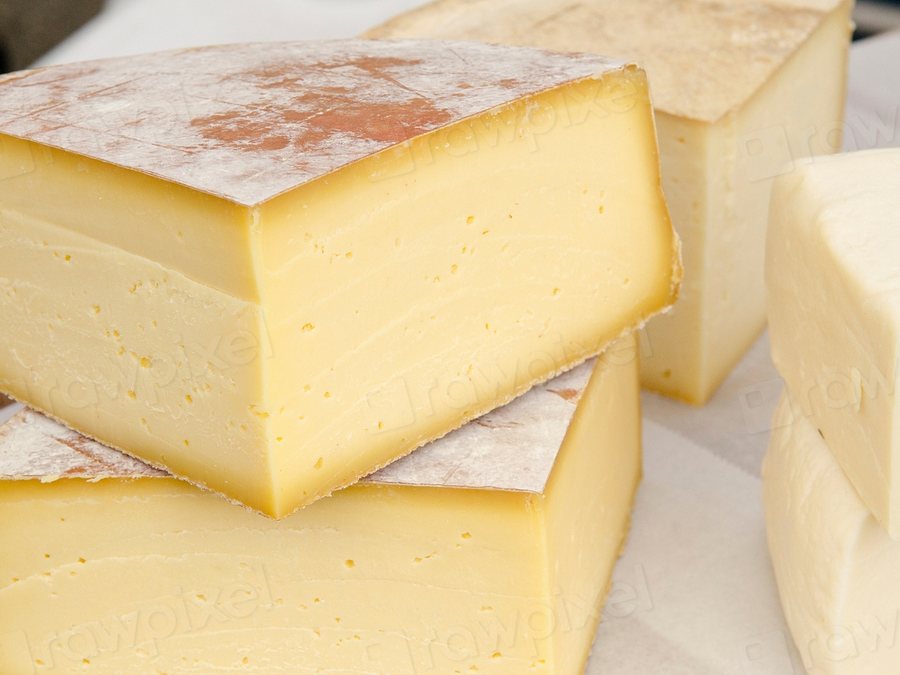
Calcium, fat and protein in one — the trick is picking a low-salt one and cutting it right.
Dairy & eggs
Cottage cheese
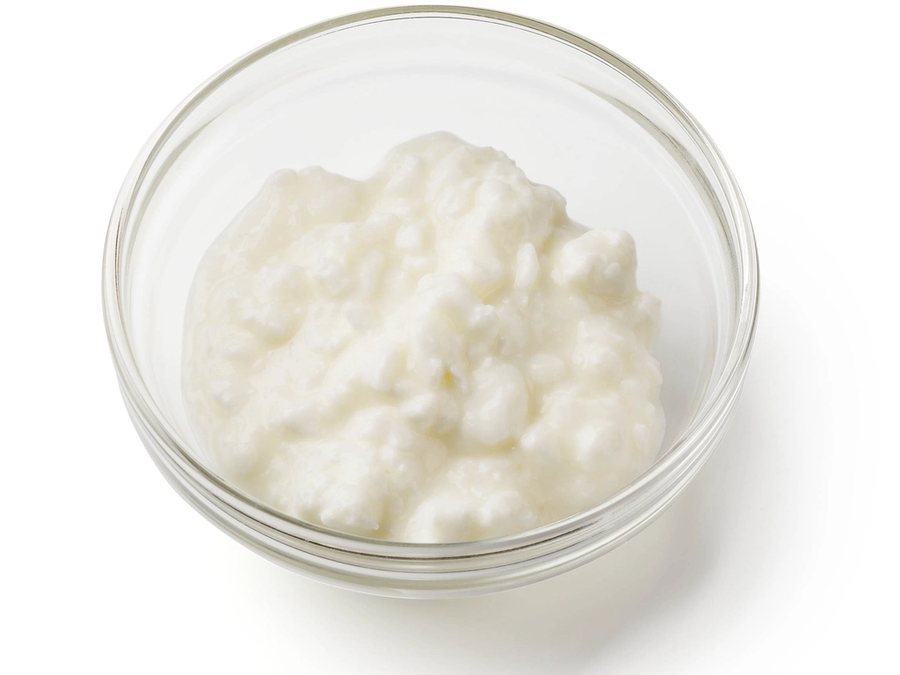
Soft, high in protein and much lower in salt than hard cheese.

Dairy & eggs
Kefir
A drinkable fermented milk with more live cultures than yogurt.
Dairy & eggs
Egg
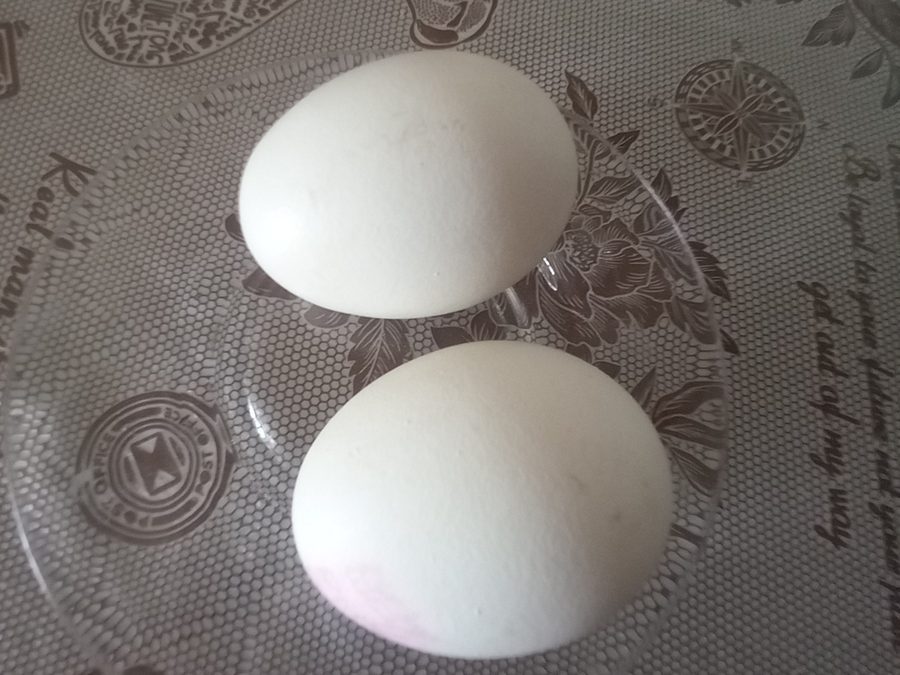
A top-nine allergen worth introducing early — and one of the cheapest complete proteins there is.