 FirstNom
Meat & fish
Lamb for babies
Lamb is nearly as iron-dense as beef and its stronger flavour is rarely the problem parents expect — babies have not yet learned to find it strong.
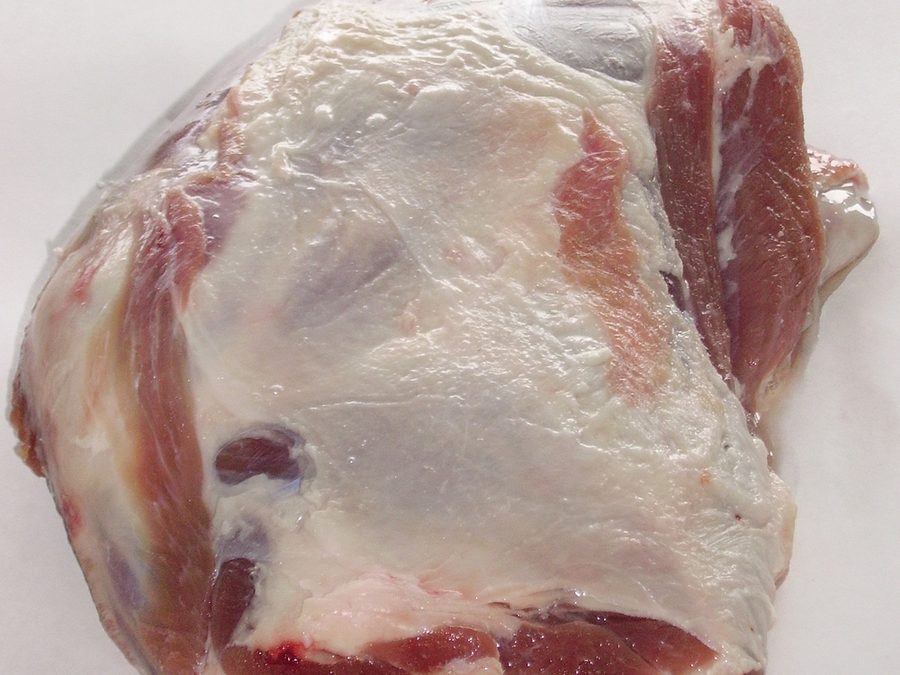
When can babies have lamb?
From around 6 months. Lamb is an excellent early meat — heme iron and zinc at levels close to beef, and it slow-cooks into a texture a toothless baby can manage.
How do you serve lamb to a baby?
The shape is what makes a food safe, and it changes as your baby’s grip and chewing change. Find your baby’s age band.
-
6–8 months
Slow-cooked lamb shoulder or shank shredded finely and mixed with its juices or a soft mash. Or minced lamb cooked into a sauce with tomato and mixed with mashed potato.
-
9–11 months
Small soft lamb meatballs, shredded lamb, or minced lamb in a sauce.
-
12–18 months
Shredded slow-cooked lamb, meatballs, or lamb in a mild tagine or curry — hold the salt.
-
18–24 months
Family portions cut small, across the grain.
Prep tip
Lamb shoulder braised for three hours shreds with a fork and freezes in meal-sized portions — a single cook gives you weeks of iron-rich meals.
Storage
Cooked lamb keeps two to three days refrigerated and freezes well in its cooking liquid, which keeps it moist on reheating.
Is lamb a choking hazard for babies?
As with all meat, the texture is the risk. Slow-cook shoulder or shank until it shreds, or use mince. Avoid firm cubes and never give a chop bone to a baby.
Whatever you serve, stay within arm’s reach, keep your baby upright in a supportive seat, and never let them eat in a moving car, buggy or carrier. Gagging is loud and normal. Choking is silent.
Is lamb a common allergen?
Lamb is not one of the nine most common food allergens. Any food can trigger a reaction, though, so offer it on its own the first time and watch for hives, vomiting, swelling or a change in breathing over the next two hours.
Is lamb healthy for babies?
Lamb delivers heme iron and a particularly high level of zinc, which babies need for growth and immune function and which is low in breast milk after 6 months. It is fattier than beef, which is an advantage rather than a drawback at this age.
| Iron (heme) | High |
|---|---|
| Zinc | Very high |
| Protein | Very high |
| Vitamin B12 | Very high |
| Selenium | Good source |
| Iron per serving | ~1.2 mg |
Common questions about lamb
Is lamb too rich for a baby?
No. Babies need fat, and lamb's fat content is an advantage. If the flavour is strong for your family's taste, minced lamb in a tomato sauce is milder than a roast.
Beef or lamb for iron?
Very similar. Beef edges ahead slightly on iron, lamb on zinc. Either is a strong choice; alternating them is better than picking one.
Reference material
Guidance on this page follows the sources listed below.
Foods parents look at next
Meat & fish
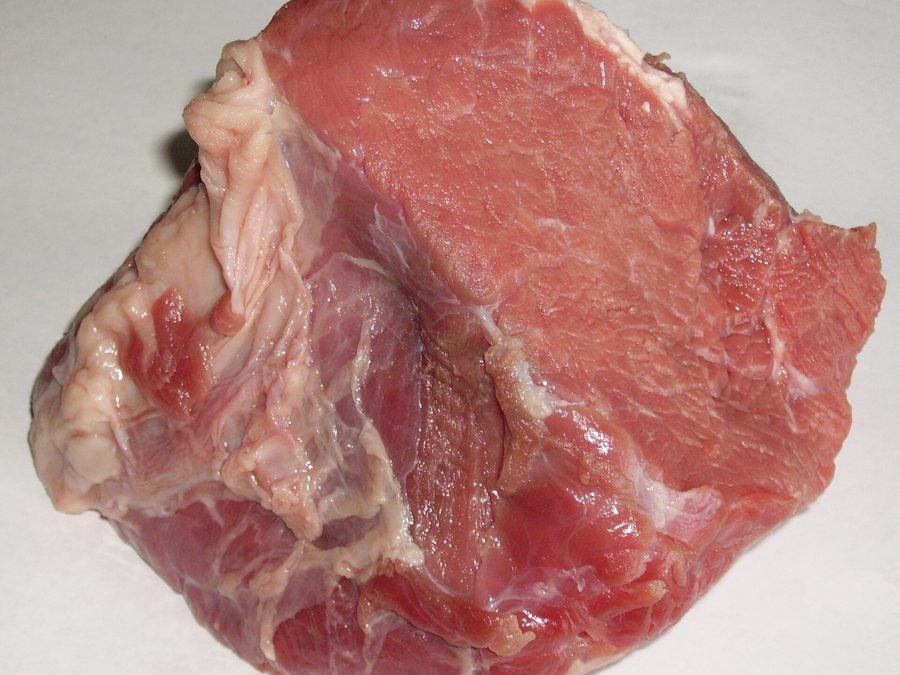
Beef
The single best food for closing the iron gap that opens at 6 months.
Meat & fish
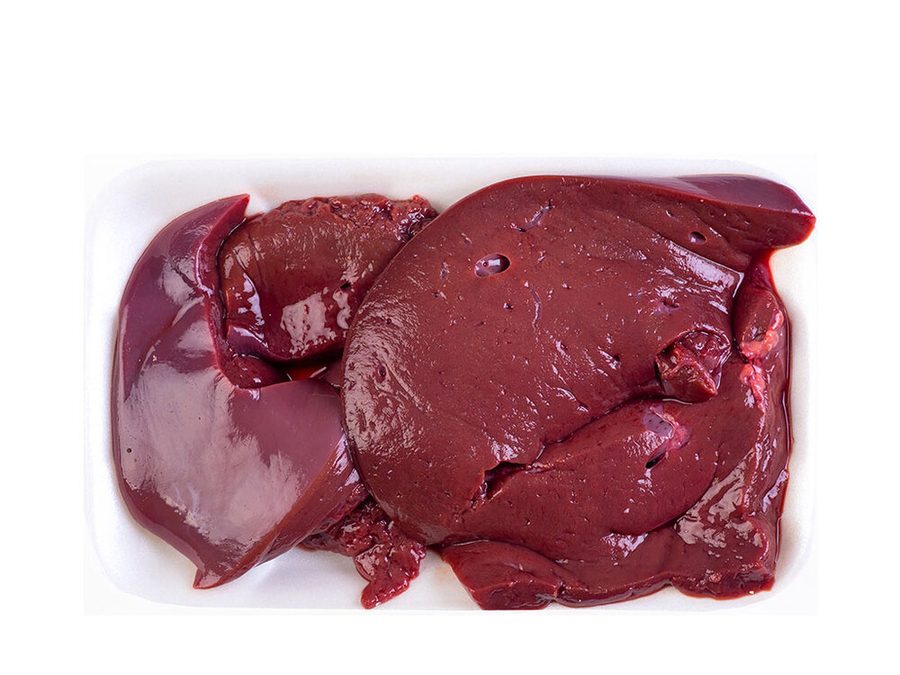
Beef liver
Nothing comes close on iron — but the vitamin A content means small amounts, not often.
Meat & fish
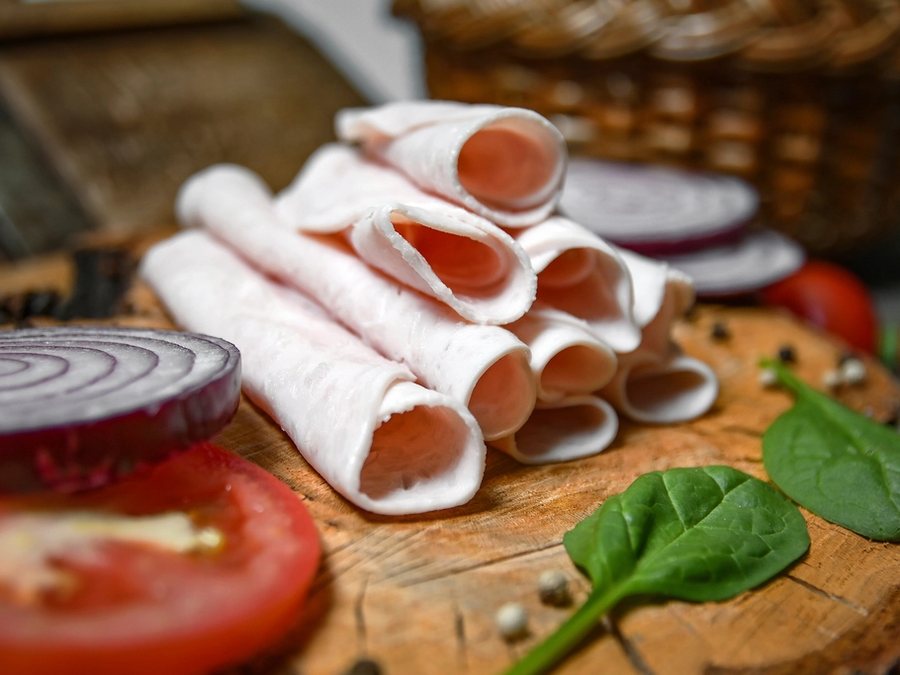
Pork
Slow-cooked shoulder shreds beautifully — the cut matters more than the animal.
Beans & legumes
Lentils
The best plant iron source for babies — cheap, soft, and it cooks in twenty minutes.