 FirstNom
Grains
Rice cake for babies
Rice cakes dissolve fast, which makes them a reasonable early finger food. Two caveats: the arsenic in rice, and the fact that they carry almost no nutrition.
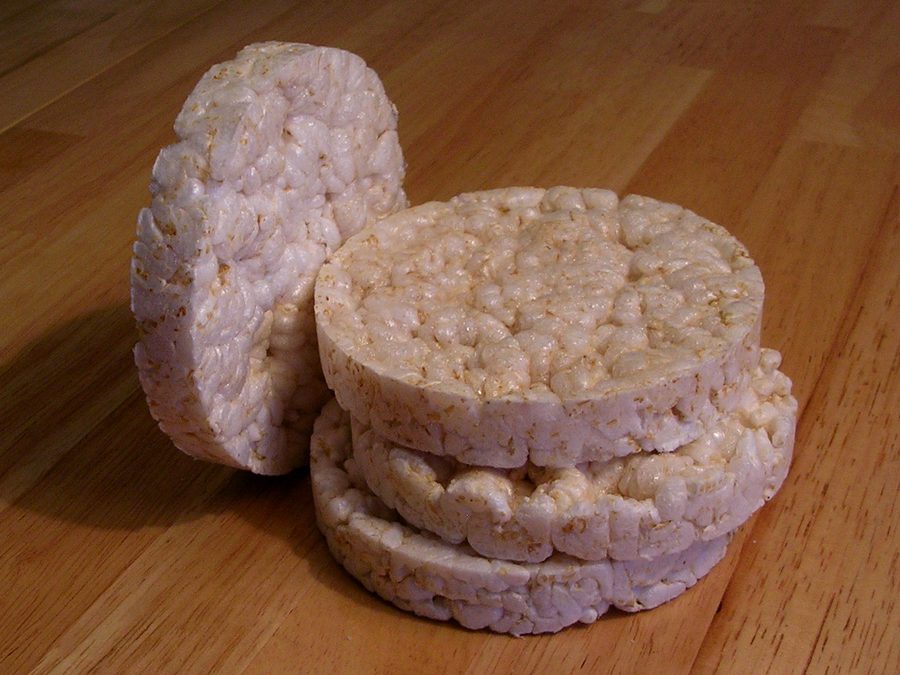
When can babies have rice cake?
From around 6 months as an occasional finger food, plain and unsalted. UK guidance advises against rice drinks under 5 years because of arsenic; rice cakes are not restricted in the same way but are worth limiting rather than serving daily.
How do you serve rice cake to a baby?
The shape is what makes a food safe, and it changes as your baby’s grip and chewing change. Find your baby’s age band.
-
6–8 months
A plain unsalted rice cake, spread thinly with mashed avocado, thinned nut butter or cream cheese. Half at a time.
-
9–11 months
Broken into pieces, or spread and cut into strips.
-
12–18 months
As a snack with a topping.
-
18–24 months
As a snack. Vary with other grains.
Prep tip
Spread them. A plain rice cake is dry, dusty and nutritionally empty; a spread one is a real snack and much easier to eat.
Storage
Keep sealed — they go stale and chewy quickly once opened, which makes them harder rather than softer.
Is rice cake a choking hazard for babies?
Rice cakes break into large dry flakes that can stick to the roof of the mouth. They do dissolve with saliva, which is what makes them workable, but a baby should be sitting upright and supervised, and it is worth spreading them with something moist.
Whatever you serve, stay within arm’s reach, keep your baby upright in a supportive seat, and never let them eat in a moving car, buggy or carrier. Gagging is loud and normal. Choking is silent.
Is rice cake a common allergen?
Rice cake is not one of the nine most common food allergens. Any food can trigger a reaction, though, so offer it on its own the first time and watch for hives, vomiting, swelling or a change in breathing over the next two hours.
Is rice cake healthy for babies?
Very little nutritionally — they are puffed rice and air. Their value is practical: they are a cheap, portable, dissolvable finger food that gives a baby something to work on. Spread with nut butter, hummus or cream cheese they become a real snack.
| Carbohydrate | High |
|---|---|
| Protein | Low |
| Fibre | Low |
| Sodium | Low in plain versions |
| Iron per serving | ~0.1 mg |
Common questions about rice cake
Are rice cakes safe given the arsenic in rice?
As an occasional snack, yes. The advice is to vary grains rather than make rice the daily default, and to avoid rice drinks entirely under 5. A rice cake a few times a week is not the problem; three a day alongside rice cereal would be.
Are they a good first finger food?
Reasonable, because they dissolve. A strip of toast is more nutritious and less dusty.
Reference material
Guidance on this page follows the sources listed below.
Foods parents look at next
Grains
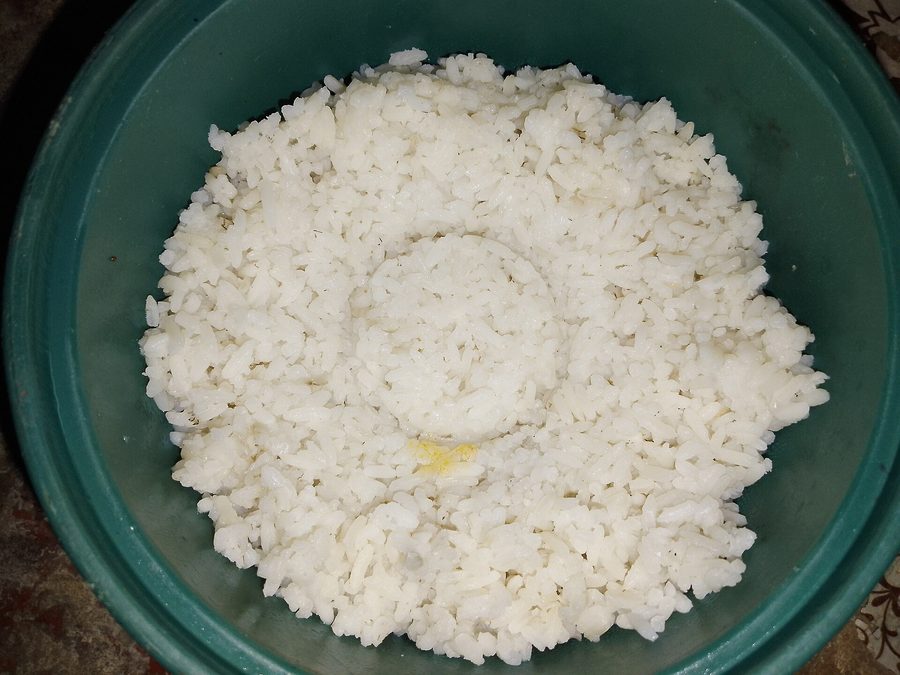
Rice
Perfectly fine for babies — as one grain among several, not the only one.
Grains
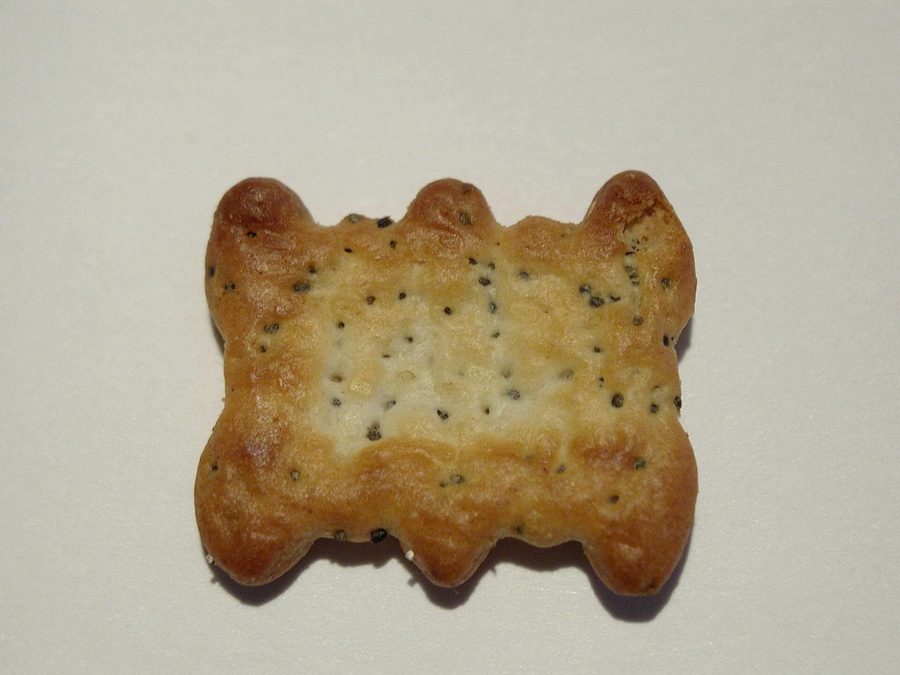
Crackers
Convenient, usually salty, and drier than they look — read the label.
Grains
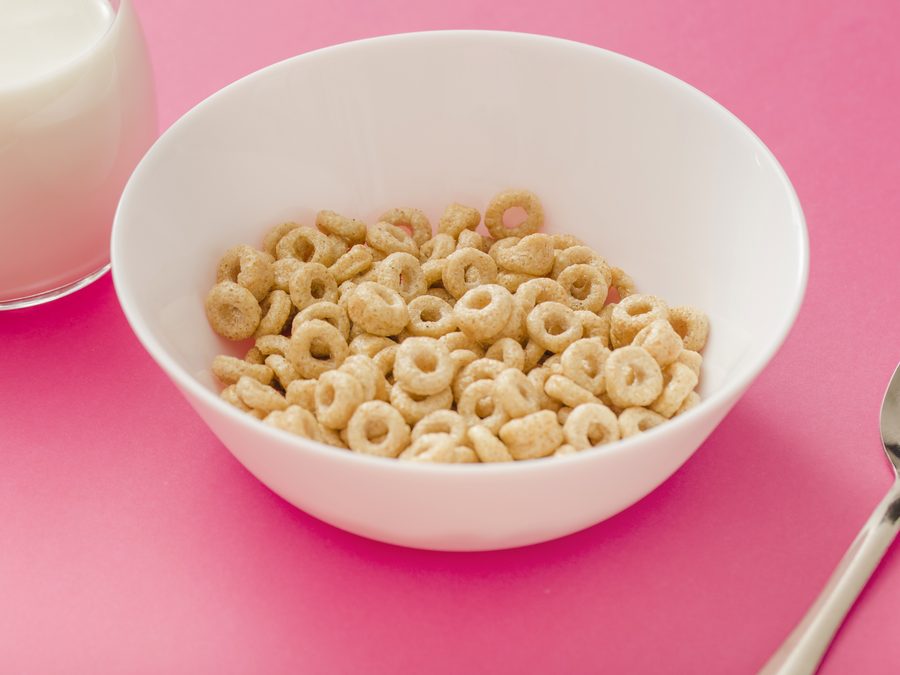
Oat ring cereal
The classic pincer-grasp trainer — and it dissolves, which is why it works.
Grains
Bread
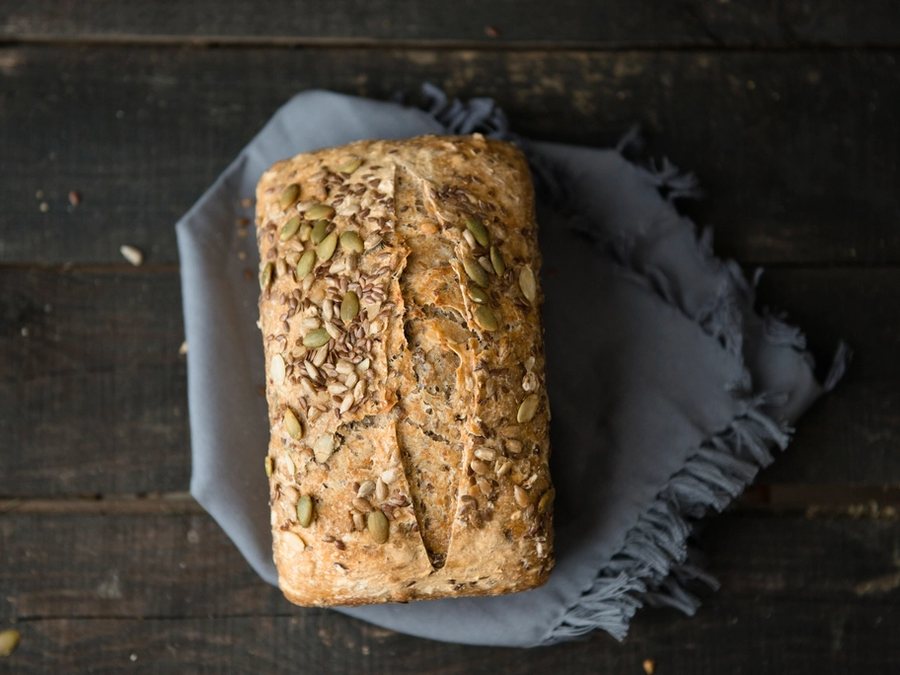
The easiest way to introduce wheat — toast it, because soft bread balls up in the mouth.