 FirstNom
Grains
Rice for babies
Rice is a normal, useful baby food. The single thing worth knowing is that rice takes up more inorganic arsenic than other grains, which is an argument for variety rather than avoidance.
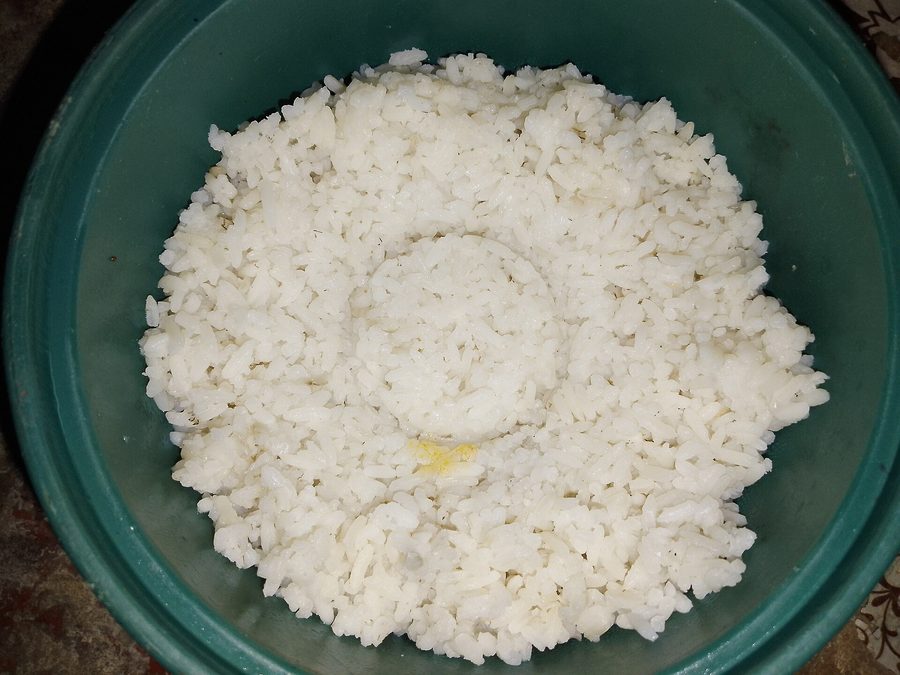
When can babies have rice?
From around 6 months. Both the FDA and the AAP recommend varying grains rather than relying on rice, particularly rice cereal, because of inorganic arsenic. Rice as part of a mixed diet is not a concern.
How do you serve rice to a baby?
The shape is what makes a food safe, and it changes as your baby’s grip and chewing change. Find your baby’s age band.
-
6–8 months
Sticky short-grain or risotto rice, cooked soft and slightly wet, pressed into a small ball or mixed with dal, minced meat or mashed vegetable so it holds together.
-
9–11 months
Loose cooked rice for pincer practice, or rice balls.
-
12–18 months
Rice as a side, in a mild curry, fried rice with egg and vegetables.
-
18–24 months
Family portions. Vary with quinoa, couscous, pasta and other grains.
Prep tip
Rinsing rice before cooking and cooking it in plenty of water that you then drain reduces inorganic arsenic substantially — up to around half, depending on method.
Storage
Cool cooked rice quickly, within an hour, refrigerate, and use within 24 hours. Reheat until piping hot, once only. Rice left at room temperature is a genuine food-poisoning risk.
Is rice a choking hazard for babies?
Cooked rice is soft and low risk. Individual grains are too small for a baby to pick up before the pincer grasp, so serve it sticky, in a ball, or mixed into something. Rice cakes are dry and can break into hard shards — see the separate entry.
Whatever you serve, stay within arm’s reach, keep your baby upright in a supportive seat, and never let them eat in a moving car, buggy or carrier. Gagging is loud and normal. Choking is silent.
Is rice a common allergen?
Rice is not one of the nine most common food allergens. Any food can trigger a reaction, though, so offer it on its own the first time and watch for hives, vomiting, swelling or a change in breathing over the next two hours.
Is rice healthy for babies?
Rice is straightforward energy and, when enriched, a source of B vitamins. Its practical value for a baby is as a base — a sticky short-grain or a risotto binds beans, lentils, fish or vegetables into something scoopable. Brown rice adds fibre and minerals but is firmer and needs longer cooking.
| Carbohydrate | High |
|---|---|
| B vitamins (enriched) | Good source |
| Manganese | Good source |
| Fibre (brown rice) | Good source |
| Iron per serving | ~0.4 mg |
Common questions about rice
Is arsenic in rice a real concern for babies?
Worth managing, not worth panicking over. Babies eat a lot per kilogram of body weight, so guidance is to vary grains rather than serve rice cereal daily, and to avoid rice drinks entirely under 5 years. Cooking rice in excess water and draining it reduces arsenic considerably.
Can babies have rice milk?
No. UK and US guidance advises against rice drinks for children under 5 because of arsenic. Whole cow's milk from 12 months, or a fortified soy or oat drink, are better options.
Reference material
Guidance on this page follows the sources listed below.
Foods parents look at next
Grains
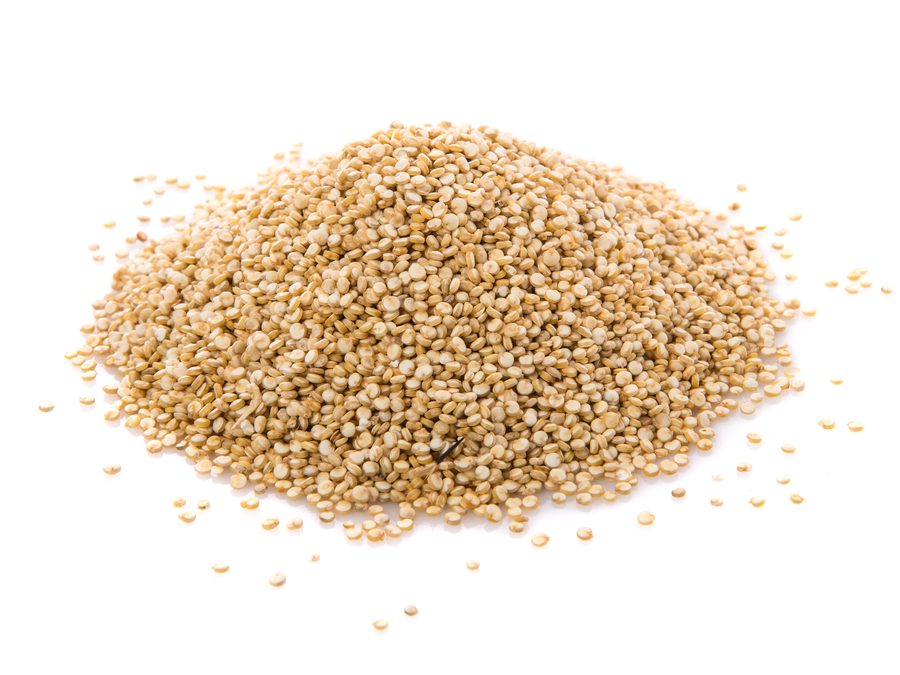
Quinoa
A complete plant protein with real iron — and a rinse step you should not skip.
Grains
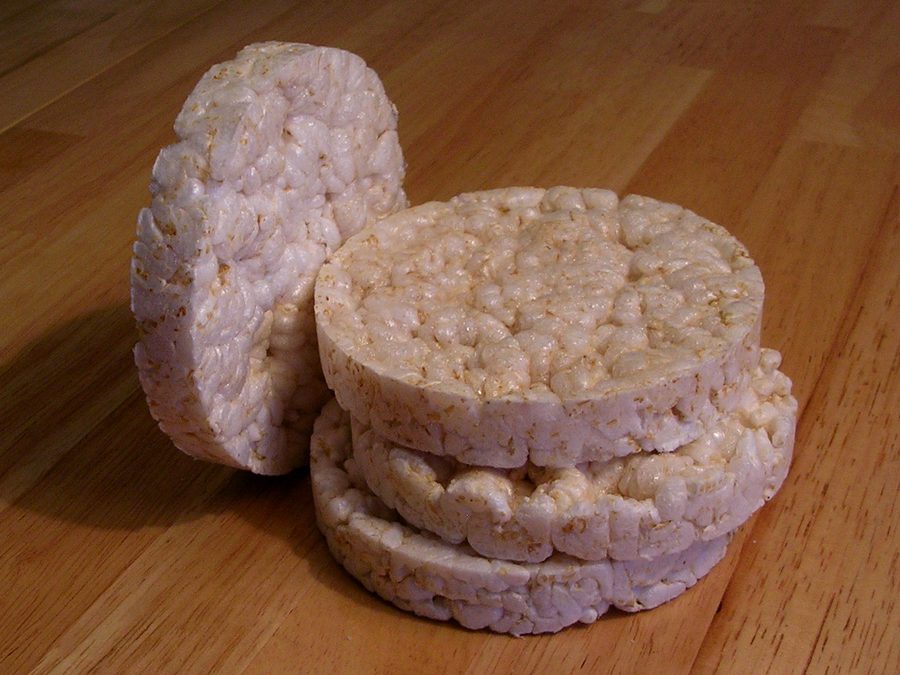
Rice cake
Dissolves quickly, which is the point — but rice cakes and arsenic need a mention.

Grains
Millet
Gluten-free, iron-bearing and a complementary-feeding staple across much of the world.
Grains
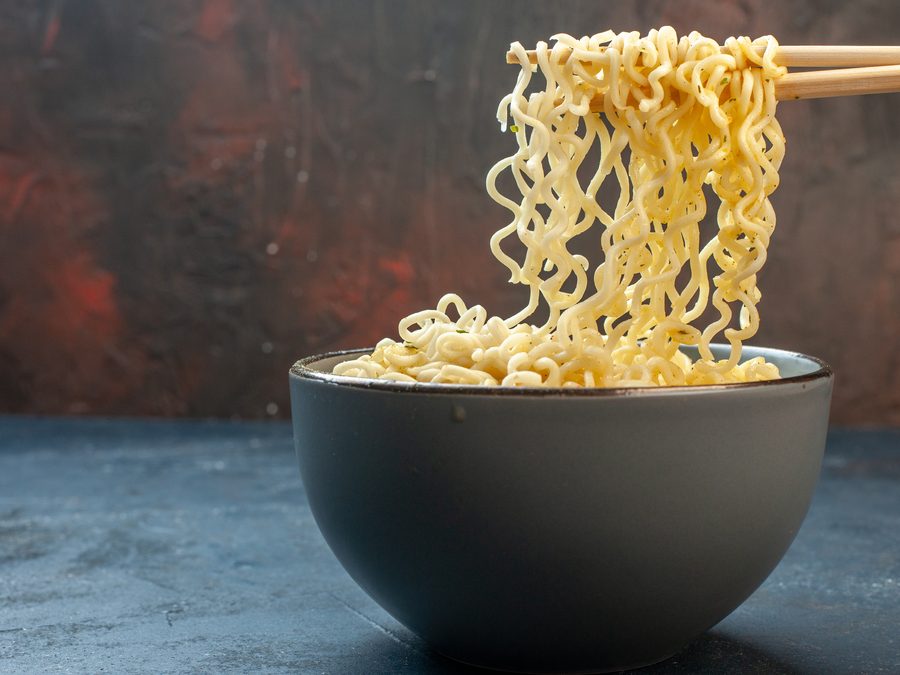
Rice noodles
Gluten-free, soft in minutes, and long strands that need cutting short.