 FirstNom
Grains
Quinoa for babies
Quinoa is one of the few plant foods with a complete amino acid profile, and it carries meaningful iron. Rinse it well or it tastes bitter.
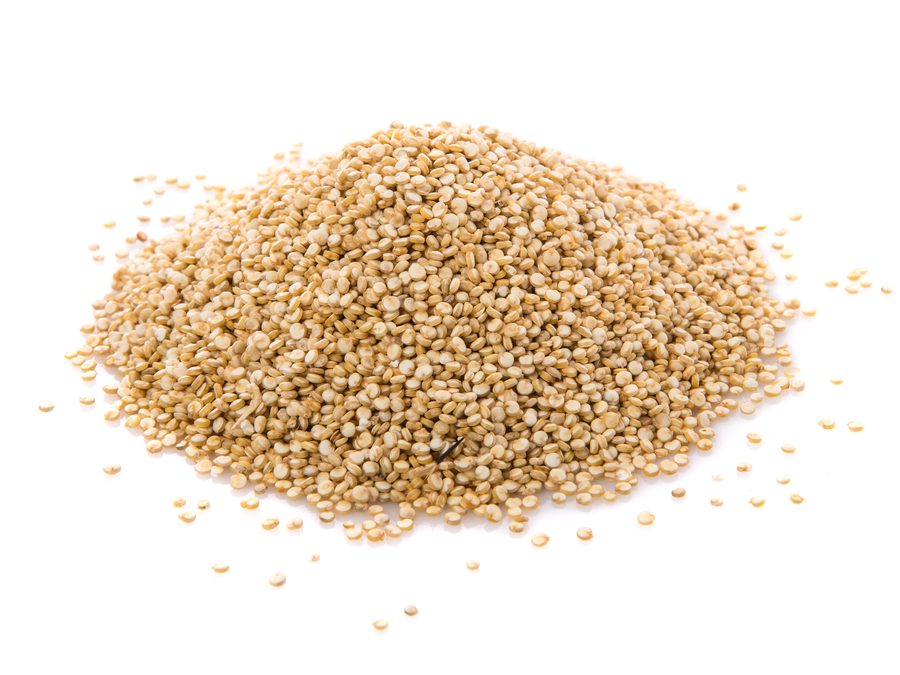
When can babies have quinoa?
From around 6 months, cooked soft. Quinoa is naturally gluten-free and is a useful cereal to rotate in alongside oats, especially in vegetarian families where the complete protein matters.
How do you serve quinoa to a baby?
The shape is what makes a food safe, and it changes as your baby’s grip and chewing change. Find your baby’s age band.
-
6–8 months
Cook with extra water until very soft and slightly mushy, then mix with mashed vegetable, dal or a thick sauce so it can be scooped. Or press into small patties with egg and grated vegetable and bake.
-
9–11 months
Loose cooked quinoa for pincer practice, or quinoa patties.
-
12–18 months
Quinoa as a side, in a mild salad, or stirred through a vegetable bake.
-
18–24 months
Family portions. Quinoa salad with soft vegetables works well.
Prep tip
Rinse quinoa thoroughly in a fine sieve before cooking. The natural saponin coating is bitter and soapy, and it is the reason people say they do not like quinoa.
Storage
Cooked quinoa keeps three to four days refrigerated and freezes well in portions.
Is quinoa a choking hazard for babies?
Cooked quinoa is soft and tiny, and poses very little risk. The grains are too small to pick up before the pincer grasp, so bind them into a patty or mix them into something scoopable early on.
Whatever you serve, stay within arm’s reach, keep your baby upright in a supportive seat, and never let them eat in a moving car, buggy or carrier. Gagging is loud and normal. Choking is silent.
Is quinoa a common allergen?
Quinoa is not one of the nine most common food allergens. Any food can trigger a reaction, though, so offer it on its own the first time and watch for hives, vomiting, swelling or a change in breathing over the next two hours.
Is quinoa healthy for babies?
Quinoa is a complete protein — unusual among plant foods — and carries iron, magnesium and fibre. Serve it with a vitamin C food to improve iron absorption. It also makes a good rice alternative for families varying away from rice because of arsenic.
| Protein (complete) | High |
|---|---|
| Iron (non-heme) | High |
| Magnesium | Very high |
| Fibre | High |
| Folate | Good source |
| Iron per serving | ~1.5 mg |
Common questions about quinoa
Is quinoa a good first grain?
It is a good grain to have in the rotation. Oat cereal is usually the practical first choice because it is fortified with iron, but quinoa brings complete protein and unfortified iron, which matters more in a plant-based diet.
Why does my quinoa taste soapy?
It was not rinsed. Quinoa is coated in saponins, which are bitter. A thorough rinse under cold running water fixes it entirely.
Reference material
Guidance on this page follows the sources listed below.
Foods parents look at next
Grains
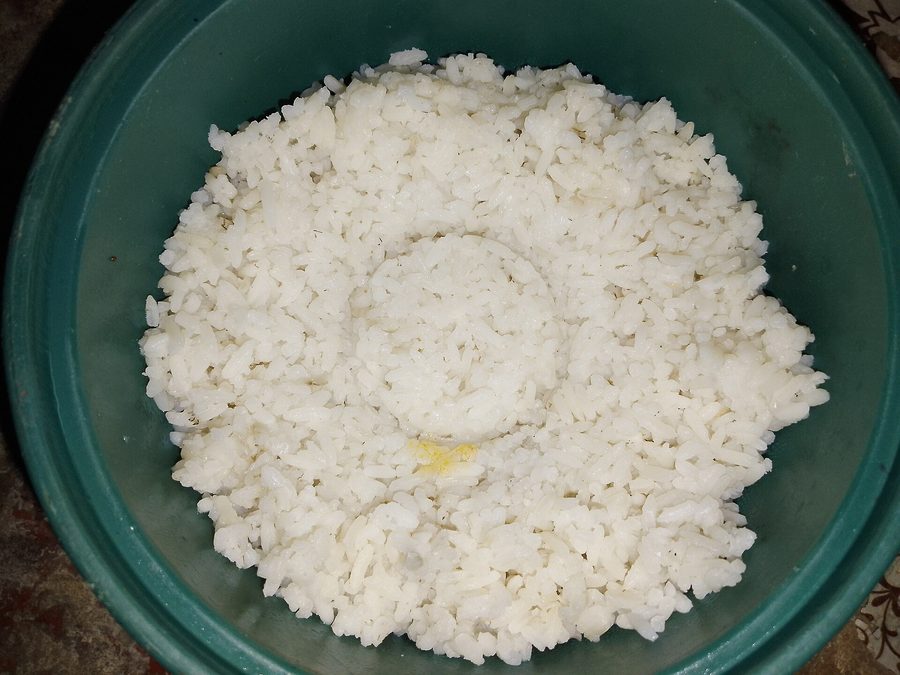
Rice
Perfectly fine for babies — as one grain among several, not the only one.
Grains
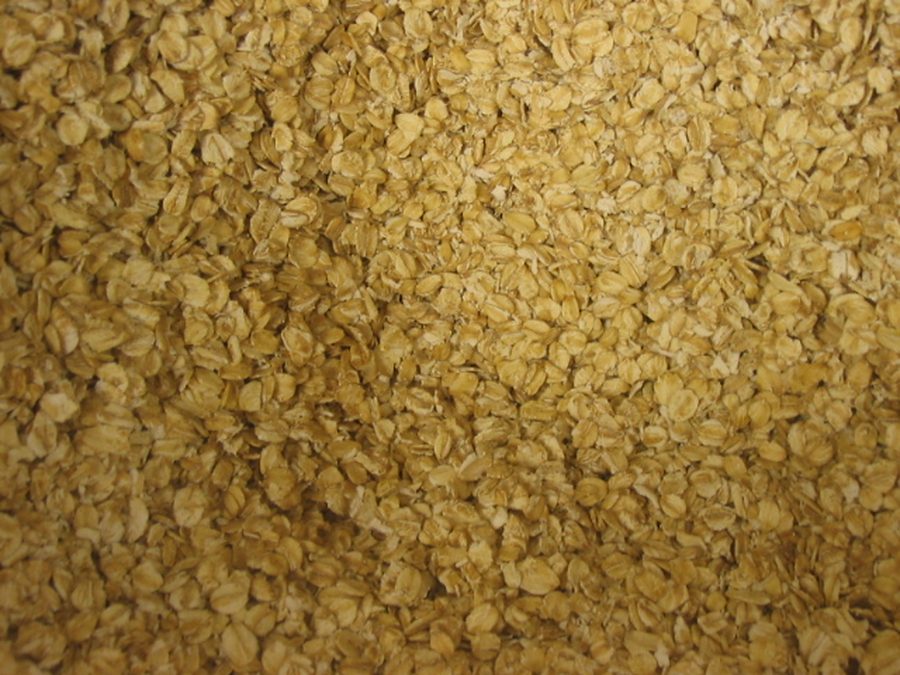
Oatmeal
An iron-fortified porridge is one of the simplest ways to hit a 6-month-old's iron target.

Grains
Millet
Gluten-free, iron-bearing and a complementary-feeding staple across much of the world.
Grains
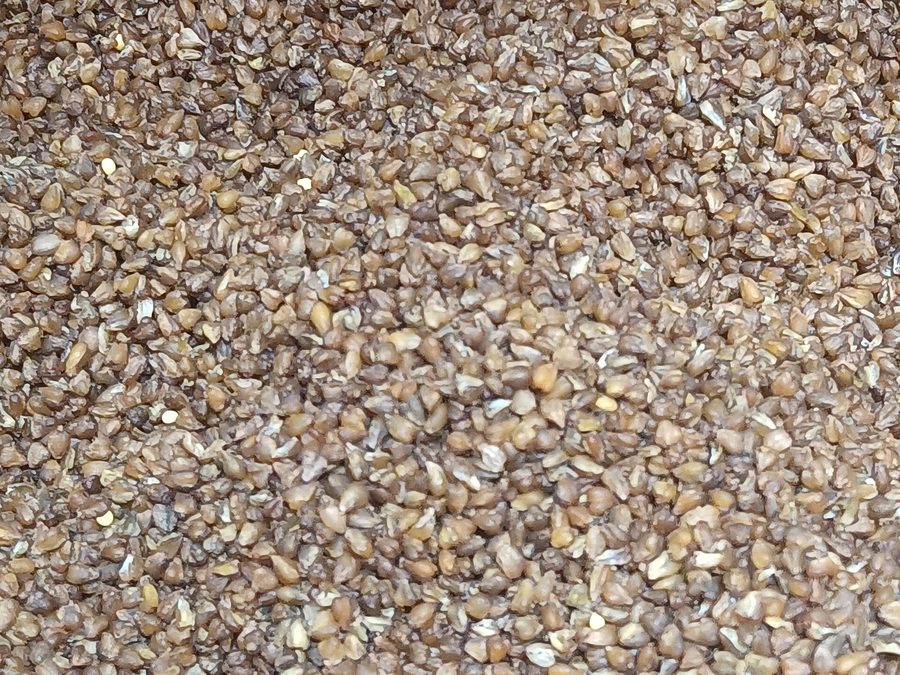
Buckwheat
Not wheat at all — gluten-free, high in iron, and a complete protein.