 FirstNom
Grains
Buckwheat for babies
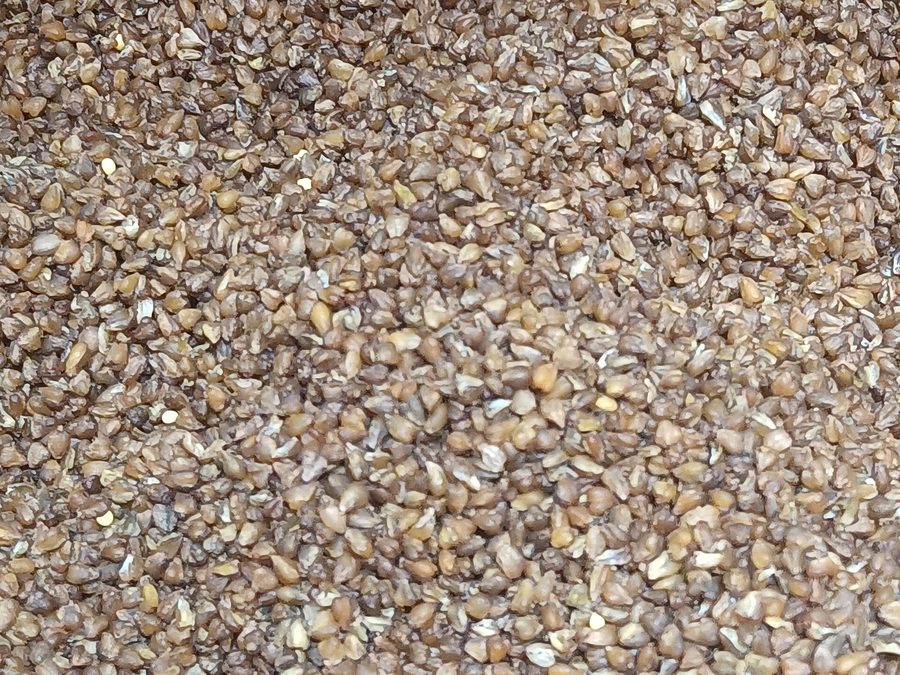
Buckwheat is not related to wheat and contains no gluten. It is one of the few plant foods with a complete amino acid profile, and it carries real iron.
When can babies have buckwheat?
From around 6 months, cooked soft. Buckwheat is a good grain for gluten-free households and a useful iron source in plant-based diets.
How do you serve buckwheat to a baby?
The shape is what makes a food safe, and it changes as your baby’s grip and chewing change. Find your baby’s age band.
-
6–8 months
Cook groats with extra water until very soft, then mix with mashed vegetable or dal. Or make buckwheat pancakes with egg and serve as strips.
-
9–11 months
Loose cooked buckwheat for pincer practice, or in patties.
-
12–18 months
Buckwheat as a side, in a pilaf, or as soba noodles cut short.
-
18–24 months
Family portions.
Prep tip
Buy raw groats rather than roasted kasha for a baby — kasha has a strong, distinctly earthy flavour that most babies reject.
Storage
Cooked buckwheat keeps three days refrigerated. Raw groats keep months sealed.
Is buckwheat a choking hazard for babies?
Cooked buckwheat is soft and low risk. Bind the small grains into something scoopable for younger babies. Buckwheat noodles (soba) are long and should be cut short.
Whatever you serve, stay within arm’s reach, keep your baby upright in a supportive seat, and never let them eat in a moving car, buggy or carrier. Gagging is loud and normal. Choking is silent.
Is buckwheat a common allergen?
Buckwheat is not one of the nine common allergens in the US or EU, but it is a recognised and sometimes significant allergen in Japan, Korea and parts of Europe where it is eaten frequently. Introduce it on its own and watch for two hours, as with any new food.
Is buckwheat healthy for babies?
Buckwheat combines complete protein, high iron and very high magnesium — an unusual combination in a grain. It is naturally gluten-free despite the name. Serve with a vitamin C food to improve iron absorption.
| Iron (non-heme) | High |
|---|---|
| Magnesium | Very high |
| Protein (complete) | High |
| Fibre | High |
| Manganese | High |
| Iron per serving | ~1 mg |
Common questions about buckwheat
Does buckwheat contain wheat or gluten?
No to both. Despite the name it is not a grass at all — it is related to rhubarb. It is naturally gluten-free.
Is buckwheat safe if we avoid wheat?
Yes, for wheat allergy and for coeliac disease, provided the packet is certified gluten-free to rule out cross-contamination in milling.
Reference material
Guidance on this page follows the sources listed below.
Foods parents look at next
Grains
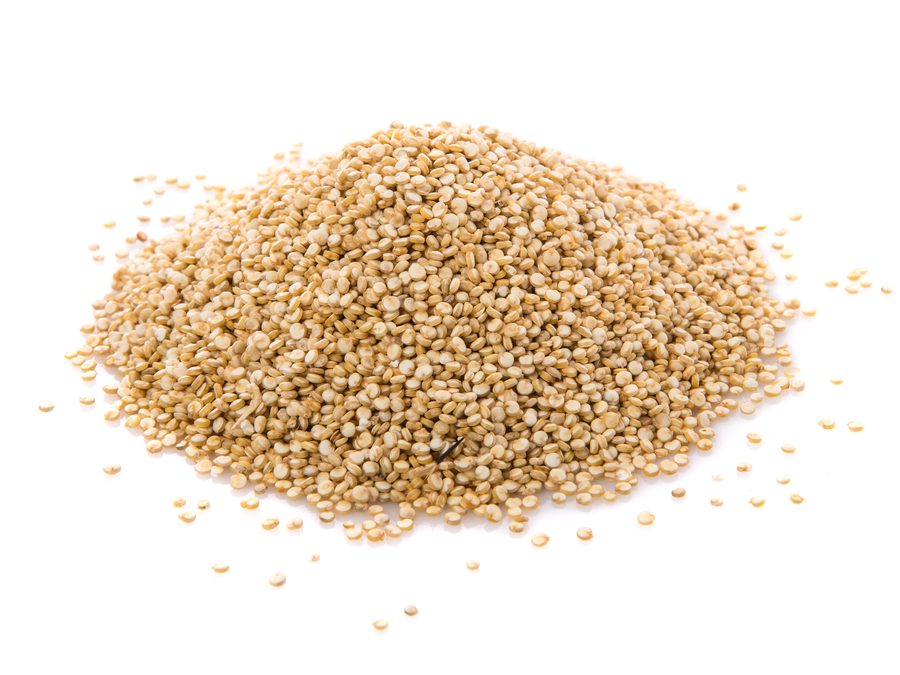
Quinoa
A complete plant protein with real iron — and a rinse step you should not skip.

Grains
Millet
Gluten-free, iron-bearing and a complementary-feeding staple across much of the world.
Grains
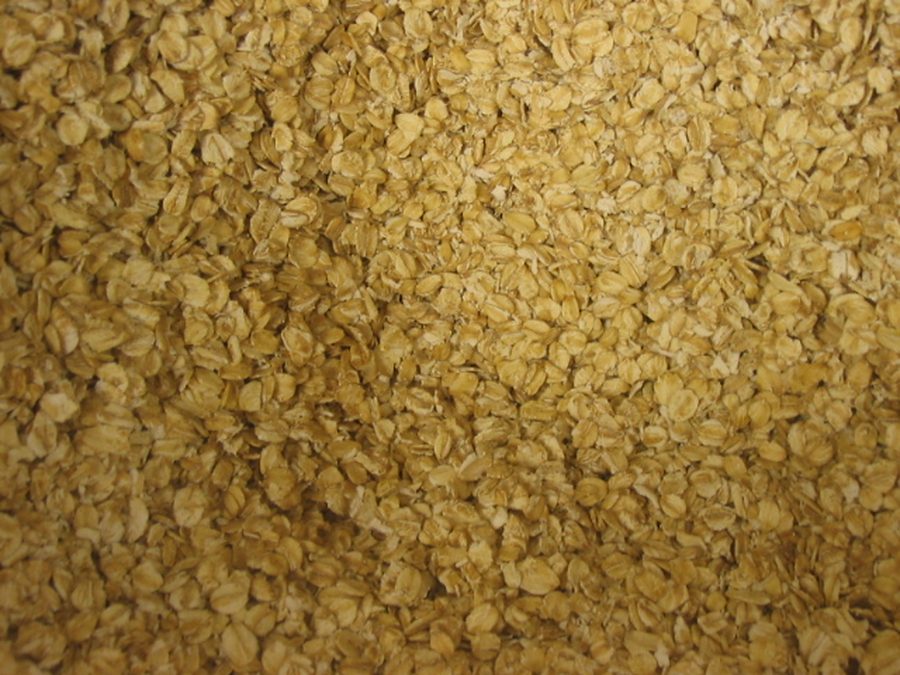
Oatmeal
An iron-fortified porridge is one of the simplest ways to hit a 6-month-old's iron target.
Grains
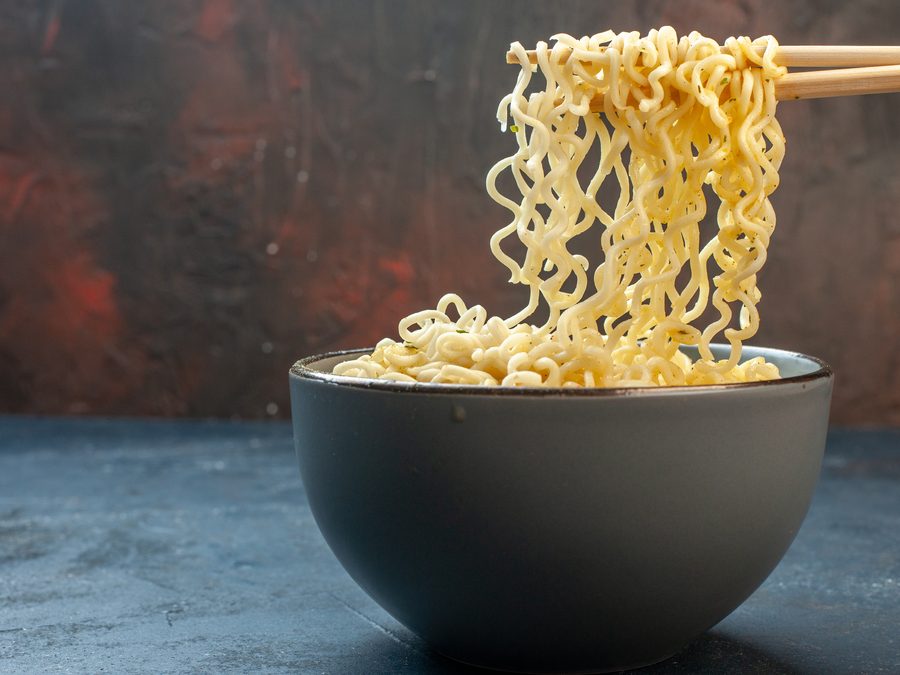
Rice noodles
Gluten-free, soft in minutes, and long strands that need cutting short.