 FirstNom
Grains
Crackers for babies
Crackers are the default toddler snack and mostly a salt-delivery device. Baby-specific ones are lower in salt but many are also dry enough to shatter.
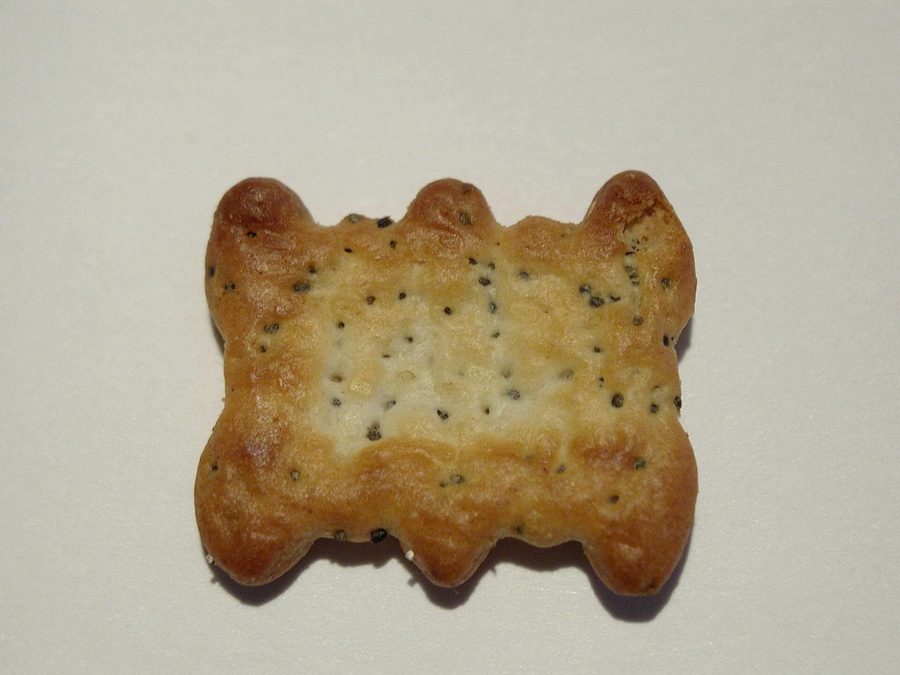
When can babies have crackers?
From around 9 months, choosing low-salt varieties. Crackers are a convenience food rather than a nutritional need, and a strip of toast usually does the same job better.
How do you serve crackers to a baby?
The shape is what makes a food safe, and it changes as your baby’s grip and chewing change. Find your baby’s age band.
-
9–11 months
Low-salt crackers spread with something moist — hummus, cream cheese, mashed avocado — which softens them and adds nutrition.
-
12–18 months
As a snack with a topping. Keep an eye on total daily salt.
-
18–24 months
As the family eats them, within reason on salt.
Prep tip
Spreading a cracker with something moist does two useful things: it softens the texture and it turns a nutritionally empty snack into a real one.
Storage
Keep sealed. Stale crackers go soft, which is safer but unappealing.
Is crackers a choking hazard for babies?
Hard, dry crackers can break into sharp fragments that are difficult to manage without molars. Choose ones that dissolve or soften quickly with saliva, or spread them with something moist. Avoid thick, crunchy crackers and anything with whole seeds until well past 12 months.
Whatever you serve, stay within arm’s reach, keep your baby upright in a supportive seat, and never let them eat in a moving car, buggy or carrier. Gagging is loud and normal. Choking is silent.
Is crackers a common allergen?
Most crackers are wheat-based. Many also contain milk, sesame seeds or soy — read the ingredients, particularly if sesame has not been introduced yet.
Is crackers healthy for babies?
Honestly, mostly convenience. The nutritional case for crackers is weak — they are refined carbohydrate with added salt. Where they earn a place is as a vehicle for hummus, cream cheese or mashed avocado, and as something portable that does not need refrigeration.
| Carbohydrate | High |
|---|---|
| Sodium | Often high — check the label |
| Fibre (wholegrain) | Some |
| Iron per serving | ~0.4 mg |
Common questions about crackers
How much salt is in a typical cracker?
Often 1–1.5 g per 100 g, and some are higher. Against a daily limit of under 1 g of salt for a baby, a handful can be most of the day's allowance. Look for versions under 0.3 g per 100 g.
Are baby crackers better?
Usually lower in salt, which is the main point. Check the sugar too — some baby snacks compensate with it.
Reference material
Guidance on this page follows the sources listed below.
Foods parents look at next
Grains
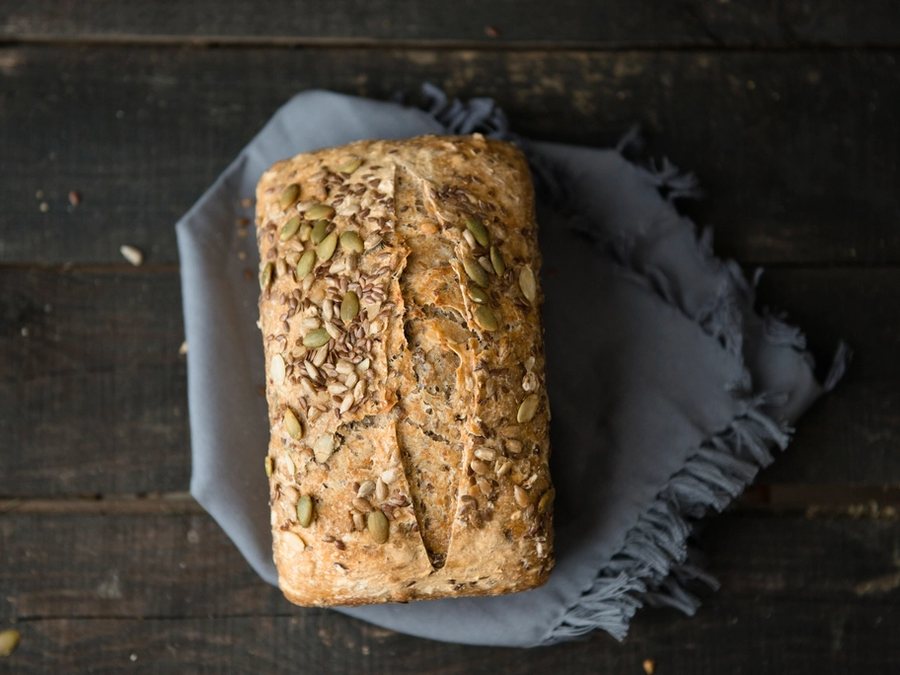
Bread
The easiest way to introduce wheat — toast it, because soft bread balls up in the mouth.
Grains
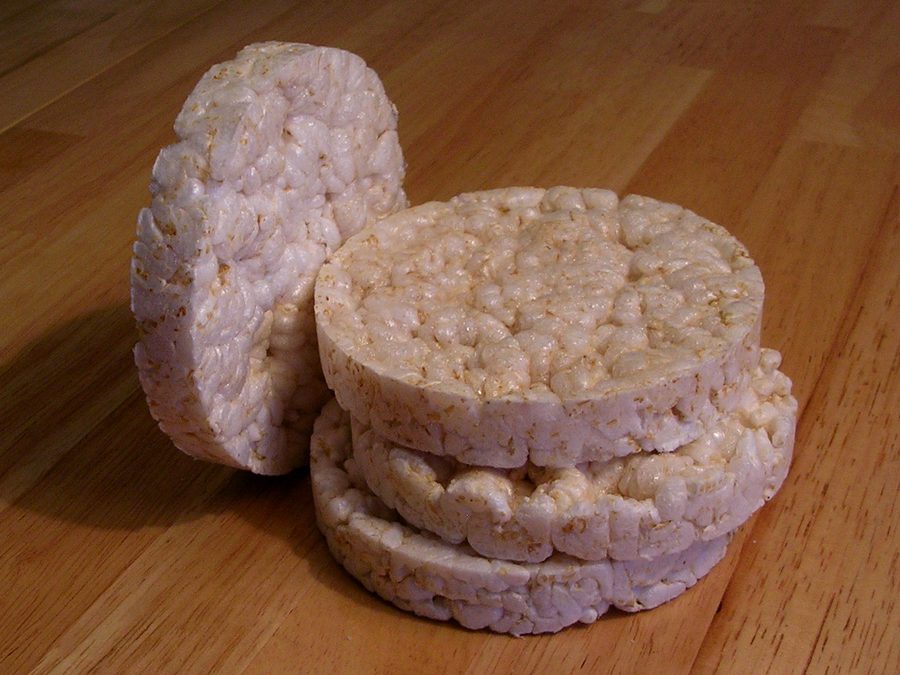
Rice cake
Dissolves quickly, which is the point — but rice cakes and arsenic need a mention.
Grains
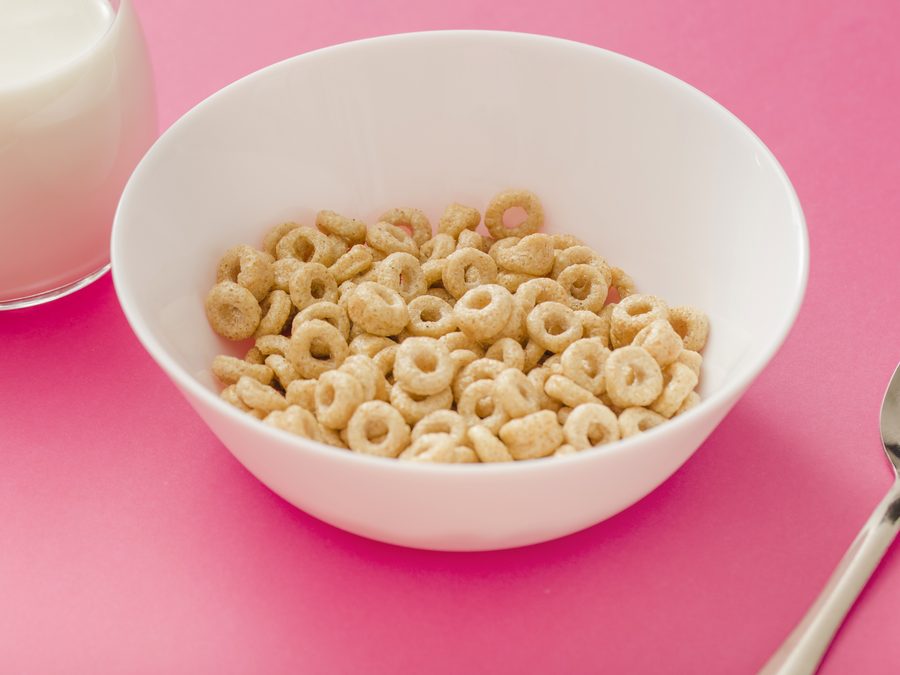
Oat ring cereal
The classic pincer-grasp trainer — and it dissolves, which is why it works.
Beans & legumes
Hummus
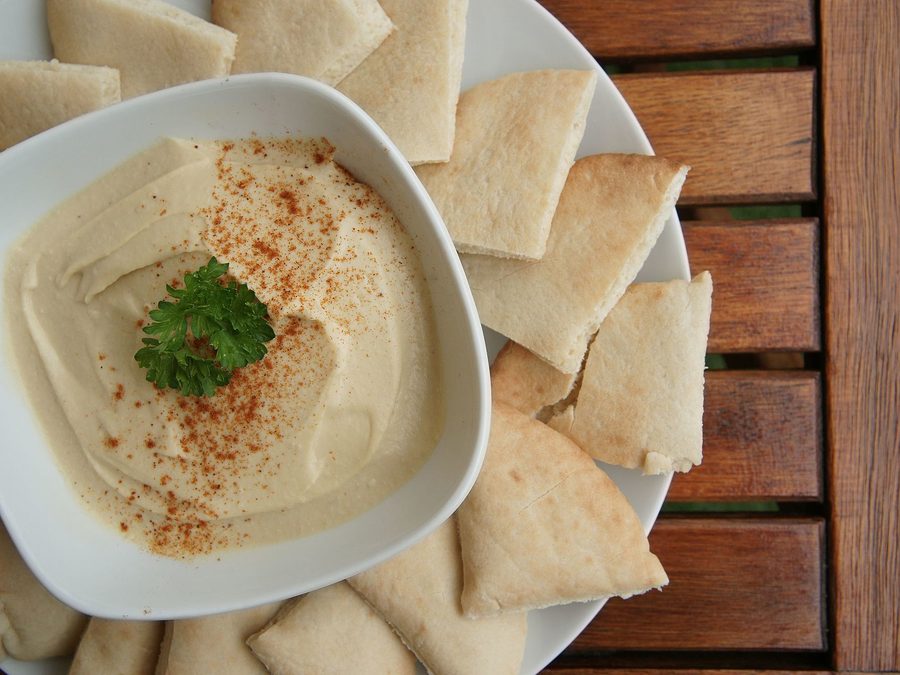
Iron, protein and a sesame introduction in one scoopable dip.