 FirstNom
Grains
Barley for babies
Barley brings a lot of soluble fibre and a chewy texture that needs extra cooking for a baby. Barley infant cereal is also a good alternative to rice cereal.
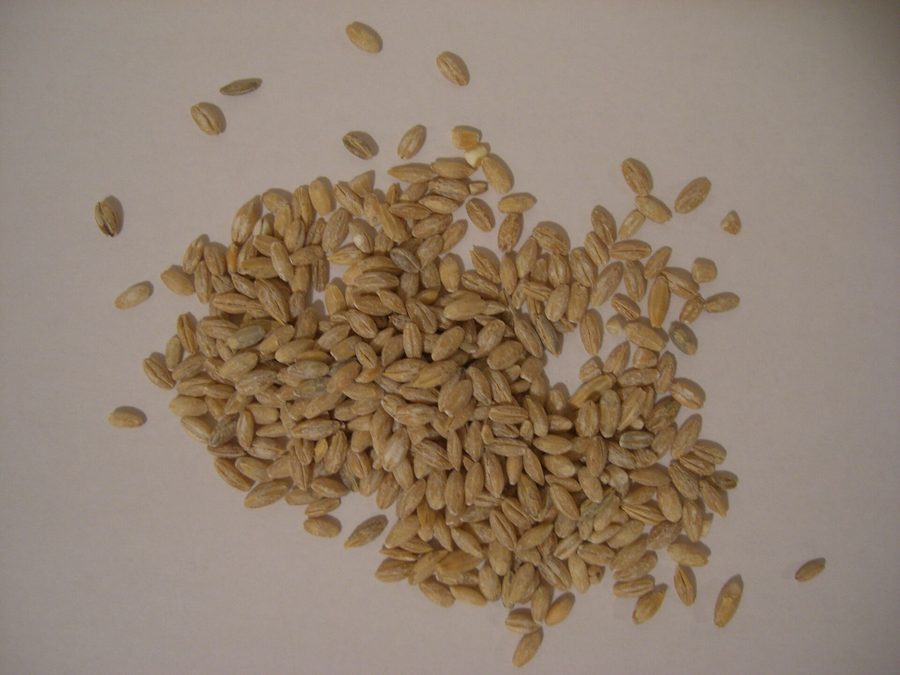
When can babies have barley?
From around 6 months, well cooked. Barley contains gluten, so it is a wheat-family introduction for coeliac purposes though not a wheat allergen. Barley infant cereal is a standard alternative to rice cereal.
How do you serve barley to a baby?
The shape is what makes a food safe, and it changes as your baby’s grip and chewing change. Find your baby’s age band.
-
6–8 months
Barley infant cereal mixed thick, or pearl barley cooked until it bursts and mixed into a soup or purée.
-
9–11 months
Cooked pearl barley in soups and stews, or loose for pincer practice.
-
12–18 months
Barley in soups, stews and salads.
-
18–24 months
Family portions.
Prep tip
Pearl barley cooks faster than pot barley and is the practical choice. Either way, cook it until the grains split — al dente barley is very chewy.
Storage
Cooked barley keeps four days refrigerated and freezes well in soups.
Is barley a choking hazard for babies?
Undercooked barley is firm and chewy — a poor texture for a baby. Cook it 15 minutes past the packet time until the grains burst. Small grains need binding before the pincer grasp arrives.
Whatever you serve, stay within arm’s reach, keep your baby upright in a supportive seat, and never let them eat in a moving car, buggy or carrier. Gagging is loud and normal. Choking is silent.
Is barley a common allergen?
Barley contains gluten and is not suitable in coeliac disease. It is not one of the nine common allergens in its own right, though it belongs to the same grain family as wheat and some wheat-allergic children react to it.
Is barley healthy for babies?
Barley is one of the highest sources of beta-glucan, a soluble fibre that supports gut bacteria. It also carries selenium and manganese. As an infant cereal it is fortified with iron and is one of the recommended ways to vary away from rice.
| Fibre (beta-glucan) | Very high |
|---|---|
| Selenium | High |
| Manganese | High |
| B vitamins | Good source |
| Iron (non-heme) | Some |
| Iron per serving | ~0.6 mg |
Common questions about barley
Is barley gluten-free?
No. Barley contains gluten and is not suitable for anyone with coeliac disease.
Is barley cereal better than rice cereal?
Equally fortified and not subject to the arsenic concern that applies to rice. Rotating oat, barley and multigrain cereals is what the guidance recommends.
Reference material
Guidance on this page follows the sources listed below.
Foods parents look at next
Grains
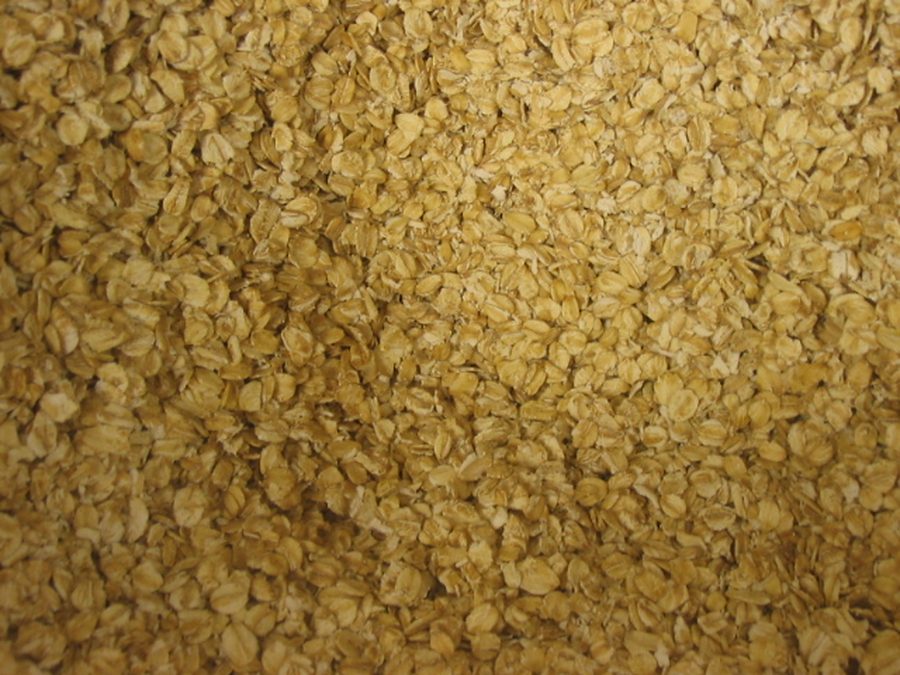
Oatmeal
An iron-fortified porridge is one of the simplest ways to hit a 6-month-old's iron target.

Grains
Farro
Chewy, nutty and high in fibre — cook it well past the packet time.

Grains
Iron-fortified cereal
The most reliable single source of iron in a 6-month-old's diet.
Grains
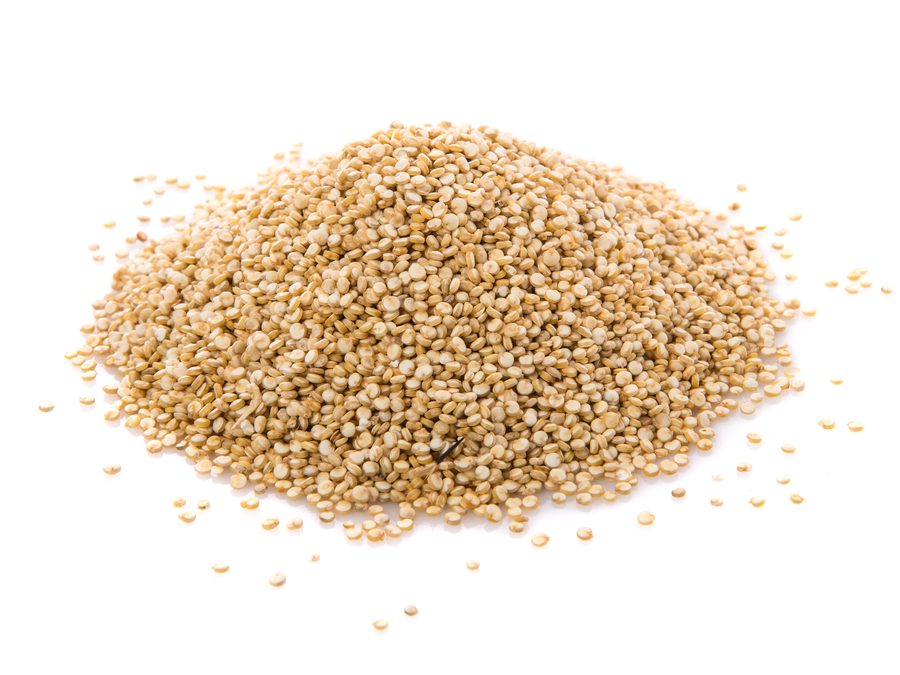
Quinoa
A complete plant protein with real iron — and a rinse step you should not skip.