 FirstNom
Vegetable
Collard greens for babies
Collards are low in oxalate and high in calcium, which is an unusual and useful combination — particularly if dairy is off the table.
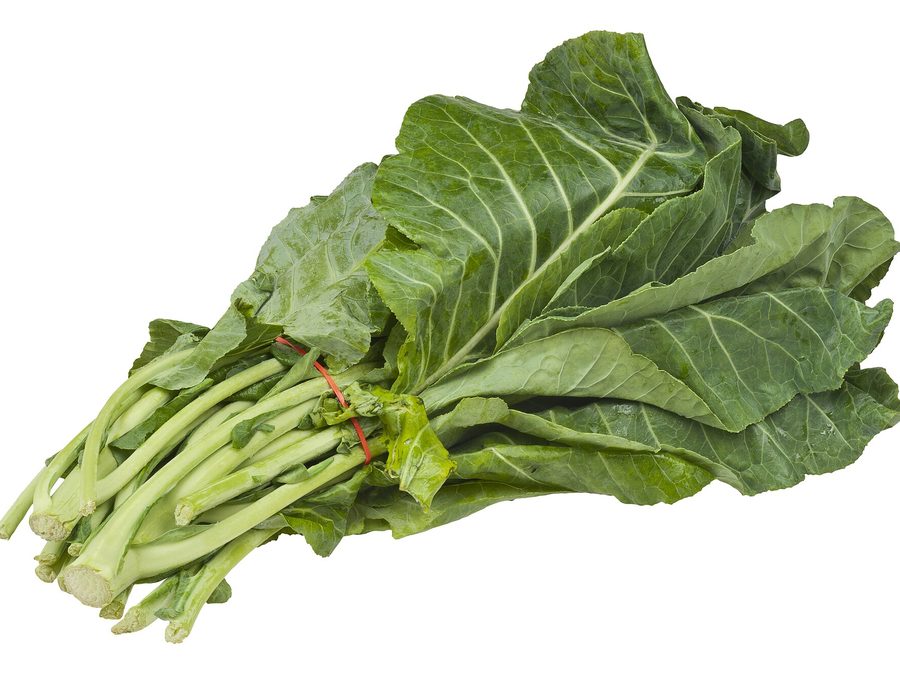
When can babies have collard greens?
From around 6 months, stems removed, cooked long and chopped fine.
How do you serve collard greens to a baby?
The shape is what makes a food safe, and it changes as your baby’s grip and chewing change. Find your baby’s age band.
-
6–8 months
Strip the leaves from the stems, braise for 30–40 minutes until very soft, chop finely and mix into a purée, rice or dal.
-
9–11 months
Finely chopped braised collards in mixed dishes.
-
12–18 months
Chopped braised collards as a side, or in a stew.
-
18–24 months
Family portions, cooked long. Keep the salt down.
Prep tip
Collards need real time — 30 minutes minimum. Quick-cooked collards stay tough in a way kale does not.
Storage
Keeps five days refrigerated. Cooked chopped collards freeze well in portions.
Is collard greens a choking hazard for babies?
Collard leaves are thick and tough and need long cooking. Remove the stems entirely, cook until very soft, and chop finely for the first year — undercooked collards are fibrous enough to bunch in the mouth.
Whatever you serve, stay within arm’s reach, keep your baby upright in a supportive seat, and never let them eat in a moving car, buggy or carrier. Gagging is loud and normal. Choking is silent.
Is collard greens a common allergen?
Collard greens is not one of the nine most common food allergens. Any food can trigger a reaction, though, so offer it on its own the first time and watch for hives, vomiting, swelling or a change in breathing over the next two hours.
Is collard greens healthy for babies?
Collards are low in oxalate, so the calcium they carry is well absorbed — one of the strongest plant calcium sources available. They also bring very high vitamin K and A, folate and iron. Traditional long braising makes them soft enough for a baby, though skip the salt pork.
| Vitamin K | Extremely high |
|---|---|
| Calcium | High |
| Vitamin A | Very high |
| Folate | High |
| Iron (non-heme) | Good source |
| Iron per serving | ~0.8 mg |
Common questions about collard greens
Are collards better than kale?
For calcium, marginally — both are low-oxalate and well absorbed. Collards need much longer cooking; kale is faster.
Can I use frozen collards?
Yes, and they are already chopped and partly softened, which saves a lot of time.
Reference material
Guidance on this page follows the sources listed below.
Foods parents look at next
Vegetable
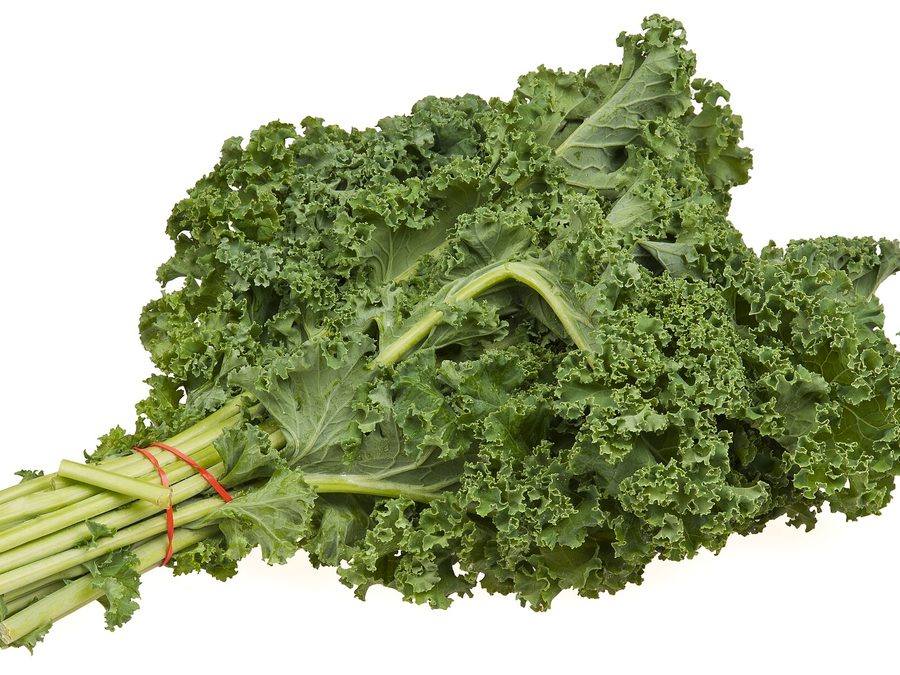
Kale
A dark green with real iron and calcium — and much lower in oxalates than spinach.
Vegetable
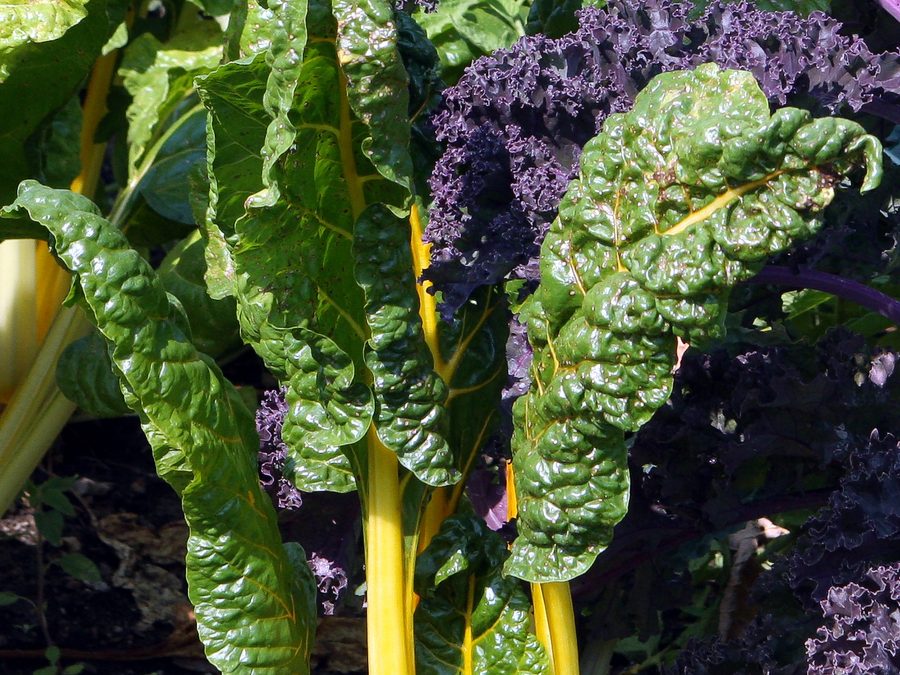
Swiss chard
Colourful, mineral-rich, and high enough in oxalate to keep it in rotation rather than daily.
Vegetable
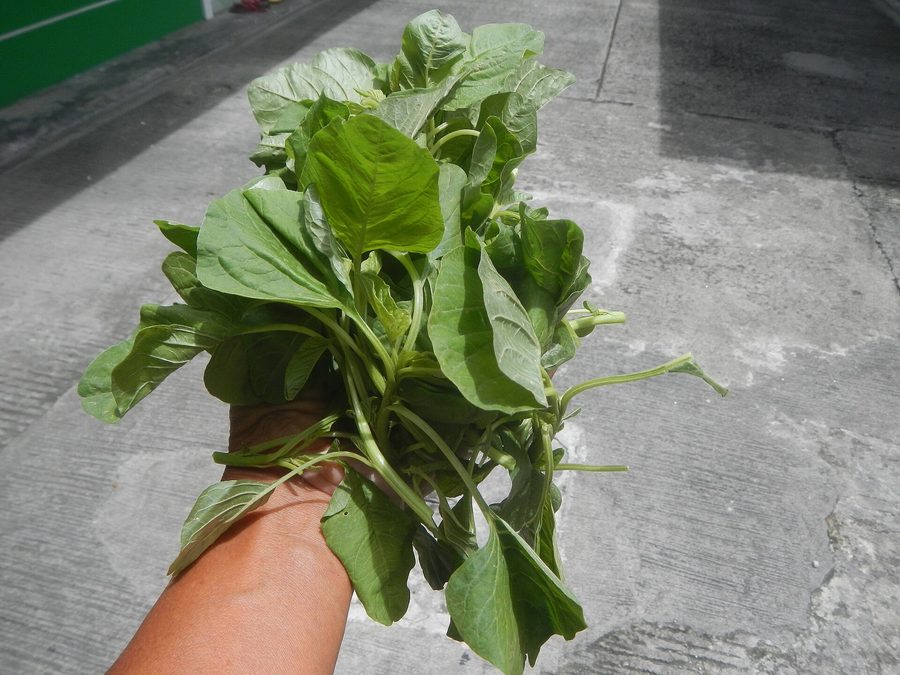
Spinach
Iron and folate in a leaf — but the iron is harder to absorb than the packaging suggests.
Vegetable
Bok choy
A leafy green with well-absorbed calcium and a stem that cooks in three minutes.