 FirstNom
Other
Olives for babies
Olives are fine for babies from around 6 months, as long as the pit is out and the olive is cut lengthways into quarters or chopped small. Brine makes them salty, so rinse them and keep them an occasional flavour rather than a snack.

When can babies have olives?
From around 6 months, once your baby is showing the signs of readiness for solids. No health body sets an age for olives themselves, so the answer comes from two pieces of guidance. The AAP advises chopping round, firm foods completely for children under 4, which covers the whole olive. The NHS advises against salty foods for babies, which covers the brine. So olives can come in from the start of solids, pitted, rinsed and cut small, as a little flavour stirred through a meal.
How do you serve olives to a baby?
The shape is what makes a food safe, and it changes as your baby’s grip and chewing change. Find your baby’s age band.
-
6–8 months
Pitted, rinsed black olives, quartered lengthways or finely chopped and stirred into pasta, lentils or mashed vegetables. The equivalent of one or two olives is plenty. Do not hand over halves, whole olives or round slices.
-
9–11 months
Quartered lengthways or chopped into small pieces, about the size of a pea, for pincer-grasp practice on the tray. Offer a few pieces at a time rather than a pile, and still only one or two olives' worth.
-
12–18 months
Still pitted and quartered lengthways, never whole and never halved across. Two or three olives chopped into a pasta sauce, a salad or a homemade dip is a sensible amount, a few times a week at most.
-
24 months+
Keep quartering until around 4 years. After that, halved lengthways and then whole pitted olives can follow, eaten seated and supervised, still as a small side rather than a bowlful.
Prep tip
Choose pitted black olives in water or brine rather than salt-cured or green olives, which are much saltier. Drain, rinse under the tap, then soak in fresh water for a few minutes before chopping. Squeeze each one: a jar labelled pitted can still hold the odd pit.
Storage
Keep opened olives covered in their liquid in the fridge and use them within the time on the label. Chopped olives for your baby are best used the same day.
Is olives a choking hazard for babies?
A whole olive is round, firm, smooth and slippery, the same shape as a whole grape or cherry tomato, which the AAP and CDC list as choking hazards. The CDC also lists fruit with pits, and the hard pit is a second hazard, so check every olive even from a jar labelled pitted. Remove the pit and cut olives lengthways into quarters or chop them finely. Never serve whole olives or rings that stay round to a child under 4.
Whatever you serve, stay within arm’s reach, keep your baby upright in a supportive seat, and never let them eat in a moving car, buggy or carrier. Gagging is loud and normal. Choking is silent.
Is olives a common allergen?
Olives are not one of the nine common allergens, and allergy to the olive fruit is uncommon. The allergen risk is in what olives come with: stuffed olives can contain anchovy (fish), almonds (tree nut) or cheese (milk), and olive mixes and tapenade often add anchovy. Read the label, and if your child has a known allergy, ask your pediatrician which products are suitable.
Is olives healthy for babies?
Olives bring mostly monounsaturated fat, the same kind that makes olive oil a useful cooking fat for babies, plus some vitamin E. According to USDA FoodData Central, tinned ripe black olives carry around 3 mg of iron per 100 g, so a realistic baby portion of about 15 g, three large olives, gives around 0.5 mg. Green olives carry far less iron and roughly twice the sodium. Olives are a flavour, not a staple: their value is making food taste of something without added salt.
| Sodium | High |
|---|---|
| Monounsaturated fat | Good source |
| Vitamin E | Some |
| Iron | Some (black olives) |
| Iron per serving | ~0.5 mg |
Olives or olive oil?
If what you want is the flavour and the fat, olive oil gives your baby both from 6 months with no salt and nothing to cut. Olives are worth offering for the taste and texture, and they cut the same way as grapes: lengthways, never across. For the full set of shapes by age, see how to cut food for a baby. Olives sit with cheddar among the saltier foods a baby eats, and salt, sugar and honey shows where else salt adds up in a day.
How sure is this?
- Guideline. Chop round, firm foods completely for children under 4, per the AAP, and the CDC lists round foods and fruit with pits as choking hazards.
- Guideline. Avoid salty foods and do not add salt to a baby’s food, per the NHS.
- Common practice, little evidence. No health body sets an age for olives themselves. Offering a small amount of pitted, rinsed, quartered olive from 6 months is a reasonable reading of the choking and salt guidance, not a studied threshold.
- Common practice, little evidence. Rinsing and soaking olives removes some surface brine. How much salt it takes out of a given olive is not well measured.
Common questions about olives
My baby ate a whole olive. What should I do?
If your baby is breathing, coughing or crying normally, the olive has gone down and there is nothing to treat. Call your pediatrician if they keep coughing, wheezing or drooling over the following hours. If they go silent, cannot cough or cannot breathe, call your emergency number.
Black or green olives for a baby?
Black. According to USDA FoodData Central, tinned ripe black olives have roughly half the sodium of green olives in brine, and they are softer. Kalamata and dry-cured olives are both salty and are better kept for later.
Does rinsing olives really make them less salty?
It helps, by washing off the surface brine, but salt inside the olive stays. Rinsing is why a small amount is reasonable, not a reason to serve more.
Can my baby have tapenade or olive bread?
In tiny amounts after the first months of solids, but both are usually saltier than a rinsed olive, and tapenade often contains anchovy and capers. Homemade, from rinsed black olives and olive oil, is the easier version to control.
Guides for this food
Reference material
Guidance on this page follows the sources listed below.
Foods parents look at next
Other
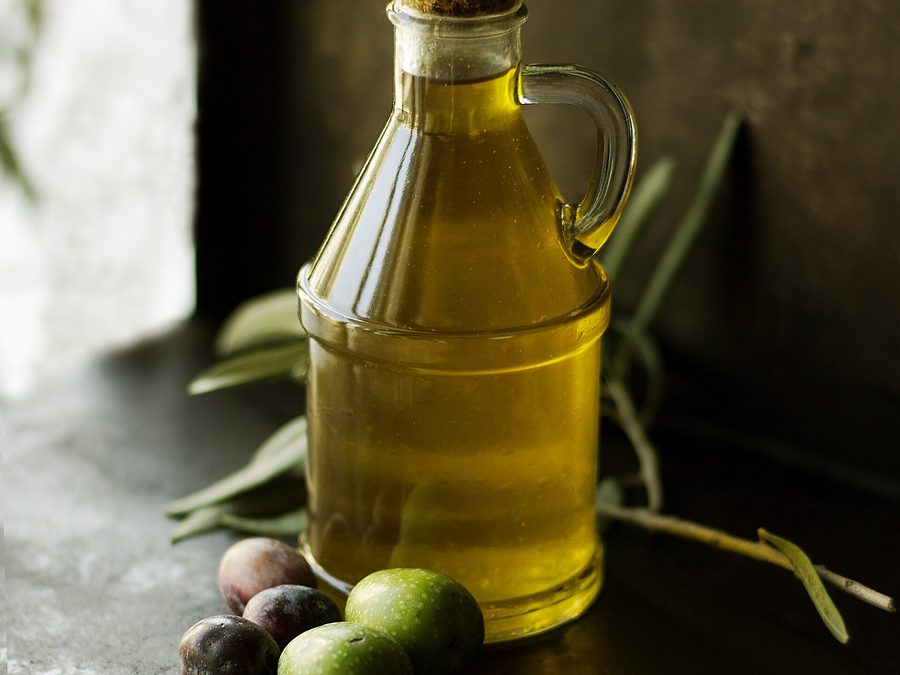
Olive oil
The simplest way to raise the calorie density of a baby's meal.
Fruit
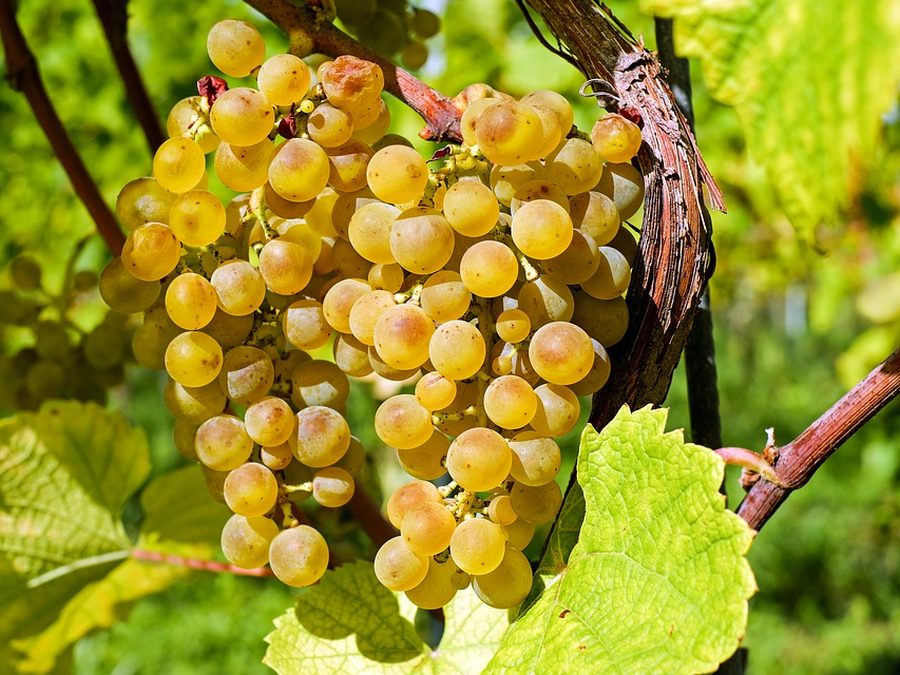
Grape
The single most-cited choking hazard in child feeding. Quarter them lengthways, every time.
Vegetable
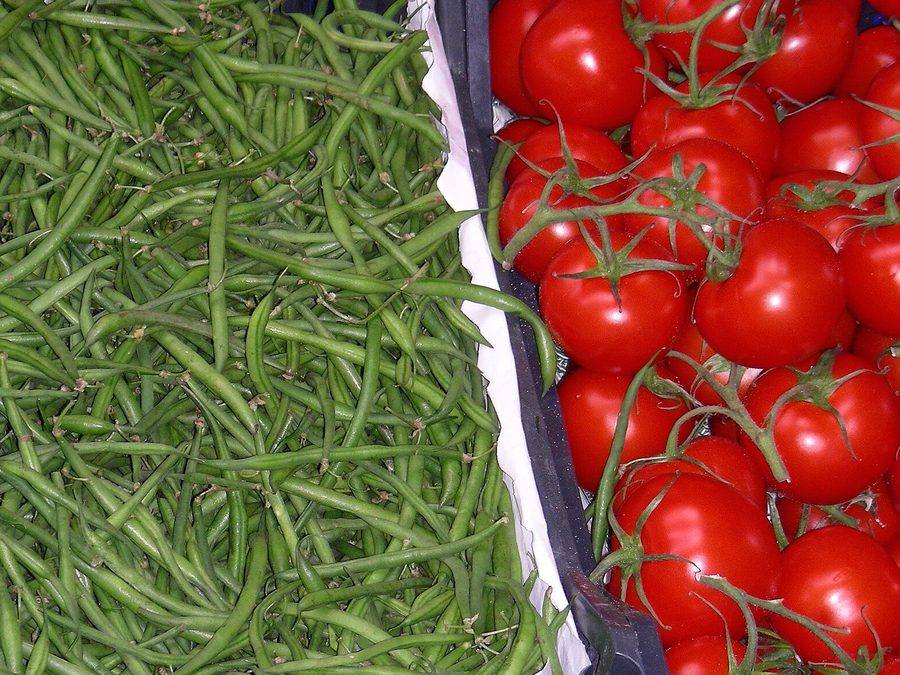
Tomato
Vitamin C for iron absorption — and cherry tomatoes are in the grape hazard class.
Dairy & eggs
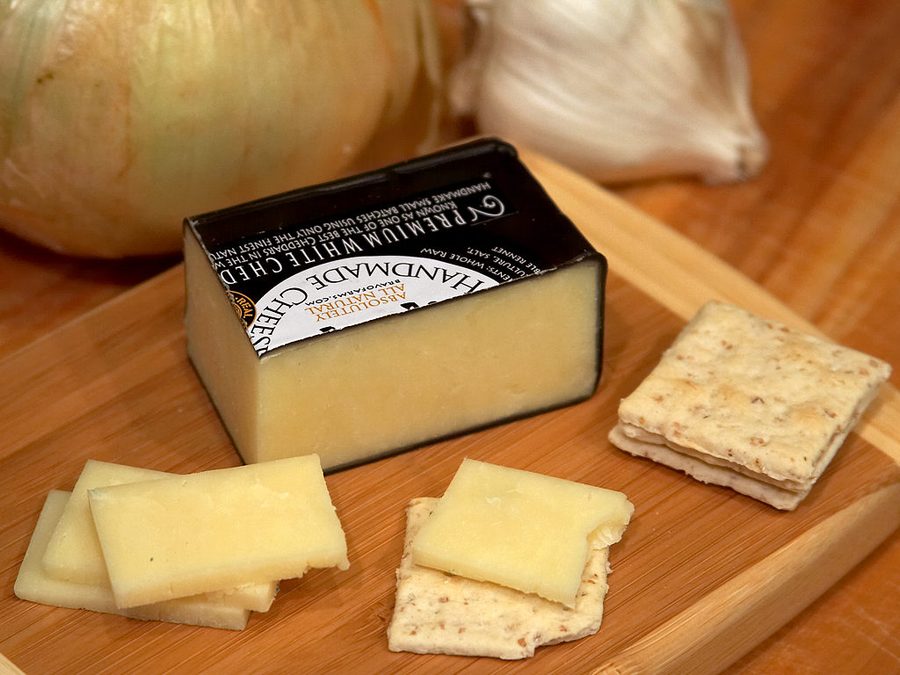
Cheddar
High in calcium, high in salt — grate it and keep the portion small.