 FirstNom
Vegetable
Aubergine for babies
Aubergine goes from spongy and bitter to silky and sweet depending entirely on how you cook it. Roast it properly and it is an excellent early vegetable.
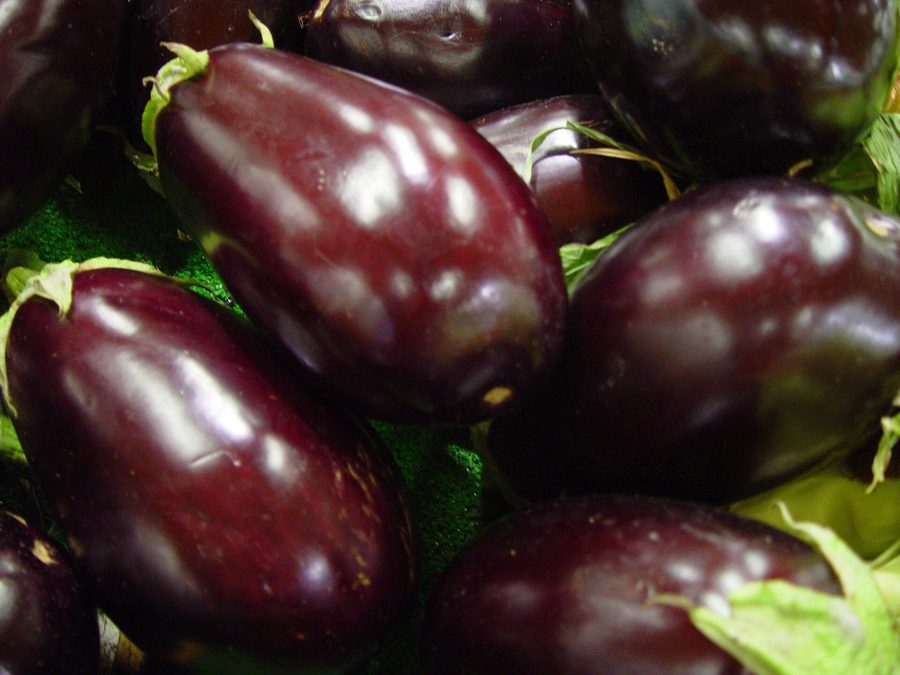
When can babies have aubergine?
From around 6 months, roasted until completely soft, peeled. Aubergine is a staple complementary food across the Mediterranean and Middle East.
How do you serve aubergine to a baby?
The shape is what makes a food safe, and it changes as your baby’s grip and chewing change. Find your baby’s age band.
-
6–8 months
Halve, score the flesh, and roast at 200 °C until completely collapsed — around 35 minutes. Scoop out the soft flesh and mash, or serve in soft strips with the skin removed.
-
9–11 months
Soft roasted pieces, skin off.
-
12–18 months
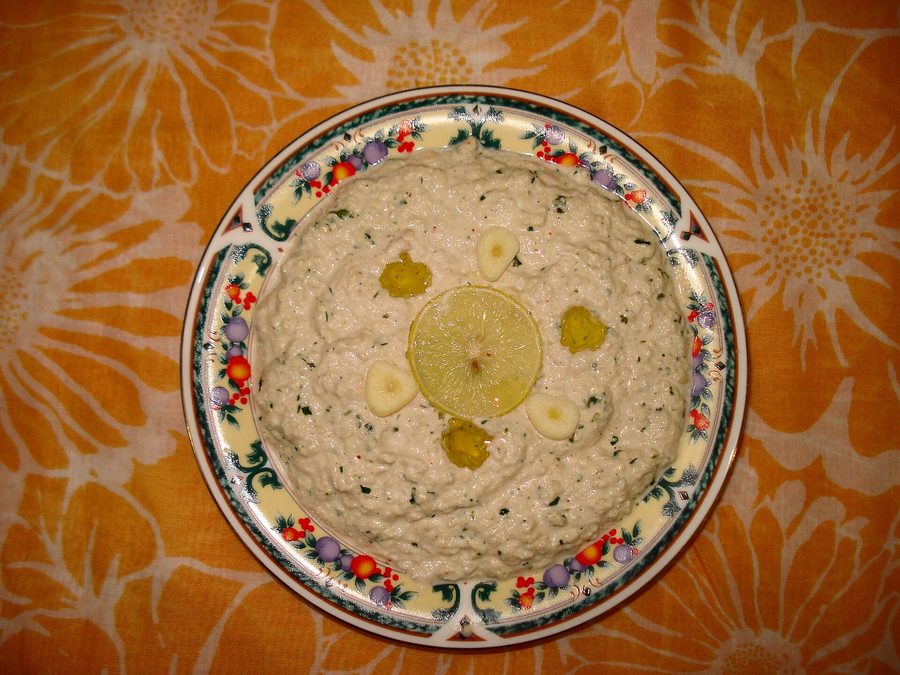
Roasted slices or cubes, skin on if soft. Baba ganoush without salt is a good dip.
-
18–24 months
Family portions. Aubergine soaks up a lot of oil when fried — roasting is the better route.
Prep tip
Aubergine needs longer than you think. Roast until it collapses; anything less leaves a spongy texture most babies refuse.
Storage
Keeps five days refrigerated. Roasted aubergine flesh keeps three days and freezes as a purée.
Is aubergine a choking hazard for babies?
Well-cooked aubergine is soft and low risk. Undercooked aubergine is spongy and rubbery — a texture babies struggle with. The skin is chewy and should be removed for babies under about 12 months.
Whatever you serve, stay within arm’s reach, keep your baby upright in a supportive seat, and never let them eat in a moving car, buggy or carrier. Gagging is loud and normal. Choking is silent.
Is aubergine a common allergen?
Aubergine is not one of the nine most common food allergens. Any food can trigger a reaction, though, so offer it on its own the first time and watch for hives, vomiting, swelling or a change in breathing over the next two hours.
Is aubergine healthy for babies?
Nutritionally moderate — fibre, manganese, potassium and skin polyphenols. Its value is as a vehicle: roasted aubergine blended with tahini makes a baby-friendly dip that carries iron and calcium from the tahini, and it absorbs whatever flavour you cook it with.
| Fibre | Good source |
|---|---|
| Manganese | Good source |
| Potassium | Good source |
| Polyphenols | High |
| Iron per serving | ~0.2 mg |
Common questions about aubergine
Do I need to salt aubergine to remove bitterness?
Modern varieties are rarely bitter, and you would not want to salt food for a baby anyway. Skip it and roast thoroughly instead.
Is aubergine skin safe for babies?
Edible but chewy. Remove it under about 12 months; after that, if it is well roasted and soft, leave it on for the polyphenols.
Reference material
Guidance on this page follows the sources listed below.
Foods parents look at next
Vegetable
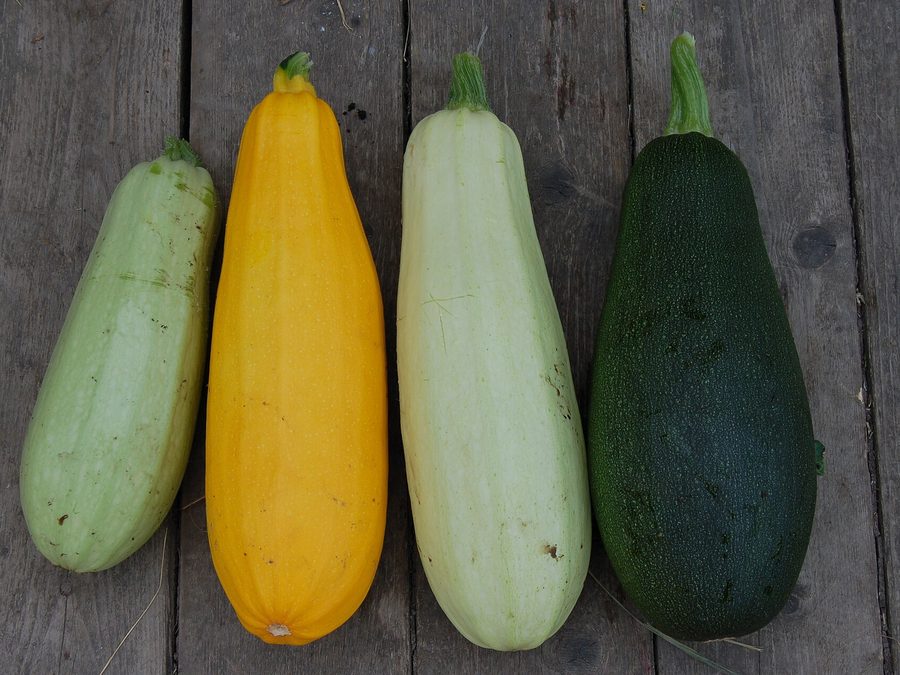
Zucchini
Cooks soft in minutes and cuts into a spear — one of the fastest first vegetables to prepare.
Vegetable
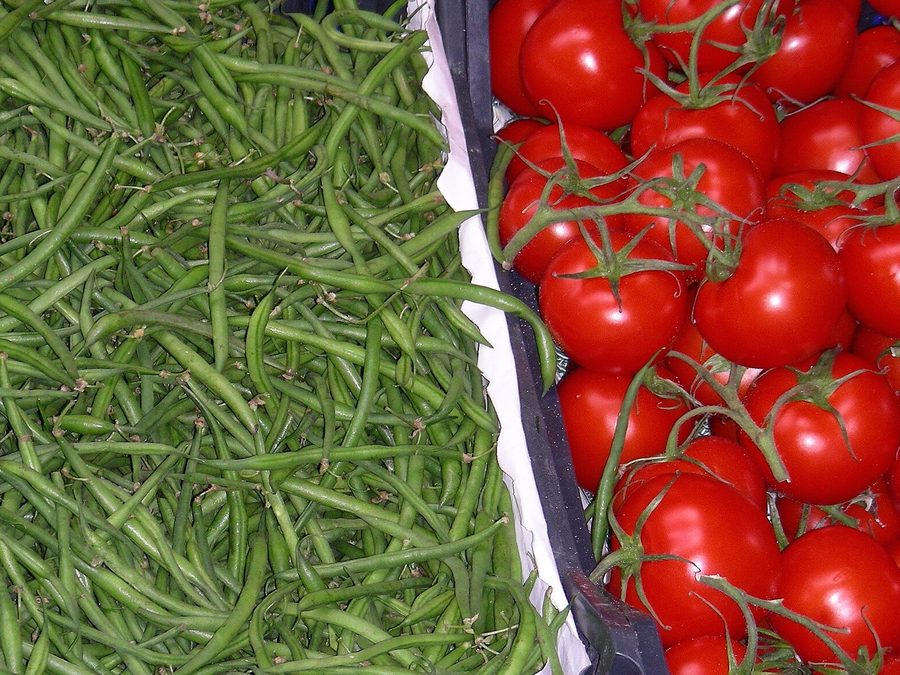
Tomato
Vitamin C for iron absorption — and cherry tomatoes are in the grape hazard class.
Vegetable
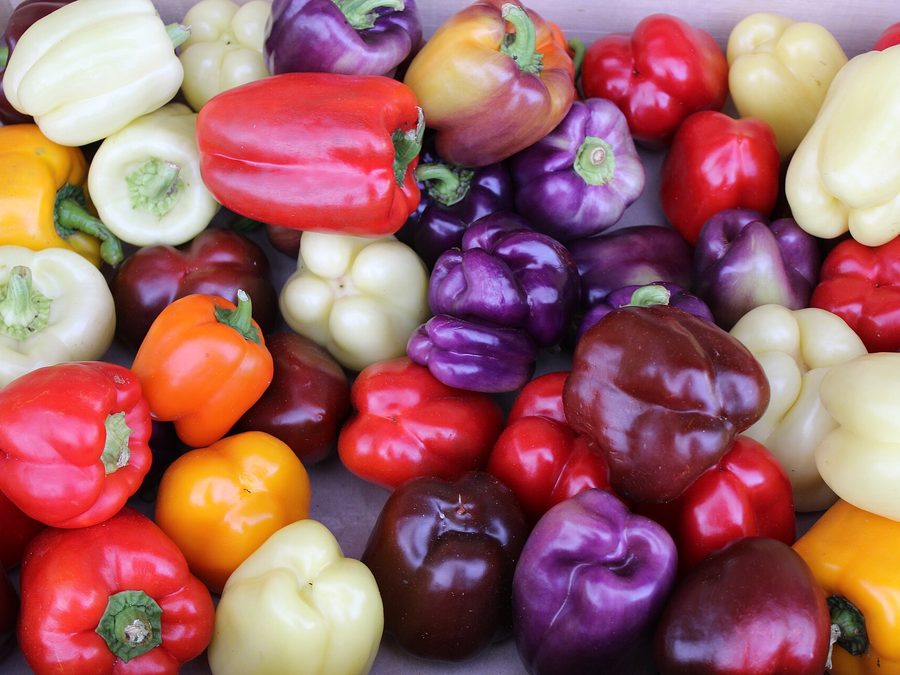
Bell pepper
More vitamin C than an orange — the single best vegetable to pair with an iron food.
Nuts & seeds
Tahini
The simplest way to introduce sesame — thin it first, exactly like peanut butter.