 FirstNom
Vegetable
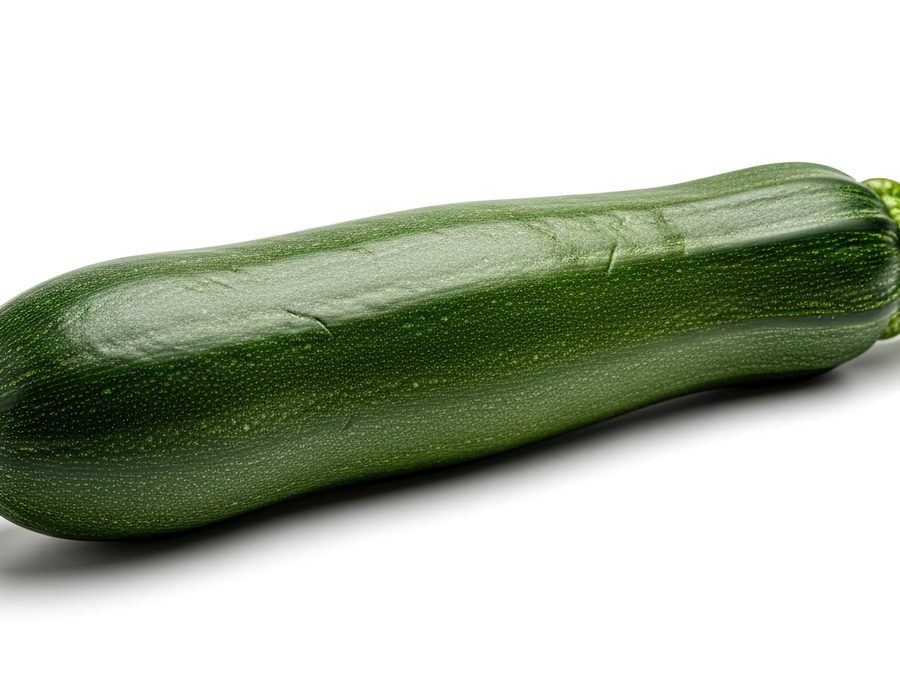
Zucchini for babies
Zucchini is about as low-effort as a first vegetable gets: cut into batons, five minutes of steaming, done. Mild enough that most babies take it without complaint.
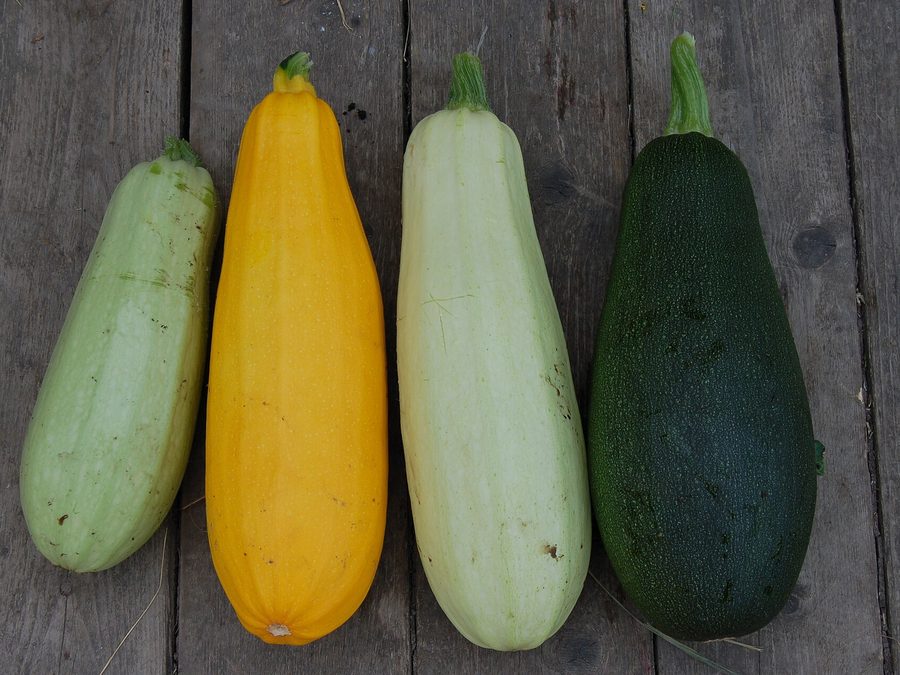
When can babies have zucchini?
From around 6 months, cooked. Zucchini is a good vegetable to have in rotation because it is inexpensive, cooks in minutes and disappears into fritters, pasta sauces and bakes when eaten straight is refused.
How do you serve zucchini to a baby?
The shape is what makes a food safe, and it changes as your baby’s grip and chewing change. Find your baby’s age band.
-
6–8 months
Cut into finger-length batons, leaving skin on if the courgette is small and tender, and steam or sauté for about five minutes until soft. Peel larger ones.
-
9–11 months
Soft cubes, or grated and cooked into fritters.
-
12–18 months
Batons, cubes, ribbons in pasta, or roasted. Zucchini fritters are a reliable toddler food.
-
18–24 months
Family portions, cooked or thinly sliced raw.
Prep tip
Grated zucchini holds a lot of water — squeeze it in a tea towel before making fritters or they fall apart.
Storage
Keeps about a week refrigerated. Cooked zucchini goes watery on reheating; it freezes best grated and squeezed for later use in bakes.
Is zucchini a choking hazard for babies?
Cooked zucchini is soft and low risk. Raw zucchini is firm and should wait; the skin on a large courgette can be tough, so peel it for younger babies. Avoid coin shapes in the first year — cut lengthways into batons.
Whatever you serve, stay within arm’s reach, keep your baby upright in a supportive seat, and never let them eat in a moving car, buggy or carrier. Gagging is loud and normal. Choking is silent.
Is zucchini a common allergen?
Zucchini is not one of the nine most common food allergens. Any food can trigger a reaction, though, so offer it on its own the first time and watch for hives, vomiting, swelling or a change in breathing over the next two hours.
Is zucchini healthy for babies?
Zucchini is mostly water, which makes it hydrating but not calorie-dense — it is a companion food rather than a main event. It contributes vitamin C, B6 and potassium. Its real strength is versatility: grated into fritters and bakes it adds moisture and vegetable content without changing the flavour much, which is useful during a fussy phase.
| Vitamin C | Good source |
|---|---|
| Vitamin B6 | Good source |
| Potassium | Good source |
| Water content | Very high |
| Iron per serving | ~0.2 mg |
Common questions about zucchini
Should I peel zucchini for my baby?
Small tender courgettes, no. Large ones with thick, dark skin, yes — the skin can be chewy and comes away in strips. Peeling also softens the flavour, which sometimes helps.
Can babies eat raw zucchini?
Better to wait until they are chewing confidently, around 12 months and up, and even then serve it very thinly sliced or grated. Cooked is easier and more digestible.
My zucchini tastes bitter.
Rare, but real — a bitter courgette contains cucurbitacins and should be thrown away rather than served to anyone, adult or baby. It is not a flavour to cook around.
Reference material
Guidance on this page follows the sources listed below.
Foods parents look at next
Vegetable
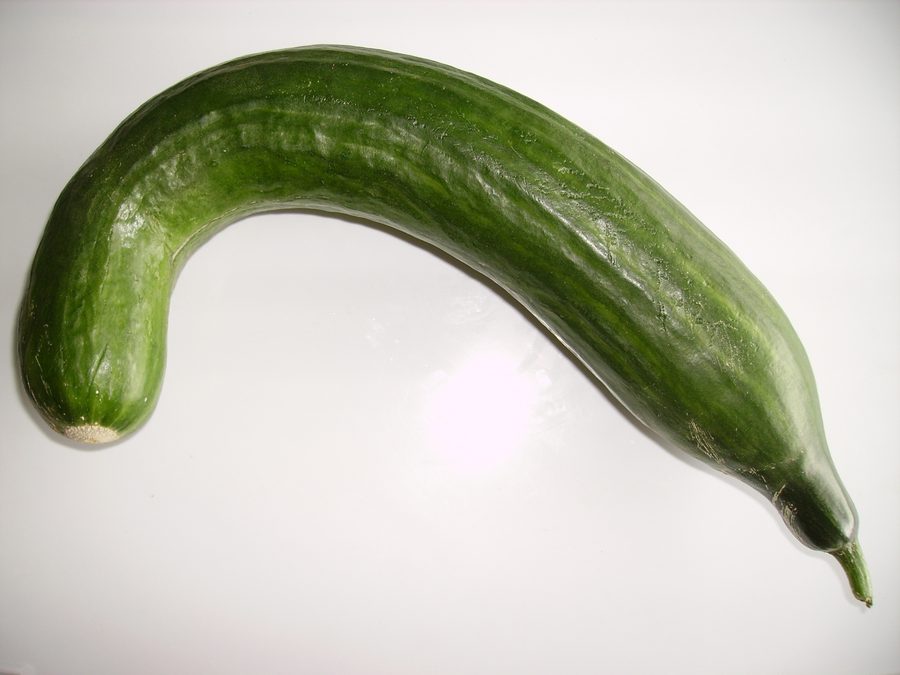
Cucumber
Cool, hydrating and brilliant for teething gums — but never in coins.
Vegetable
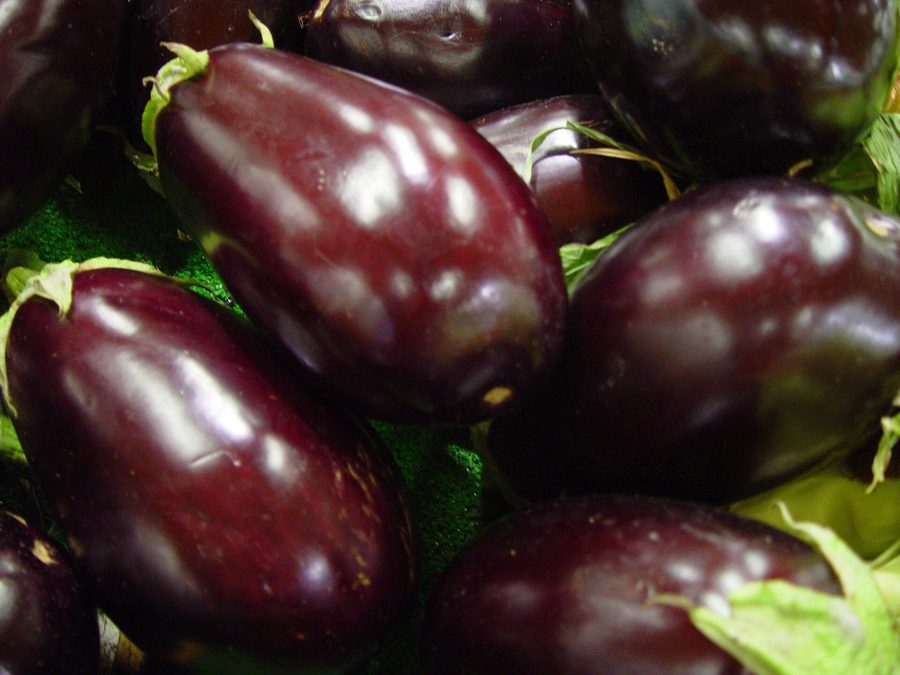
Aubergine
Silky when roasted, bitter and spongy when not — cooking method decides this one.
Vegetable
Yellow squash
Zucchini's yellow cousin — same speed, same shape, slightly sweeter.
Vegetable
Bell pepper
More vitamin C than an orange — the single best vegetable to pair with an iron food.