 FirstNom
Other
Mayonnaise for babies
Mayonnaise is mostly oil and egg, so a thin smear is fine from around 6 months once your baby has had well-cooked egg without a problem. What matters is the raw egg inside: it needs to be pasteurised, or British Lion-marked in the UK.

When can babies have mayonnaise?
From around 6 months, in small amounts, once your baby has had well-cooked egg a few times without a reaction. Mayonnaise is oil whisked with raw egg yolk, so two rules apply. The allergen rule: egg is one of the nine common allergens, and the AAP advises introducing it early rather than delaying, starting with well-cooked egg. The food-safety rule: the NHS says hens' eggs with the British Lion mark are fine for babies raw or partly cooked, but other eggs should be cooked until the white and yolk are solid. So homemade mayonnaise is suitable only with Lion-marked eggs in the UK, or pasteurised eggs elsewhere. Skip deli or restaurant mayonnaise unless you know what egg went into it.
How do you serve mayonnaise to a baby?
The shape is what makes a food safe, and it changes as your baby’s grip and chewing change. Find your baby’s age band.
-
6–8 months
Only after well-cooked egg has gone well. A thin smear, about half a teaspoon, on a finger-length toast strip, or stirred into mashed salmon or potato. Pasteurised-egg or Lion-egg mayonnaise only.
-
9–11 months
Up to a teaspoon mixed through flaked fish, mashed egg or soft 1 cm vegetable pieces, or spread thinly on toast fingers. Same egg rule.
-
12–18 months
A teaspoon or two in family food: thinned with yogurt as a dip, spread thinly in sandwiches cut into strips, or mixed into tuna, egg or potato salad with any round ingredients quartered.
-
18–24 months
As the family uses it, in small amounts. Keep the egg rule for anything homemade, and choose a lower-salt jar where you can.
Prep tip
On a jar, look for 'pasteurised egg' on the label, and compare salt per 100 g between brands. For homemade mayonnaise, use pasteurised liquid egg yolk, or British Lion-marked eggs in the UK, and leave out the salt. Mixing it half and half with plain yogurt makes it go further.
Storage
Keep opened jars in the fridge and use them within the time on the label. Homemade mayonnaise has no preservatives: refrigerate it straight away and use it within a couple of days.
Is mayonnaise a choking hazard for babies?
Mayonnaise is a smooth, soft sauce and not a choking risk in itself. The real concerns are the raw egg in it and the egg allergen. Watch what it is spread on: thinly on toast strips rather than in soft white bread that can clump into a sticky ball, and with any round foods alongside, such as cherry tomatoes, quartered lengthways.
Whatever you serve, stay within arm’s reach, keep your baby upright in a supportive seat, and never let them eat in a moving car, buggy or carrier. Gagging is loud and normal. Choking is silent.
Is mayonnaise a common allergen?
Mayonnaise is egg, and the egg in it is raw, so treat it as an egg food rather than a neutral sauce. Introduce egg first as well-cooked egg, on its own, at home, earlier in the day, in a small amount, as the AAP's guidance on early allergen introduction describes, then keep egg in the diet regularly. Mayonnaise can be one way to do that later. If your child has an egg allergy, or has only been cleared for baked egg, do not offer mayonnaise until you have asked your pediatrician. Most mayonnaise also contains mustard, which is not one of the US nine but is a declarable allergen in the UK and EU. Egg-free 'vegan' mayonnaise often contains soy, so read the label.
Is mayonnaise healthy for babies?
Not much beyond fat and flavour. Mayonnaise is mostly oil, so it is energy-dense and carries some vitamin E, and fat is something babies genuinely need. But it brings almost no iron or protein: according to USDA FoodData Central, a teaspoon (about 5 g, a realistic amount for a baby) of regular mayonnaise has around 0.01 mg of iron and about 30 mg of sodium. Its real use is moistening fish, egg or vegetables so they are easier to eat.
| Fat | Very high |
|---|---|
| Vitamin E | Some |
| Sodium | Some |
| Iron | Negligible |
| Iron per serving | ~0.01 mg |
Homemade or from a jar?
The difference is the egg. A jar labelled pasteurised egg is the simple choice. Homemade mayonnaise is never heated, so the egg decides it: Lion-marked in the UK, pasteurised elsewhere. Either way, start with well-cooked egg before mayonnaise, as set out in introducing allergens. For moistening food without egg or salt, plain yogurt or mashed avocado does the same job. More on salt in salt, sugar and honey.
How sure is this?
- Guideline. Babies can have egg from around 6 months, and British Lion-marked hens’ eggs can be eaten raw or partly cooked, while other eggs should be cooked until solid, per the NHS.
- Guideline. Introduce egg early rather than delaying it, per the AAP.
- Guideline. Keep salt low in a baby’s food, per the NHS.
- Common practice, little evidence. Offering well-cooked egg before mayonnaise, and choosing a jar labelled pasteurised egg, are sensible ways to separate the allergen question from the food-safety one. Neither has been studied directly.
Common questions about mayonnaise
Is shop-bought mayonnaise safer than homemade for a baby?
A jar whose label says pasteurised egg is the simpler choice, because pasteurised egg is suitable for babies uncooked. Homemade mayonnaise is only suitable if you use pasteurised eggs, or British Lion-marked eggs in the UK.
Can I use mayonnaise as my baby's first taste of egg?
It is better not to. Start with well-cooked egg, such as an omelette strip, so you know how your baby handles egg before offering it in a raw-egg sauce. Once cooked egg has gone well a few times, a little mayonnaise is fine.
Is light or reduced-fat mayonnaise better for my baby?
No. Babies need fat, and reduced-fat versions often replace it with added sugar, starch or extra salt.
My baby had mayonnaise and now has a rash. What should I do?
A few red patches around the mouth that fade within an hour are often just contact irritation. Call your pediatrician if hives spread beyond the mouth, or there is swelling of the lips or eyes, or vomiting. Call your emergency number for any difficulty breathing, a swollen tongue or sudden floppiness.
Guides for this food
Reference material
Guidance on this page follows the sources listed below.
Foods parents look at next
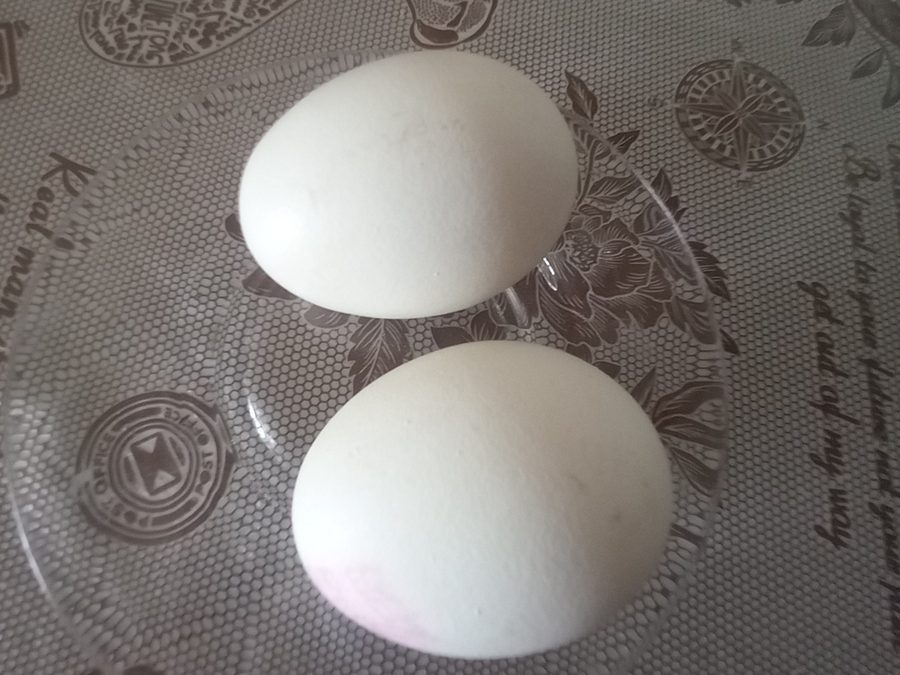
Dairy & eggs
Egg
A top-nine allergen worth introducing early — and one of the cheapest complete proteins there is.
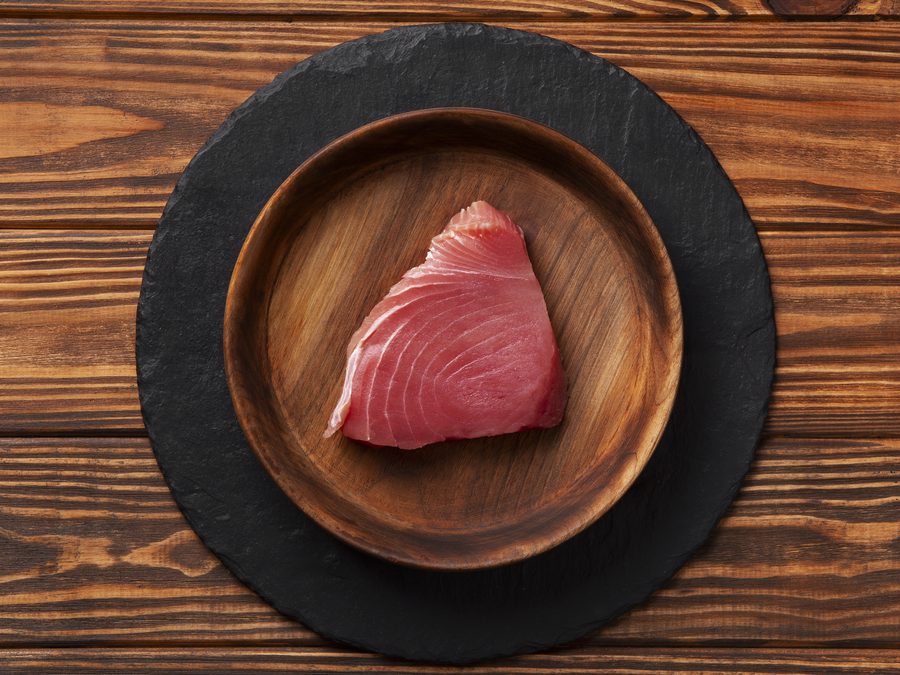
Meat & fish
Tuna
Fine in moderation if you pick the right kind — mercury is the whole story here.
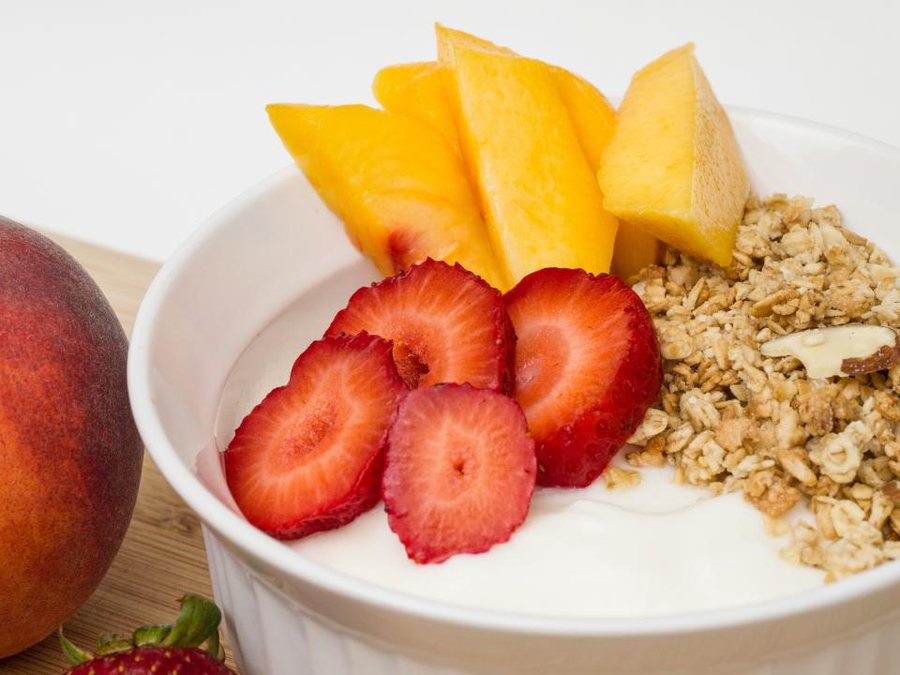
Dairy & eggs
Yogurt
Plain whole-milk yogurt is fine from 6 months — long before cow's milk as a drink.
Fruit
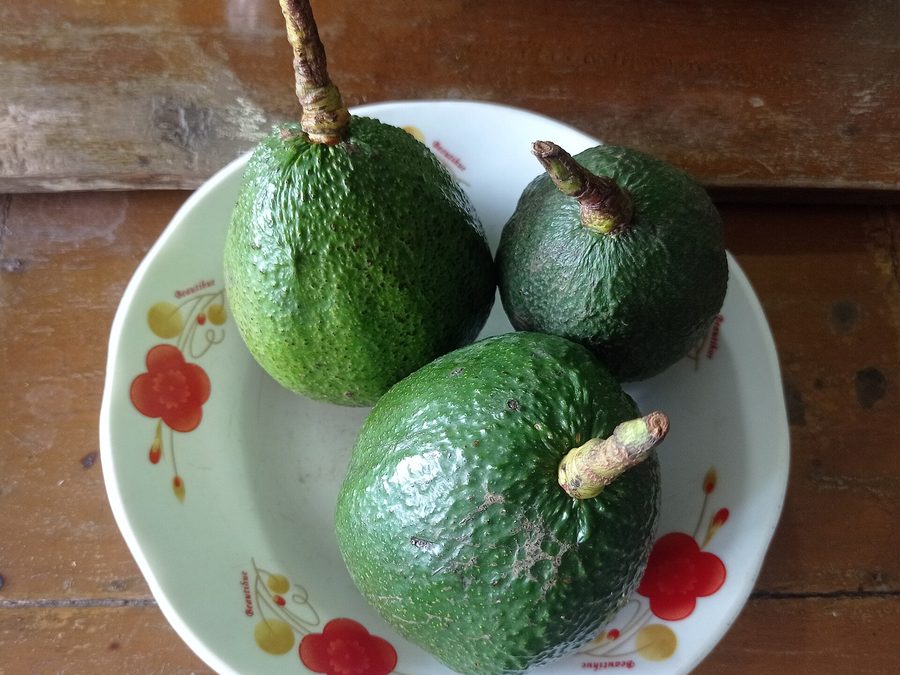
Avocado
Soft, buttery and ready without cooking — the first food most parents start with.