 FirstNom
Fruit
Kiwi for babies
Kiwi is a vitamin C powerhouse and a good iron-absorption partner. Its enzymes can irritate skin around the mouth, which looks alarming and usually is not.
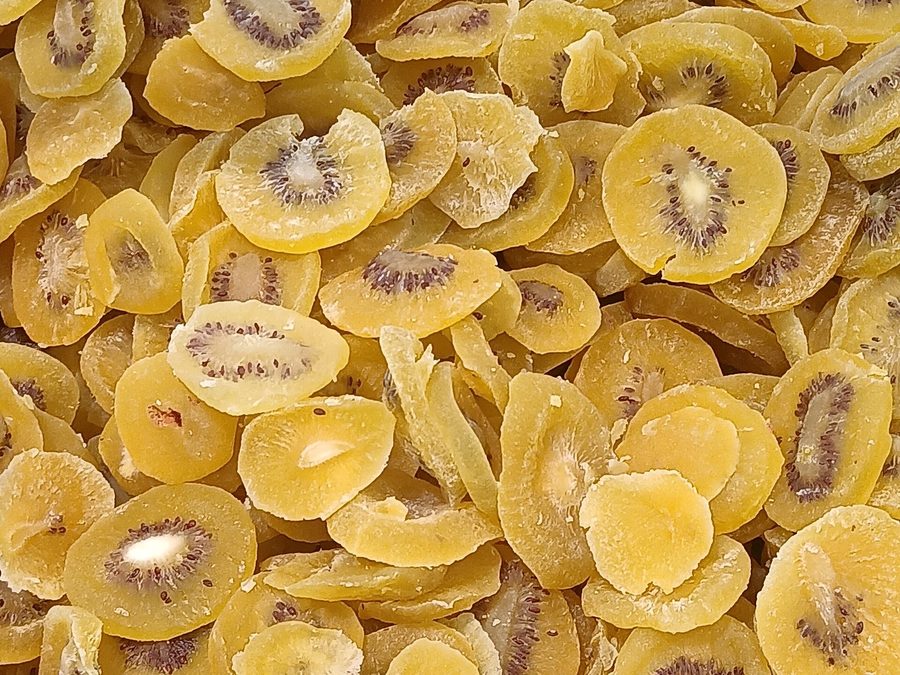
When can babies have kiwi?
From around 6 months, ripe and peeled. Kiwi's very high vitamin C makes it a useful partner to an iron-rich meal.
How do you serve kiwi to a baby?
The shape is what makes a food safe, and it changes as your baby’s grip and chewing change. Find your baby’s age band.
-
6–8 months
Peel a ripe kiwi and cut it lengthways into quarters or wedges. Or scoop and mash it into yogurt or porridge.
-
9–11 months
Bite-sized pieces of ripe kiwi.
-
12–18 months
Wedges or chunks. Some children will eat it scooped from the half with a spoon.
-
18–24 months
Halved and scooped, or sliced. Family portions.
Prep tip
Gold kiwi is sweeter and less acidic than green, which makes it a gentler introduction if the green one causes a rash around the mouth.
Storage
Ripen at room temperature; a kiwi is ready when it yields to gentle pressure. Refrigerate to hold for up to a week.
Is kiwi a choking hazard for babies?
Ripe kiwi is soft and low risk cut into spears. Firm kiwi is not. The fuzzy skin is edible but unpleasant and should be removed for babies. Avoid round coin slices in the first year — quarter lengthways instead.
Whatever you serve, stay within arm’s reach, keep your baby upright in a supportive seat, and never let them eat in a moving car, buggy or carrier. Gagging is loud and normal. Choking is silent.
Is kiwi a common allergen?
Kiwi is not one of the nine common allergens but it is a recognised cause of reactions in children, more so than most fruit, and it can cross-react with latex allergy. It also commonly causes contact irritation around the mouth from its acidity and enzymes. Introduce it on its own and watch for two hours; hives away from the mouth, vomiting or swelling need medical advice.
Is kiwi healthy for babies?
A single kiwi carries more vitamin C than an orange, which matters for iron absorption — serve it alongside lentils, beans or fortified cereal. It is also high in fibre and contains actinidin, an enzyme that helps break down protein and can mildly loosen stools.
| Vitamin C | Very high |
|---|---|
| Vitamin K | High |
| Fibre | High |
| Potassium | Good source |
| Actinidin | Present |
| Iron per serving | ~0.2 mg |
Common questions about kiwi
My baby's face went blotchy after kiwi.
Usually contact irritation from the acidity and the actinidin enzyme rather than a true allergy. Barrier cream before meals and a wipe after usually prevents it. Hives elsewhere on the body, vomiting or swelling are different and need a doctor.
Can babies eat kiwi skin?
It is edible and high in fibre, but the fuzz is unpleasant and it is harder to chew. Peel it for babies and toddlers.
Reference material
Guidance on this page follows the sources listed below.
Foods parents look at next
Fruit
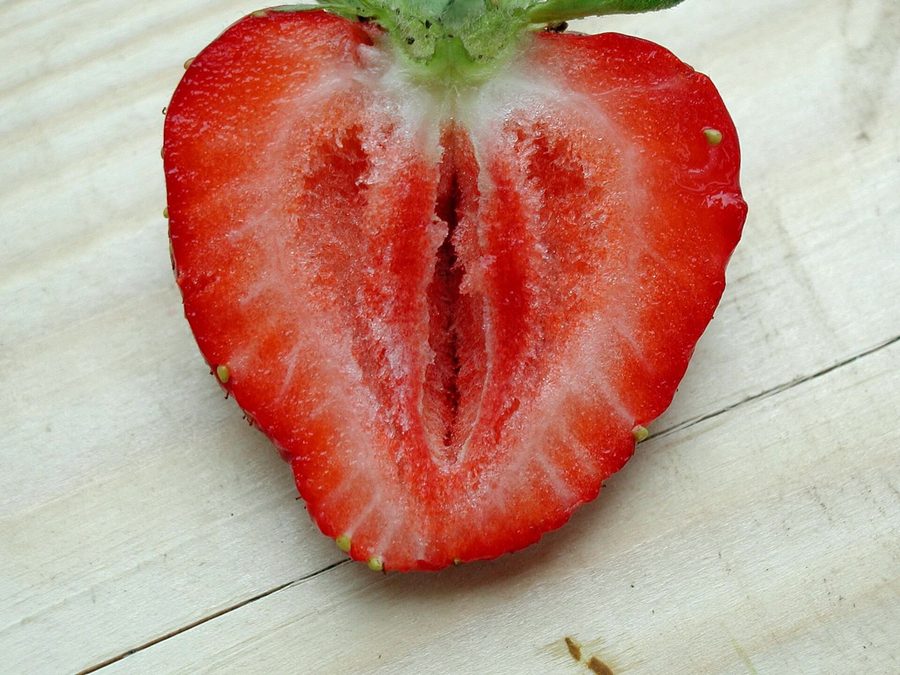
Strawberry
More vitamin C than an orange, and a shape that needs quartering until about four.
Fruit
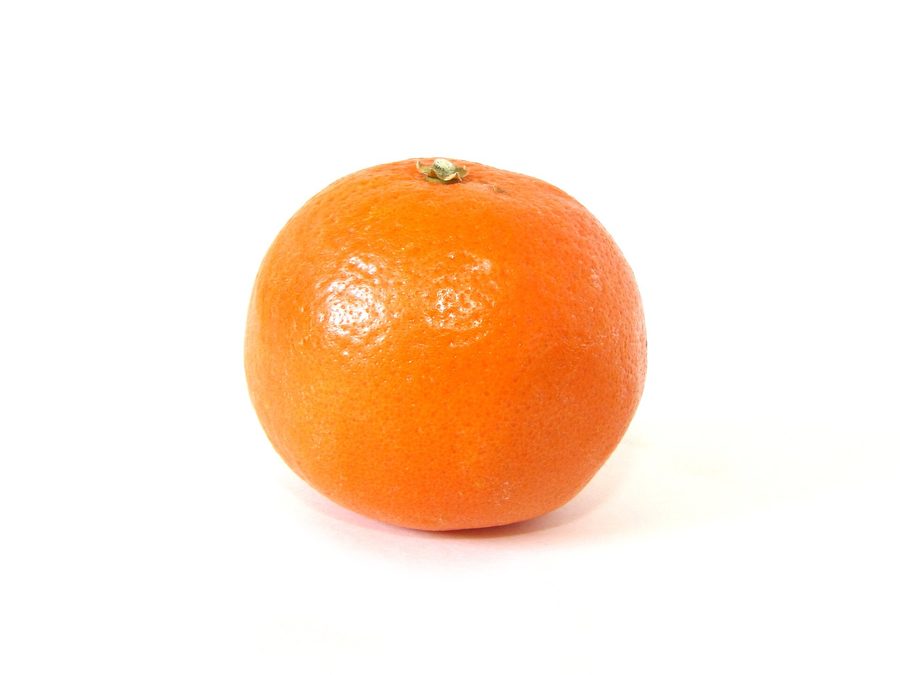
Orange
Vitamin C for iron absorption — segment it, membrane and all removed.

Fruit
Mango
Sweet, soft and packed with vitamin C — serve it with an iron food and it earns its place twice.
Fruit
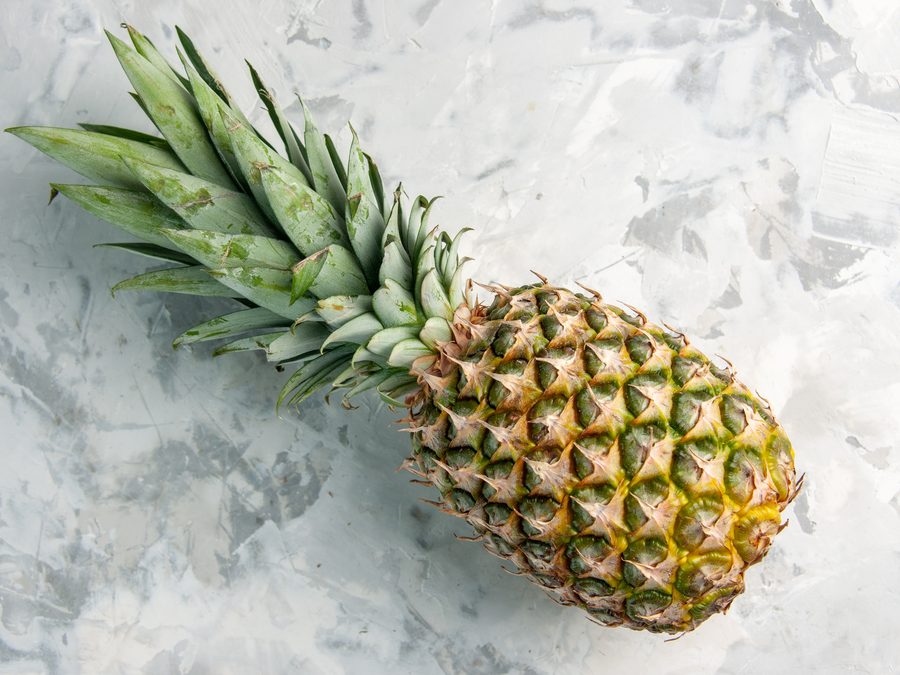
Pineapple
Very high in vitamin C, and acidic enough to redden most babies' chins.