 FirstNom
Other
Vinegar for babies
A splash of plain vinegar cooked into family food is fine for your baby from around 6 months. Keep it as a seasoning, never neat, never as a drink or a remedy, and skip the sweetened and salted kinds.

When can babies have vinegar?
From around 6 months, once your baby is showing the signs of readiness for solids, as a small splash cooked into food. No health body sets an age for vinegar itself, so the answer comes from what it contains. Plain vinegar has no salt and no sugar, the two things the NHS advises keeping out of a baby's food. Balsamic glaze and many balsamic vinegars carry added sugar, which the CDC advises avoiding before age 2, and seasoned rice vinegar and shop-bought dressings add salt, which the NHS and the CDC both advise limiting. Neat vinegar, vinegar drinks and pickled foods can wait.
How do you serve vinegar to a baby?
The shape is what makes a food safe, and it changes as your baby’s grip and chewing change. Find your baby’s age band.
-
6–8 months
A few drops to half a teaspoon of plain cider, white wine or malt vinegar cooked into a family dish, such as tomato sauce, lentils or slow-cooked meat. Never offer it neat, on a spoon, or in a drink.
-
9–11 months
As before, cooked into food or mixed with plenty of olive oil as a light dressing for soft-cooked vegetables. The dish should taste gently sharp, not sour, and a portion holds well under a teaspoon.
-
12–18 months
A little plain vinegar in dressings and family meals is fine, and a toddler can share food dressed for the table. Still keep balsamic glaze, seasoned rice vinegar and pickled foods as rare tastes, and never offer vinegar to drink.
-
24 months+
Balsamic vinegar and glaze, and seasoned rice vinegar, can join family food in small amounts after the second birthday. Vinegar as a drink or tonic is still not needed.
Prep tip
Read the label: plain cider, white wine, red wine, malt and distilled vinegar should list only vinegar. Avoid anything labelled glaze, reduction, seasoned or sweetened, and check balsamic vinegar for added sugar, caramel or grape must concentrate.
Storage
Vinegar keeps for a long time in a closed bottle in the cupboard. Store bottles out of a toddler's reach.
Is vinegar a choking hazard for babies?
Vinegar is a thin liquid and not a choking risk. The real points are that it is too sharp and acidic to give neat, and that some vinegars carry added sugar or salt. The choking risk sits in foods kept in vinegar: whole pickled onions are round and firm, and pickle coins are airway-sized, the shapes the AAP warns about for round foods.
Whatever you serve, stay within arm’s reach, keep your baby upright in a supportive seat, and never let them eat in a moving car, buggy or carrier. Gagging is loud and normal. Choking is silent.
Is vinegar a common allergen?
Vinegar is not one of the nine common allergens. Malt vinegar is made from barley, not wheat. Wine vinegars can contain sulphites, which must be declared as an allergen on labels in the EU and UK, though they are not among the US nine. If your child has a known food allergy or coeliac disease, read the label, and ask your pediatrician which products are suitable. A red ring around the mouth after a vinegary food is usually irritation from the acidity, not an allergic reaction.
Is vinegar healthy for babies?
Flavour, and not much else. According to USDA FoodData Central, cider vinegar has around 0.2 mg of iron per 100 g, so the teaspoon or less a baby might get in a shared dish gives about 0.01 mg, effectively none, with no protein, fibre or vitamins worth counting. Its use is that a little sharpness makes food taste of something without salt. For a plant-based meal, it is vitamin C from vegetables or fruit, not vinegar, that helps your baby absorb the iron.
| Acidity | High |
|---|---|
| Added sugar (balsamic glaze) | High |
| Sodium (seasoned rice vinegar) | High |
| Iron | Negligible |
| Iron per serving | ~0 mg |
Which vinegar, and how much?
Plain vinegars, such as cider, wine, malt and distilled white, are interchangeable for a baby: a splash in cooking, never on its own. The ones to hold back are those that add sugar or salt, and the foods that are kept in vinegar. A pickle waits until after 12 months because of the salt in the brine, and vacuum-packed beetroot stored in vinegar is too acidic and salty, so buy it plain or cook your own. For a dressing, whisk a little vinegar into plenty of olive oil. For where salt and sugar hide in family food, see salt, sugar and honey, and for cutting pickled foods by age, see how to cut food for a baby.
How sure is this?
- Guideline. Do not add salt or sugar to a baby’s food, and avoid salty foods in the first year, per the NHS. The CDC also advises limiting foods high in sodium.
- Guideline. Avoid added sugars before age 2, per the CDC, which covers balsamic glaze and sweetened vinegars.
- Guideline. Cut round, firm foods so they are not airway-sized for children under 4, per the AAP, which covers whole pickled onions and pickle coins.
- Common practice, little evidence. No health body sets an age for vinegar itself. Using a small splash of plain vinegar in cooking from 6 months, and never giving it neat or as a drink, is a reasonable reading of the guidance, not a studied threshold.
Common questions about vinegar
My baby got a sip of vinegar. What should I do?
A small sip or a lick is usually just unpleasant: offer their usual milk or water and let them settle. Call your pediatrician if they keep crying with pain, drool, refuse to swallow or vomit. If they struggle to breathe, call your emergency number.
Can apple cider vinegar help my baby's colic, reflux or constipation?
No health body recommends vinegar as a remedy for babies, and it is not a treatment for any of these. Do not give it as a drink or add it to a bottle. If colic, reflux or constipation is worrying you, ask your pediatrician.
Is balsamic vinegar okay for a baby?
Wait until after the second birthday for balsamic glaze, and for balsamic vinegar with added sugar or caramel on the label, because the CDC advises avoiding added sugars before age 2. A balsamic vinegar whose label lists only grape must and wine vinegar can be used sparingly in cooking, like any plain vinegar.
Does cooking with vinegar make food unsuitable for my baby?
No. A splash in a pot of family food is spread across every portion, and much of the sharpness cooks off. Taste it before serving: if it tastes sour to you, add more of the base ingredients rather than serving it as it is.
Guides for this food
Reference material
Guidance on this page follows the sources listed below.
Foods parents look at next

Other
Pickles
Not before 12 months, and then only a little: pickles are very salty, and firm spears and round coins are a choking risk until cut small.
Other
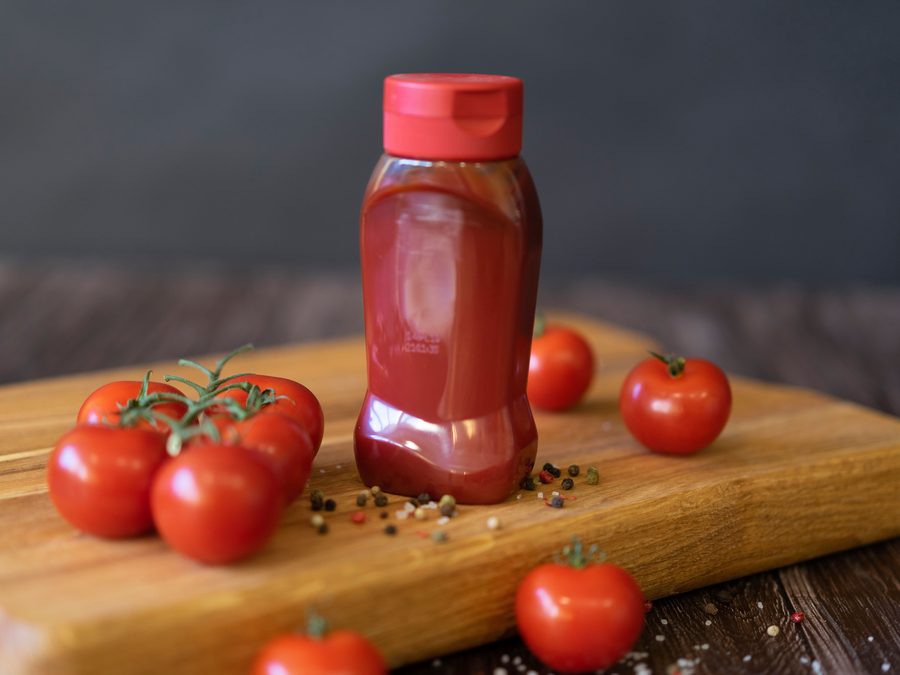
Ketchup
Not before 12 months, and then only a little: ketchup is mostly added sugar and salt, which babies do not need.
Other
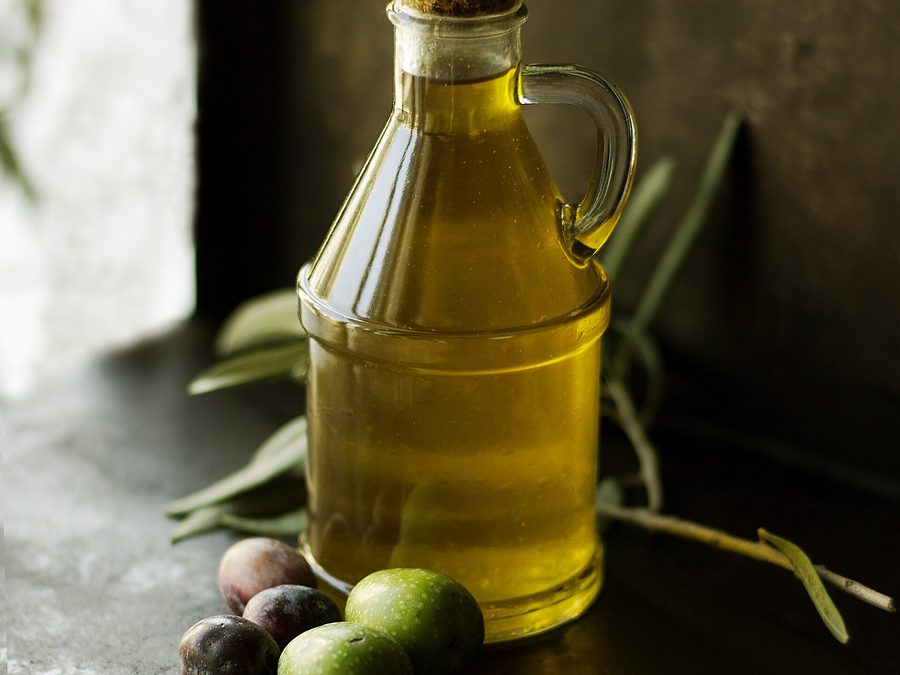
Olive oil
The simplest way to raise the calorie density of a baby's meal.

Other
Olives
From around 6 months, pitted, rinsed and quartered lengthways, in small amounts: whole olives are a choking risk and brined ones are salty.