 FirstNom
Other
Pickles for babies
Pickles can wait until after the first birthday, because the brine makes them far saltier than the cucumber they started as. After that, offer a small amount, cut lengthways into thin strips or chopped finely, never as whole gherkins or coins.

When can babies have pickles?
Not before 12 months. No health body sets an age for pickles themselves, so the answer comes from the guidance on salt. The NHS advises against salty foods for babies, with less than 1 g of salt a day up to 12 months, and the CDC also advises limiting foods high in sodium. The salt in the brine goes all the way through a pickle, so rinsing does little. Sweet and bread-and-butter pickles also carry added sugar, which the CDC advises avoiding before age 2. After 12 months, a few small pieces of a dill pickle with a meal is a reasonable occasional taste, kept within the NHS limit of no more than 2 g of salt a day from 1 to 3 years.
How do you serve pickles to a baby?
The shape is what makes a food safe, and it changes as your baby’s grip and chewing change. Find your baby’s age band.
-
6–8 months
Not yet. Offer plain cucumber instead: peeled, cut into long spears the length of an adult finger, and chilled in the fridge for teething gums.
-
9–11 months
Still not yet. Keep to plain peeled cucumber, cut into small pieces about 1 cm across or long spears, never coins.
-
12–18 months
A dill pickle, not a sweet one, cut lengthways into thin strips and then chopped into pieces about the size of a pea. Two or three teaspoons of pieces alongside a meal is plenty, a few times a week at most.
-
18–24 months
Still chopped small or cut into thin lengthways strips, and still a small side. Finely chopped pickle stirred into a potato salad makes a little go further.
-
24 months+
Thin lengthways strips are fine for a toddler who chews well. Keep coins and whole small gherkins until around 4 years, eaten seated and supervised.
Prep tip
Compare labels per 100 g and choose the pickle with the least salt, and skip sweet, bread-and-butter and relish versions, which add sugar. Strips cut from a large dill pickle are easier to make small than whole cornichons.
Storage
Keep opened pickles covered in their brine in the fridge and use them within the time on the label. Chopped pickle for your toddler is best used the same day.
Is pickles a choking hazard for babies?
A pickle is firm and often crunchy, and the usual shapes are the risky ones. Round slices, like the coins on a burger, are the airway-sized shape the AAP warns about for round foods, and small whole gherkins and cornichons are firm and slippery enough to lodge. Cut pickles lengthways into thin strips, then chop them small, and never serve coins or whole small gherkins to a child under 4.
Whatever you serve, stay within arm’s reach, keep your baby upright in a supportive seat, and never let them eat in a moving car, buggy or carrier. Gagging is loud and normal. Choking is silent.
Is pickles a common allergen?
Pickles are not one of the nine common allergens. Many dill pickle brines contain mustard seed, and mustard must be declared as an allergen on labels in the EU and UK, though not in the US. If your child has a known food allergy, read the ingredient list, and ask your pediatrician which products are suitable. A red ring around the mouth after a pickle is usually irritation from the vinegar, not an allergic reaction.
Is pickles healthy for babies?
Very little. A pickle keeps some of the vitamin K of cucumber, but according to USDA FoodData Central it carries almost no iron, fibre or protein, and a large amount of sodium for its size. A toddler's realistic portion, a few small pieces adding up to about 30 g, gives around 0.1 mg of iron. Plain cucumber does everything a pickle does for a baby, without the salt. If your toddler loves the sharp taste, a squeeze of lemon on cucumber gives a similar tang.
| Sodium | High |
|---|---|
| Added sugar (sweet pickles) | High |
| Vitamin K | Some |
| Iron | Negligible |
| Iron per serving | ~0.1 mg |
Pickle or plain cucumber?
A pickle starts life as a cucumber, and plain cucumber gives your baby the same crunch and fresh taste from 6 months with no salt. Pickles then sit with olives among the briny foods that need cutting and limiting, and they are cut the same way as cucumber: lengthways, never coins. For the shapes by age, see how to cut food for a baby, and for where else salt adds up in a day, see salt, sugar and honey.
How sure is this?
- Guideline. Avoid salty foods for babies, with less than 1 g of salt a day up to 12 months, per the NHS, and limit foods high in sodium, per the CDC.
- Guideline. Avoid added sugars before age 2, per the CDC, which rules out sweet pickles for babies.
- Guideline. Cut round foods so they are not airway-sized for children under 4, per the AAP, and the CDC lists round, firm foods as choking hazards.
- Common practice, little evidence. No health body sets an age for pickles themselves. Waiting until 12 months, then offering a few small pieces, is a reasonable reading of the salt guidance, not a studied threshold.
Common questions about pickles
My baby sucked on a pickle. Is that a problem?
No. A taste or a lick does no harm. The salt guidance is about what your baby eats regularly, not one taste, so there is nothing to watch for. Just keep pickles off the tray until after the first birthday.
My toddler choked on a pickle slice. What should I do?
If they are coughing, crying or breathing normally, the piece has gone down or come up, and coughing is the body clearing it. Call your pediatrician if they keep coughing, wheezing or drooling over the following hours. If they go silent, cannot cough or cannot breathe, call your emergency number.
Can my toddler drink pickle juice?
It is best not to. Pickle brine is mostly salt water and vinegar, so a few mouthfuls can add a lot of salt to a small child's day.
Dill, sweet or bread-and-butter pickles for a toddler?
Dill. All pickles are salty, but sweet and bread-and-butter pickles also add sugar, which the CDC advises avoiding before age 2. Choose the dill pickle with the lowest salt on the label.
Guides for this food
Reference material
Guidance on this page follows the sources listed below.
Foods parents look at next
Vegetable
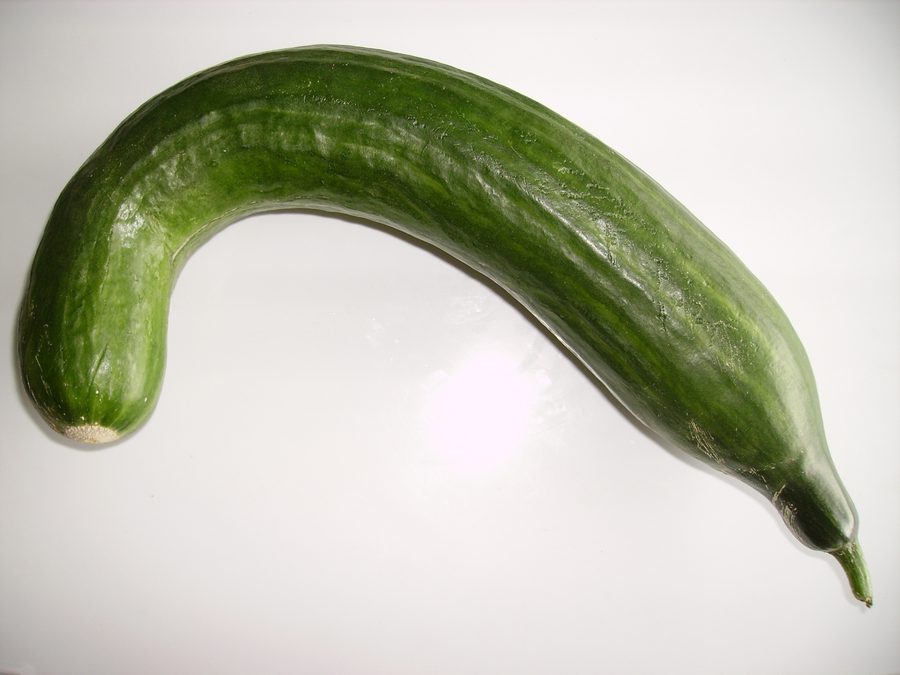
Cucumber
Cool, hydrating and brilliant for teething gums — but never in coins.

Other
Olives
From around 6 months, pitted, rinsed and quartered lengthways, in small amounts: whole olives are a choking risk and brined ones are salty.
Other
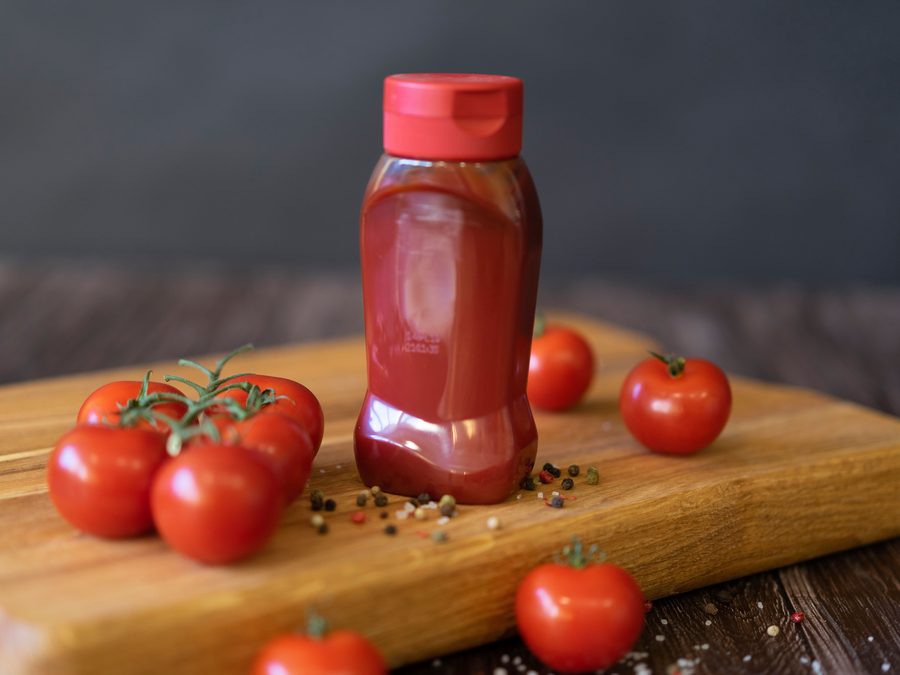
Ketchup
Not before 12 months, and then only a little: ketchup is mostly added sugar and salt, which babies do not need.

Other
Mustard
A pinch of ground mustard cooked into food is fine from 6 months. Jarred mustard is salted, so keep it for after 12 months, as a thin smear.