 FirstNom
Other
Mustard for babies
Mustard as a spice, cooked into family food, is fine from 6 months, while jarred mustard is salted and best kept for after the first birthday. Mustard is also one of the 14 allergens labelled in the EU and UK, so offer it on its own the first time.

When can babies have mustard?
From around 6 months, as a spice cooked into food. No health body sets an age for mustard itself, so the answer comes from what it contains. Ground mustard and mustard seeds have no salt, and a pinch in a sauce is like any other spice. Jarred mustard is another matter: it is made with salt, and the NHS advises against adding salt to a baby's food or giving salty foods in the first year. So keep jarred mustard out of your baby's portion until 12 months, then offer it as a thin smear. Honey mustard waits until 12 months in any case, because honey is never suitable before the first birthday.
How do you serve mustard to a baby?
The shape is what makes a food safe, and it changes as your baby’s grip and chewing change. Find your baby’s age band.
-
6–8 months
A small pinch of ground mustard (mustard powder) stirred into food as it cooks, such as a cheese sauce, lentils, mashed potato or a beef stew. Cooking softens the heat.
-
9–11 months
Still mustard as a cooked-in spice: a pinch in sauces, scrambled egg or a bean stew, or mustard seeds fried in oil at the start of a dal. Keep jarred mustard for the family's own plates.
-
12–18 months
A thin smear of mild jarred mustard, about a quarter teaspoon, spread on a sandwich or stirred into a sauce, alongside cooked-in ground mustard. Avoid hot English mustard and anything labelled honey mustard for now.
Prep tip
Mustard powder is just ground seed, so it is the salt-free way to use mustard in baby food. For jarred mustard, compare salt per 100 g on the label and choose a mild yellow or Dijon. Check for honey in the ingredients, and for any other allergen your child avoids.
Storage
Keep mustard powder sealed in a cool cupboard, where it holds its strength for about a year. Opened jarred mustard keeps for months in the fridge; follow the label.
Is mustard a choking hazard for babies?
Choking is not the concern with mustard. Ground mustard disappears into a sauce, and jarred mustard is a smooth or seedy paste. The real points are salt in the jarred kind, heat in strong mustards, and what mustard comes with. Hot dogs are on the AAP choking-hazard list, and sausages share their shape, so cut them lengthways into quarters or thin strips, never coins.
Whatever you serve, stay within arm’s reach, keep your baby upright in a supportive seat, and never let them eat in a moving car, buggy or carrier. Gagging is loud and normal. Choking is silent.
Is mustard a common allergen?
Mustard is not one of the nine allergens recognised in the US, but it is one of the 14 allergens that must be declared on food labels in the EU and UK. Offer it on its own the first time, earlier in the day, as with any allergen, then keep it in the diet if it goes well. If your baby has severe eczema or an existing food allergy, ask your pediatrician before you start.
Is mustard healthy for babies?
Very little, and that is fine: mustard is a flavour, not a nutrient source. According to USDA FoodData Central, a teaspoon of prepared yellow mustard has about 0.1 mg of iron and roughly 55 mg of sodium, and a toddler eats less than that. Its real value is flavour without extra salt: a pinch of ground mustard lifts a cheese sauce or lentils. For iron, rely on the food mustard goes with: beef, lentils or beans, with vitamin C from vegetables alongside to help absorption.
| Sodium (jarred) | High |
|---|---|
| Selenium | Some |
| Iron | Negligible |
| Iron per serving | ~0.1 mg |
Spice or condiment?
Ground mustard and mustard seeds are a spice like ginger: no salt, fine in cooking from 6 months. Jarred mustard is a condiment like ketchup: made with salt, so it waits until after 12 months and stays small. Honey mustard follows the honey rule. For where else salt hides in family food, see salt, sugar and honey. Mustard sits with celery on the longer EU and UK allergen list, explained in introducing allergens.
How sure is this?
- Guideline. Do not add salt to a baby’s food, and avoid salty foods in the first year, per the NHS.
- Guideline. No honey in any form before 12 months, including honey mustard, per the FDA and the NHS.
- Common practice, little evidence. No health body sets an age for mustard itself. Using ground mustard as a cooked-in spice from 6 months, and waiting until 12 months for jarred mustard, is a reasonable reading of the salt guidance, not a studied threshold.
- Guideline. Cut sausages and hot dogs lengthways, never into coins, per the AAP.
Common questions about mustard
My baby had a lick of mustard from my sandwich. Is that a problem?
No. A taste carries very little salt, and the salt guidance is about what your baby eats regularly. If it was hot, offer milk or water. Call your pediatrician if hives or swelling appear, and your emergency number for any difficulty breathing.
Is honey mustard all right for a toddler?
Only after 12 months, because the honey in it can carry botulism spores, and cooking does not reliably destroy them. After the first birthday, honey mustard is fine in small amounts, though it adds sugar as well as salt.
Can my baby have food cooked with mustard?
Yes. A pinch of mustard powder or mustard seeds in a shared dish is fine from 6 months. A spoonful of jarred mustard spread through a family pot is not a worry either.
Which mustard is mildest for a toddler?
American yellow mustard is usually the mildest, then Dijon and wholegrain. Hot English mustard and fresh mustard made from powder and cold water are much stronger, so save those for older children.
Is mustard the same as mustard greens?
No. Mustard greens are the leaves of a mustard plant, cooked like kale or collards, while the condiment and the spice are made from the seeds.
Guides for this food
Reference material
Guidance on this page follows the sources listed below.
Foods parents look at next
Other
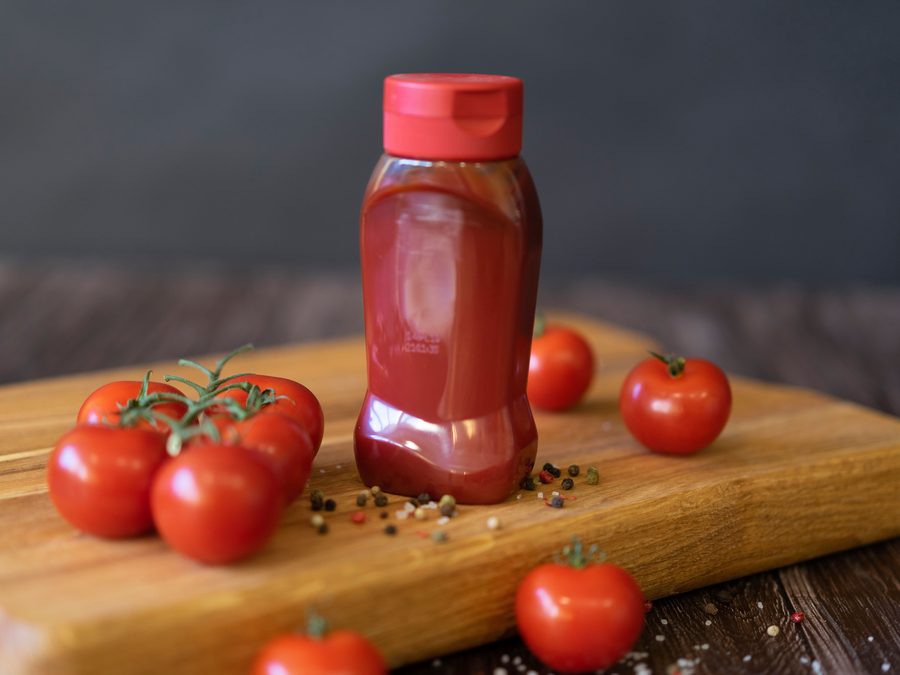
Ketchup
Not before 12 months, and then only a little: ketchup is mostly added sugar and salt, which babies do not need.
Vegetable
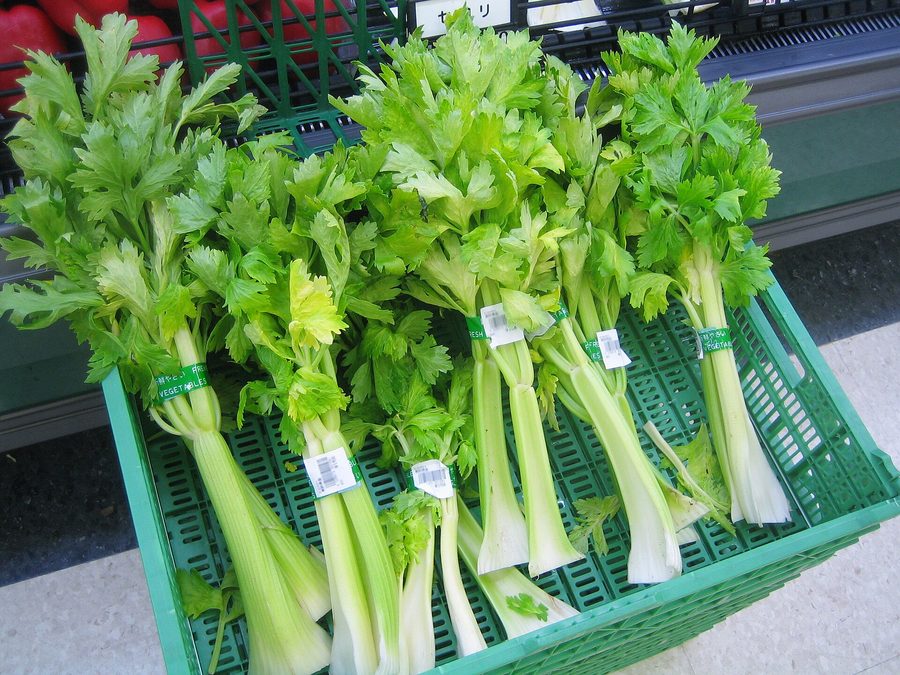
Celery
Stringy and fibrous — a flavour base rather than a finger food.
Herbs & spices
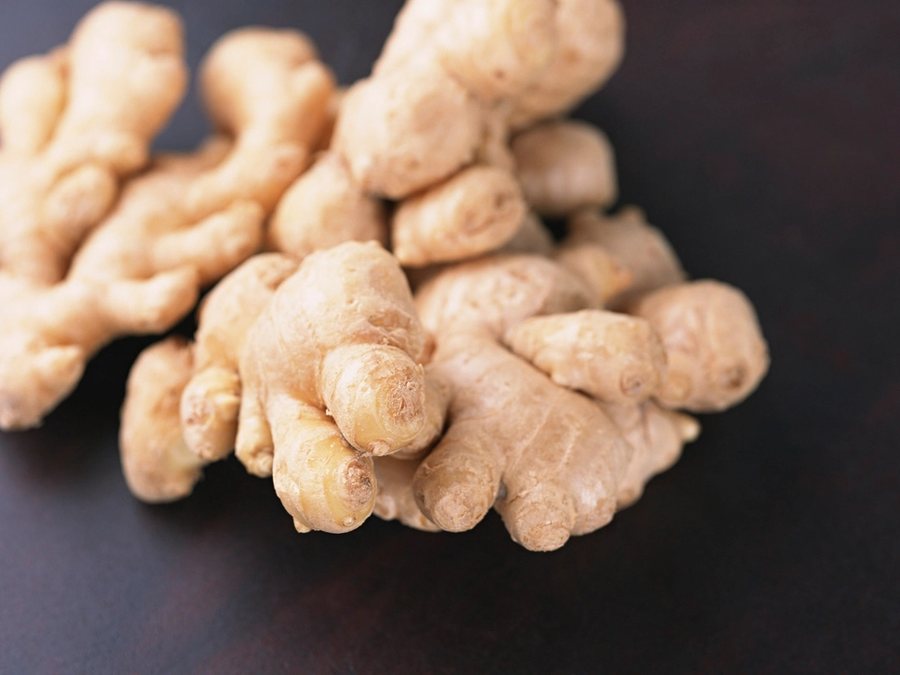
Ginger
Warm rather than hot — a good early spice that is milder cooked than raw.
Wait a while
Honey
Not before 12 months, in any form, including baked. This one is absolute.