 FirstNom
Vegetable
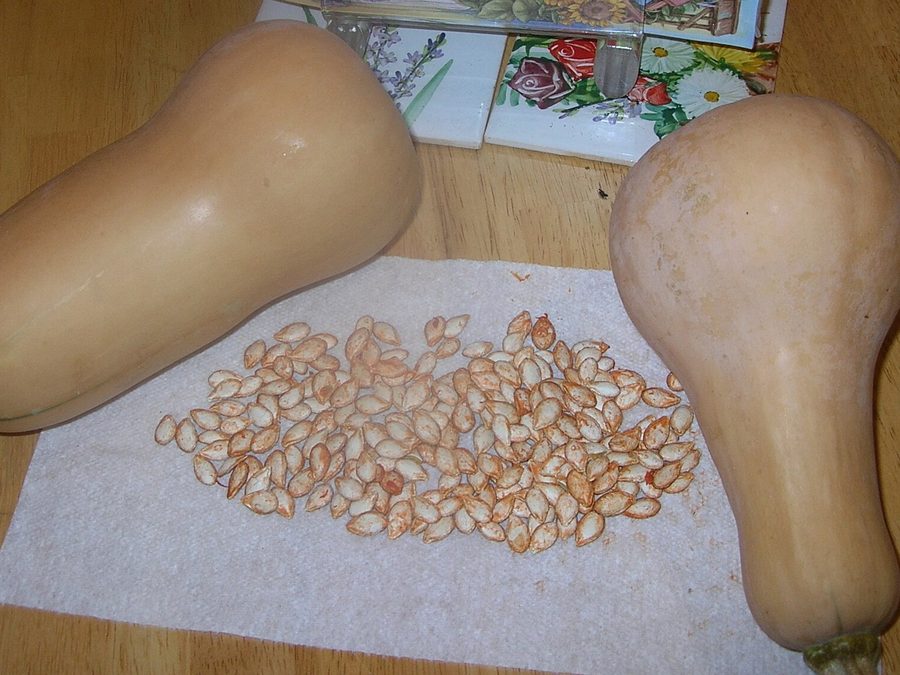
Butternut squash for babies
Butternut squash roasts into a soft, sweet wedge that a 6-month-old can grip without it disintegrating — the practical advantage over most soft vegetables.
When can babies have butternut squash?
From around 6 months. Butternut is one of the easiest vegetables to prepare in bulk — one squash roasted on a Sunday gives you a week of portions — and its sweetness makes it an easy sell alongside less popular greens.
How do you serve butternut squash to a baby?
The shape is what makes a food safe, and it changes as your baby’s grip and chewing change. Find your baby’s age band.
-
6–8 months
Peel, deseed, cut into finger-length wedges and roast at 200 °C / 400 °F for 25–30 minutes until soft. Serve one wedge at a time.
-
9–11 months
Soft roasted cubes about 1 cm, or continue with wedges.
-
12–18 months
Cubes, mash, squash soup (unsalted), or blended into pasta sauce — it thickens a sauce nicely and adds sweetness.
-
18–24 months
Family portions: roasted, in risotto, in soup. Still no added salt if you can help it.
Prep tip
Roast the whole squash halved and cut-side down rather than peeling and cubing it raw — the flesh scoops straight out and you skip the hardest part of the prep.
Storage
Whole squash keeps for weeks somewhere cool. Cooked squash keeps three days refrigerated and freezes very well as purée or cubes.
Is butternut squash a choking hazard for babies?
Low risk once cooked through. Raw or undercooked squash is dense and hard and should not be offered. The skin is tough and should be removed for babies. As always, squash-test a piece before it reaches the tray.
Whatever you serve, stay within arm’s reach, keep your baby upright in a supportive seat, and never let them eat in a moving car, buggy or carrier. Gagging is loud and normal. Choking is silent.
Is butternut squash a common allergen?
Butternut squash is not one of the nine most common food allergens. Any food can trigger a reaction, though, so offer it on its own the first time and watch for hives, vomiting, swelling or a change in breathing over the next two hours.
Is butternut squash healthy for babies?
Like sweet potato, butternut squash is dominated by beta-carotene, giving very high vitamin A. Unlike sweet potato it also carries a useful amount of vitamin C, which helps with iron absorption if you serve it alongside lentils, beans or meat. Roasting deepens the flavour and gives a better texture than boiling.
| Vitamin A | Very high |
|---|---|
| Vitamin C | High |
| Fibre | Good source |
| Potassium | Good source |
| Magnesium | Some |
| Iron per serving | ~0.4 mg |
Common questions about butternut squash
Butternut squash or pumpkin?
Nutritionally very similar and interchangeable in every recipe. Butternut is denser and sweeter, which usually makes it the easier one for a first taste.
Can I use frozen butternut squash?
Yes. Frozen cubes are picked ripe and are just as nutritious. Roast them from frozen rather than boiling, or you end up with something too wet to hold.
Is squash skin safe?
Butternut skin is edible when well roasted but it stays tough enough that it is not worth the risk for a baby. Peel it until at least 12 months.
Reference material
Guidance on this page follows the sources listed below.
Foods parents look at next
Vegetable
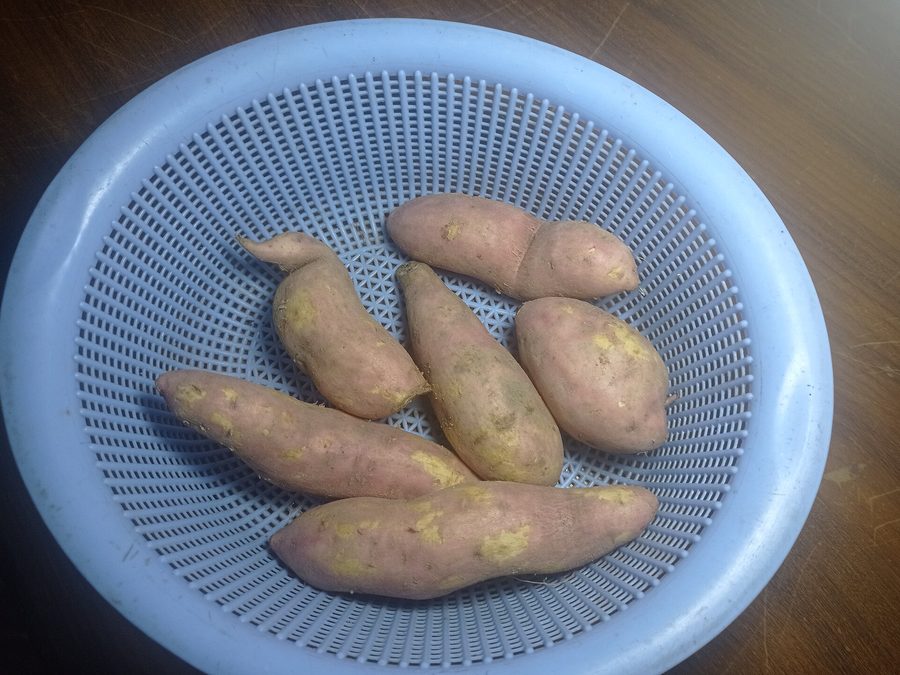
Sweet potato
Roasts to a soft, sweet spear that is easy to hold and hard to get wrong.
Vegetable
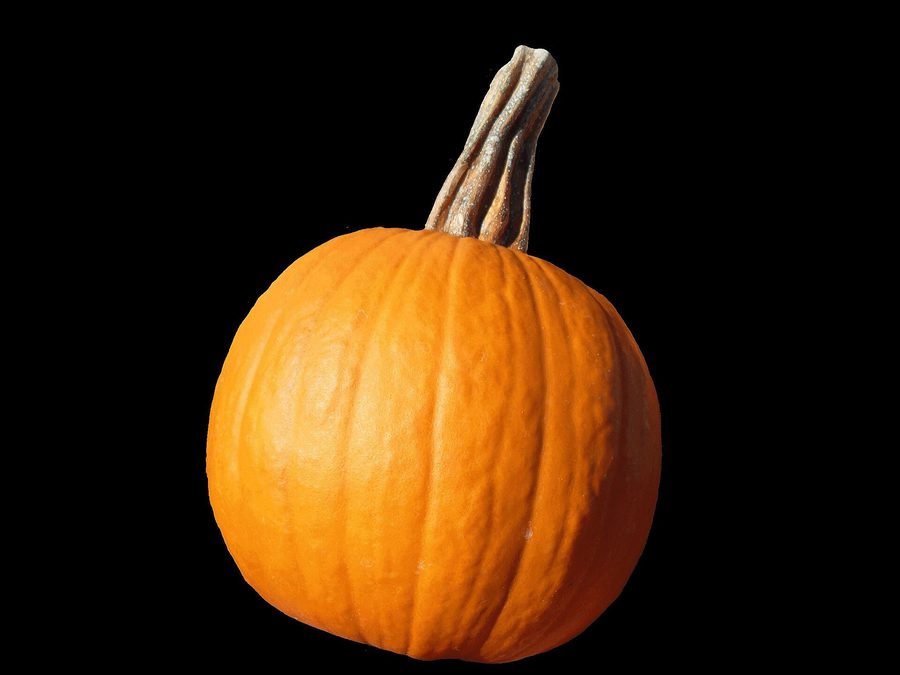
Pumpkin
Vitamin A in bulk — and tinned pumpkin purée is a legitimate shortcut.
Vegetable
Carrot
Safe when cooked soft, one of the highest-risk foods when raw — the shape matters more here than almost anywhere.
Vegetable
Acorn squash
Roast it in halves and scoop — the least prep of any winter squash.