 FirstNom
Dairy & eggs
Butter for babies
Butter is often on parents' mental avoid list and does not need to be. Babies need a high proportion of calories from fat; the thing to watch is salt, not the butter itself.
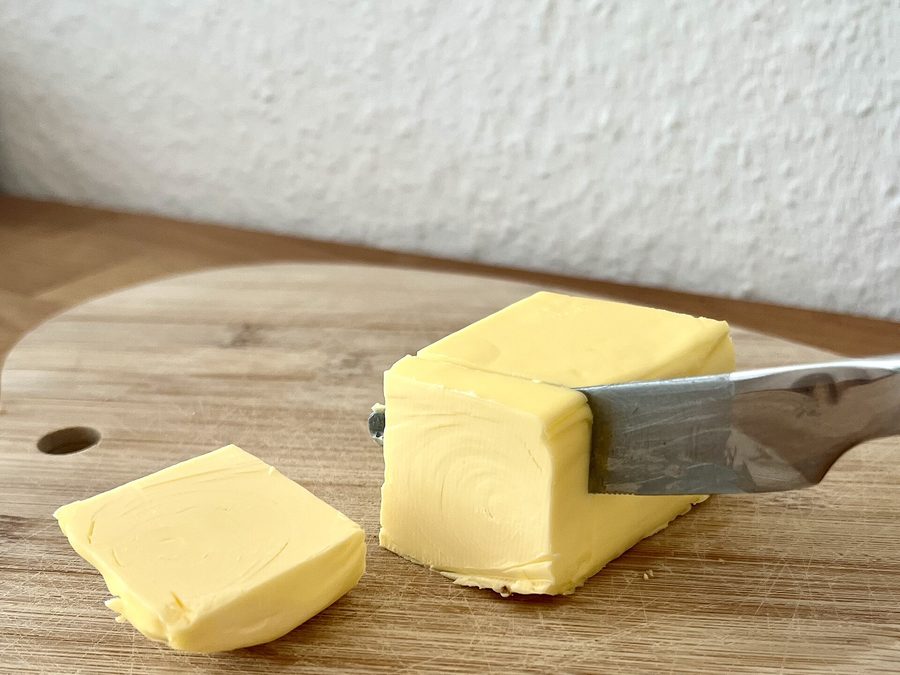
When can babies have butter?
From around 6 months, in cooking. Use unsalted butter for babies — salted butter carries roughly 1.5–2 g of salt per 100 g against a daily limit of under 1 g.
How do you serve butter to a baby?
The shape is what makes a food safe, and it changes as your baby’s grip and chewing change. Find your baby’s age band.
-
6–8 months
A small knob stirred into vegetable mash or porridge. Unsalted.
-
9–11 months
Thinly spread on toast fingers, or in cooking.
-
12–18 months
In cooking and thinly on toast. Unsalted still preferable.
-
18–24 months
As the family uses it, mindful of total salt.
Prep tip
Buy an unsalted block and keep it for the baby's food. It is the simplest way to stop butter quietly using up a day's salt allowance.
Storage
Keeps weeks refrigerated and months frozen.
Is butter a choking hazard for babies?
No choking risk.
Whatever you serve, stay within arm’s reach, keep your baby upright in a supportive seat, and never let them eat in a moving car, buggy or carrier. Gagging is loud and normal. Choking is silent.
Is butter a common allergen?
Butter is a milk product, though it contains very little milk protein — most of it is fat. Children with cow's milk protein allergy often still react, so it is not a safe workaround. Discuss with your pediatrician rather than assuming.
Is butter healthy for babies?
Around half of a baby's calories should come from fat, and a diet of fruit and vegetable purées dilutes that badly. Butter, olive oil and full-fat dairy are how you keep energy density up in small portions. Butter also carries a little vitamin A and D.
| Fat | Very high |
|---|---|
| Vitamin A | Good source |
| Vitamin D | Some |
| Sodium (salted) | High |
| Iron per serving | ~0 mg |
Common questions about butter
Is butter healthy for babies?
In the context of infant feeding, fat is not the enemy — babies need a high-fat diet. The concern with butter is the salt in salted versions, not the fat.
Butter or olive oil?
Both. Olive oil brings unsaturated fats and is the better everyday cooking fat; butter adds flavour and vitamin A. There is no need to choose.
Reference material
Guidance on this page follows the sources listed below.
Foods parents look at next
Other
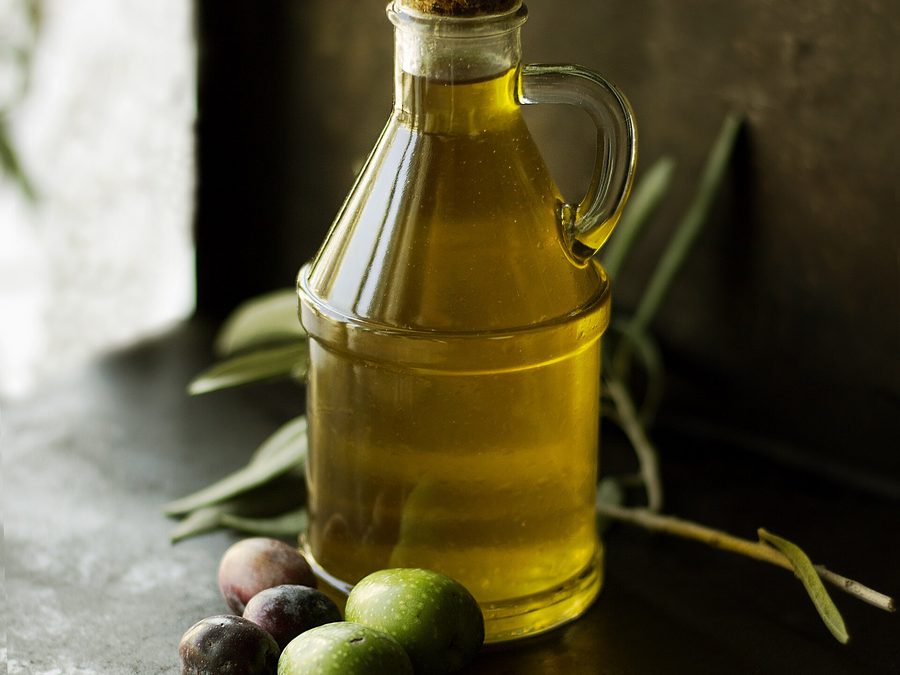
Olive oil
The simplest way to raise the calorie density of a baby's meal.
Dairy & eggs
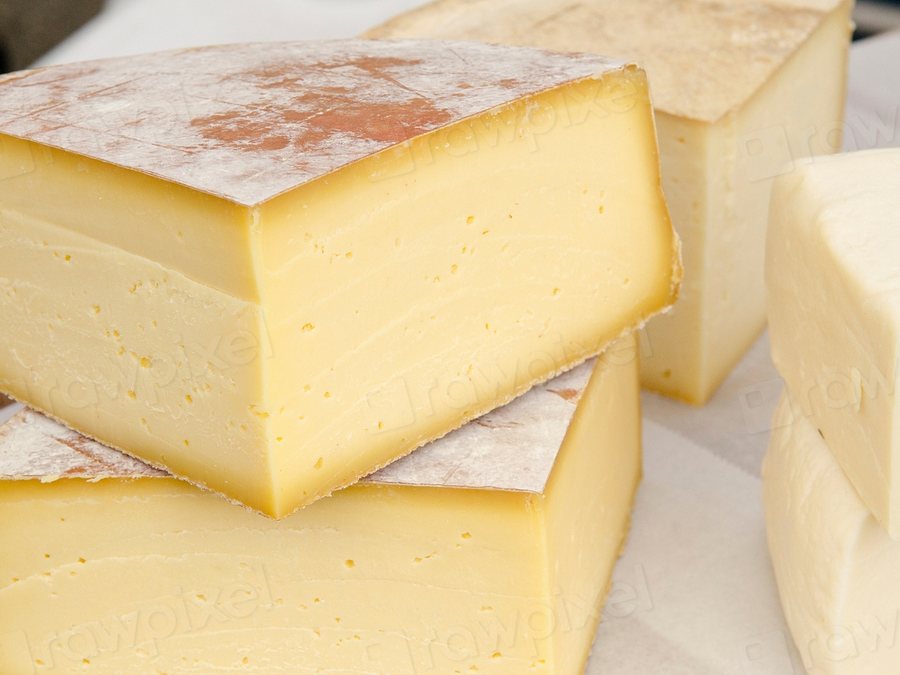
Cheese
Calcium, fat and protein in one — the trick is picking a low-salt one and cutting it right.
Dairy & eggs
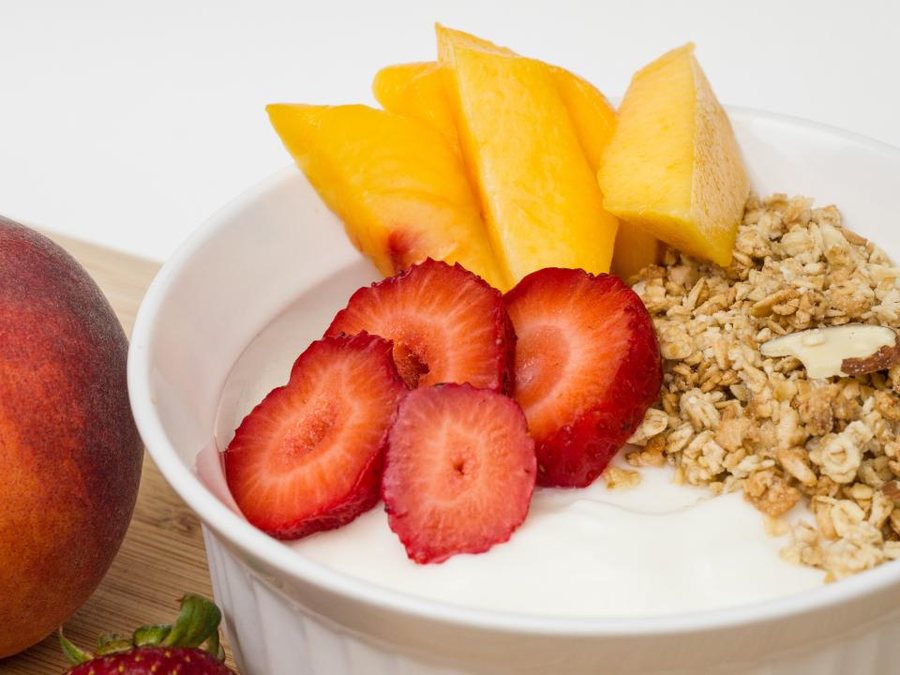
Yogurt
Plain whole-milk yogurt is fine from 6 months — long before cow's milk as a drink.
Dairy & eggs
Cream cheese
Soft, spreadable and lower in salt than hard cheese — a good toast partner.