 FirstNom
Vegetable
Brussels sprouts for babies
Babies are more accepting of bitter vegetables than older children, which makes 6 to 12 months the best window Brussels sprouts will ever get.
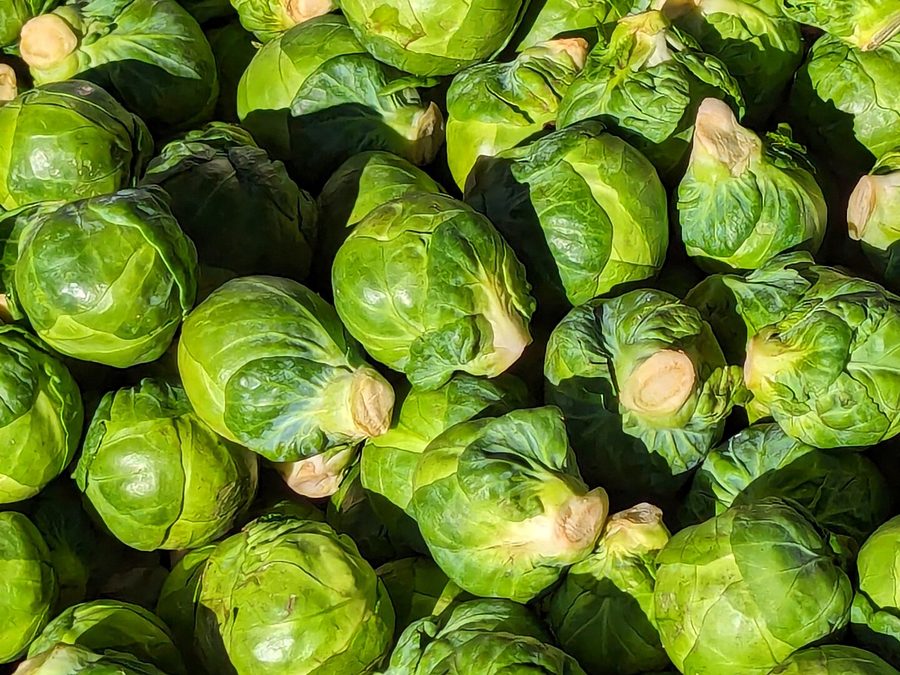
When can babies have brussels sprouts?
From around 6 months, quartered and cooked soft. Taste preferences narrow around the first birthday, so early exposure to bitter vegetables genuinely helps.
How do you serve brussels sprouts to a baby?
The shape is what makes a food safe, and it changes as your baby’s grip and chewing change. Find your baby’s age band.
-
6–8 months
Quarter, roast or steam until completely soft, and chop the cooked pieces small. Mix into mashed potato if they are being rejected.
-
9–11 months
Quartered soft sprouts for the pincer grasp.
-
12–18 months
Halved roasted sprouts, or shredded and sautéed.
-
18–24 months
Family portions, roasted. Never whole.
Prep tip
Roast, do not boil. Roasting at 200 °C until the edges char makes sprouts sweet; boiling makes them sulphurous, which is where the reputation comes from.
Storage
Keeps a week refrigerated. Cooked sprouts keep two days and do not freeze well.
Is brussels sprouts a choking hazard for babies?
A whole sprout is round and firm — quarter or halve them and cook until soft. Individual outer leaves can peel off and bunch in the mouth, so chop cooked sprouts for younger babies.
Whatever you serve, stay within arm’s reach, keep your baby upright in a supportive seat, and never let them eat in a moving car, buggy or carrier. Gagging is loud and normal. Choking is silent.
Is brussels sprouts a common allergen?
Brussels sprouts is not one of the nine most common food allergens. Any food can trigger a reaction, though, so offer it on its own the first time and watch for hives, vomiting, swelling or a change in breathing over the next two hours.
Is brussels sprouts healthy for babies?
Brussels sprouts are very high in vitamin C and vitamin K and carry good folate and fibre. Roasting rather than boiling makes an enormous difference to the flavour — boiled sprouts release the sulphur compounds that give them their reputation.
| Vitamin C | Very high |
|---|---|
| Vitamin K | Very high |
| Folate | High |
| Fibre | High |
| Iron per serving | ~0.5 mg |
Common questions about brussels sprouts
My baby actually likes sprouts. Is that unusual?
Not at all. Bitter sensitivity increases through childhood, so babies often accept sprouts, kale and broccoli more readily than their older siblings. Take advantage of it.
Do sprouts cause wind?
Yes, commonly — raffinose again. It settles as the gut adjusts and is not a reason to avoid them.
Reference material
Guidance on this page follows the sources listed below.
Foods parents look at next
Vegetable
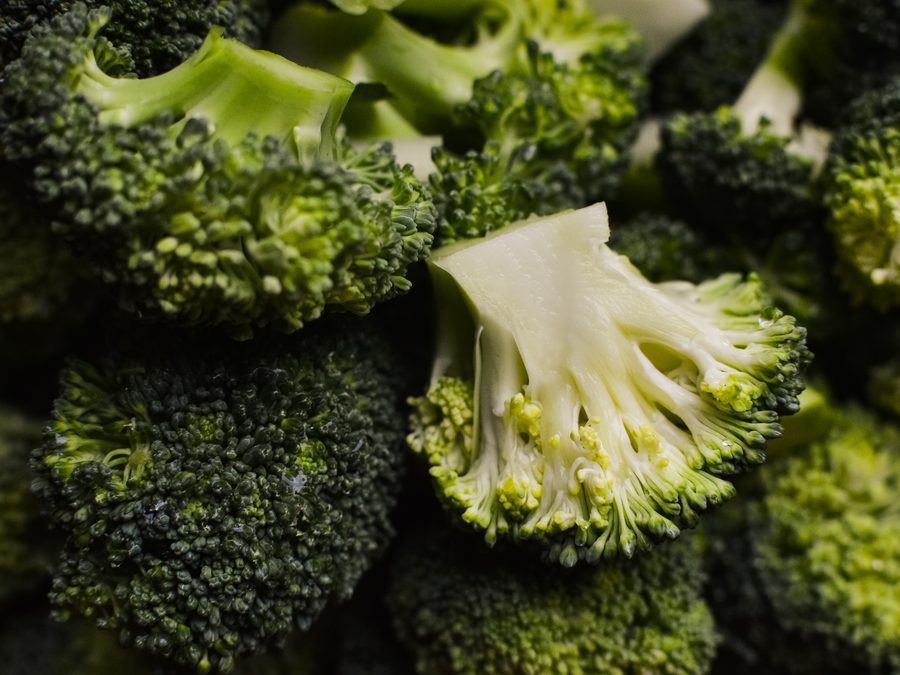
Broccoli
The floret is a built-in handle — one of the easiest green vegetables for a 6-month-old to hold.
Vegetable
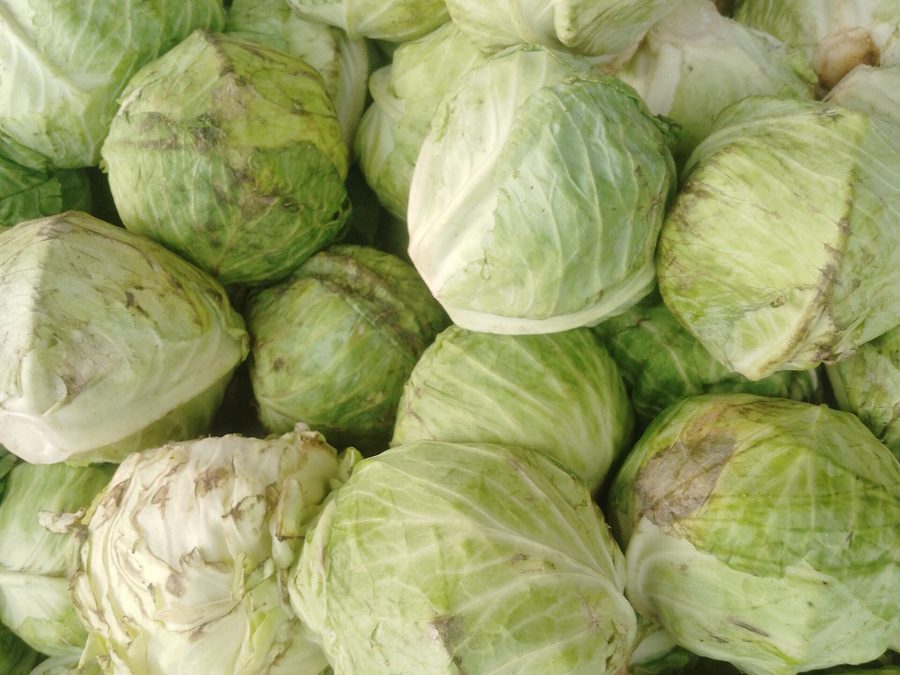
Cabbage
Cheap, keeps forever, and cooks down to a texture a baby can handle.
Vegetable
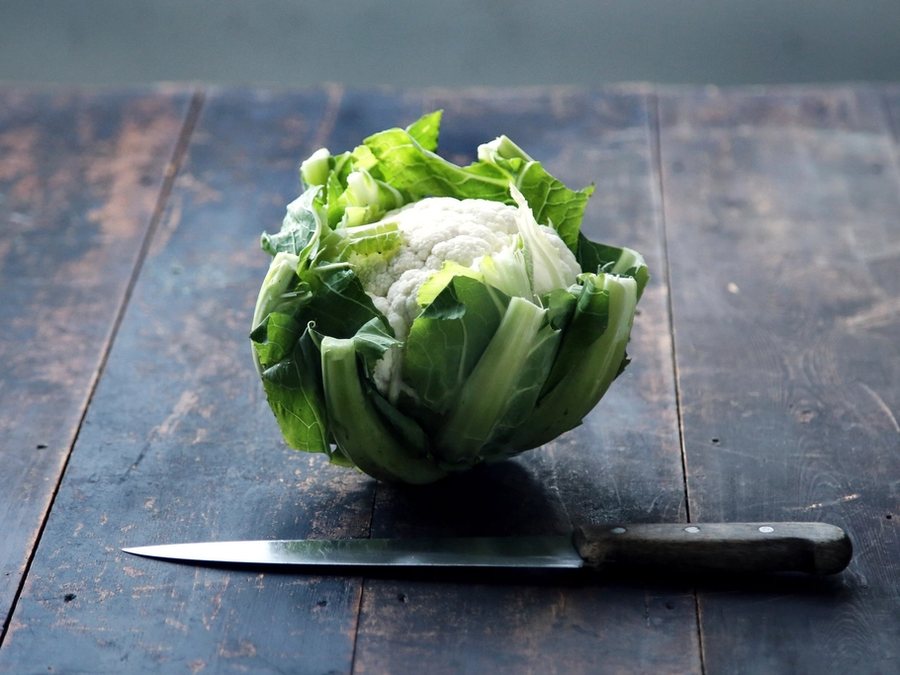
Cauliflower
A steamed floret is a built-in handle — the milder cousin of broccoli.
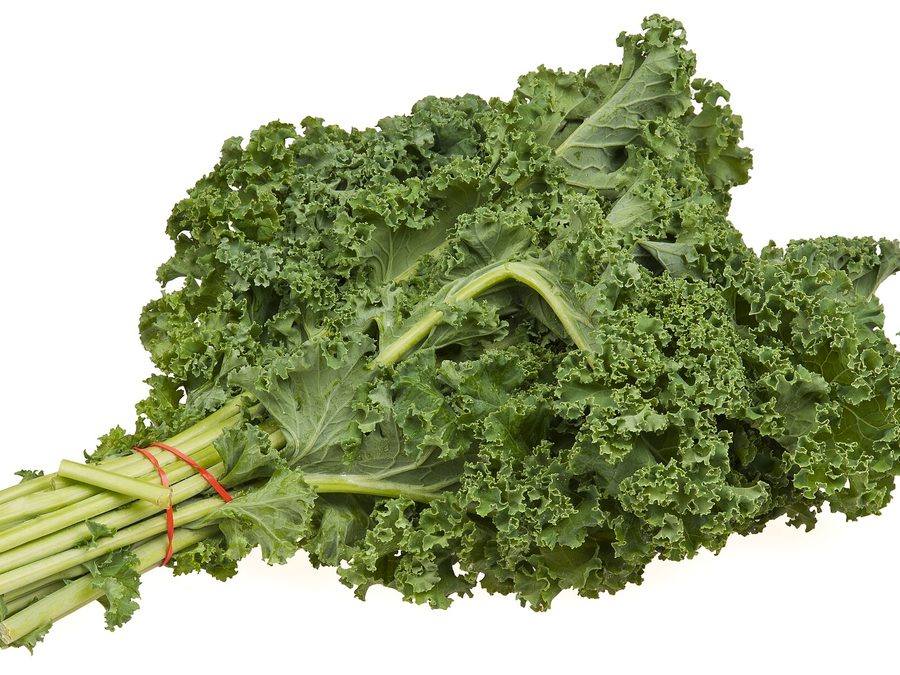
Vegetable
Kale
A dark green with real iron and calcium — and much lower in oxalates than spinach.