 FirstNom
Vegetable
Peas for babies
Peas are the classic pincer-grasp training food, and also the classic 'whole round thing' worth squashing. Flatten them and they go from hazard-shaped to perfect.
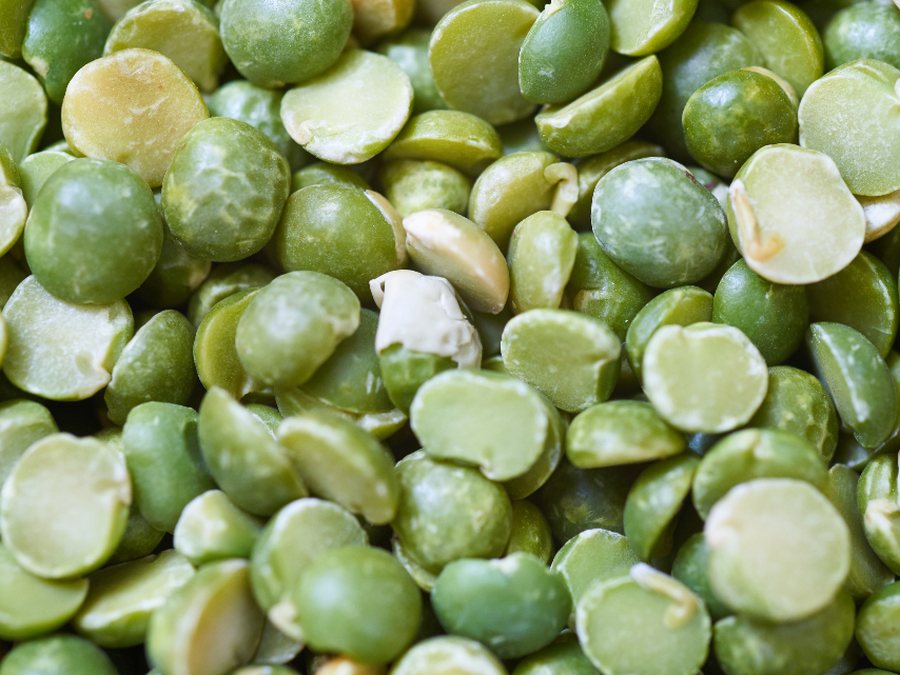
When can babies have peas?
From around 6 months, mashed or squashed. Whole peas come into their own around 9 months when the pincer grasp arrives — picking up individual peas is genuinely good fine-motor practice.
How do you serve peas to a baby?
The shape is what makes a food safe, and it changes as your baby’s grip and chewing change. Find your baby’s age band.
-
6–8 months
Cook until soft, then mash or squash each pea flat. Serve as a mash, or stirred into mashed potato or dal so it can be scooped.
-
9–11 months
Squashed whole peas scattered on the tray — this is prime pincer-grasp practice. Supervise, but let them work at it.
-
12–18 months
Whole cooked peas, in pasta, rice or a fritter. Mushy peas are an easy win.
-
18–24 months
Family portions. Still cook them; raw frozen peas straight from the bag are a hazard.
Prep tip
Squashing peas one by one sounds tedious and takes about thirty seconds for a portion. Press the batch under the flat of a fork and it is faster still.
Storage
Frozen peas are the practical choice — cook only what you need. Cooked peas keep three days refrigerated.
Is peas a choking hazard for babies?
A whole pea is round, firm-skinned and small enough to slip into an airway. Squash each pea flat between your fingers or mash them before serving in the first year — it takes seconds and removes the risk entirely. Frozen peas served frozen are a hard, round hazard; always cook them.
Whatever you serve, stay within arm’s reach, keep your baby upright in a supportive seat, and never let them eat in a moving car, buggy or carrier. Gagging is loud and normal. Choking is silent.
Is peas a common allergen?
Peas is not one of the nine most common food allergens. Any food can trigger a reaction, though, so offer it on its own the first time and watch for hives, vomiting, swelling or a change in breathing over the next two hours.
Is peas healthy for babies?
Peas carry more protein than most vegetables, plus vitamin C, vitamin K and a modest amount of iron. The vitamin C is the useful bit for iron absorption, so peas alongside lentils or beans is a sensible pairing. Frozen peas are frozen within hours of picking and are often higher in vitamin C than 'fresh' peas that have sat in transport.
| Protein | Good source |
|---|---|
| Fibre | High |
| Vitamin C | High |
| Vitamin K | Good source |
| Iron (non-heme) | Good source |
| Iron per serving | ~0.8 mg |
Common questions about peas
Do I have to squash every pea?
In the first year, yes — or mash them. A whole pea is a round, smooth object of roughly airway diameter, which is the profile that appears in choking data. It is a small effort for a real reduction in risk.
Frozen or fresh peas?
Frozen, almost always. They are frozen within hours of picking and hold vitamin C better than peas that have travelled. They are also cheaper and always available.
Whole peas keep coming out in the nappy.
Common and harmless. Skins pass through undigested, especially before molars arrive. The nutrition inside is still absorbed.
Reference material
Guidance on this page follows the sources listed below.
Foods parents look at next
Vegetable
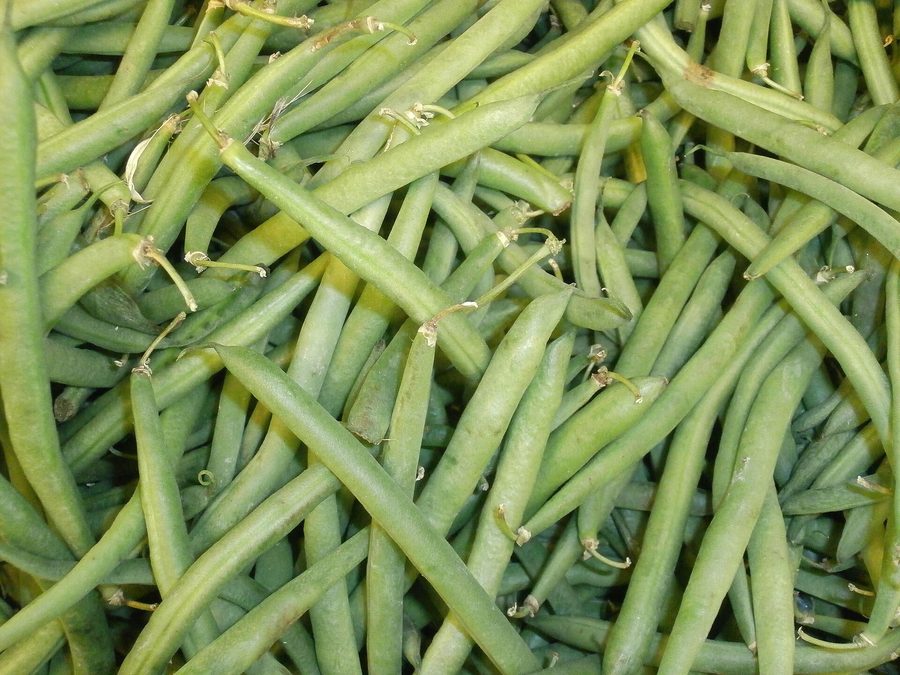
Green beans
A ready-made baby-sized spear — steam them soft and they need no cutting at all.
Vegetable
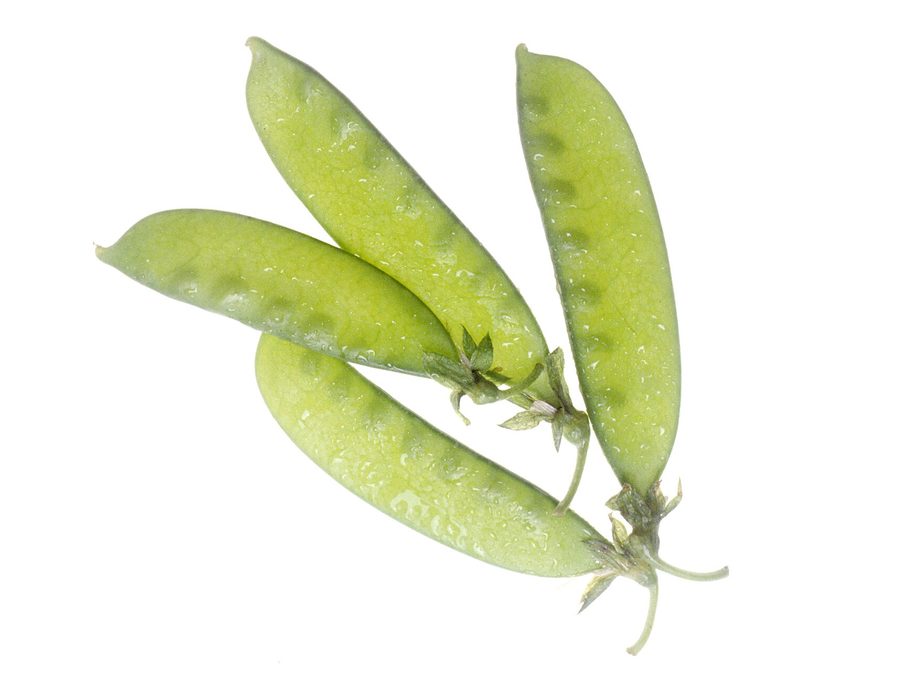
Sugar snap peas
Whole pod and all — steamed soft they make a good spear.
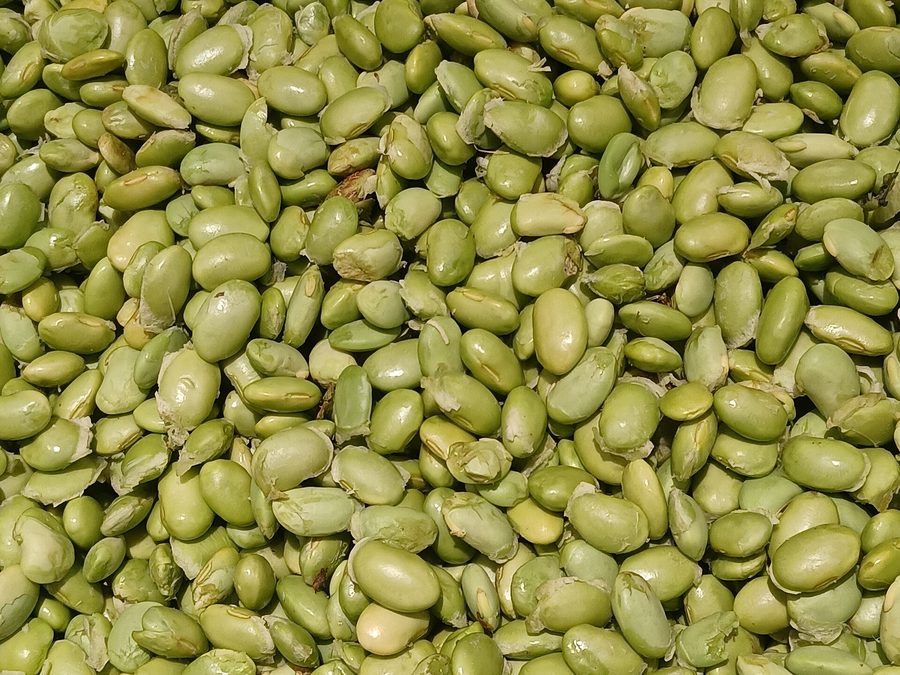
Beans & legumes
Edamame
A whole-food soy introduction — squash the beans and never serve the pod.
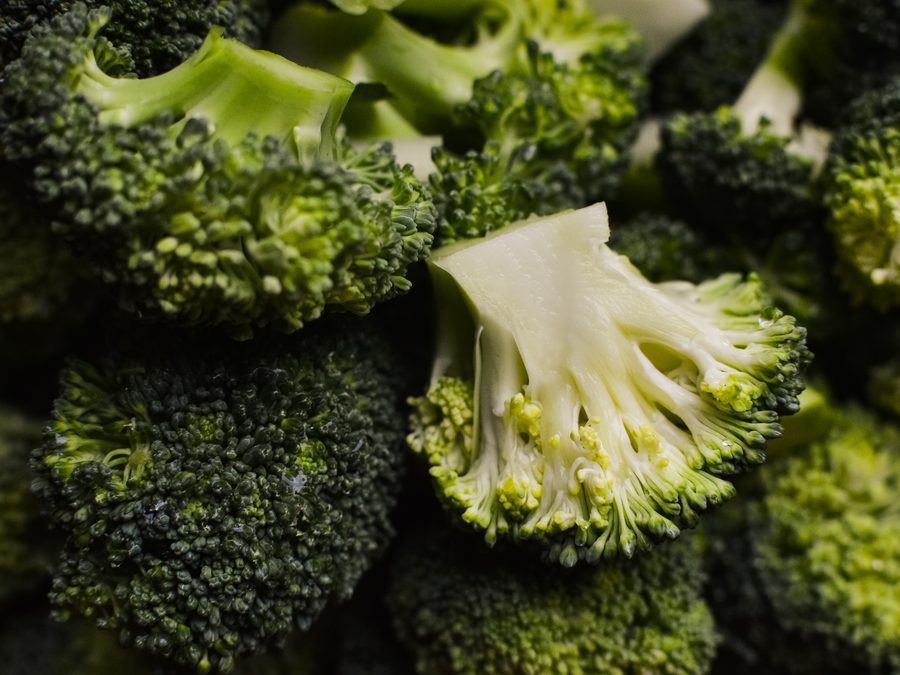
Vegetable
Broccoli
The floret is a built-in handle — one of the easiest green vegetables for a 6-month-old to hold.