 FirstNom
Wait a while
Juice for babies
Babies do not need juice, and the AAP advises none at all before 12 months. After the first birthday a small amount of 100% juice is fine, but whole fruit does everything juice does and more.

When can babies have juice?
Not before 12 months. The AAP advises no fruit juice at all in the first year, and the CDC gives the same advice. Breast milk or infant formula is the main drink, with small sips of water from an open cup at meals from around 6 months. After 12 months, juice is allowed but never needed. If you offer it, choose pasteurised 100% fruit juice and keep it to about 120 ml a day or less until age 3, the AAP limit. Juice drinks and fruit cocktails with added sugar are a different product: the CDC advises no sugar-sweetened drinks at all before age 2.
How do you serve juice to a baby?
The shape is what makes a food safe, and it changes as your baby’s grip and chewing change. Find your baby’s age band.
-
6–8 months
Not yet, in any amount. Breast milk or formula stays the main drink. Offer small sips of water from an open cup at meals, and whole fruit, cut to a safe shape, instead of juice.
-
9–11 months
Still not yet. Keep to milk and water to drink. For fruit flavour, offer soft fruit pieces or stir mashed fruit into plain yogurt or porridge.
-
12–18 months
Optional, not needed. If you offer it, pasteurised 100% fruit juice, about 120 ml a day at most, in an open cup with a meal. Not in a bottle, not at bedtime and not in a cup carried around all day.
-
18–24 months
The same limit of about 120 ml a day applies. Juice is best kept to mealtimes, with water as the everyday drink between meals and whole fruit as the everyday fruit.
-
24 months+
Up to age 3, still about 120 ml a day at most. From 4 to 6 years the AAP limit rises to between 120 and 180 ml a day.
Prep tip
Read the front and the ingredient list. "100% juice" or "pure juice" means only fruit. "Juice drink", "fruit cocktail", "nectar" and "-ade" usually mean added sugar or sweeteners. Avoid fresh-pressed unpasteurised juice from markets and juice bars.
Storage
Keep opened juice in the fridge and use it within the time on the carton. Freshly squeezed juice at home is best drunk the same day.
Is juice a choking hazard for babies?
Choking is not the concern with juice, which is a thin liquid. The real risks are sugar on the teeth, a full tummy that leaves less room for milk and food, and stomach upsets when a toddler drinks a lot of it. The shape that matters here is the cup: an open cup at a meal, not a bottle.
Whatever you serve, stay within arm’s reach, keep your baby upright in a supportive seat, and never let them eat in a moving car, buggy or carrier. Gagging is loud and normal. Choking is silent.
Is juice a common allergen?
Juice is not one of the nine common allergens. Citrus juice often reddens the skin around a baby's mouth, which is irritation from the acid rather than allergy. Smoothies and juice blends can contain milk, yogurt or nut, so read the label if your child has a known food allergy.
Is juice healthy for babies?
Very little that whole fruit does not do better. The AAP states plainly that juice offers no nutritional benefit over whole fruit for babies and young children. Juice keeps the fruit's sugar and some vitamins but leaves most of the fibre behind, and it is easy to drink the sugar of several pieces of fruit in a few gulps. Iron is negligible: according to USDA FoodData Central, 120 ml of unsweetened apple juice carries about 0.1 mg. Orange juice brings vitamin C, which helps the body absorb iron from beans, lentils and fortified cereal, but orange segments on the plate do the same with the fibre intact.
| Sugars | High |
|---|---|
| Fibre | Negligible |
| Vitamin C | Varies (high in orange juice) |
| Iron | Negligible |
| Iron per serving | ~0.1 mg |
Juice or whole fruit?
Whole fruit wins on every count. A few segments of orange give the same vitamin C as a glass of orange juice, with the fibre and without the quick sugar hit, and soft cooked apple gives the apple flavour in a shape your baby can practise eating. For the drinks that do belong in the first year, milk and small sips of water with meals, see your baby’s first week of solids.
How sure is this?
- Guideline. No fruit juice before 12 months, then about 120 ml a day at most up to age 3, per the AAP. The CDC also advises no juice before 12 months.
- Guideline. No sugar-sweetened drinks, which include juice drinks with added sugar, before age 2, per the CDC. The WHO also advises that young children should not have sugar-sweetened drinks.
- Guideline. Serve juice in a cup with a meal, not in a bottle, at bedtime or through the day, and do not give unpasteurised juice, per the AAP.
- Common practice, little evidence. Watering juice down to make a small amount last longer is widely done. It lowers the sugar in each sip, but it has not been studied as a way to protect teeth.
Common questions about juice
My baby had a few sips of juice before 12 months. Is that a problem?
No. A few sips do no harm. The AAP advice is about juice becoming a regular drink, so simply go back to milk and water.
Is 100% juice the same as a juice drink?
No. 100% juice is only fruit, while juice drinks usually add sugar or sweeteners to a smaller share of juice. The CDC advises no sugar-sweetened drinks before age 2, so juice drinks are not a halfway option for a baby.
Can I give my baby juice when they are ill or have diarrhoea?
No. The AAP says juice is not suitable for treating dehydration or diarrhoea, and the sugar can make loose stools worse. Keep offering breast milk or formula, and call your pediatrician if your baby has fewer wet nappies, a dry mouth or is unusually sleepy.
Are smoothies better than juice?
A smoothie made from blended whole fruit keeps more of the fibre, but it is still easy to drink a lot quickly. Before 12 months, offer the blended fruit from a spoon or stirred into yogurt rather than as a drink, and after that treat a drinkable smoothie like juice.
Can I use a squeeze of orange or lemon juice in my baby's food?
Yes. A squeeze over food is a seasoning, not a drink, and the vitamin C helps your baby absorb iron from the same meal. The advice against juice before 12 months is about juice served to drink.
Guides for this food
Reference material
Guidance on this page follows the sources listed below.
Foods parents look at next
Fruit
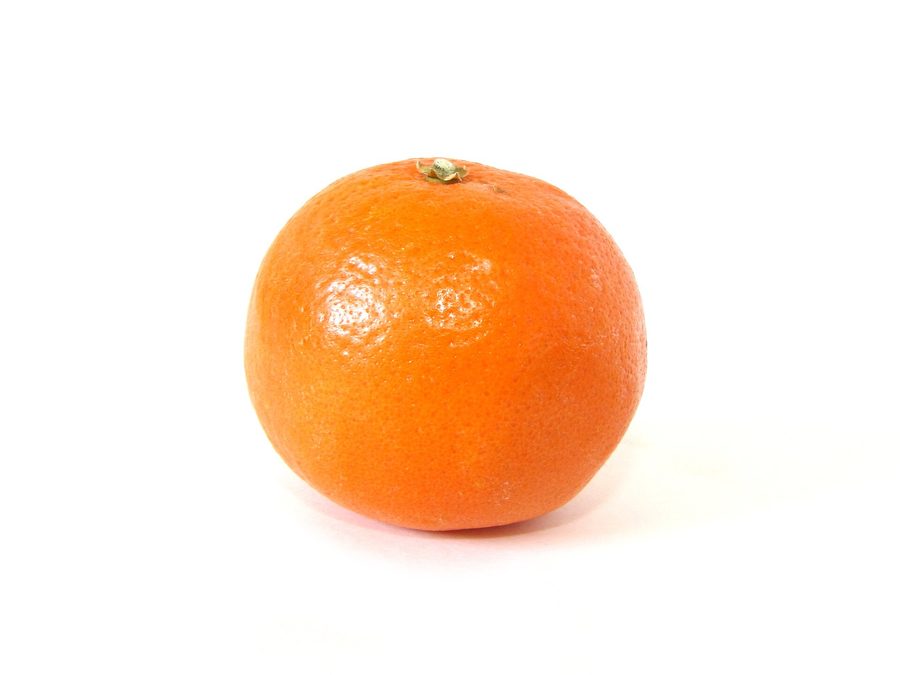
Orange
Vitamin C for iron absorption — segment it, membrane and all removed.
Fruit
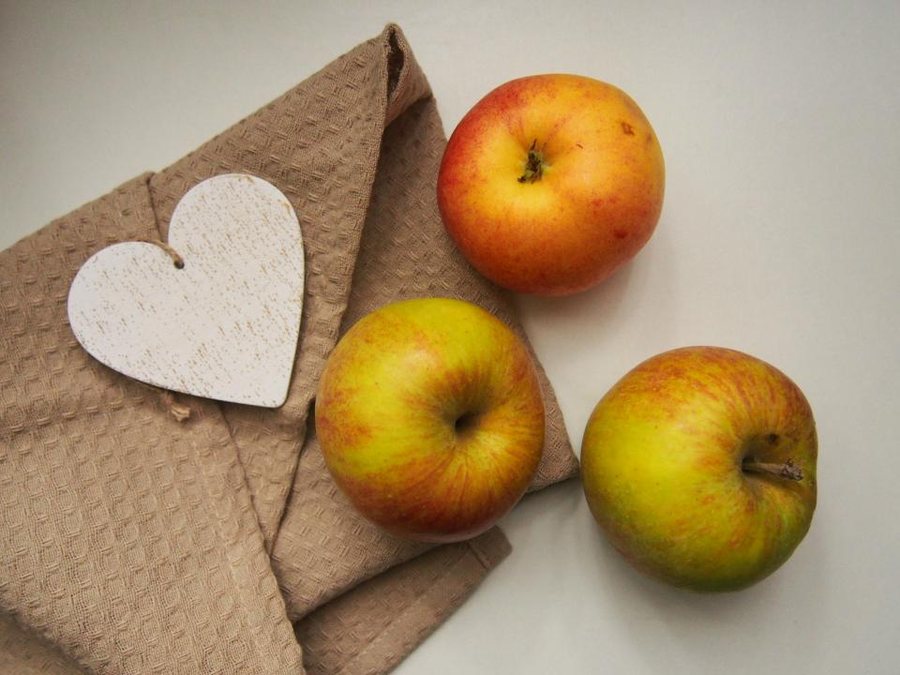
Apple
Cook it, grate it, or purée it — raw apple chunks are a choking hazard until about 4 years.
Fruit
Prune
The most reliable food answer to a constipated baby.
Wait a while
Cow's milk as a drink
Not as a main drink before 12 months — but fine in food from 6 months.