 FirstNom
Fruit
Nectarine for babies
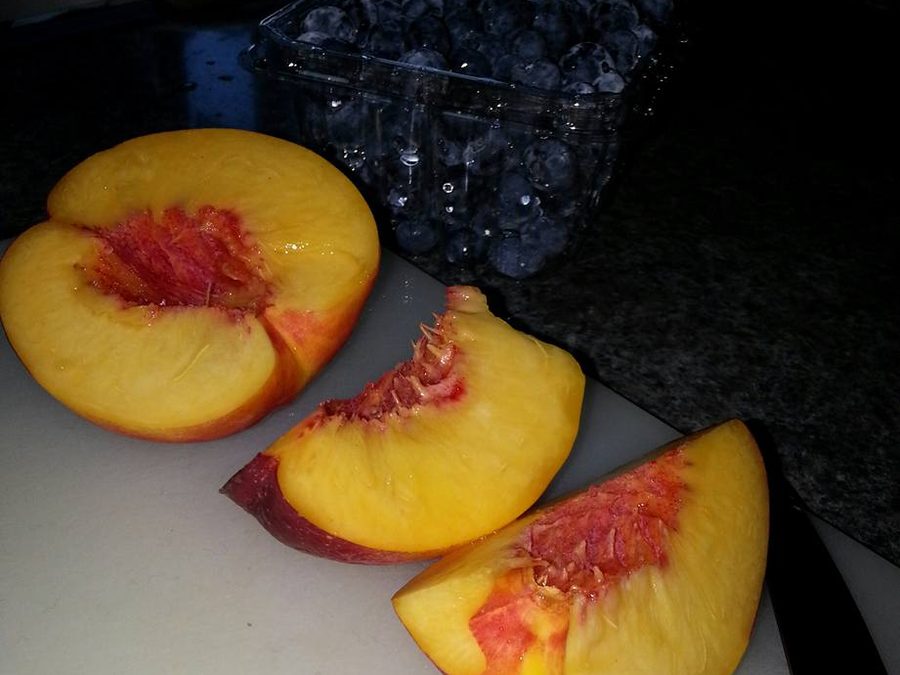
Nectarines are peaches with smooth skin. Ripe, stoned and cut into wedges, they are an easy raw fruit from 6 months.
When can babies have nectarine?
From around 6 months, ripe. Nectarines and peaches are botanically the same species and are interchangeable in every respect that matters here.
How do you serve nectarine to a baby?
The shape is what makes a food safe, and it changes as your baby’s grip and chewing change. Find your baby’s age band.
-
6–8 months
Peel a ripe nectarine, remove the stone, cut into finger-width wedges. Steam firm ones for a few minutes first.
-
9–11 months
Bite-sized pieces of ripe fruit.
-
12–18 months
Wedges or chunks, skin on if soft.
-
18–24 months
Sliced or halved with the stone out.
Prep tip
Ripeness is everything. A nectarine that does not give under gentle pressure will not soften on the plate — leave it another day or cook it.
Storage
Ripen on the counter, then refrigerate for up to five days.
Is nectarine a choking hazard for babies?
Ripe nectarine is soft and low risk; firm nectarine should be cooked. The stone must always be removed. Smooth skin is easier for a baby to manage than peach fuzz but still worth peeling before around 9 months.
Whatever you serve, stay within arm’s reach, keep your baby upright in a supportive seat, and never let them eat in a moving car, buggy or carrier. Gagging is loud and normal. Choking is silent.
Is nectarine a common allergen?
Nectarine is not one of the nine most common food allergens. Any food can trigger a reaction, though, so offer it on its own the first time and watch for hives, vomiting, swelling or a change in breathing over the next two hours.
Is nectarine healthy for babies?
Slightly higher in vitamin A and potassium than peach, with a similar vitamin C content. A useful stone fruit to rotate through so your baby meets a range of flavours in the summer months.
| Vitamin C | Good source |
|---|---|
| Vitamin A | Good source |
| Potassium | Good source |
| Fibre | Good source |
| Iron per serving | ~0.3 mg |
Common questions about nectarine
Peach or nectarine for a first fruit?
No meaningful difference. Nectarine skin is smoother, which some babies prefer; peach flesh is sometimes softer at the same ripeness.
Can babies eat the skin?
From around 9 months, if the fruit is ripe and soft. Before that peel it.
Reference material
Guidance on this page follows the sources listed below.
Foods parents look at next
Fruit
Peach
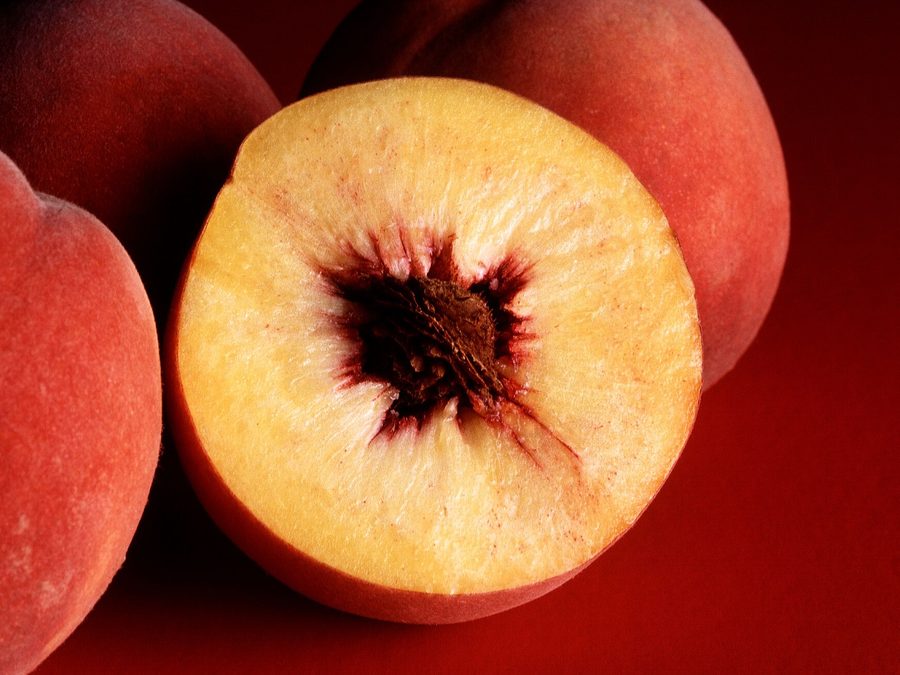
Ripe peach is soft enough to serve raw — and the stone must always come out.
Fruit
Plum
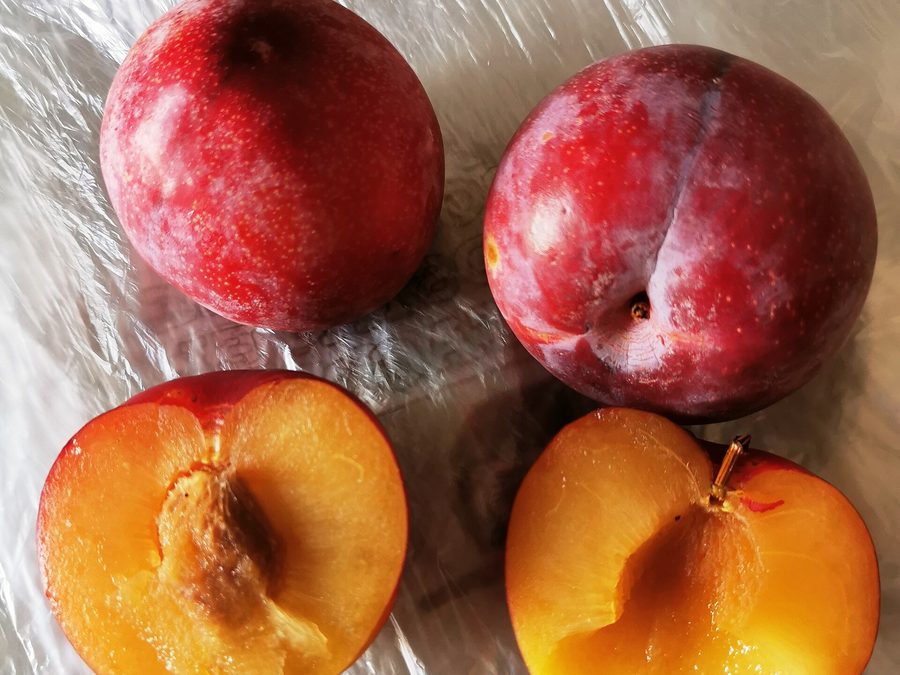
Naturally laxative, reliably soft when ripe — and the stone is not optional.
Fruit
Apricot
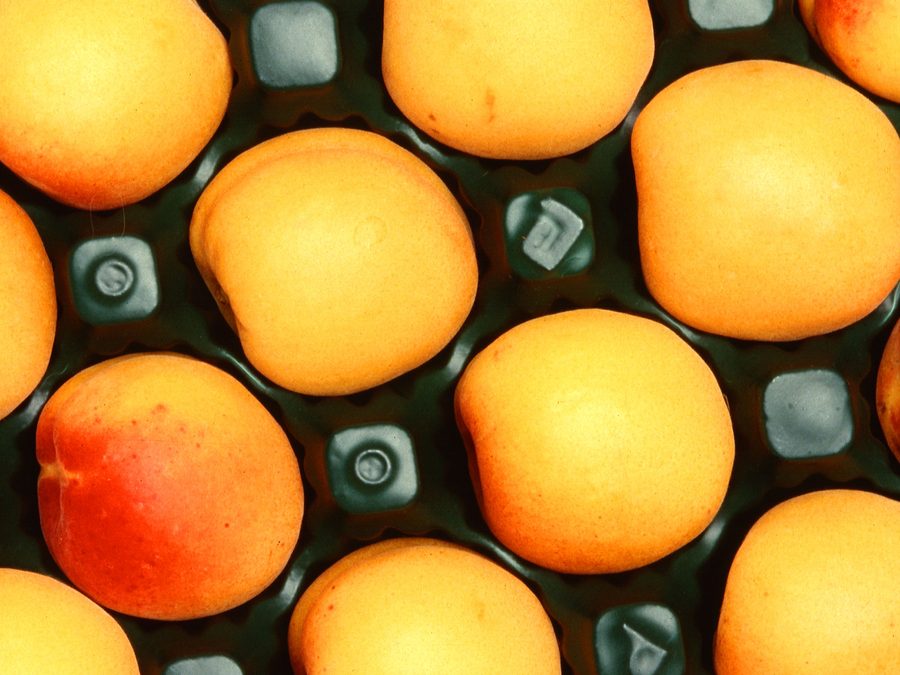
Fresh or dried — and dried apricot is one of the better iron-bearing fruits.
Fruit
Cherry
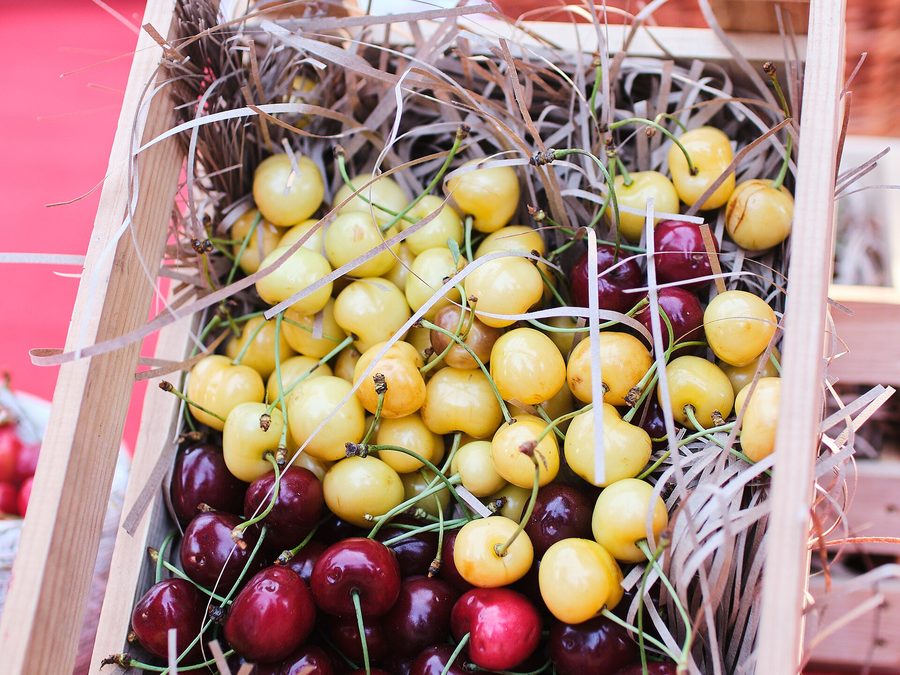
Delicious and firmly in the grape hazard class — pit them and quarter them.