 FirstNom
Vegetable
Parsnip for babies
Parsnip roasts into something noticeably sweeter than carrot, and it goes properly soft — which makes it the easier of the two root vegetables for a beginner.
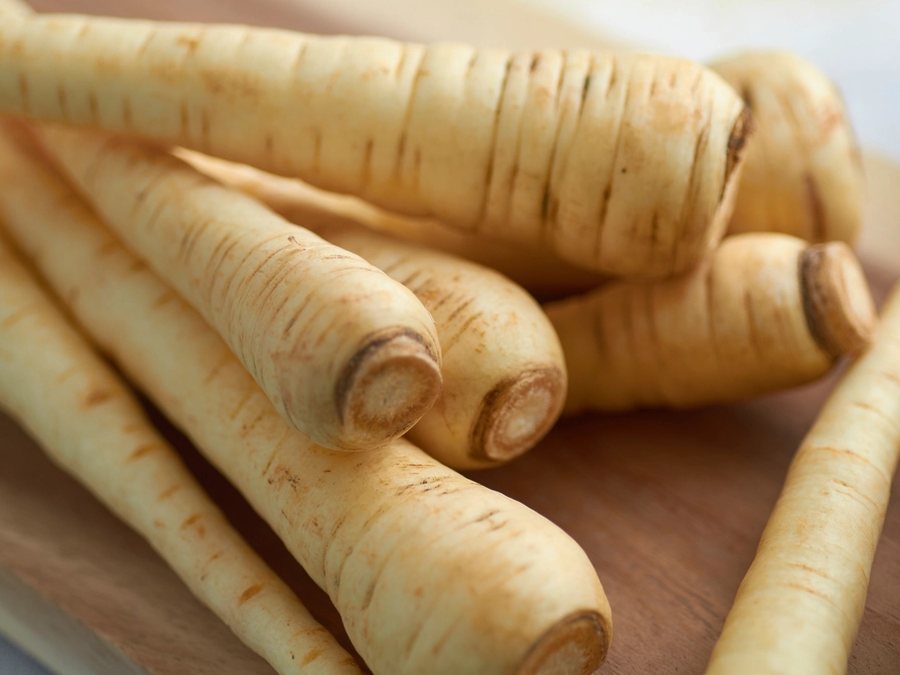
When can babies have parsnip?
From around 6 months, roasted or steamed until soft, with the woody core removed from larger roots.
How do you serve parsnip to a baby?
The shape is what makes a food safe, and it changes as your baby’s grip and chewing change. Find your baby’s age band.
-
6–8 months
Peel, core if large, cut into finger-length batons and roast at 200 °C until soft, around 25 minutes.
-
9–11 months
Soft cubes or continued batons.
-
12–18 months
Roasted batons, mash, or in soup. Parsnip crisps are too hard and salty.
-
18–24 months
Family portions, cooked.
Prep tip
Cut out the woody core of any parsnip thicker than about 4 cm. It stays firm through roasting and is unpleasant to chew.
Storage
Keeps two weeks refrigerated. Cooked parsnip keeps three days and freezes well as mash.
Is parsnip a choking hazard for babies?
Cooked parsnip is soft and low risk; raw parsnip is hard and should not be given. The woody core of a large parsnip stays firm even after cooking — cut it out. Cut lengthways into batons, never coins.
Whatever you serve, stay within arm’s reach, keep your baby upright in a supportive seat, and never let them eat in a moving car, buggy or carrier. Gagging is loud and normal. Choking is silent.
Is parsnip a common allergen?
Parsnip is not one of the nine most common food allergens. Any food can trigger a reaction, though, so offer it on its own the first time and watch for hives, vomiting, swelling or a change in breathing over the next two hours.
Is parsnip healthy for babies?
Parsnip carries more fibre than carrot and a useful amount of folate and vitamin C. Roasting caramelises its sugars, which makes it one of the more readily accepted vegetables among babies who are getting choosy.
| Fibre | High |
|---|---|
| Folate | Good source |
| Vitamin C | Good source |
| Potassium | Good source |
| Manganese | Good source |
| Iron per serving | ~0.4 mg |
Common questions about parsnip
Parsnip or carrot first?
Either. Parsnip goes softer when cooked and is sweeter roasted, which makes it slightly easier. Carrot carries much more vitamin A.
Can babies have raw parsnip?
No. Raw parsnip is hard and fibrous — the same hazard class as raw carrot. Cook it.
Reference material
Guidance on this page follows the sources listed below.
Foods parents look at next
Vegetable
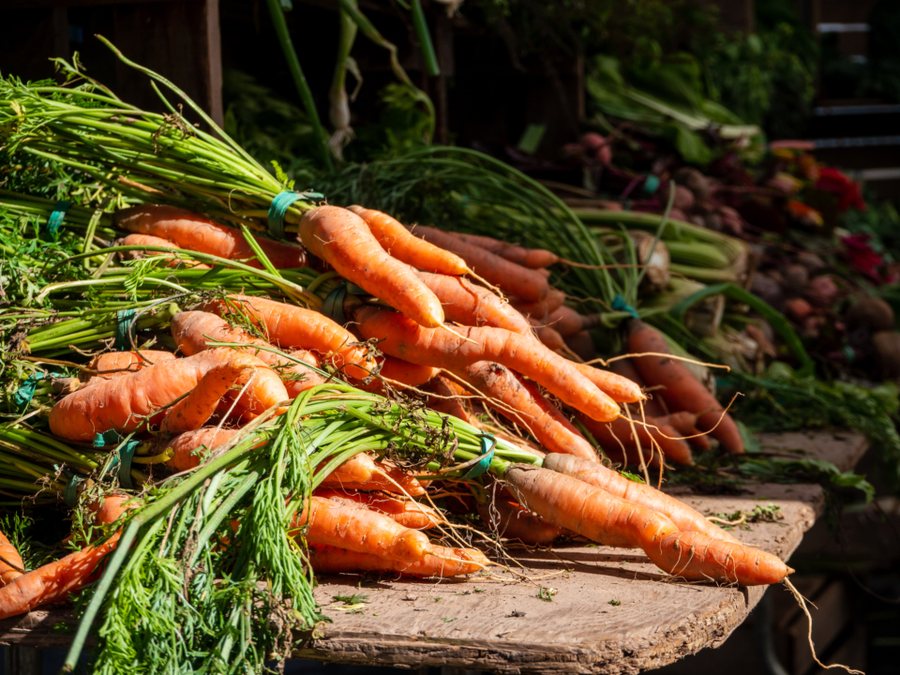
Carrot
Safe when cooked soft, one of the highest-risk foods when raw — the shape matters more here than almost anywhere.
Vegetable
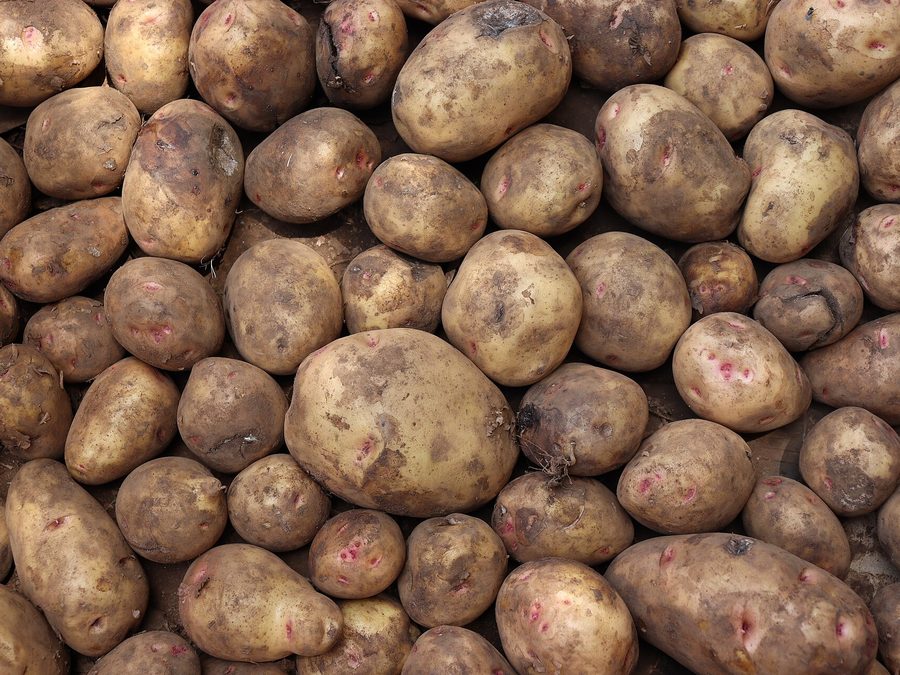
Potato
Mash it, roast it, or hand over a soft wedge — the most forgiving vegetable there is.
Vegetable
Sweet potato
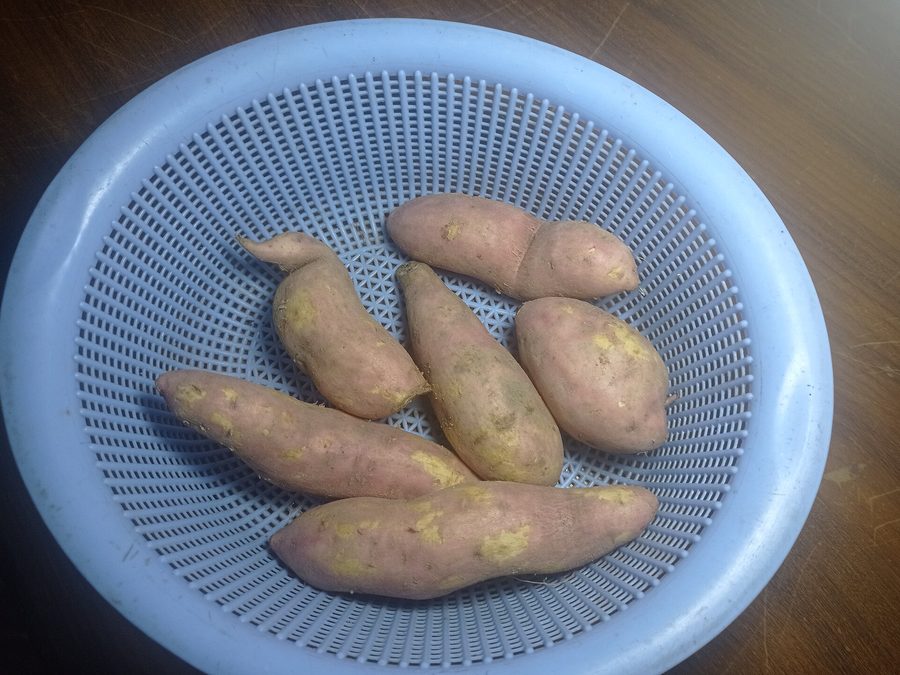
Roasts to a soft, sweet spear that is easy to hold and hard to get wrong.
Vegetable
Turnip
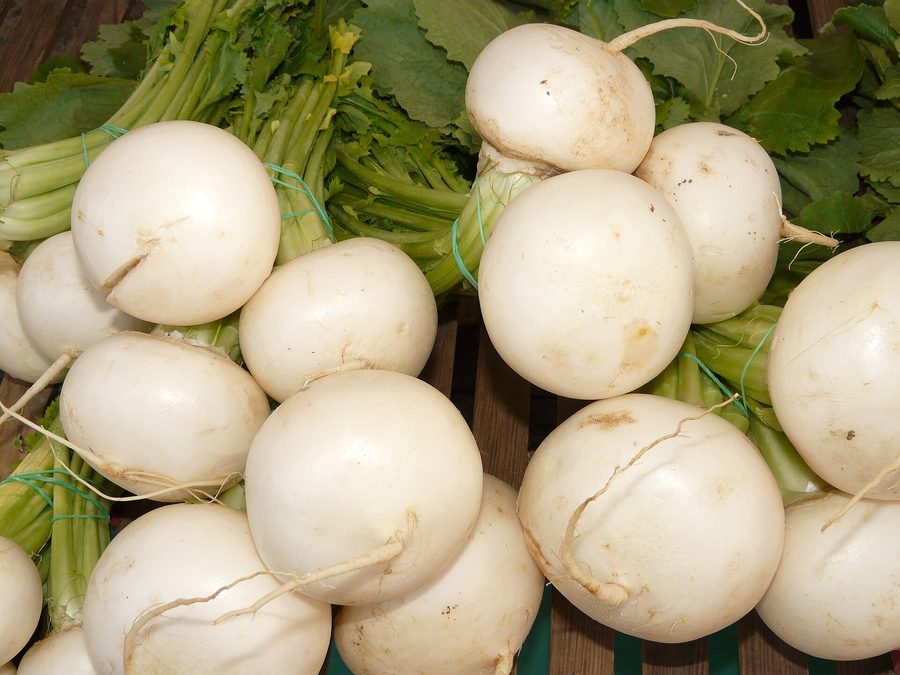
Mild, cheap, and it mashes as smoothly as potato.