 FirstNom
Vegetable
Corn for babies
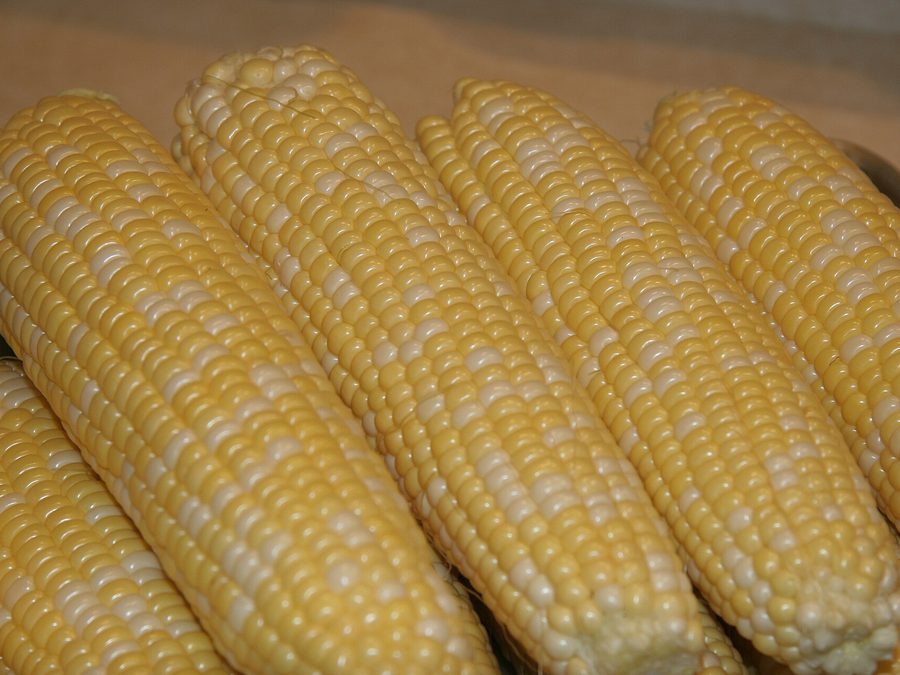
Corn splits into two different foods for a baby: loose kernels, which need squashing, and a section of cob, which is a brilliant thing to hand a 6-month-old.
When can babies have corn?
From around 6 months. Corn on the cob, cut into sections, is one of the classic baby-led weaning foods precisely because the shape works so well.
How do you serve corn to a baby?
The shape is what makes a food safe, and it changes as your baby’s grip and chewing change. Find your baby’s age band.
-
6–8 months
Cook a cob, cut it into sections about 5 cm long, and hand one over. Your baby scrapes and gnaws; kernels mostly stay on. Loose kernels should be squashed or mashed.
-
9–11 months
Cob sections, or squashed kernels for the pincer grasp.
-
12–18 months
Cob sections, or whole kernels once your child is chewing well.
-
24 months+
Whole kernels loose. Popcorn from around 4 years at the earliest.
Prep tip
A 5 cm section of cooked cob is one of the best value-for-effort foods in the whole database — no cutting, no shaping, and it keeps a baby occupied for ten minutes.
Storage
Cooked corn keeps three days refrigerated. Frozen sweetcorn is picked and frozen fast and is nutritionally solid.
Is corn a choking hazard for babies?
Individual kernels are small, round and firm-skinned and should be squashed flat or mashed in the first year. A section of cooked corn on the cob is a different matter — the cob acts as a handle and the baby scrapes kernels off with their gums, which is safe and excellent practice. Never give popcorn to a child under 4.
Whatever you serve, stay within arm’s reach, keep your baby upright in a supportive seat, and never let them eat in a moving car, buggy or carrier. Gagging is loud and normal. Choking is silent.
Is corn a common allergen?
Corn is not one of the nine most common food allergens. Any food can trigger a reaction, though, so offer it on its own the first time and watch for hives, vomiting, swelling or a change in breathing over the next two hours.
Is corn healthy for babies?
Corn brings fibre, B vitamins and lutein. Nutritionally it is unremarkable, but the cob section is one of the most useful shapes in early self-feeding — it teaches biting and scraping in a way few foods do.
| Fibre | Good source |
|---|---|
| Vitamin B1 | Good source |
| Folate | Good source |
| Lutein | High |
| Iron per serving | ~0.4 mg |
Common questions about corn
Whole kernels keep appearing in the nappy.
Completely normal. The outer hull of a corn kernel is cellulose and passes through undigested, especially before molars. The starch inside is still absorbed.
Can babies have popcorn?
No. Popcorn is on every choking-hazard list — light, irregular and easily inhaled, with hard unpopped kernels mixed in. Not before 4 years.
Reference material
Guidance on this page follows the sources listed below.
Foods parents look at next
Vegetable
Peas
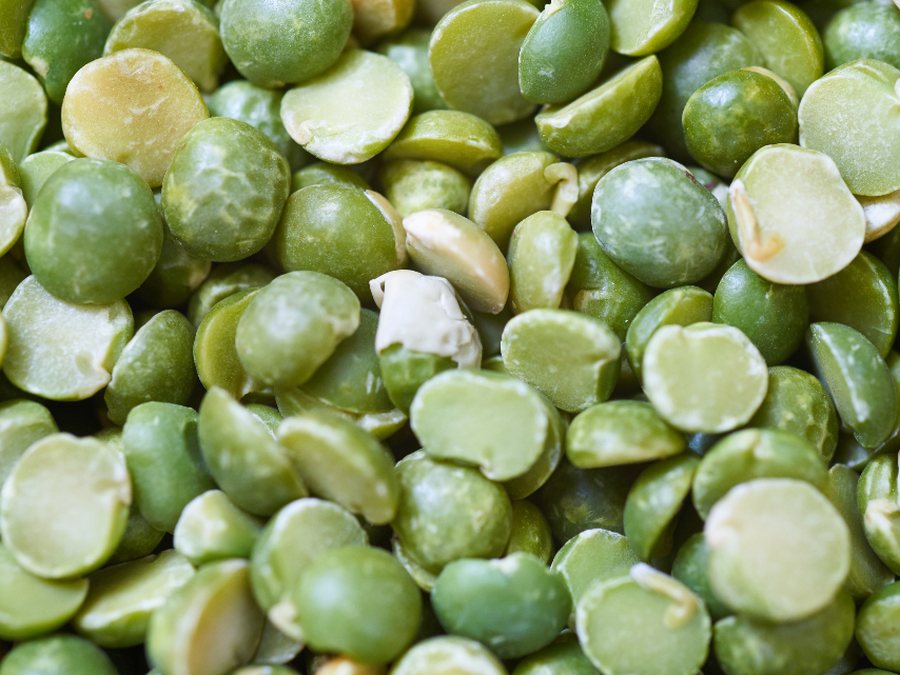
Round, small and slippery — squash them flat and they become one of the best pincer-grasp foods.
Wait a while
Popcorn
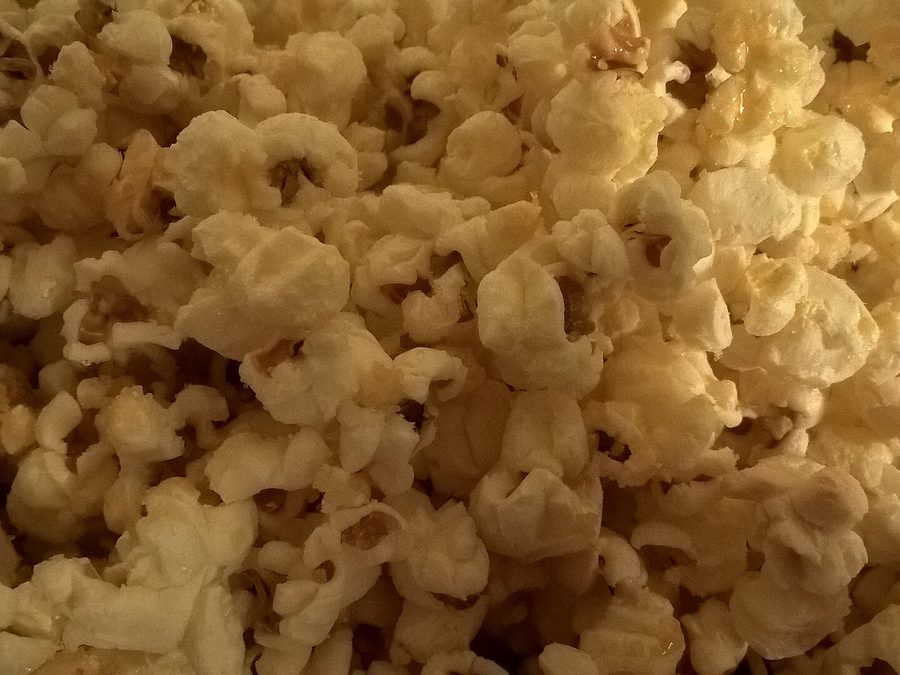
One of the highest-risk foods for young children. Not before 4 years.
Grains
Polenta
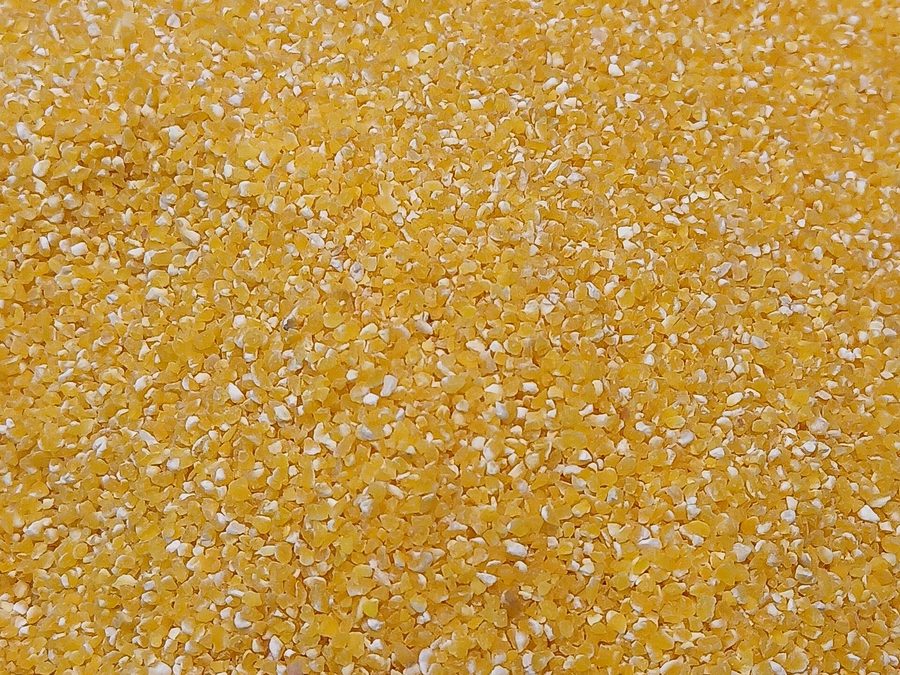
A soft porridge or a firm slice — one grain, two very different baby foods.
Vegetable
Green beans
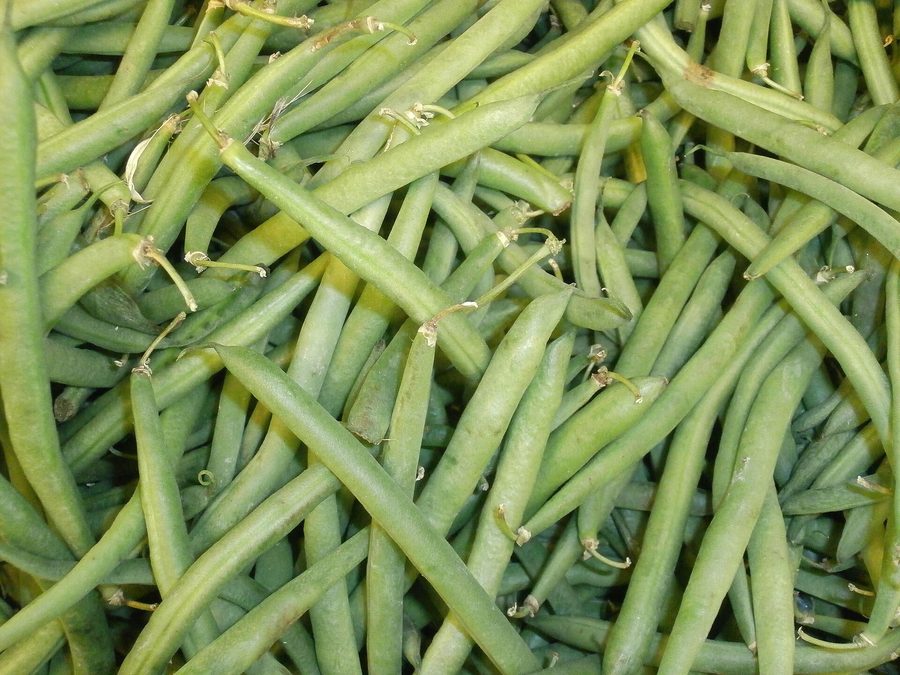
A ready-made baby-sized spear — steam them soft and they need no cutting at all.