 FirstNom
Vegetable
Mushroom for babies
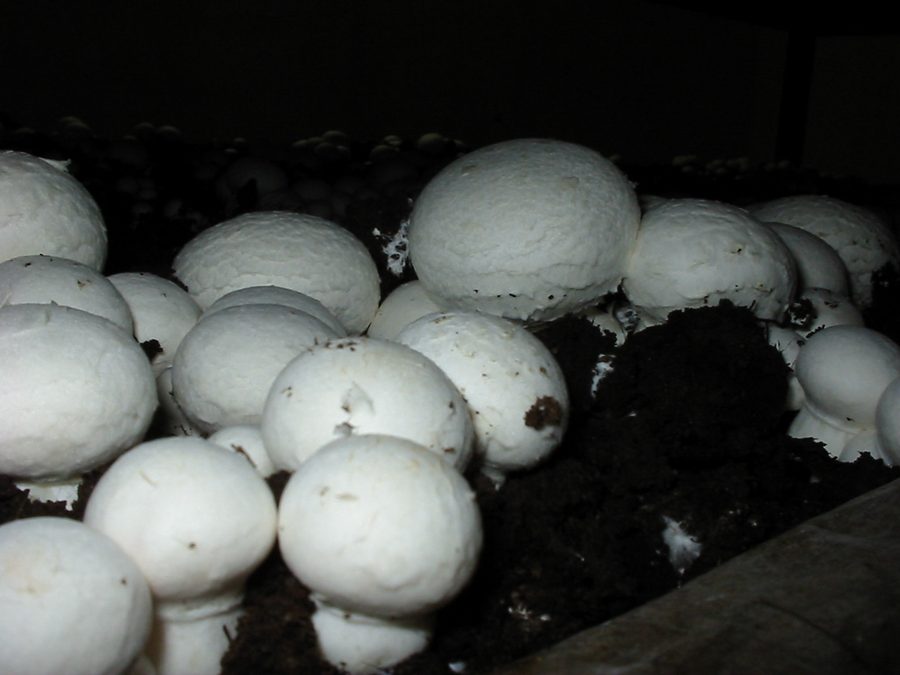
Mushrooms are an unusual vegetable: they can supply vitamin D, which almost nothing else in the vegetable aisle does. Cook them thoroughly and chop them small.
When can babies have mushroom?
From around 6 months, thoroughly cooked and finely chopped. Buy cultivated mushrooms only.
How do you serve mushroom to a baby?
The shape is what makes a food safe, and it changes as your baby’s grip and chewing change. Find your baby’s age band.
-
6–8 months
Cook thoroughly and chop very finely, then mix into a sauce, scrambled egg or mince so the pieces are bound.
-
9–11 months
Finely chopped cooked mushroom in mixed dishes.
-
12–18 months
Chopped cooked mushroom, in risotto, sauces or omelettes.
-
18–24 months
Sliced cooked mushroom. Still no raw mushroom.
Prep tip
Leaving sliced mushrooms in direct sunlight for 15–30 minutes measurably raises their vitamin D. It sounds like a folk remedy and it is well documented.
Storage
Store in paper, not plastic — plastic traps moisture and they go slimy. Use within four days.
Is mushroom a choking hazard for babies?
Cooked mushroom is soft but rubbery and slippery, and whole mushroom caps or large slices can be difficult for a baby to break down. Chop cooked mushrooms finely for the first year. Never serve raw mushrooms to a baby, and never forage without expert identification.
Whatever you serve, stay within arm’s reach, keep your baby upright in a supportive seat, and never let them eat in a moving car, buggy or carrier. Gagging is loud and normal. Choking is silent.
Is mushroom a common allergen?
Mushroom is not one of the nine most common food allergens. Any food can trigger a reaction, though, so offer it on its own the first time and watch for hives, vomiting, swelling or a change in breathing over the next two hours.
Is mushroom healthy for babies?
Mushrooms exposed to ultraviolet light — either sunlight or a commercial UV process — produce vitamin D2, making them one of the very few plant sources. Look for packs labelled 'vitamin D' or 'UV-exposed'; ordinary mushrooms grown in the dark contain almost none. They also bring B vitamins, selenium and copper, and a savoury depth that makes vegetables more appealing.
| Vitamin D (UV-exposed) | High |
|---|---|
| B vitamins | Good source |
| Selenium | Good source |
| Copper | Good source |
| Iron per serving | ~0.3 mg |
Common questions about mushroom
Can babies eat raw mushrooms?
No. Raw mushrooms are tough, hard to digest and a poor texture for a baby. Cook them thoroughly.
Are wild mushrooms safe?
Never for a baby, unless commercially sold. Misidentified wild mushrooms cause serious poisoning and the margin for error is small.
Reference material
Guidance on this page follows the sources listed below.
Foods parents look at next
Vegetable
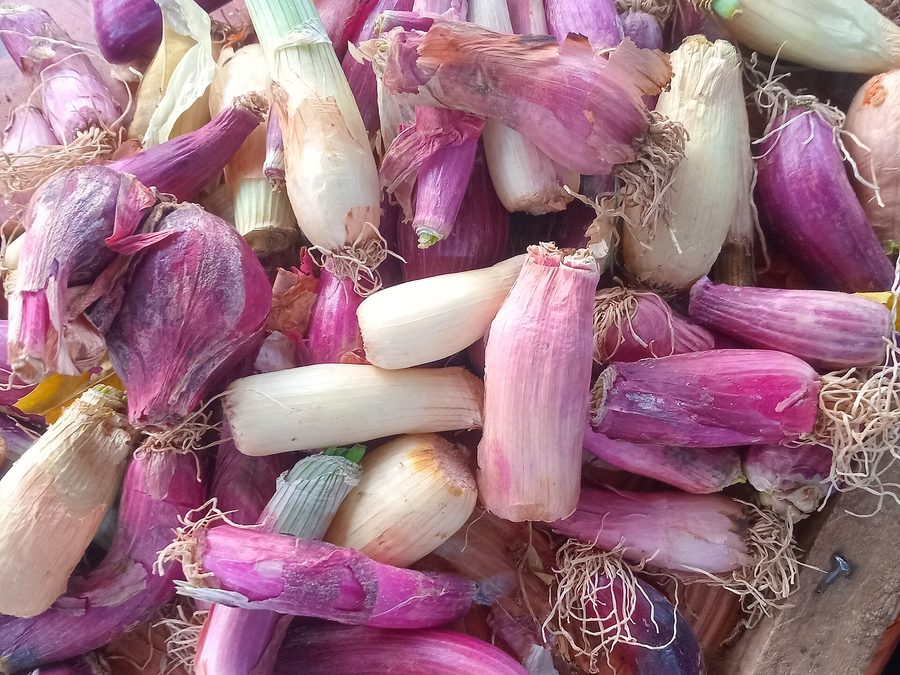
Onion
Yes, babies can have onion — cooked, it is sweet rather than sharp.
Vegetable
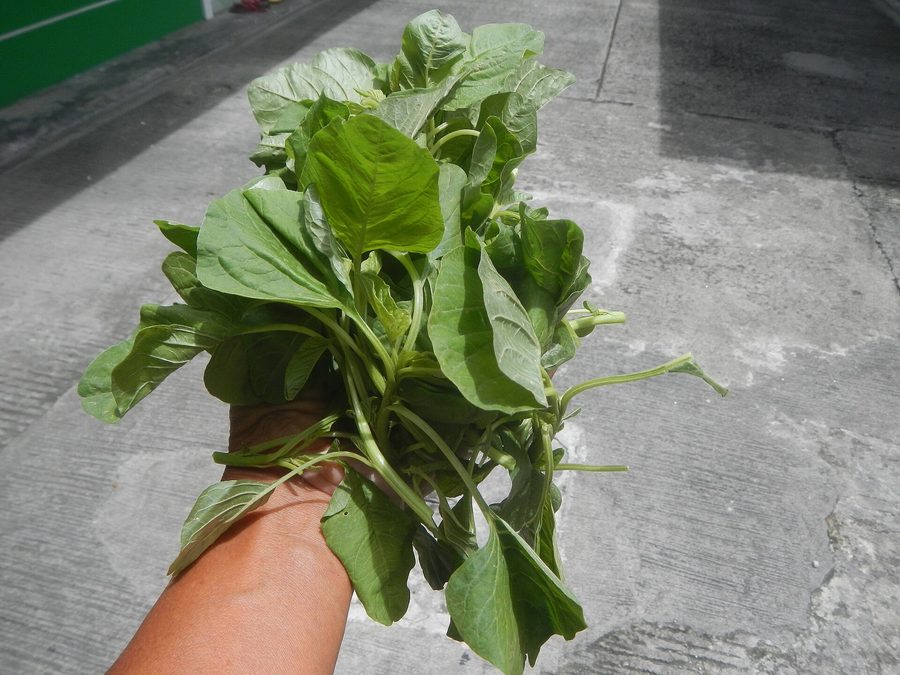
Spinach
Iron and folate in a leaf — but the iron is harder to absorb than the packaging suggests.
Dairy & eggs
Egg
A top-nine allergen worth introducing early — and one of the cheapest complete proteins there is.
Vegetable
Tomato
Vitamin C for iron absorption — and cherry tomatoes are in the grape hazard class.