 FirstNom
Feeding skills
Your Baby Is Refusing Food. Here Is What Is Probably Going On.
Ten to fifteen exposures before acceptance is normal, not a problem. What to try, what to stop doing, and the handful of signs that mean it is worth calling someone.
· 5 min read
Almost every parent hits this. The baby who ate everything at seven months turns their head at ten. The vegetable that went down fine on Tuesday comes back out on Thursday.
Most of it is normal. Some of it is fixable. A small amount needs a professional.
Ten to fifteen exposures
This is the single most useful number in infant feeding, and almost nobody knows it.
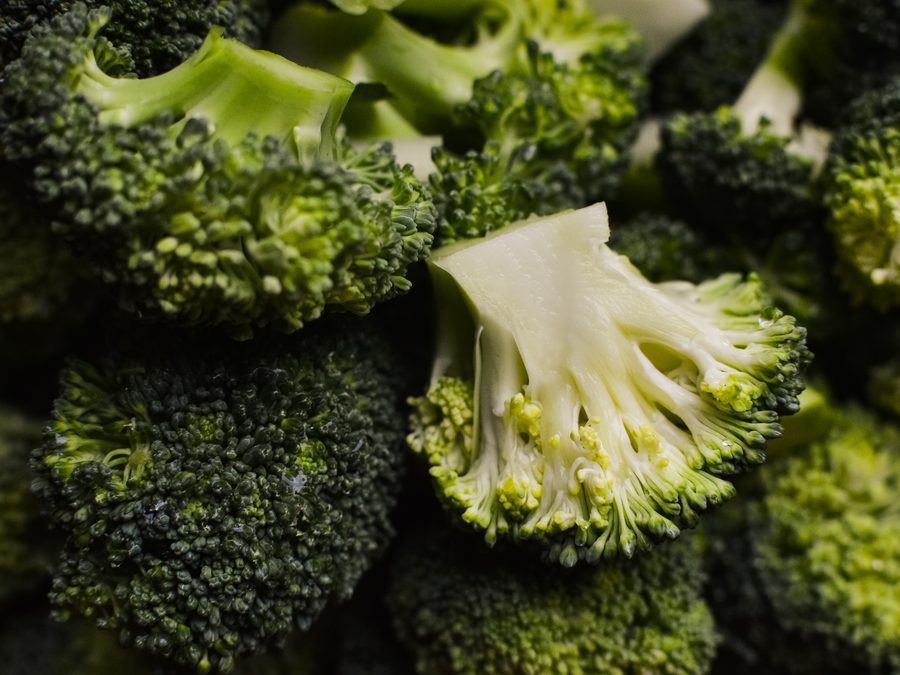
Research on flavour acceptance consistently finds that a baby needs to encounter a new food somewhere between eight and fifteen times before accepting it. Bitter vegetables — broccoli, kale, Brussels sprouts — often sit at the top of that range.
Most parents offer a food three or four times, watch it get thrown on the floor, conclude “she doesn’t like broccoli”, and take it off the list permanently.
The baby has not decided anything. They have not finished deciding.
What to do: keep the food in the rotation. Serve it alongside something they reliably eat. Do not comment on it, do not encourage, do not react when it lands on the floor. Just keep it appearing.
The common causes, in rough order
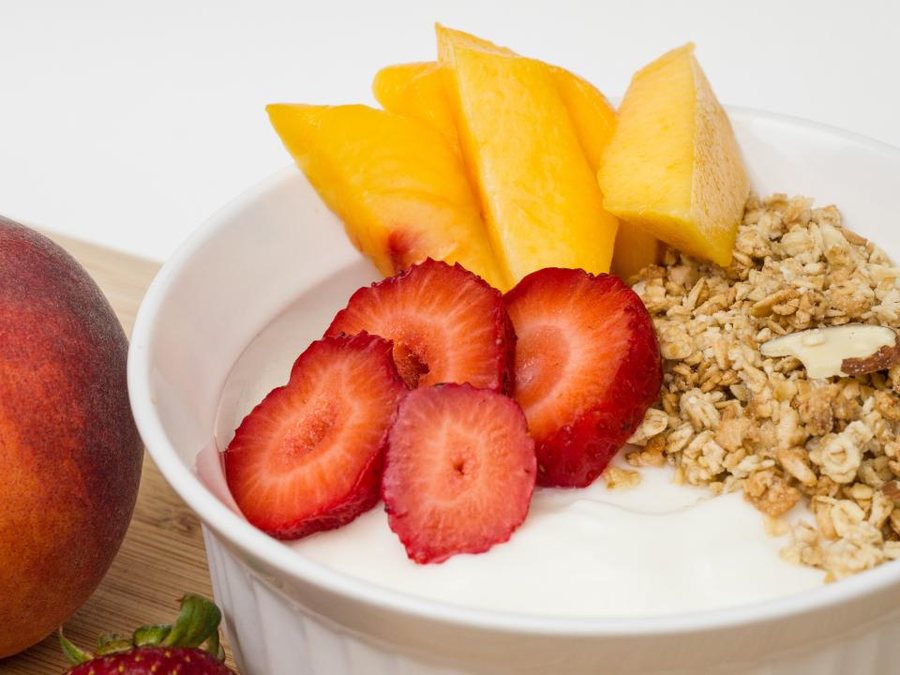
Teething. Sore gums make chewing unappealing. Cold foods help — chilled cucumber spears, yogurt, frozen mango or watermelon chunks. This passes in days.
Illness. Appetite drops with any infection, including ones you have not noticed yet. Keep offering, keep fluids up, do not force. It comes back.
A developmental leap. Babies working on crawling, pulling up or walking are often too busy and too distractible to sit and eat. This is temporary and usually obvious in hindsight.
Growth slowing down. This is the big one after 12 months. Growth rate drops sharply after the first year, and appetite drops with it. A toddler eating noticeably less than they did at 11 months is following their physiology, not developing a problem.
Too much milk. Milk is filling and, after 12 months, low in iron. More than about 500 ml a day of cow’s milk starts crowding out food — and it is a recognised route to iron deficiency in toddlers.
Snacking too close to meals. A baby who had a snack an hour ago is not hungry. Spacing meals and snacks two to three hours apart usually solves this on its own.
Distraction. Screens, siblings, a busy room. Eating is a skill that requires attention when you are learning it.
Pressure. Which deserves its own section.
The pressure problem
The instinct when a baby will not eat is to try harder: the aeroplane spoon, one-more-bite, “just try it”, the running commentary of encouragement.
It reliably backfires. Pressure to eat is one of the better-established predictors of more fussiness later, not less. It also teaches a baby to override their own fullness signals, which is a habit that lasts.
The division of responsibility is the standard framework, and it works:
- You decide what is served, when, and where.
- Your baby decides whether to eat, and how much.
That is the whole thing. Your job ends when the food is on the tray.
In practice: put the food down, eat your own meal, talk about something else. If they eat, say nothing in particular. If they do not, take it away without comment at the end.
Things that genuinely help
Eat with them. Babies copy. A baby who watches you eat broccoli is far more likely to try broccoli than one handed broccoli by someone eating something else.
Serve family food. Separate baby meals teach that there is baby food and real food. One meal, adjusted for salt and shape, is better for everyone and less work.
Offer, do not pressure. Put a new food on the tray next to a familiar one. No comment.
Change the preparation, not the food. A baby who rejects steamed broccoli may take roasted broccoli, which tastes considerably sweeter. Roasting transforms cauliflower, radish and Brussels sprouts in the same way.
Check the texture. Refusal is often a preparation problem in disguise. Undercooked vegetable, dry meat, slippery fruit they cannot hold. Squash-test everything and add a grip coating — ground almond or infant cereal — to slippery foods.
Let them get their hands in it. Sensory exploration is part of eating. A baby who is allowed to smear yogurt is more likely to eventually taste it.
Keep meals short. Twenty to thirty minutes. A meal that drags becomes a battle.
What not to do
- Do not make a separate meal. It teaches that refusing gets you something better, and the diet narrows over months.
- Do not bribe with pudding. It raises the status of sweet food and lowers the status of everything else.
- Do not hide vegetables and say nothing. Blending vegetables into sauce is fine as extra nutrition, but it is not exposure — your baby needs to see and taste the vegetable to learn to accept it. Do both.
- Do not force feed, ever. Beyond the immediate distress, it is genuinely associated with worse eating later.
- Do not comment on how much they ate. Not praise, not disappointment.
When to get help
Most food refusal is normal and passes. Talk to your pediatrician, health visitor or GP if you see:
- Weight loss, or crossing down through centile lines on the growth chart.
- Fewer than about twenty accepted foods, with the list shrinking rather than growing.
- Refusing entire food groups — all protein, or all textures beyond purée.
- Gagging, coughing or distress at every meal, not just occasionally.
- No progression in texture past smooth purée by around 10 to 12 months.
- Signs of iron deficiency — unusual pallor, tiredness, irritability, developmental slowing.
- Your own stress about meals is affecting family life. That is a legitimate reason to ask for help.
Paediatric dietitians and feeding therapists exist for this, and referrals are usually straightforward. Extreme picky eating and sensory feeding difficulties are real conditions with real treatment — persistent, worsening refusal is worth investigating rather than waiting out.
The reassuring bit
Look at the week, not the meal.
Babies and toddlers regulate their intake over days, not individual sittings. A day of almost nothing followed by a day of eating everything in sight averages out to something perfectly reasonable. Almost every parent who is worried about how little their baby ate today would feel fine looking at the last seven days together.
Questions parents ask
How many times should I offer a food before giving up?
Ten to fifteen exposures is common before a baby accepts a new flavour, and bitter vegetables often take more. Most parents stop after three or four, conclude their baby dislikes it, and never offer it again. Keep it in the rotation without pressure.
My baby was eating well and has suddenly stopped. Why?
Teething, illness, a developmental leap, or a growth slowdown are the usual suspects. Appetite genuinely drops after the first birthday because growth slows — a toddler eating less than they did at 11 months is normal, not a problem.
Should I make a separate meal if my baby refuses dinner?
No. Offering an alternative teaches that refusing produces something better, and it narrows the diet over time. Serve one meal that includes at least one thing your baby reliably eats, and let them choose from what is there.