 FirstNom
Grains
Iron-fortified cereal for babies
Nothing else moves a baby's iron intake as predictably as a fortified infant cereal. It is a supplement wearing the costume of a breakfast, and that is exactly the point.

When can babies have iron-fortified cereal?
From around 6 months, as one of the first foods. A full-term baby's iron stores run down at about this age, breast milk contains very little iron, and a baby needs roughly 11 mg a day from 6 to 12 months — a target that is genuinely hard to hit from whole foods alone in the first weeks.
How do you serve iron-fortified cereal to a baby?
The shape is what makes a food safe, and it changes as your baby’s grip and chewing change. Find your baby’s age band.
-
6–8 months
Mix with breast milk, formula or water to a thick consistency that stays on a spoon. Pre-load the spoon and hand it over. Start with a thinner mix and thicken over the first week or two.
-
9–11 months
Thicker, with mashed fruit stirred in. Encourage self-feeding with the spoon.
-
12–18 months
As porridge, or stirred into yogurt. By this age other iron foods should be doing more of the work.
-
18–24 months
Generally outgrown — family cereals and whole foods take over. Check any toddler cereal for added sugar.
Prep tip
Mix it thicker than feels right. Thin cereal runs off the spoon and off the hand; thick cereal stays put and is far less frustrating for a beginner.
Storage
Once mixed, use within two hours, or refrigerate for up to 24 hours if it was not mixed with breast milk that has already been offered. Dry cereal keeps a month after opening, sealed.
Is iron-fortified cereal a choking hazard for babies?
Prepared cereal is a smooth porridge and carries no choking risk. Serve it warm rather than hot and stir well — porridge holds heat in pockets. Dry cereal powder should always be mixed before it is offered.
Whatever you serve, stay within arm’s reach, keep your baby upright in a supportive seat, and never let them eat in a moving car, buggy or carrier. Gagging is loud and normal. Choking is silent.
Is iron-fortified cereal a common allergen?
The cereal grain itself may be an allergen — wheat and multigrain versions contain wheat, one of the nine common allergens. Check the box, and treat a first wheat-containing cereal as a wheat introduction.
Is iron-fortified cereal healthy for babies?
This is a targeted nutrition product and should be judged as one. A single serving can supply a large share of the daily iron requirement, plus zinc and B vitamins. Serve it with a vitamin C food — mashed strawberry, mango, or a spoon of puréed pepper — to increase absorption, and avoid serving it with a large volume of cow's milk, since calcium competes with iron. Vary the grain: oat, barley and multigrain rather than rice alone.
| Iron (fortified) | Very high |
|---|---|
| Zinc (often fortified) | High |
| B vitamins | High |
| Carbohydrate | High |
| Iron per serving | ~4.5 mg |
Common questions about iron-fortified cereal
Should I avoid rice cereal because of arsenic?
You do not need to avoid it, but you should vary it. Rice takes up more inorganic arsenic from soil than other grains, and both the FDA and the AAP recommend that rice cereal not be the only cereal a baby eats. Oat, barley and multigrain versions are equally fortified.
Can I put cereal in a bottle?
No. Cereal in a bottle is a choking risk, it defeats the point of learning to eat from a spoon, and it is only recommended in specific medical situations under a clinician's direction.
Does my baby still need this if they eat meat?
Less so. Meat provides heme iron, which is absorbed far more efficiently. If your baby is reliably eating meat, lentils or beans daily, fortified cereal becomes optional rather than essential.
Reference material
Guidance on this page follows the sources listed below.
Foods parents look at next
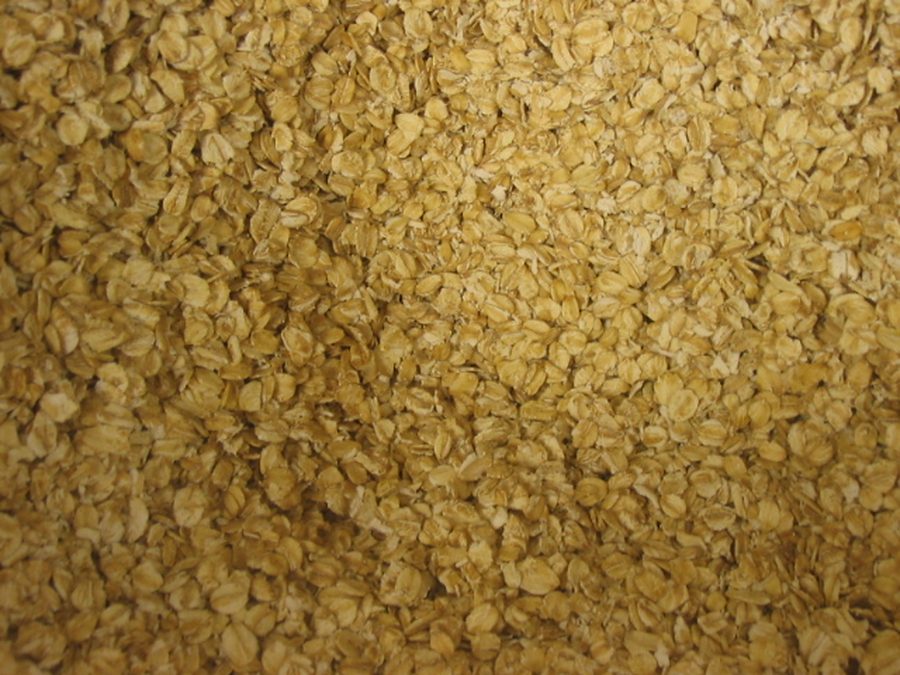
Grains
Oatmeal
An iron-fortified porridge is one of the simplest ways to hit a 6-month-old's iron target.
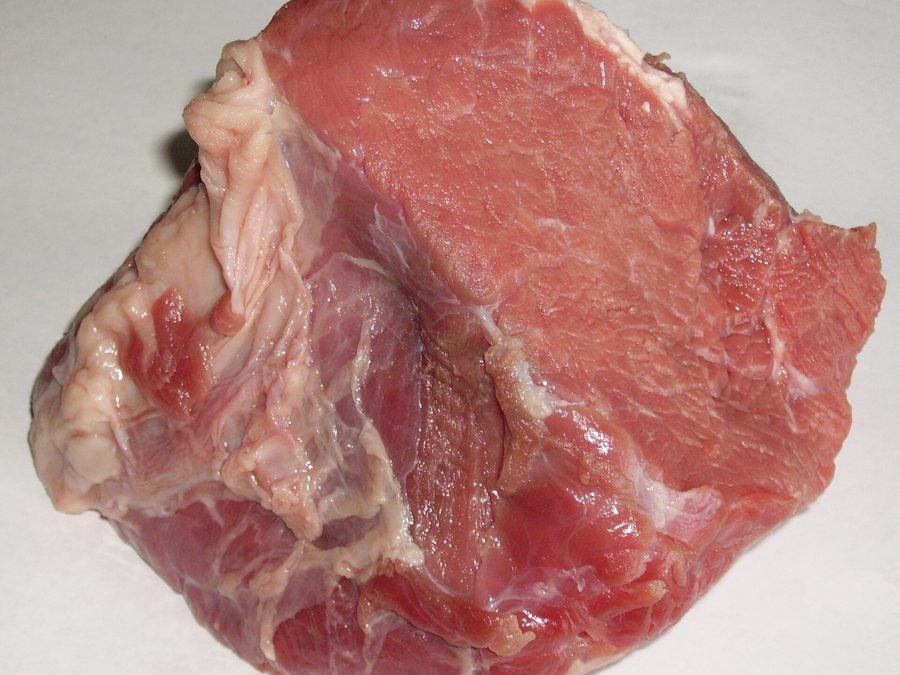
Meat & fish
Beef
The single best food for closing the iron gap that opens at 6 months.
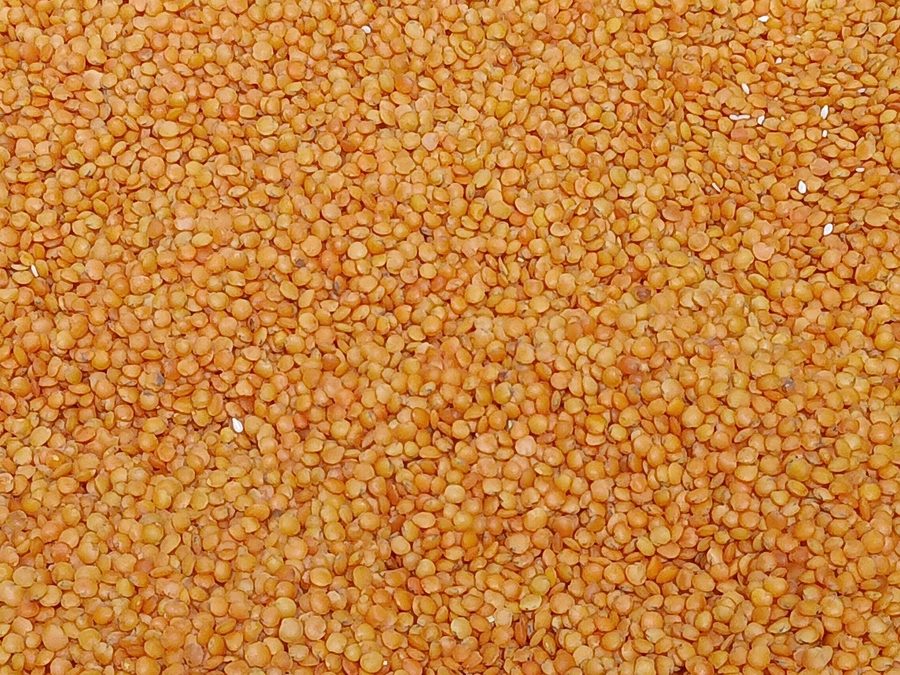
Beans & legumes
Lentils
The best plant iron source for babies — cheap, soft, and it cooks in twenty minutes.
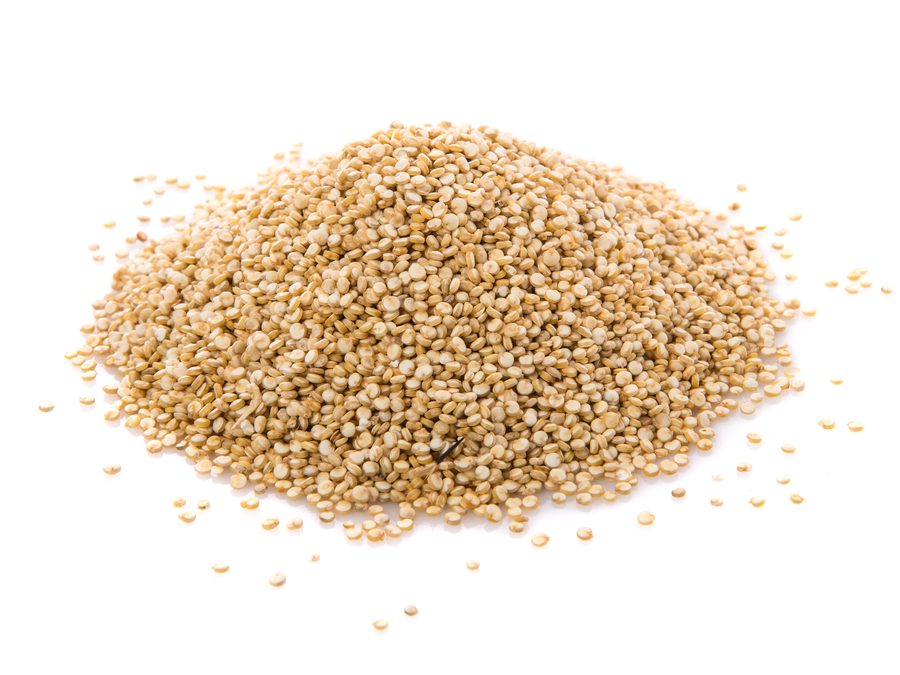
Grains
Quinoa
A complete plant protein with real iron — and a rinse step you should not skip.